
loader

Month: March 2023

Food allergies: causes, symptoms, and prevention

Food allergies are a common and serious medical condition affecting millions of people worldwide. They occur when the immune system mistakenly identifies a particular food as harmful and reacts accordingly. In this article, we will discuss the causes, symptoms, and prevention of food allergies.

Causes:
Food allergies occur when the body’s immune system mistakes a harmless food protein for a harmful invader and triggers an allergic reaction. The most common food allergens include peanuts, tree nuts, fish, shellfish, milk, eggs, soy, and wheat. Other factors that can contribute to the development of food allergies include genetics, environmental factors, and the age at which a particular food is introduced.

Symptoms:
The symptoms of a food allergy can vary widely from person to person, and can range from mild to severe. The most common symptoms include hives, itching, swelling of the lips or tongue, nausea, vomiting, abdominal pain, and diarrhea. More severe symptoms may include difficulty breathing, chest tightness, and anaphylaxis, a life-threatening allergic reaction that can cause a sudden drop in blood pressure and can be fatal if left untreated.

Prevention:
The best way to prevent food allergies is to avoid the allergen altogether. This can be challenging, especially for people with multiple food allergies or those with severe allergies that may require them to carry an epinephrine auto-injector at all times. It is also important to read food labels carefully and to be aware of potential cross-contamination of allergens in manufacturing facilities and restaurants.

Another important prevention strategy is to introduce potentially allergenic foods to infants at an appropriate age and in a safe and controlled manner. Recent studies suggest that early introduction of peanuts and other allergenic foods may actually reduce the risk of developing food allergies later in life.

In conclusion, food allergies are a serious medical condition that can cause a wide range of symptoms and even be life-threatening in some cases. Understanding the causes and symptoms of food allergies, as well as effective prevention strategies, can help individuals with food allergies manage their condition and live healthy, safe lives. If you suspect that you or someone you know has a food allergy, it is important to seek medical attention and to work closely with a qualified healthcare provider to develop a safe and effective management plan.


The benefits and risks of genetic testing

Genetic testing is a rapidly advancing field of medicine that can provide valuable information about an individual’s risk for certain diseases or conditions. However, like any medical procedure, there are both benefits and risks associated with genetic testing.

One of the main benefits of genetic testing is that it can provide valuable information about an individual’s risk for developing certain diseases or conditions. For example, a genetic test can identify mutations in the BRCA1 or BRCA2 genes, which are associated with an increased risk of developing breast and ovarian cancer. Armed with this information, individuals may choose to take preventative measures such as more frequent cancer screenings or even prophylactic surgery.

However, there are also potential risks associated with genetic testing. One of the most significant risks is that an individual may receive information about their risk for a particular disease or condition that causes unnecessary anxiety or stress. Additionally, there is a risk of genetic discrimination, in which an individual may face discrimination from employers or insurers based on the results of their genetic test.

In conclusion, genetic testing can provide valuable information about an individual’s risk for certain diseases or conditions, but it is important to carefully consider the potential benefits and risks before undergoing testing. Anyone considering genetic testing should consult with a qualified healthcare professional to discuss their options and make an informed decision. With careful consideration and appropriate use, genetic testing can be a powerful tool in the prevention and management of disease.

The science of pain managements

Pain is a complex and subjective experience that can be caused by a variety of factors, including injury, disease, or chronic conditions. Pain management involves a range of strategies and treatments aimed at reducing pain and improving quality of life for those who experience it. In recent years, advances in the science of pain management have led to new approaches to understanding and treating pain.

One of the most important aspects of pain management is understanding how pain is processed in the body. Pain is transmitted through a network of specialized nerve fibers called nociceptors, which are activated by various stimuli such as heat, pressure, or injury. These signals are transmitted through the spinal cord to the brain, where they are interpreted as pain.

One of the most effective ways to manage pain is through the use of medication. There are many different types of pain medication, including nonsteroidal anti-inflammatory drugs (NSAIDs), opioids, and antidepressants. Each type of medication works differently to reduce pain and may be more or less effective for different types of pain.

Don’t let pain interfere with your life, choose Health*Star® Ibuprofen Pain Relief for fast, targeted relief.

Another approach to pain management is through physical therapy and exercise. These therapies can help to strengthen muscles, improve mobility, and reduce pain by increasing circulation and releasing tension in the body. Other therapies, such as acupuncture, massage, and chiropractic care, may also be effective in managing pain.

Psychological therapies are also an important part of pain management. Chronic pain can often lead to depression, anxiety, and other psychological conditions, which can in turn worsen pain. Cognitive-behavioral therapy (CBT) is a type of therapy that helps patients to manage pain by changing their thoughts and behaviors surrounding pain.

New research in the science of pain management is exploring other approaches to understanding and treating pain. For example, some researchers are investigating the use of virtual reality and other immersive technologies to help patients manage pain. Others are exploring the use of genetic testing to identify patients who may be more or less likely to respond to certain types of pain medication.

Overall, the science of pain management is a complex and rapidly evolving field. With new approaches and technologies emerging all the time, there is hope that we will continue to improve our understanding of pain and develop more effective ways to manage it. For those who live with pain, it is important to work closely with healthcare professionals to find the right combination of therapies and treatments to manage pain and improve quality of life.

The science of addiction and recovery

Addiction is a chronic and often relapsing disorder that affects millions of people worldwide. It is a complex condition that is influenced by a range of factors, including genetics, environment, and behavior. Addiction not only affects the individual but also their families, friends, and communities. The good news is that with the right treatment, recovery is possible. In this article, we will explore the science of addiction and recovery.

What is addiction?

Addiction is defined as a chronic brain disorder characterized by compulsive drug-seeking and use despite harmful consequences. It is a disease that affects the brain’s reward system, causing changes in the brain’s structure and function. These changes make it difficult for the individual to control their use of drugs or alcohol, even when they want to stop.

Addiction is a complex disease that can be influenced by a range of factors, including genetics, environment, and behavior. Some people may be more susceptible to addiction due to their genetic makeup, while others may develop addiction due to exposure to certain substances or environments.

What happens in the brain during addiction?

When a person uses drugs or alcohol, they experience a surge of dopamine in the brain’s reward center. Dopamine is a neurotransmitter that is associated with pleasure and reward. Over time, the brain’s reward center adapts to the increased dopamine levels, making it less sensitive to the drug’s effects. This leads to the individual needing to take more of the drug to achieve the same level of pleasure and reward.

As addiction progresses, changes occur in other areas of the brain, including the prefrontal cortex, which is responsible for decision-making, impulse control, and judgment. These changes make it difficult for the individual to control their drug use, even when they want to stop.

How is addiction treated?

Addiction is a treatable disease. The most effective treatment for addiction is a comprehensive approach that includes behavioral therapy, medication, and support from family and friends. Behavioral therapy, such as cognitive-behavioral therapy (CBT) and motivational interviewing, helps individuals develop coping skills to manage cravings and avoid relapse. Medications, such as buprenorphine and methadone, can help reduce withdrawal symptoms and cravings for opioids.

Support from family and friends is also crucial in the recovery process. It provides the individual with a network of support and encouragement as they work towards sobriety. Support groups, such as Alcoholics Anonymous (AA) and Narcotics Anonymous (NA), can also be helpful in providing a sense of community and accountability.

What does recovery look like?

Recovery from addiction is a lifelong process. It involves more than just stopping drug use; it also involves making positive changes in all areas of life. Recovery often involves developing new hobbies and interests, improving relationships with family and friends, and finding purpose and meaning in life.

Recovery is not always easy, and there may be setbacks along the way. However, with the right treatment and support, recovery is possible. It is important for individuals in recovery to have a plan in place to manage cravings and avoid relapse.

Addiction is a complex disease that affects millions of people worldwide. It is a chronic and often relapsing disorder that requires comprehensive treatment, including behavioral therapy, medication, and support from family and friends. Recovery from addiction is a lifelong process that involves more than just stopping drug use. It involves making positive changes in all areas of life, developing new hobbies and interests, improving relationships with family and friends, and finding purpose and meaning in life. With the right treatment and support, recovery is possible.

Vitamin D3 and pregnancy: why It matters for you and your baby

Pregnancy is a critical time for the health of both the mother and her baby. Adequate nutrition and vitamin intake are essential for healthy fetal growth and development. Among the most critical vitamins for pregnant women is vitamin D3, also known as the sunshine vitamin. This vitamin plays a critical role in regulating calcium absorption and maintaining healthy bones, but its benefits extend far beyond that.

Research has shown that vitamin D3 deficiency in pregnancy is linked to an increased risk of complications such as pre-eclampsia, gestational diabetes, and low birth weight. Vitamin D3 also supports the immune system and helps to regulate calcium and phosphorus absorption, which is crucial for the development of the baby’s skeleton. In addition, studies have found that vitamin D3 can reduce the risk of cesarean section delivery.

To ensure that you and your baby get enough vitamin D3, it’s essential to maintain healthy levels throughout pregnancy. The recommended daily intake of vitamin D3 during pregnancy is 600-800 IU per day, but some women may need higher doses if they are deficient. Eating a healthy diet that includes foods rich in vitamin D3, such as fatty fish, egg yolks, and fortified dairy products, can help. However, it can be challenging to get enough vitamin D3 from food alone, especially during the winter months when sunlight exposure is limited.

Get your daily dose of sunshine with 21st Century® Vitamin D-3 Supplement.

Vitamin D3 is an essential nutrient for pregnant women and their babies. It supports healthy fetal growth and development, reduces the risk of pregnancy complications, and helps to regulate calcium and phosphorus absorption. Pregnant women should strive to maintain healthy vitamin D3 levels through a combination of supplements, diet, and sunlight exposure. By doing so, they can ensure the best possible health outcomes for themselves and their babies.

The link between B vitamins and brain health: insights into B1, B2, and B6

B vitamins are essential micronutrients that are required by the body for many important functions, including maintaining a healthy brain. While all the B vitamins play a crucial role in supporting brain health, B1, B2, and B6, in particular, have been linked to improved cognitive function, mood regulation, and even a reduced risk of certain brain-related disorders.

B1, also known as thiamine, is important for the maintenance of the brain’s energy metabolism. It helps to convert food into energy that the brain can use, and a deficiency of this vitamin can lead to brain fog, confusion, and even memory loss. Studies have shown that thiamine supplementation can improve memory and cognitive function in individuals with a thiamine deficiency. In addition, it has also been shown to have a positive effect on mood regulation, reducing anxiety and depression symptoms.

B2, also known as riboflavin, is essential for the production of neurotransmitters in the brain, including serotonin and dopamine, which play a vital role in mood regulation. Studies have shown that a deficiency of B2 can lead to depression and anxiety, and supplementation with this vitamin can improve mood and reduce symptoms of anxiety and depression.

B6, also known as pyridoxine, is involved in the production of several neurotransmitters, including serotonin, dopamine, and gamma-aminobutyric acid (GABA), which play important roles in mood regulation, memory, and cognitive function. Studies have shown that low levels of B6 are associated with a higher risk of cognitive decline and neurodegenerative disorders such as Alzheimer’s disease. Supplementation with B6 has been shown to improve memory and cognitive function in older adults, and it may also help to reduce the risk of Alzheimer’s disease.

It’s important to note that while supplementation with B vitamins can be beneficial for brain health, it’s always best to get these vitamins from a healthy and balanced diet. Foods that are rich in B vitamins include whole grains, leafy green vegetables, nuts and seeds, and lean meats such as chicken and fish.

Boost your immune system, improve your cognitive function, and increase your energy levels with our B Vitamin Mineral Supplement.

B vitamins are essential for maintaining a healthy brain and improving cognitive function, mood regulation, and reducing the risk of certain brain-related disorders. B1, B2, and B6 are particularly important for brain health, and supplementation with these vitamins may be beneficial for individuals with deficiencies or those at risk of cognitive decline or mood disorders. However, it’s important to remember that getting these vitamins from a healthy diet is always the best approach.

10 Surprising facts about your nose

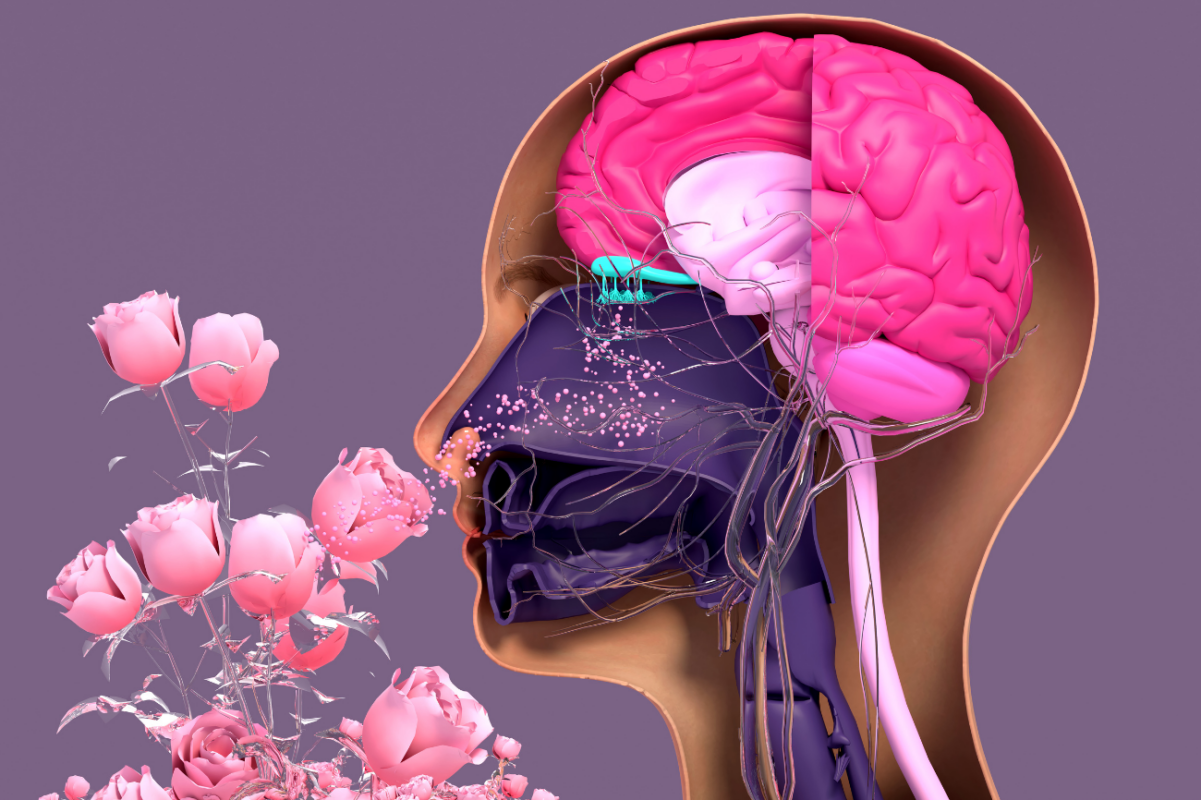
The nose is a remarkable organ that plays a crucial role in our daily lives. We use it to detect a wide variety of scents, from the delicious aroma of fresh coffee to the pungent smell of rotten eggs. But there are many surprising facts about the nose that you might not be aware of. Here are 10 facts that might just blow your mind:

  • The nose can detect over 1 trillion different scents. This incredible sensitivity is due in part to the large number of olfactory receptor neurons in the olfactory epithelium, as well as the brain’s ability to distinguish between different combinations of odor molecules.
  • Your nose can remember up to 50,000 different scents. This is why certain smells can trigger memories and emotions from the past.
  • The nose is the only part of the body that never stops growing. This is due to the cartilage and bone in the nose continuing to grow throughout our lives.
  • Humans have a unique “nasal cycle” that alternates between the nostrils, with one nostril being more open than the other at any given time. This helps to improve our sense of smell and allows us to detect a wider range of scents.
  • Some people are born without a sense of smell, a condition known as anosmia. This can be caused by genetic factors or damage to the olfactory nerve.
  • Your sense of smell can be affected by age, with older adults often experiencing a decline in their ability to detect certain scents.
  • The shape of your nose can impact your ability to breathe. A deviated septum or other nasal abnormalities can cause breathing problems and may require surgery to correct.
  • Your nose can help to regulate your body temperature. When you inhale cold air, the nasal passages warm it up before it reaches your lungs.
  • The smell of some foods can actually make you feel fuller, which can help to curb your appetite and reduce your overall calorie intake.
  • The nose can also help to detect pheromones, which are chemical signals that can impact our social behavior and attraction to others.

In conclusion, the nose is a fascinating and complex organ that plays a crucial role in our daily lives. From detecting scents to regulating our body temperature, there are many surprising facts about the nose that highlight its importance to our overall health and wellbeing. So the next time you take a deep breath, take a moment to appreciate the incredible complexity of the human nose and the amazing things it can do.

The mighty tongue: anatomy, functions, and disorders


The tongue is a powerful and complex organ in the human body, responsible for a wide range of functions such as taste, speech, and swallowing. Despite its small size, the tongue plays an essential role in our daily lives, and any dysfunction or disorder can have a significant impact on our overall health.

Anatomy of the tongue,

The tongue is a muscular organ located in the mouth, composed of eight different muscles that work together to allow for movement and function. The tongue is divided into two parts: the oral tongue, which is visible and used for speaking, and the base of the tongue, which is located at the back of the mouth and used for swallowing.

The surface of the tongue is covered in tiny bumps called papillae, which contain the taste buds that allow us to perceive different flavors. The tongue is also responsible for producing saliva, which aids in digestion and helps to keep the mouth moist.

Functions of the tongue,

The tongue is responsible for a wide range of functions, including taste, speech, and swallowing. Taste buds located on the surface of the tongue allow us to perceive different flavors, including sweet, sour, bitter, and salty.

The tongue is also crucial for speech production, as it works in conjunction with the lips, teeth, and jaw to create a wide range of sounds and articulations. Without the proper functioning of the tongue, speech can be difficult or even impossible.

In addition to taste and speech, the tongue also plays a vital role in swallowing. The muscles of the tongue work to push food and liquids towards the back of the mouth, where they can be safely swallowed and transported down the esophagus to the stomach.

Disorders of the Tongue,

Several disorders can affect the tongue, ranging from minor annoyances to serious medical conditions. Some common tongue disorders include:

  • Tongue Thrusting: A habit in which the tongue protrudes past the teeth during swallowing or at rest, which can lead to dental problems or speech difficulties.
  • Glossitis: Inflammation of the tongue, which can cause pain, swelling, and difficulty swallowing.
  • Tongue Tie: A condition in which the frenulum, the small band of tissue that connects the tongue to the floor of the mouth, is too short, leading to difficulty with speech and swallowing.
  • Oral Cancer: A type of cancer that can develop on the surface of the tongue, which can cause pain, difficulty swallowing, and other symptoms.

Treatment for tongue disorders varies depending on the specific condition and its severity. In some cases, medication or lifestyle changes may be sufficient, while more severe conditions may require surgery or other medical interventions.

The tongue is a vital organ in the human body, responsible for a wide range of functions that are essential for daily life. Understanding the anatomy, functions, and disorders of the tongue is crucial for maintaining good oral and overall health. If you experience any problems or abnormalities with your tongue, it’s important to seek medical attention promptly to prevent further complications.

Understanding blood oxygen: what you need to know

Blood oxygen is a vital component of the body’s respiratory system. It refers to the amount of oxygen that is present in the blood, and it is measured by a simple test called the pulse oximeter. A normal blood oxygen level ranges from 95 to 100%, while anything below 90% is considered low and requires medical attention. In this article, we will explore what blood oxygen is, why it’s essential, and what factors affect its levels.

What is blood oxygen,
Blood oxygen refers to the amount of oxygen that is carried by red blood cells throughout the body. The oxygen is obtained from the air that we breathe in through our lungs and then transported through the bloodstream to our cells, where it is used to produce energy. Oxygen is vital for our body’s functions, and without it, our cells can’t survive.

Why is blood oxygen important,
Blood oxygen is essential for our body to function properly. When our body’s oxygen levels drop, we can experience symptoms such as shortness of breath, dizziness, confusion, and even loss of consciousness. Low blood oxygen levels can be caused by a range of conditions, such as lung diseases, heart problems, and sleep apnea.

What factors affect blood oxygen levels,
Several factors can affect blood oxygen levels, including:

  • Lung function: Lung diseases such as chronic obstructive pulmonary disease (COPD), asthma, and pneumonia can reduce lung function and cause low blood oxygen levels.
  • Heart function: Heart diseases such as heart failure and coronary artery disease can reduce the amount of oxygen that the heart pumps to the body.
  • Altitude: At higher altitudes, the air pressure is lower, which means there is less oxygen in the air. This can cause low blood oxygen levels.
  • Sleep apnea: Sleep apnea is a condition in which breathing stops and starts repeatedly during sleep. This can cause low blood oxygen levels.
  • Anemia: Anemia is a condition in which the body does not produce enough red blood cells, which can result in low blood oxygen levels.

How is Blood Oxygen Measured,

Blood oxygen levels can be measured using a device called a SmartHeart Fingertip Pulse Oximeter for Blood Oxygen Saturation .This small device attaches to your finger and measures the amount of oxygen that is present in your blood. The pulse oximeter works by shining a light through your finger and detecting the amount of oxygen that is absorbed by the blood.

In conclusion, understanding blood oxygen is essential for maintaining good health. Blood oxygen levels can be affected by a range of factors, and it’s essential to monitor them regularly to ensure that they are within the normal range. If you experience symptoms such as shortness of breath or dizziness, it’s important to seek medical attention immediately as they could be a sign of low blood oxygen levels.

The effects of high blood pressure on the body: a comprehensive guide

High blood pressure, or hypertension, is a condition in which the force of blood against the walls of your arteries is consistently too high. This can lead to a variety of negative effects on your body, which is why it is often referred to as the “silent killer”. In this article, we will explore the effects of high blood pressure on the body in a comprehensive guide.

  • Cardiovascular system: High blood pressure can have serious consequences for your heart and blood vessels. Over time, the increased pressure can damage the walls of your arteries, making them less elastic and more prone to blockages. This can lead to heart disease, heart attack, stroke, and peripheral artery disease. High blood pressure can also cause aneurysms, or bulges in the walls of your arteries, which can rupture and cause life-threatening internal bleeding.
  • Brain: High blood pressure can have significant effects on your brain health as well. It can increase your risk of stroke, as well as cognitive impairment and dementia. When blood pressure is consistently high, it can damage the blood vessels in your brain, reducing blood flow and oxygen to critical areas. This can lead to brain damage and a variety of neurological symptoms.
  • Kidneys: Your kidneys play a vital role in filtering waste products from your blood and regulating your body’s fluid and electrolyte balance. High blood pressure can damage the small blood vessels in your kidneys, reducing their ability to function properly. This can lead to chronic kidney disease, kidney failure, and the need for dialysis or a kidney transplant.
  • Eyes: High blood pressure can also damage the small blood vessels in your eyes, leading to a condition called hypertensive retinopathy. This can cause vision problems and, in severe cases, blindness.
  • Other Effects: High blood pressure can also increase your risk of developing other health problems, including sleep apnea, metabolic syndrome, and diabetes. It can also worsen existing health conditions, such as asthma, osteoporosis, and erectile dysfunction.

Take control of your health with our Digital Blood Pressure Monitoring Unit, providing accurate and reliable readings in the comfort of your own home.

High blood pressure can have serious and far-reaching effects on your body. It is important to have your blood pressure checked regularly and to take steps to manage it if it is consistently high. This may include lifestyle changes such as eating a healthy diet, exercising regularly, maintaining a healthy weight, reducing stress, and quitting smoking. In some cases, medication may be necessary to control high blood pressure and prevent its damaging effects on your body.