
loader

Author: user

Timeless troubles: how the past dealt with medical issues

The history of medicine is a fascinating journey through time, where societies have grappled with numerous medical issues that have plagued humanity throughout the ages. While we enjoy remarkable advancements in modern medicine today, it is essential to acknowledge the invaluable lessons we can learn from how our ancestors tackled health challenges in the absence of cutting-edge technologies and scientific knowledge. This article explores some of the timeless troubles faced by societies of the past and the innovative ways they sought to address medical issues.

  • Ancient remedies and herbal medicine,

In ancient civilizations such as Egypt, China, and Greece, medical practices relied heavily on herbal remedies and natural treatments. These societies had a deep understanding of the healing properties of plants and utilized various herbs to treat a wide range of ailments. For instance, ancient Egyptians used honey and garlic to dress wounds, while the Chinese employed acupuncture to balance the body’s energy, or “qi,” to promote healing.

While some herbal remedies have indeed proven effective and are still used today, others were based on superstition or lacked empirical evidence. Nevertheless, the historical use of herbal medicine serves as a reminder of the importance of exploring the potential benefits of natural remedies in conjunction with modern medical approaches.

  • Surgical interventions in the pre-anesthesia era,

The history of surgery is replete with accounts of heroic surgeons who performed intricate procedures without the luxury of anesthesia. In the pre-anesthesia era, patients endured excruciating pain during surgeries, and the risk of infection was significantly higher due to the limited understanding of antiseptic techniques.

Ancient Indian texts, such as the Sushruta Samhita, described surgical procedures for various conditions, including the use of sharp instruments like scalpels. Similarly, ancient Roman and Greek physicians carried out surgeries, often relying on alcohol and opium to sedate patients before operating.

The advancement of anesthesia in the 19th century revolutionized surgery, making it more humane and less traumatic. Today, we owe a debt of gratitude to the bravery and ingenuity of our predecessors who laid the foundation for modern surgical practices.

  • Coping with epidemics and infectious diseases,

Throughout history, humanity has faced devastating epidemics and infectious diseases. From the Black Death in the Middle Ages to the Spanish flu in the early 20th century, these outbreaks caused widespread fear and death. Societies of the past used various methods to cope with such challenges.

Quarantine measures were common in ancient times, with afflicted individuals being isolated to prevent the spread of diseases. Additionally, people relied on rudimentary forms of personal protective equipment, such as face masks and gloves, to minimize exposure to contagious agents.

Today, we have advanced medical knowledge, vaccines, and advanced healthcare infrastructure to combat epidemics. However, the historical response to infectious diseases serves as a reminder of the importance of vigilance and preparedness in dealing with public health crises.

  • Mental health treatment in the past,

The understanding and treatment of mental health issues have significantly evolved over the centuries. In ancient times, mental illness was often attributed to supernatural forces or demonic possession. Trepanation, a practice involving drilling holes into the skull, was used in some societies to release evil spirits believed to be causing mental disorders.

During the Middle Ages, asylums emerged as places to confine and isolate mentally ill individuals from society. Unfortunately, these facilities were often overcrowded, and patients faced deplorable conditions and inadequate care.

Thankfully, the advent of modern psychology and psychiatry in the late 19th and early 20th centuries marked a turning point in the understanding and treatment of mental health issues. Today, mental health is recognized as an essential aspect of overall well-being, and effective therapeutic approaches are available to help those in need.

Exploring how the past dealt with medical issues provides us with a deeper appreciation for the progress made in modern medicine. From ancient herbal remedies to the advent of anesthesia and breakthroughs in mental health treatment, the lessons from our ancestors’ struggles continue to shape contemporary healthcare practices. By acknowledging the timeless troubles faced by past societies, we gain insight into the resilience of humanity and the collective effort to


Unearthing the mysteries of ancient medical ailments: insights from the past

Exploring the Enigmatic World of Ancient Medicine and its Relevance Today

In the annals of history, the ancient civilizations of the world laid the foundation for human progress in various fields. From art and architecture to mathematics and philosophy, the achievements of ancient societies continue to captivate our imagination. Among these remarkable accomplishments, the field of ancient medicine stands as a testament to human curiosity, ingenuity, and resilience. Unraveling the mysteries of medical ailments from antiquity offers us profound insights into the health challenges our ancestors faced and the knowledge they amassed to address them.

The Quest for Ancient Medical Knowledge

Ancient civilizations, including those of Egypt, Mesopotamia, Greece, Rome, India, and China, had a profound interest in understanding the human body and treating diseases. Their quest for medical knowledge stemmed from a deep-rooted belief that health was closely tied to spiritual well-being and harmony with the natural world.

These ancient medical practitioners did not possess the advanced tools and technologies available to modern medicine, but they relied on keen observation, trial and error, and an understanding of herbal remedies to alleviate ailments. Their medical practices were often intertwined with religious and mystical beliefs, which led to a holistic approach to healthcare.

Herbal Remedies and Traditional Practices

In the absence of modern pharmaceuticals, ancient healers turned to the natural world to find cures for various illnesses. Plants and herbs were essential components of their medicinal repertoire. For instance, the ancient Egyptians used garlic and onions as antibiotics, while the Chinese employed ephedra to relieve symptoms of respiratory issues. The Indian system of Ayurveda and the Greek physician Hippocrates emphasized the importance of balancing bodily humors for overall health.

Interestingly, many of these ancient remedies continue to have relevance today. Modern scientific studies have validated the medicinal properties of several herbs and plants that were used by our ancestors thousands of years ago.

Mysteries of Mummification and Surgery

One of the most captivating aspects of ancient medicine is the process of mummification, practiced by the Egyptians. While mummification was primarily aimed at preserving the body for the afterlife, it inadvertently offered us invaluable insights into the health and diseases of ancient Egyptians. Through the examination of mummies, researchers have been able to identify various medical conditions such as dental issues, arthritis, and even evidence of early surgical procedures.

Speaking of surgery, ancient civilizations performed complex surgical interventions with surprisingly high success rates. The ancient Indians were skilled in performing procedures like rhinoplasty, and the Egyptians practiced trepanation, a surgical technique involving drilling holes in the skull to treat head injuries and alleviate intracranial pressure.

The Role of Superstition and Religion in Healing

Ancient medical practices were deeply influenced by superstitions and religious beliefs. Healing temples were common, and pilgrims sought cures through offerings, rituals, and supplication to deities. In ancient Greece, the Asclepieions were dedicated healing sanctuaries where the sick believed they could receive divine guidance and dreams to aid their recovery.

While some of these practices may seem unconventional by today’s standards, they highlight the deep connection between the mind and body, a concept that modern medicine has begun to recognize and integrate into certain therapeutic approaches.

Learning from Ancient Medical Wisdom

Studying the medical ailments and practices of our ancient ancestors serves as a reminder that human curiosity and the pursuit of knowledge are timeless. The challenges they faced and the solutions they discovered paved the way for the advancements we enjoy in modern medicine. Furthermore, delving into the past can inspire us to look beyond contemporary paradigms, encouraging us to adopt a more holistic and integrated approach to healthcare.

By understanding the ancient medical wisdom, we gain a broader perspective on the diverse ways that human societies have sought to heal themselves throughout history. It also allows us to appreciate the progress we have made in medical science and to be cautious of potential hubris that could hinder further advancements.

In conclusion, unearthing the mysteries of ancient medical ailments not only sheds light on the past but also provides valuable lessons for the present and future. As we continue to innovate and evolve in the realm of healthcare, we must remember that the journey towards understanding the intricacies of the human body and the art of healing is an ongoing and interconnected quest that transcends time.

Epidemiology of rare diseases: challenges and opportunities

Rare diseases, also known as orphan diseases, are a group of diverse and complex medical conditions that individually affect a small number of people. While each rare disease may be rare in occurrence, collectively, these conditions impact a significant portion of the global population. Epidemiology, the study of the distribution and determinants of health-related events in populations, plays a crucial role in understanding rare diseases. However, studying rare diseases presents unique challenges due to their low prevalence, heterogeneity, and limited available data. In this article, we explore the challenges and opportunities in the epidemiology of rare diseases and the importance of research in advancing diagnosis, treatment, and support for patients and their families.

Challenges in studying rare diseases,

  • Low prevalence: Rare diseases, by definition, have a low prevalence in the general population. This poses challenges in identifying and recruiting a sufficient number of patients for research studies, making it difficult to conduct robust epidemiological investigations.
  • Heterogeneity: Rare diseases encompass a wide range of conditions, each with unique clinical features, genetic origins, and disease trajectories. The heterogeneity among rare diseases complicates research efforts and necessitates tailored approaches for each condition.
  • Delayed or misdiagnosis: Due to the rarity and lack of awareness, many individuals with rare diseases experience delayed or misdiagnosis, leading to prolonged suffering and missed opportunities for timely intervention and management.
  • Limited data: Rare diseases often lack comprehensive data, including disease registries, standardized diagnostic criteria, and long-term follow-up. This scarcity of data hinders the development of evidence-based guidelines and optimal care pathways.
  • Access to treatments: The development of treatments for rare diseases may face challenges, as pharmaceutical companies may perceive limited profitability due to the small patient population. Consequently, access to effective therapies can be limited, and patients may face barriers to obtaining appropriate treatment.

Opportunities for advancement,

  • International Collaboration: Given the global nature of rare diseases, international collaboration is critical in advancing epidemiological research. Collaborative efforts can pool resources, data, and expertise, allowing for more significant sample sizes and more comprehensive studies.
  • Rare Disease Registries: Establishing and maintaining rare disease registries can provide valuable data on disease prevalence, natural history, and treatment outcomes. These registries can help researchers identify patterns, risk factors, and potential therapeutic targets.
  • Genetic Studies: Advances in genomics and molecular techniques have enabled genetic studies that can identify causative mutations in rare diseases. Understanding the genetic basis of rare diseases can lead to improved diagnostic accuracy and personalized treatments.
  • Patient Advocacy and Support: Patient advocacy groups play a crucial role in raising awareness about rare diseases, supporting patients and families, and driving research efforts. Collaborating with patient organizations can enhance recruitment efforts and facilitate data sharing.
  • Data sharing and open science: Embracing open science principles, such as data sharing and collaboration, can accelerate rare disease research by facilitating the exchange of information and promoting transparency.

The epidemiology of rare diseases presents both challenges and opportunities for researchers and healthcare professionals. Despite the low prevalence and heterogeneity of rare diseases, advances in technology, international collaboration, and patient advocacy provide opportunities for progress in understanding and managing these conditions. By prioritizing rare disease research, building comprehensive data registries, and fostering global collaboration, we can improve early diagnosis, access to treatments, and the overall quality of life for individuals living with rare diseases. Moreover, continued efforts in rare disease epidemiology can contribute to our broader understanding of human health and disease mechanisms, paving the way for more effective and personalized healthcare solutions for all.

Innovations in 3D printing for medical applications

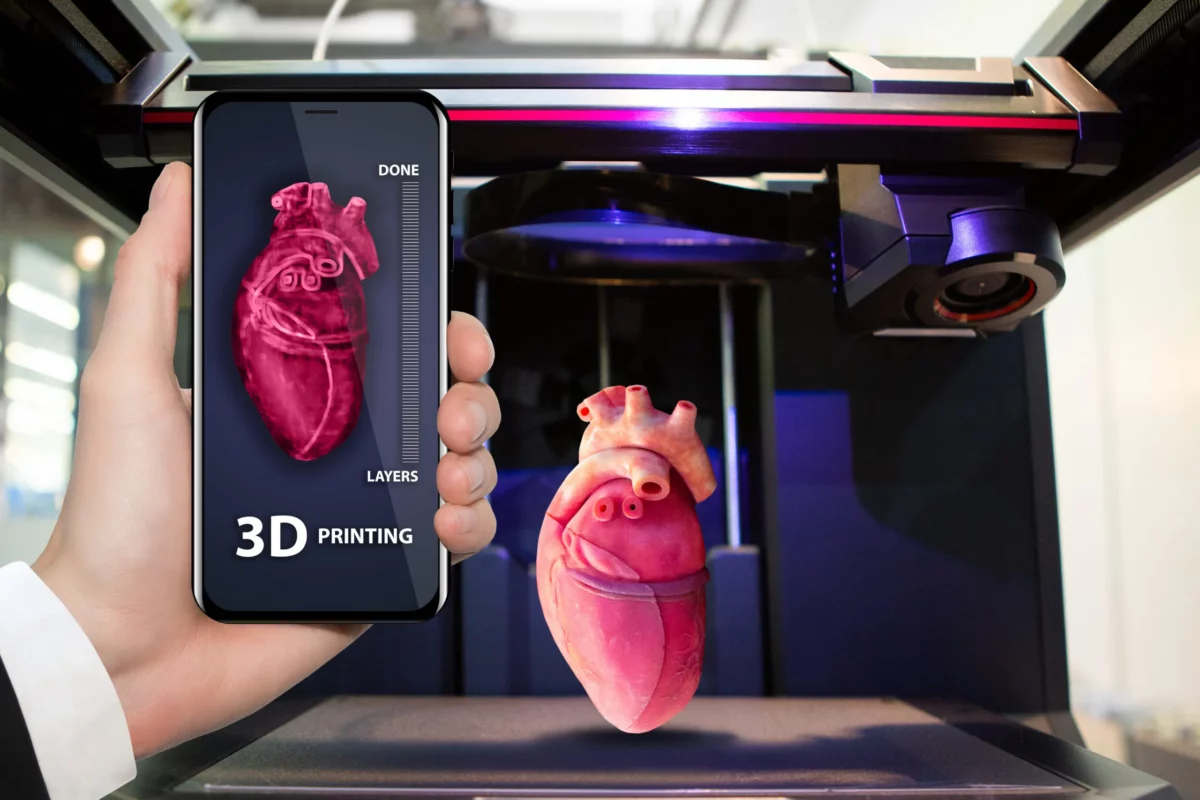
3D printing, also known as additive manufacturing, has transformed various industries by enabling the creation of complex and customized objects. In recent years, this revolutionary technology has made significant advancements in the field of medicine. 3D printing for medical applications has opened up new possibilities for personalized patient care, surgical planning, medical education, and the development of innovative medical devices. From patient-specific implants to anatomical models, the innovations in 3D printing are reshaping the landscape of modern healthcare. In this article, we explore the remarkable innovations in 3D printing that are revolutionizing medical applications and improving patient outcomes.

Patient-specific implants and prosthetics,

One of the most transformative applications of 3D printing in medicine is the creation of patient-specific implants and prosthetics. Traditional implants and prosthetics are often standardized, leading to challenges in achieving a perfect fit for each patient. With 3D printing, medical professionals can now design and fabricate implants and prosthetics that precisely match a patient’s unique anatomy.

For example, in orthopedic surgeries, 3D-printed implants can be tailored to fit the exact dimensions of a patient’s bone, reducing the risk of complications and improving overall functionality. Similarly, in dentistry, 3D printing has facilitated the creation of custom dental implants and crowns that offer a superior fit and enhanced aesthetic results.

Surgical planning and training,

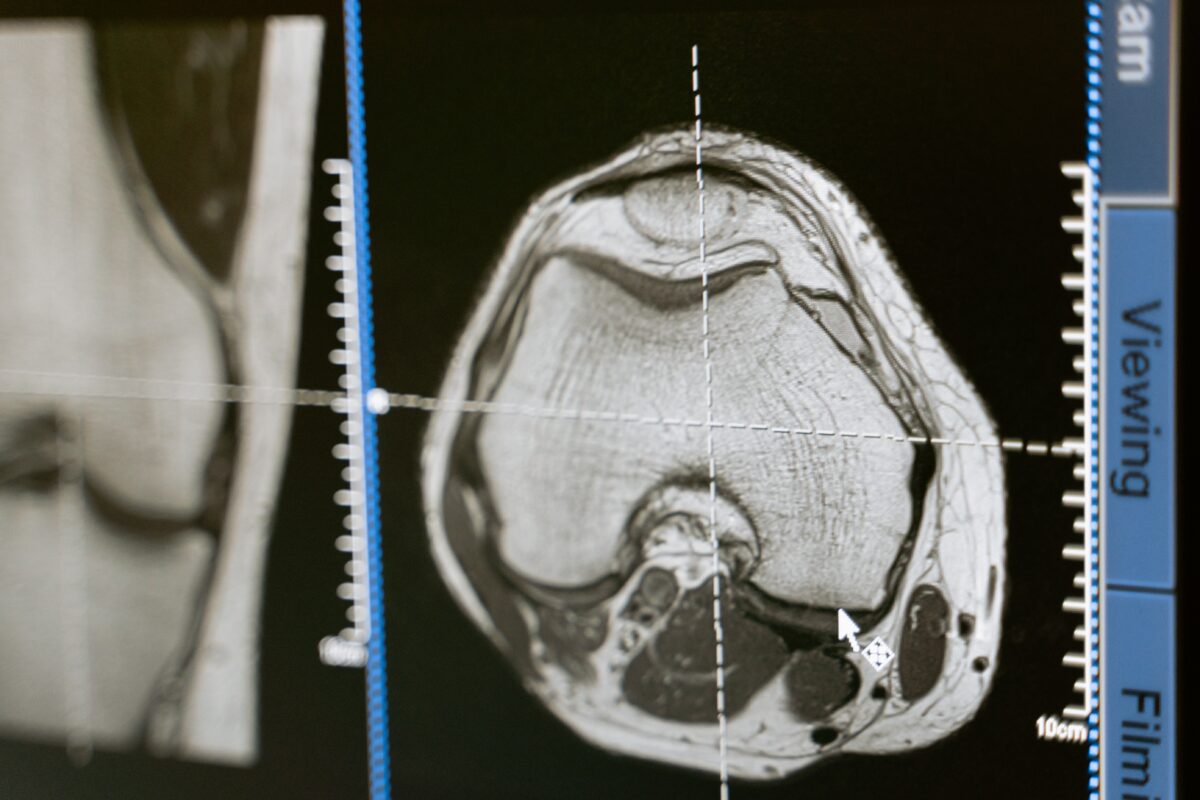
3D printing has revolutionized surgical planning and training by providing surgeons with patient-specific anatomical models. These models are created using medical imaging data, such as CT scans or MRI, and are invaluable for visualizing complex anatomical structures and planning intricate surgical procedures.

Surgeons can use these 3D-printed models to practice and simulate surgeries before performing them on the actual patients. This enhances surgical precision, reduces the risk of complications, and shortens operating times. Additionally, medical students and trainees can benefit from hands-on experience with realistic anatomical models, improving their skills and confidence in the operating room.

Organ and tissue bioprinting,

Bioprinting, a specialized form of 3D printing, holds enormous potential for regenerative medicine and organ transplantation. It involves the precise layer-by-layer deposition of living cells, biomaterials, and growth factors to create functional tissues and organs.

Researchers are actively exploring the possibility of bioprinting organs, such as kidneys, livers, and hearts, using a patient’s own cells. If successful, this technology could alleviate the global organ shortage crisis and reduce the risk of organ rejection, as the bioprinted organs would be derived from the patient’s own cells.

Personalized drug delivery,

3D printing is revolutionizing drug delivery by enabling the fabrication of personalized drug dosage forms. These custom-made dosage forms can be tailored to release medications at specific rates, durations, and locations in the body, based on an individual’s unique medical needs.

Personalized drug delivery has the potential to improve medication adherence and reduce side effects, as patients receive the precise amount of medication required for their condition.

Medical device innovation,

3D printing has also accelerated the development of innovative medical devices. From surgical instruments to assistive devices, 3D printing allows for rapid prototyping and customization of medical tools.

For example, surgeons can design and 3D print specialized instruments for unique surgical procedures, increasing surgical efficiency and improving patient outcomes. In the field of prosthetics, 3D printing has enabled the creation of lightweight, comfortable, and cost-effective custom prostheses for amputees.

The innovations in 3D printing for medical applications are transforming the way healthcare is delivered and experienced. From patient-specific implants and prosthetics to surgical planning models and bioprinted organs, this technology is revolutionizing personalized patient care and improving treatment outcomes. With continued advancements in 3D printing technology and materials, the potential for innovative medical applications is boundless. As research and development in this field continue to expand, 3D printing is set to play an increasingly pivotal role in shaping the future of modern medicine and revolutionizing healthcare on a global scale.

The role of gut microbiome in autism spectrum disorders

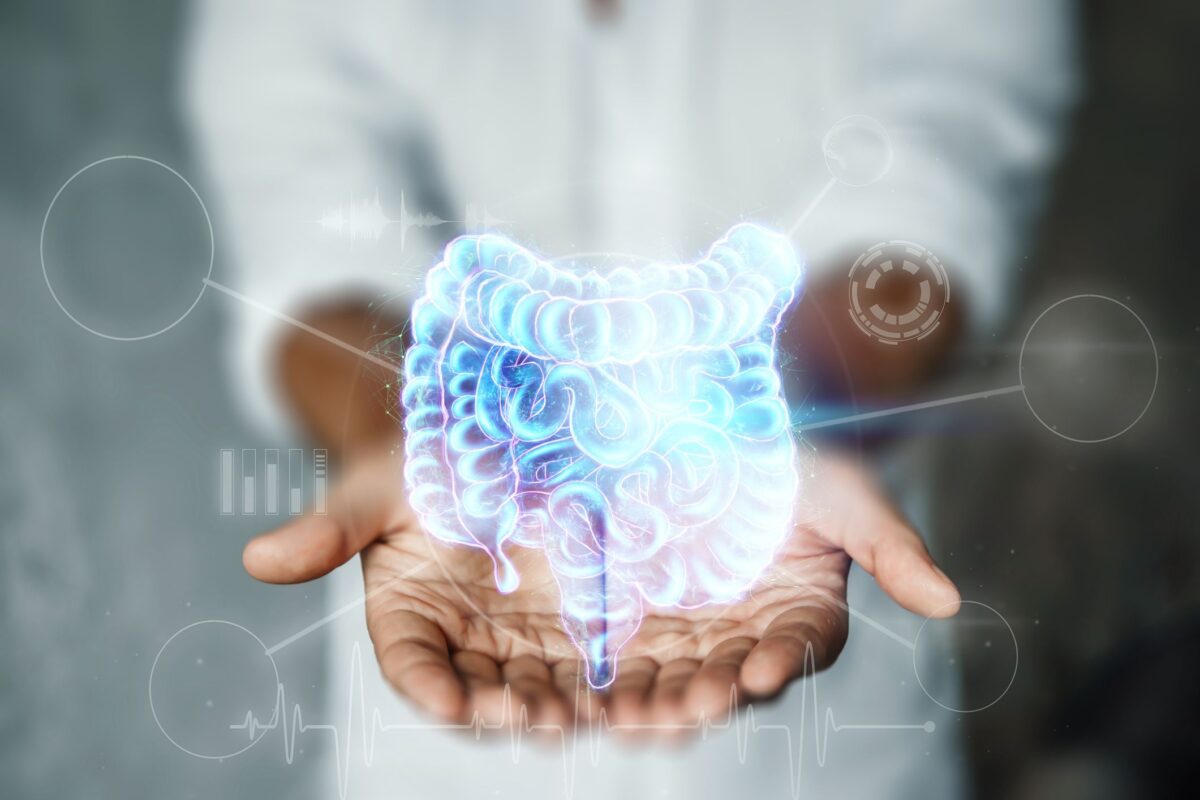
Autism Spectrum Disorder (ASD) is a complex neurodevelopmental condition characterized by challenges in social communication, repetitive behaviors, and restricted interests. While the exact cause of ASD remains unclear, researchers are increasingly exploring the potential role of the gut microbiome in the development and manifestations of this disorder. The gut microbiome refers to the trillions of microorganisms residing in the gastrointestinal tract, which play a vital role in digestion, metabolism, and immune function. In recent years, emerging evidence suggests a connection between the gut microbiome and autism, offering new insights into the pathophysiology of ASD and potential avenues for therapeutic interventions. This article delves into the current research on the role of the gut microbiome in autism spectrum disorders.

The gut-brain axis and its significance,

The gut and the brain are interconnected through a complex communication network known as the gut-brain axis. The gut microbiome influences this axis through the production of various metabolites, neurotransmitters, and immune molecules that can communicate with the central nervous system. This bidirectional communication is thought to play a critical role in brain development, behavior, and emotional regulation.

The gut microbiome and ASD:

  • Altered gut microbial composition: Several studies have reported differences in the gut microbial composition of individuals with ASD compared to neurotypical individuals. Individuals with ASD tend to exhibit reduced microbial diversity and distinct microbial profiles.
  • Gut permeability and inflammation: Some research suggests that the gut microbiome in individuals with ASD may contribute to increased gut permeability, often referred to as “leaky gut.” This increased permeability can lead to the translocation of bacterial products into the bloodstream, triggering an immune response and systemic inflammation.
  • Metabolites and neurotransmitters: The gut microbiome produces various metabolites and neurotransmitters that can influence brain function and behavior. For example, certain gut bacteria can produce serotonin, a neurotransmitter known to affect mood and social behavior.
  • Immune dysregulation: Dysregulation of the immune system has been observed in individuals with ASD. The gut microbiome can influence immune function and modulate the inflammatory response, potentially contributing to the immune abnormalities seen in ASD.
  • Communication via vagus nerve: The vagus nerve, a major component of the gut-brain axis, allows bidirectional communication between the gut and the brain. Signals from the gut microbiome can be transmitted to the brain through the vagus nerve, influencing brain activity and behavior.

Implications for treatment and interventions,

The emerging understanding of the role of the gut microbiome in autism spectrum disorders has opened new avenues for potential treatments and interventions:

  • Probiotics and prebiotics: Probiotics are live beneficial bacteria that can improve the gut microbial balance. Prebiotics are dietary fibers that serve as a food source for beneficial gut bacteria. Modulating the gut microbiome through probiotic and prebiotic interventions may help improve gut health and alleviate some ASD symptoms.
  • Dietary interventions: Certain dietary modifications, such as gluten-free and casein-free diets, have been explored in individuals with ASD. These diets aim to reduce inflammation and gut disturbances that may be associated with specific dietary proteins.
  • Fecal microbiota transplantation (FMT): FMT involves transferring gut microbiota from a healthy donor into the gut of an individual with ASD. While still experimental, FMT holds potential as a therapeutic option for modifying the gut microbiome and addressing ASD-related symptoms.
  • Personalized approaches: As the gut microbiome composition varies among individuals with ASD, personalized interventions that consider an individual’s unique gut microbial profile may be more effective in improving symptoms.

The role of the gut microbiome in autism spectrum disorders is an intriguing area of research with significant implications for understanding the underlying mechanisms of ASD. While much progress has been made, more comprehensive studies are needed to establish causation and fully elucidate the complex interactions between the gut microbiome and the brain in individuals with ASD. Nevertheless, the emerging evidence highlights the potential for gut microbiome-based interventions to impact ASD symptomology and improve the quality of life for individuals with this neurodevelopmental disorder. As research in this field continues, it offers hope for novel therapeutic approaches that may complement existing treatments and enhance outcomes for those living with autism spectrum disorders.

Innovations in cardiac imaging and diagnostics

Cardiovascular diseases (CVDs) continue to be a leading cause of mortality worldwide. Timely and accurate diagnosis is critical for effective management and treatment of these conditions. Fortunately, advancements in medical imaging and diagnostic technologies have revolutionized the field of cardiology. Innovations in cardiac imaging and diagnostics have provided healthcare professionals with powerful tools to visualize and assess the heart’s structure and function, leading to improved patient outcomes. In this article, we explore some of the latest innovations in cardiac imaging and diagnostics that are transforming the way CVDs are diagnosed and managed.

  1. 3D echocardiography:

Echocardiography, a widely used imaging technique, uses sound waves to create detailed images of the heart’s structures and blood flow. Traditional 2D echocardiography provides valuable information, but it may not fully capture the complexity of certain heart conditions. 3D echocardiography, also known as real-time 3D echocardiography, overcomes this limitation by providing dynamic, volumetric images of the heart. This innovation allows healthcare professionals to visualize the heart in three dimensions, enhancing the accuracy of diagnosis and guiding treatment decisions for conditions like congenital heart defects, valvular disorders, and heart failure.

  1. Cardiac magnetic resonance imaging (MRI):

Cardiac MRI has emerged as a powerful tool for non-invasive assessment of the heart’s anatomy, function, and tissue characteristics. It offers high-resolution images of the heart, allowing for precise evaluation of cardiac chambers, valves, and myocardial tissue. Cardiac MRI is particularly valuable in diagnosing conditions such as cardiomyopathies, myocarditis, and myocardial infarction. Furthermore, advances in cardiac MRI techniques, such as late gadolinium enhancement (LGE) imaging, enable the detection of myocardial scar tissue, which aids in risk stratification and treatment planning for patients with various cardiac conditions.

  1. Coronary computed tomography angiography (CCTA):

CCTA is a non-invasive imaging technique that uses computed tomography (CT) to visualize the coronary arteries and assess for coronary artery disease (CAD). It provides detailed, three-dimensional images of the coronary artery anatomy, allowing for the detection of coronary artery stenosis, plaques, and calcifications. CCTA has gained popularity as an alternative to invasive coronary angiography, especially in patients with low to intermediate risk of CAD. Its high negative predictive value makes it useful for ruling out significant coronary artery disease, guiding appropriate management strategies, and reducing unnecessary invasive procedures.

  1. Positron emission tomography (PET) myocardial perfusion imaging:

PET myocardial perfusion imaging is a non-invasive imaging technique that evaluates myocardial blood flow and identifies areas of reduced perfusion in the heart. It utilizes a radioactive tracer to assess regional blood flow, which can be indicative of coronary artery disease or myocardial viability. PET myocardial perfusion imaging provides valuable information for risk stratification, guiding revascularization decisions, and predicting outcomes in patients with suspected or known coronary artery disease.

  1. Artificial intelligence (AI) in cardiac imaging:

The integration of artificial intelligence and machine learning algorithms in cardiac imaging is a rapidly evolving area of innovation. AI-powered cardiac imaging tools can analyze large datasets and detect subtle abnormalities that may be challenging for human interpretation. For example, AI algorithms can aid in the automated quantification of cardiac function, identify myocardial scar tissue, and predict patient outcomes based on imaging data. AI-driven cardiac imaging is expected to enhance diagnostic accuracy, streamline workflow, and improve overall patient care.

Innovations in cardiac imaging and diagnostics have significantly transformed the field of cardiology. From 3D echocardiography and cardiac MRI to CCTA and PET myocardial perfusion imaging, these advanced techniques provide detailed and non-invasive assessments of the heart’s structure, function, and blood flow. The integration of artificial intelligence further enhances the diagnostic capabilities and precision of cardiac imaging. These innovations have not only improved the accuracy of CVD diagnosis but have also enabled personalized and targeted treatment strategies for patients. As technology continues to advance, the future holds exciting possibilities for further refining cardiac imaging and diagnostics, ultimately leading to better patient outcomes and improved cardiovascular care.

Non-invasive brain stimulation techniques: applications and potential

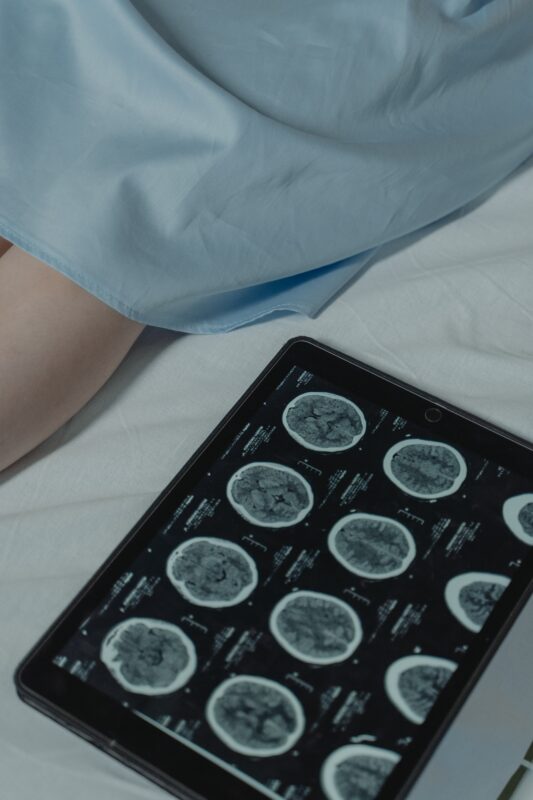
The human brain, with its intricate network of neurons and synapses, governs every aspect of our cognition, behavior, and emotions. Advancements in neuroscience have led to the development of non-invasive brain stimulation techniques, which offer exciting possibilities for understanding brain function and treating various neurological and psychiatric conditions. Unlike invasive methods, non-invasive brain stimulation techniques do not require surgery and offer a safe and relatively painless way to modulate brain activity. In this article, we explore the applications and potential of non-invasive brain stimulation techniques, shedding light on their role in research, therapeutic interventions, and cognitive enhancement.

Understanding non-invasive brain stimulation techniques,

Non-invasive brain stimulation techniques target specific regions of the brain using external devices, such as electromagnetic fields or electrical currents, without requiring surgery or penetrating the skull. The two most widely used non-invasive brain stimulation techniques are Transcranial Magnetic Stimulation (TMS) and Transcranial Direct Current Stimulation (tDCS).

  • Transcranial magnetic stimulation (TMS): TMS involves the use of a magnetic coil placed on the scalp to generate brief, focused magnetic pulses that penetrate the skull and induce electrical currents in the underlying brain tissue. Depending on the frequency of stimulation, TMS can either enhance or inhibit neuronal activity in the targeted brain regions.
  • Transcranial direct current stimulation (tDCS): tDCS uses a weak, direct electrical current applied through electrodes on the scalp to modulate brain activity. Unlike TMS, tDCS does not induce neural firing directly but instead alters the excitability of neurons, making them more or less likely to fire.

Applications of non-invasive brain stimulation techniques,

  • Research in neuroscience: Non-invasive brain stimulation techniques have become invaluable tools in neuroscience research. They allow researchers to investigate the causal relationship between specific brain regions and various cognitive functions, emotion regulation, and motor control. By temporarily modulating brain activity, researchers can explore how different brain regions contribute to specific behaviors and cognitive processes.
  • Treatment of neurological and psychiatric disorders: Non-invasive brain stimulation techniques hold promise as potential therapeutic interventions for various neurological and psychiatric disorders. They have shown encouraging results in treating conditions such as depression, anxiety disorders, chronic pain, and certain movement disorders like Parkinson’s disease.
  • Stroke rehabilitation: Non-invasive brain stimulation has been explored as an adjunctive therapy in stroke rehabilitation. By stimulating specific brain regions, researchers aim to enhance neural plasticity and improve motor function in patients recovering from stroke.
  • Cognitive enhancement: There is growing interest in using non-invasive brain stimulation to enhance cognitive abilities in healthy individuals. Research suggests that certain brain regions, when stimulated, can improve memory, attention, and learning capabilities. However, ethical considerations and potential risks must be carefully weighed in these applications.

The potential and challenges,

Non-invasive brain stimulation techniques offer exciting potential in various fields, but several challenges need to be addressed:

  • Individual variability: The response to non-invasive brain stimulation can vary widely among individuals, making it challenging to predict the outcomes with precision.
  • Limited understanding: While these techniques have shown promise in treating certain conditions, our understanding of their mechanisms of action is still evolving.
  • Ethical considerations: Using non-invasive brain stimulation for cognitive enhancement raises ethical concerns regarding fairness, safety, and potential unintended consequences.
  • Long-term effects: The long-term effects of non-invasive brain stimulation are still not fully understood, and safety guidelines must be established to minimize potential risks.

Non-invasive brain stimulation techniques have revolutionized our understanding of the brain and offer exciting possibilities for research, therapy, and cognitive enhancement. From investigating brain function to treating neurological and psychiatric disorders, these techniques have shown promising results. However, caution is warranted in their application, and ongoing research is essential to refine their efficacy and safety. As technology advances and our understanding of the brain deepens, non-invasive brain stimulation techniques are likely to play an increasingly significant role in advancing neuroscience and improving human health and cognition.

Neuroplasticity: unraveling the brain’s ability to reorganize itself

The human brain, with its billions of neurons interconnected by trillions of synapses, is a marvel of complexity and adaptability. Neuroplasticity, also known as brain plasticity or neural plasticity, is the brain’s remarkable ability to reorganize itself by forming new neural connections and modifying existing ones. This inherent capacity allows the brain to adapt to new experiences, learn from them, and recover from injuries. Neuroplasticity has revolutionized our understanding of the brain’s potential and has significant implications for learning, memory, rehabilitation after brain injuries, and even the treatment of neurological disorders. In this article, we delve into the fascinating world of neuroplasticity and explore its mechanisms, significance, and applications.

Understanding neuroplasticity,

Traditionally, it was believed that the brain’s structure and function remained relatively fixed after childhood. However, pioneering research over the past few decades has revealed that the brain is far more malleable than previously thought. Neuroplasticity refers to the brain’s ability to reorganize its neural pathways in response to new experiences, learning, and environmental changes. This reorganization involves changes in the strength and efficiency of synaptic connections between neurons, alterations in neural networks, and even the generation of new neurons (neurogenesis) in certain brain regions.

Types of neuroplasticity,

  • Synaptic plasticity: This type of plasticity involves changes in the strength of synaptic connections between neurons. It plays a fundamental role in learning and memory formation, as well as in the refinement of neural circuits during development.
  • Structural plasticity: Structural plasticity refers to physical changes in the brain’s neural architecture. It includes the formation of new synapses, dendritic spines, and even changes in the size of specific brain regions in response to experiences and learning.

Mechanisms of neuroplasticity,

  • Long-term potentiation (LTP): LTP is a cellular mechanism that strengthens synaptic connections when neurons are repeatedly activated together. It is considered a foundational process for learning and memory.
  • Long-term depression (LTD): LTD is the opposite of LTP and weakens synaptic connections when neurons are less frequently activated together. It helps in the refinement of neural circuits and the elimination of unnecessary connections.
  • Experience-dependent plasticity: This form of plasticity occurs in response to specific experiences, such as learning a new skill or adapting to a sensory loss. It involves changes in neural connections that are relevant to the experience at hand.

The significance of neuroplasticity,

  • Learning and memory: Neuroplasticity is at the core of learning and memory formation. When we learn something new, the brain forms new connections or strengthens existing ones to encode the information for later retrieval.
  • Recovery from brain injuries: Neuroplasticity enables the brain to reorganize and compensate for damage caused by strokes, traumatic brain injuries, or neurodegenerative diseases. Through rehabilitation, the brain can reroute functions to undamaged areas, facilitating recovery and adaptation.
  • Sensory and motor skills: As we practice and refine sensory and motor skills, such as playing an instrument or learning a sport, neuroplasticity plays a critical role in fine-tuning the neural circuits responsible for these abilities.
  • Treatments for neurological disorders: Understanding neuroplasticity opens up possibilities for developing targeted therapies to harness the brain’s adaptive capabilities in treating conditions such as stroke, autism, and schizophrenia.

Neuroplasticity is a groundbreaking concept that has revolutionized our understanding of the brain’s ability to adapt and reorganize itself throughout life. This remarkable property enables us to learn, remember, and recover from injuries. It underlies the vast potential of the human brain and offers hope for the development of innovative therapies for various neurological disorders. As research in this field continues, our understanding of neuroplasticity will continue to evolve, unlocking new possibilities for enhancing brain function, optimizing learning, and improving the lives of individuals affected by brain injuries or neurological conditions.

The role of mitochondria in age-related diseases

Mitochondria, often referred to as the “powerhouses of the cell,” play a crucial role in generating the energy needed for cellular processes. Beyond their energy production function, these cellular organelles are increasingly recognized for their involvement in various biological processes, including aging and age-related diseases. As we age, the efficiency of mitochondrial function declines, leading to a gradual accumulation of cellular damage and dysfunction. This article explores the pivotal role of mitochondria in age-related diseases and the implications for understanding the aging process and potential therapeutic interventions.

Mitochondrial function and aging,

Mitochondria are responsible for producing adenosine triphosphate (ATP), the primary source of cellular energy. This process, known as oxidative phosphorylation, occurs within the inner mitochondrial membrane and involves the electron transport chain. Over time, mitochondrial DNA (mtDNA) is subjected to oxidative stress, leading to mutations and impairments in energy production. As a consequence, cells become less efficient in their energy utilization, and this inefficiency contributes to the aging process.

Accumulation of reactive oxygen species (ROS),

One of the major consequences of mitochondrial dysfunction is the generation of reactive oxygen species (ROS) during ATP production. ROS are chemically reactive molecules that can cause cellular damage and trigger oxidative stress. As mitochondria age and their function declines, the production of ROS increases, leading to further damage to cellular components such as lipids, proteins, and DNA.

Mitochondrial DNA mutations,

Unlike nuclear DNA, mtDNA lacks the protective histones and has limited DNA repair mechanisms, making it more susceptible to damage. As a result, mtDNA accumulates mutations over time, leading to a decline in mitochondrial function. These mutations can further exacerbate ROS generation and oxidative stress, creating a vicious cycle of damage and dysfunction.

Age-related diseases and mitochondrial dysfunction,

  • Neurodegenerative diseases: Mitochondrial dysfunction has been implicated in neurodegenerative diseases such as Alzheimer’s, Parkinson’s, and Huntington’s disease. Impaired mitochondrial function in neurons can lead to energy deficits and increased susceptibility to oxidative stress, contributing to the progression of these diseases.
  • Cardiovascular diseases: The heart is an energy-demanding organ that relies heavily on efficient mitochondrial function. Mitochondrial dysfunction in cardiac cells has been linked to age-related cardiovascular diseases, including heart failure and atherosclerosis.
  • Metabolic disorders: Mitochondrial dysfunction can also contribute to metabolic disorders, such as type 2 diabetes and obesity. Impaired mitochondrial function in insulin-responsive tissues like adipose tissue and skeletal muscle can lead to insulin resistance and disrupted energy homeostasis.
  • Age-related macular degeneration (AMD): AMD is a leading cause of vision loss in older adults. Mitochondrial dysfunction in retinal cells has been implicated in the development and progression of AMD.

Therapeutic implications,

Understanding the role of mitochondria in age-related diseases has opened new avenues for potential therapeutic interventions:

  • Mitochondrial-targeted antioxidants: Developing antioxidants that specifically target mitochondria could mitigate oxidative stress and protect mtDNA from damage.
  • Mitophagy induction: Mitophagy is a process by which damaged mitochondria are selectively removed. Enhancing mitophagy could help maintain a healthier mitochondrial population and delay cellular dysfunction.
  • Metabolic modulation: Strategies aimed at improving mitochondrial function and energy metabolism could have therapeutic potential for age-related diseases.
  • Gene therapy: Gene editing technologies, such as CRISPR-Cas9, hold promise for correcting mtDNA mutations associated with mitochondrial dysfunction.

Mitochondria, the powerhouses of the cell, play a pivotal role in aging and age-related diseases. As mitochondria age, their function declines, leading to increased ROS production, mtDNA mutations, and cellular damage. These changes contribute to the progression of age-related diseases such as neurodegenerative disorders, cardiovascular diseases, and metabolic disorders. Understanding the role of mitochondria in age-related diseases has important implications for developing targeted therapeutic strategies to mitigate the impact of aging on human health. Further research into the intricacies of mitochondrial function and age-related diseases holds the promise of revolutionizing our approach to aging and improving the quality of life for older adults.

Emerging zoonotic diseases: preparedness and prevention

Zoonotic diseases, also known as zoonoses, are infectious diseases that can be transmitted from animals to humans, and vice versa. The emergence of zoonotic diseases poses a significant public health threat, as they have the potential to cause widespread outbreaks and pandemics. The ongoing COVID-19 pandemic is a stark reminder of the devastating impact of zoonotic diseases on global health and economies. As human populations and interactions with wildlife and domestic animals increase, the risk of zoonotic disease transmission also rises. This article explores the importance of preparedness and prevention in addressing emerging zoonotic diseases to safeguard public health.

Understanding the risk of zoonotic diseases,

Zoonotic diseases can be caused by viruses, bacteria, parasites, and fungi. The transmission of these pathogens can occur through direct contact with infected animals, consumption of contaminated food or water, or exposure to vectors such as mosquitoes and ticks. While many zoonotic infections cause mild symptoms or go unnoticed in animals, they can lead to severe illness or death in humans.

The factors contributing to the emergence of zoonotic diseases include:

  • Habitat encroachment: Deforestation and urbanization encroach on wildlife habitats, increasing human-wildlife interactions and the potential for disease spillover.
  • Wildlife trade: The legal and illegal trade of wildlife for pets, food, or traditional medicine can facilitate the spread of zoonotic pathogens.
  • Intensive livestock farming: High-density livestock farming creates conditions conducive to disease transmission between animals and from animals to humans.
  • Climate change: Altered climate patterns can influence the distribution and behavior of vectors and reservoir hosts, affecting disease transmission.
  • Global travel and trade: International travel and trade can rapidly spread zoonotic pathogens across borders.

Preparedness for zoonotic disease outbreaks,

  • Surveillance and early detection: Timely detection and reporting of zoonotic diseases are crucial for swift response and containment. Strengthening surveillance systems, both at local and global levels, can help monitor outbreaks and identify potential emerging diseases.
  • One health approach: The One Health approach recognizes the interconnectedness of human, animal, and environmental health. Collaboration between human and animal health sectors, as well as environmental agencies, is vital for effective zoonotic disease control.
  • Laboratory capacity: Investing in robust laboratory capacity to identify and characterize zoonotic pathogens is essential for rapid diagnosis and targeted responses.
  • Risk assessment: Conducting risk assessments to identify high-risk areas and activities can guide preventive measures and resource allocation.
  • Public awareness and education: Public education campaigns can raise awareness about zoonotic diseases, their transmission, and preventive measures, promoting responsible behavior to minimize exposure risks.

Prevention strategies for zoonotic diseases,

  • Wildlife conservation: Preserving natural habitats and promoting wildlife conservation help reduce human-wildlife contact and the potential for disease spillover.
  • Improved hygiene practices: Encouraging good hygiene practices, such as handwashing and proper food handling, can prevent the transmission of zoonotic pathogens from animals or contaminated sources.
  • Vaccination: Vaccination of domestic animals can prevent zoonotic diseases from spilling over into human populations.
  • Vector control: Controlling vectors like mosquitoes and ticks through insecticides and habitat management can reduce the risk of vector-borne zoonotic diseases.
  • Responsible animal trade: Regulating the legal trade of wildlife and enforcing measures to prevent illegal wildlife trafficking can limit zoonotic disease transmission.

The emergence of zoonotic diseases poses a significant threat to global health security. Preparedness, early detection, and prevention strategies are critical for mitigating the impact of zoonotic disease outbreaks. Emphasizing a One Health approach, collaboration between human and animal health sectors, and promoting responsible behavior can reduce the risk of zoonotic disease transmission. By taking proactive measures to address emerging zoonotic diseases, we can safeguard public health, protect ecosystems, and minimize the devastating consequences of future outbreaks.