
loader

Category: Uncategorized

  • Home
  • Category: Uncategorized

Managing stress for improved mental and physical wellbeing

Stress has become an integral part of modern life, affecting individuals of all ages and backgrounds. The fast-paced nature of today’s world, coupled with various personal and professional responsibilities, can lead to heightened stress levels. However, understanding how to effectively manage and cope with stress is crucial for maintaining optimal mental and physical wellbeing.

Recognizing the signs of stress

The first step in managing stress is recognizing its signs and symptoms. These can manifest both mentally and physically. Cognitive signs might include constant worry, racing thoughts, and difficulty concentrating. Physical indicators may encompass headaches, muscle tension, and changes in sleep patterns. By acknowledging these signs, individuals can take proactive measures to address the underlying stressors.

Prioritize self-care

Prioritizing self-care is essential for managing stress. Engaging in regular physical activity can release endorphins, which are natural mood lifters. Additionally, practicing relaxation techniques such as deep breathing, meditation, and yoga can help reduce stress hormones. Sleep also plays a pivotal role in stress management. Establishing a consistent sleep routine and creating a restful sleep environment can significantly improve overall wellbeing.

Effective time management

Effective time management is another key factor in stress reduction. Learning to prioritize tasks, set realistic goals, and delegate responsibilities can prevent feeling overwhelmed. Breaking down tasks into smaller, manageable steps can provide a sense of accomplishment and control. By mastering time management skills, individuals can alleviate stress stemming from work, school, or personal obligations.

Social support and connection

Social support is a potent stress buffer. Sharing concerns with friends, family, or support groups can provide emotional relief and alternative perspectives. Connecting with others also fosters a sense of belonging and reduces feelings of isolation. It’s crucial to surround oneself with positive influences that encourage open communication and provide a safe space for expression.

Healthy lifestyle choices

Adopting healthy lifestyle choices contributes significantly to stress management. Eating a balanced diet rich in nutrients fuels the body and mind, enhancing resilience to stress. Avoiding excessive caffeine and sugar intake can prevent energy crashes and mood swings. Regular medical check-ups ensure that any physiological contributors to stress, such as underlying health conditions, are addressed promptly.

Seek professional guidance

Sometimes, managing stress requires professional assistance. Therapists, counselors, and psychologists are trained to help individuals develop effective coping strategies. Professional guidance can be particularly beneficial when stress begins to interfere with daily functioning or when dealing with traumatic experiences. Seeking help is a sign of strength and a proactive step toward better mental and physical health.

In today’s demanding world, managing stress is vital for overall wellbeing. Identifying stressors, practicing self-care, mastering time management, nurturing social connections, making healthy lifestyle choices, and seeking professional guidance are all integral components of a comprehensive stress management plan. By taking active steps to reduce and cope with stress, individuals can pave the way for improved mental and physical health, leading to a more fulfilling and balanced life.

A comprehensive guide to cardiovascular health

Cardiovascular disease stands as a prominent global health concern, accounting for a substantial number of deaths annually. In light of this, understanding how to maintain cardiovascular health is of paramount importance. The cardiovascular system, comprising the heart and blood vessels, plays a vital role in circulating blood and delivering essential nutrients and oxygen throughout the body. In this comprehensive guide, we will explore key factors and practices that contribute to cardiovascular well-being.

  1. Maintain a healthy diet: A cornerstone of cardiovascular health lies in adopting a balanced and nutritious diet. Focus on consuming a variety of fruits, vegetables, whole grains, lean proteins, and healthy fats. Minimize the intake of processed foods, excessive salt, saturated and trans fats, and added sugars. Embracing a heart-healthy diet can help regulate cholesterol levels, blood pressure, and weight.
  2. Engage in regular physical activity: Physical exercise is another integral component of cardiovascular health. Aim for at least 150 minutes of moderate-intensity aerobic activity or 75 minutes of vigorous-intensity aerobic activity per week, along with muscle-strengthening activities on two or more days. Regular exercise promotes heart strength, improves circulation, and contributes to weight management.
  3. Prioritize stress management: Chronic stress can have detrimental effects on cardiovascular health. Employ stress-reduction techniques such as deep breathing, meditation, yoga, and mindfulness. These practices can help lower stress hormones and promote a more relaxed state, benefiting your heart.
  4. Say no to smoking: Smoking is a major risk factor for heart disease. If you smoke, quitting is one of the most impactful steps you can take for your cardiovascular well-being. Smoking damages blood vessels, reduces oxygen supply, and increases the likelihood of blood clots.
  5. Limit alcohol consumption: Moderate alcohol consumption may have some cardiovascular benefits, but excessive intake can lead to high blood pressure, irregular heartbeats, and even heart failure. If you choose to drink, do so in moderation.
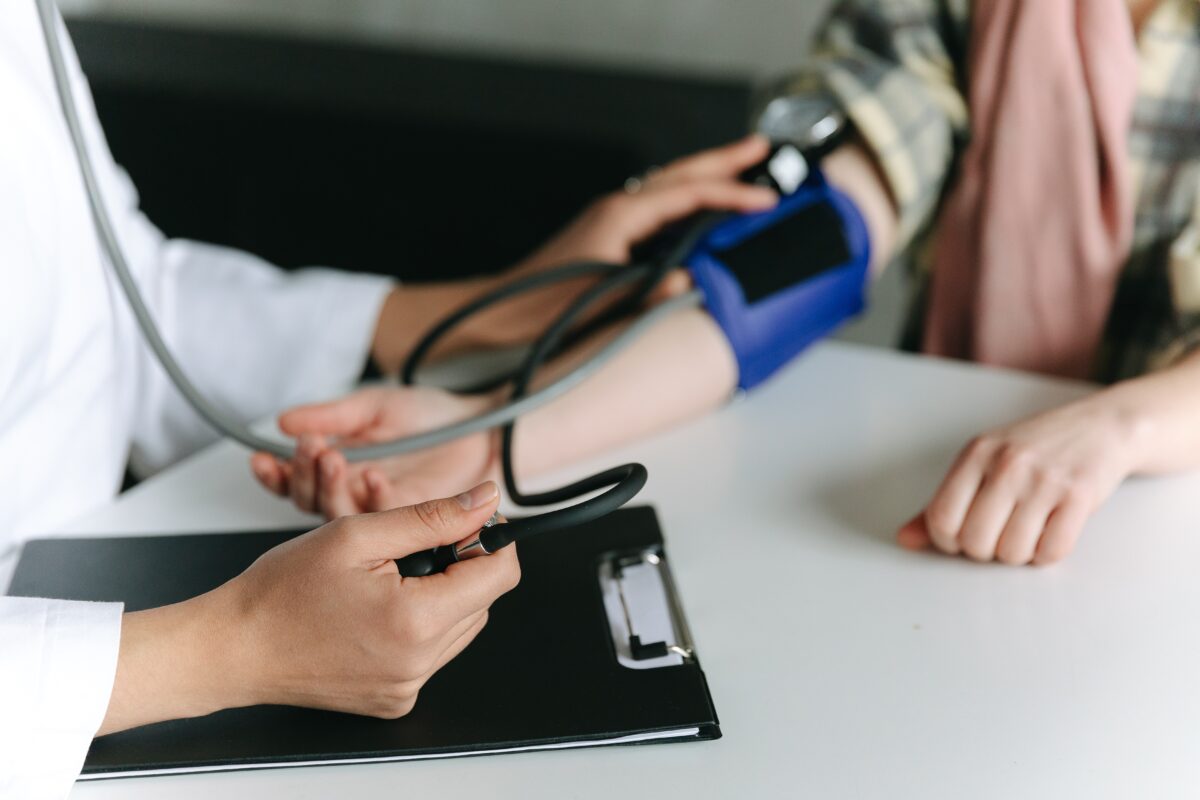
  6. Monitor blood pressure and cholesterol: Regularly check your blood pressure and cholesterol levels. High blood pressure and elevated cholesterol can strain the heart and blood vessels, increasing the risk of cardiovascular disease. If levels are high, work with a healthcare professional to manage them.
  7. Maintain a healthy weight: Achieving and maintaining a healthy weight is essential for cardiovascular health. Excess weight, especially around the abdominal area, can contribute to conditions like diabetes and hypertension. Adopt a balanced diet and engage in regular physical activity to manage your weight.
  8. Prioritize sleep: Quality sleep is crucial for overall health, including cardiovascular health. Aim for 7-9 hours of restful sleep each night. Poor sleep can lead to obesity, high blood pressure, and other risk factors for heart disease.
  9. Regular health check-ups: Schedule routine check-ups with a healthcare provider. Regular assessments can help identify potential cardiovascular risks early on, allowing for timely interventions and preventive measures.
  10. Know your family history: A family history of cardiovascular disease can increase your risk. Be aware of your family’s health history and share this information with your healthcare provider to determine appropriate preventive strategies.

Taking proactive steps to maintain cardiovascular health can significantly reduce the risk of heart disease and related complications. By adopting a heart-healthy lifestyle, making informed dietary choices, staying physically active, managing stress, and avoiding harmful habits, you can promote the well-being of your cardiovascular system and enjoy a healthier life. Always consult with a medical professional before making significant changes to your lifestyle, especially if you have pre-existing health conditions.

Understanding the basics of human anatomy

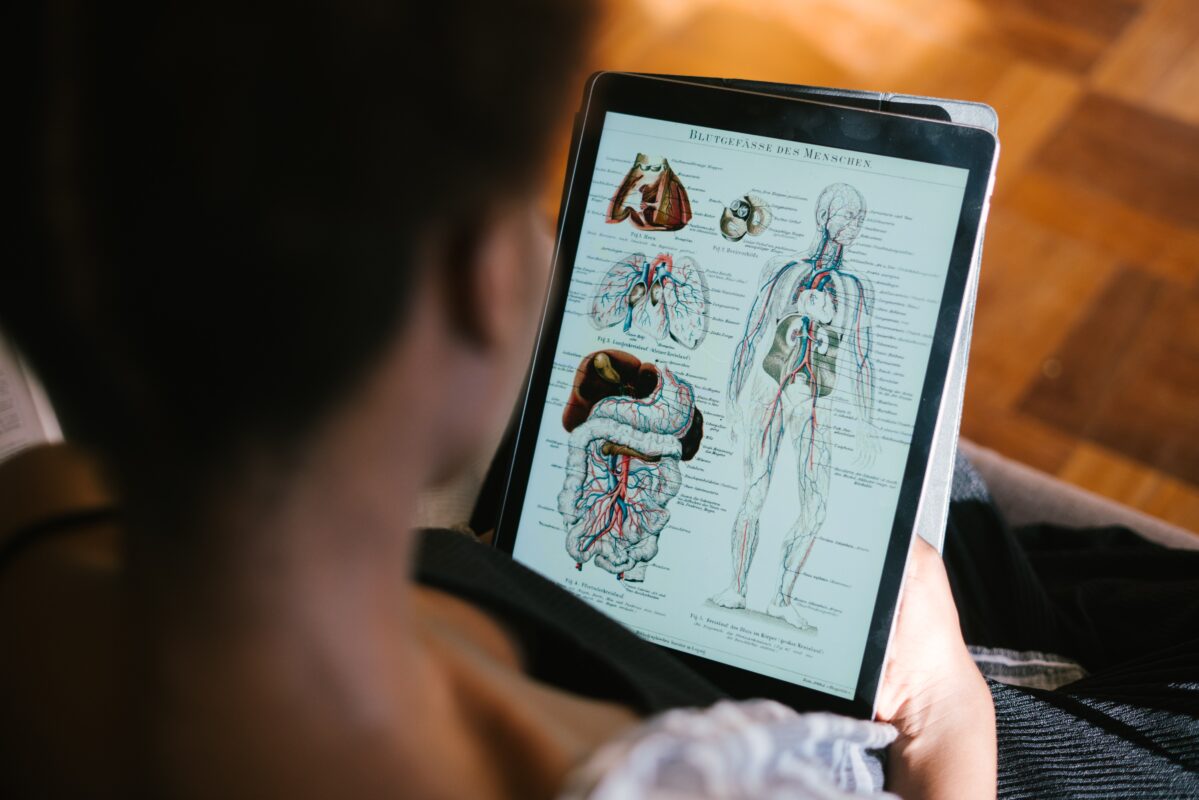
The human body is a remarkable and intricate biological marvel. Understanding its structure is essential not only for medical professionals but for anyone curious about how our bodies function and interact with the world around us. Human anatomy is the study of the structure of the human body, and it forms the foundation for various medical disciplines, from surgery to physiology. In this article, we will delve into the basics of human anatomy, exploring its systems, organs, and terminology.

An Overview of Human Body Systems

The human body can be divided into several systems, each with its unique functions and components. Here are some of the major systems:

  1. Skeletal System: The skeletal system provides the framework for the body, supporting and protecting organs. It comprises bones, joints, and cartilage.
  2. Muscular System: Muscles enable movement and help maintain posture. There are three types of muscles: skeletal, smooth, and cardiac.
  3. Nervous System: This system coordinates body activities by transmitting signals between different parts of the body. It consists of the brain, spinal cord, and nerves.
  4. Circulatory System: The circulatory system, also known as the cardiovascular system, transports blood and nutrients throughout the body. The heart, blood vessels, and blood itself are key components.
  5. Respiratory System: This system is responsible for exchanging gases, oxygen, and carbon dioxide between the body and the environment. It includes the lungs and airways.
  6. Digestive System: Digestion involves breaking down food into nutrients for absorption. The digestive system includes the stomach, intestines, liver, and pancreas.
  7. Endocrine System: The endocrine system regulates body functions through the release of hormones. Major glands include the pituitary, thyroid, and adrenal glands.
  8. Reproductive System: Responsible for reproduction, this system differs between males and females. It includes structures like the ovaries, testes, uterus, and penis.
  9. Urinary System: The urinary system removes waste products from the body and maintains electrolyte balance. It consists of the kidneys, ureters, bladder, and urethra.

Key Organs and Their Functions

Several vital organs perform specific functions critical to human survival and well-being:

  1. Brain: The command center of the nervous system, responsible for thoughts, emotions, and bodily functions.
  2. Heart: A muscular organ that pumps blood throughout the body, supplying oxygen and nutrients.
  3. Lungs: Organs responsible for breathing, where oxygen is taken in and carbon dioxide is expelled.
  4. Liver: The liver detoxifies the blood, produces bile for digestion, and stores nutrients.
  5. Stomach: This muscular organ processes food, secreting enzymes and acids to break down nutrients.
  6. Kidneys: These filter blood, removing waste and excess fluids to produce urine.
  7. Pancreas: The pancreas produces digestive enzymes and regulates blood sugar levels through insulin and glucagon.

Anatomical Terminology

To communicate effectively about human anatomy, a standardized set of terms is used:

  1. Anatomical Position: The body is erect, with arms at the sides and palms facing forward.
  2. Anterior and Posterior: Anterior refers to the front side of the body, while posterior refers to the back side.
  3. Superior and Inferior: Superior means above, and inferior means below. For example, the head is superior to the neck.
  4. Proximal and Distal: Proximal refers to being closer to the trunk, while distal means farther away. These terms are often used for limbs.
  5. Medial and Lateral: Medial denotes being closer to the midline of the body, while lateral means farther away from the midline.

Conclusion

Understanding the basics of human anatomy is an essential aspect of comprehending how our bodies function and interact with the environment. Whether you are pursuing a career in medicine, biology, or simply have a curious mind, delving into the intricacies of the skeletal, muscular, circulatory, and other systems can be both enlightening and awe-inspiring. The human body’s complexity showcases the marvels of nature and the interdependence of its various components.

Advancements in HIV treatment and prevention strategies

The human immunodeficiency virus (HIV) has been a global health challenge for decades, affecting millions of lives and prompting relentless efforts to find effective treatment and prevention strategies. The field of HIV research has witnessed remarkable progress, leading to transformative advancements in both treatment options and prevention methods. In this article, we delve into the groundbreaking developments that have revolutionized HIV management and prevention.

HIV treatment advancements,

  1. Antiretroviral therapy (ART): The introduction of antiretroviral therapy marked a significant turning point in HIV treatment. ART involves combining multiple drugs that target different stages of the HIV life cycle, effectively suppressing viral replication and slowing disease progression. Newer generations of antiretroviral drugs are more potent, have fewer side effects, and offer improved convenience with once-daily dosing.
  2. Treatment as prevention (TasP): Research has confirmed that individuals with undetectable viral loads due to successful ART are highly unlikely to transmit HIV to their partners. This concept, known as “Undetectable = Untransmittable” (U=U), not only improves the quality of life for people living with HIV but also contributes significantly to HIV prevention efforts.
  3. Long-acting therapies: Traditional ART requires daily pill regimens, which can pose adherence challenges. Recent advancements include the development of long-acting injectable formulations that require administration every few weeks or months. These long-acting therapies enhance convenience and adherence, reducing the risk of treatment failure.
  4. Gene editing and functional cure research: While a complete cure for HIV remains elusive, gene editing technologies like CRISPR-Cas9 have shown promise in modifying immune cells to be resistant to HIV infection. Additionally, research is ongoing to identify individuals with natural immunity to HIV, offering insights into potential functional cures.

Prevention strategies,

  1. Pre-exposure prophylaxis (PrEP): PrEP involves the use of antiretroviral drugs by individuals at high risk of HIV infection to prevent transmission. When taken consistently, PrEP has proven highly effective in reducing the risk of HIV acquisition. New formulations, such as long-acting injectable PrEP, offer extended protection and eliminate the need for daily pill-taking.
  2. Post-exposure prophylaxis (PEP): PEP involves taking antiretroviral drugs after potential exposure to HIV to prevent infection. Rapid initiation of PEP after high-risk exposure has shown effectiveness in preventing HIV transmission.
  3. Microbicides and vaginal rings: Research into microbicides—topical substances that can inhibit HIV transmission—has led to the development of vaginal rings that release antiretroviral drugs over time. These rings empower women with a discreet and user-controlled prevention option.
  4. Vaccine development: Developing an effective HIV vaccine has been a formidable challenge due to the virus’s ability to rapidly mutate. However, recent vaccine candidates have shown promising results in clinical trials, renewing hope for a preventive vaccine.

Combination approaches and global impact

Advancements in HIV treatment and prevention are often most impactful when combined. Comprehensive approaches, such as combining TasP, PrEP, and behavioral interventions, have the potential to significantly reduce HIV transmission rates. Additionally, the global effort to increase access to these advancements has led to notable progress in reducing new HIV infections and improving the lives of those affected by the virus.

The strides made in HIV treatment and prevention over the years have transformed what was once considered a death sentence into a manageable chronic condition. With continued research, innovation, and global collaboration, the goal of achieving an AIDS-free world remains within reach. As advancements continue to unfold, individuals living with HIV can look forward to improved treatment options and a future with reduced stigma and discrimination. Additionally, enhanced prevention strategies offer hope for curbing the spread of HIV and ultimately achieving a world where HIV is no longer a public health crisis.

The role of gut microbiota in autoimmune skin disorders

The gut microbiota refers to the diverse community of microorganisms that inhabit the gastrointestinal tract. These microorganisms play a pivotal role in various bodily functions, including digestion, metabolism, and immune system regulation. Growing evidence suggests that the gut microbiota also exerts a profound influence on the skin and its immune responses.

  1. Immune system regulation: The gut microbiota is intricately linked to the immune system’s development and function. An imbalance in the gut microbiome, known as dysbiosis, can trigger immune system dysfunction. This dysregulation can lead to an overactive immune response, contributing to the development of autoimmune skin disorders.
  2. Inflammation: Dysbiosis can promote chronic inflammation in the body, which is a hallmark of many autoimmune skin conditions. The gut-skin axis describes the bidirectional communication between the gut and the skin. Inflammatory signals originating in the gut can travel to the skin, exacerbating inflammation and contributing to skin disorders.
  3. Barrier function: The gut plays a crucial role in maintaining the body’s barrier function, which prevents harmful substances from entering the bloodstream. A compromised gut barrier can allow toxins and pathogens to enter circulation, potentially triggering immune responses that affect the skin.

Research insights and potential interventions

Studies have shown distinct differences in the gut microbiota composition of individuals with autoimmune skin disorders compared to healthy individuals. This has led to investigations into using interventions that target the gut microbiome to manage skin conditions.

  1. Probiotics and prebiotics: Probiotics are live microorganisms that can confer health benefits when consumed in adequate amounts. Prebiotics are compounds that promote the growth of beneficial gut bacteria. These interventions have shown promise in modulating immune responses and reducing inflammation, potentially alleviating symptoms of autoimmune skin disorders.
  2. Dietary modifications: Certain diets, such as those rich in fiber and plant-based foods, are associated with a more diverse and balanced gut microbiome. Modifying one’s diet to support a healthy gut can indirectly influence skin health.
  3. Fecal microbiota transplant (FMT): FMT involves transferring fecal matter from a healthy donor to a recipient’s gut. While primarily used to treat gastrointestinal conditions, FMT’s potential role in modulating immune responses makes it an intriguing avenue for managing autoimmune skin disorders.

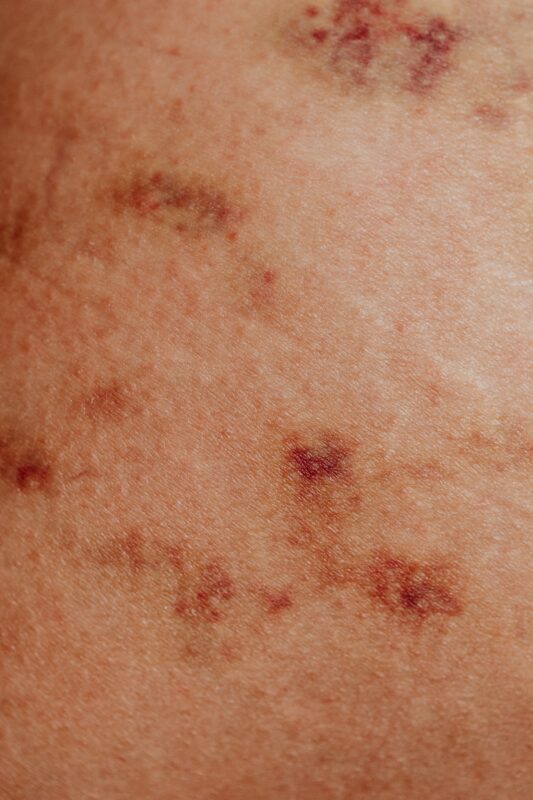
The emerging understanding of the gut-skin axis and the role of gut microbiota in autoimmune skin disorders has opened new avenues for research and treatment. While much remains to be elucidated, the connection between the gut and skin highlights the interconnectedness of various systems within the body. As science advances, harnessing the potential of the gut microbiome may provide novel therapeutic strategies for individuals struggling with autoimmune skin conditions, offering hope for improved quality of life and symptom management.

Emerging trends in tissue engineering for organ regeneration

The field of tissue engineering has experienced remarkable growth over the past few decades, offering unprecedented hope for those in need of organ transplantation. With the shortage of donor organs and the challenges of immune rejection, researchers are turning to innovative tissue engineering techniques to develop functional replacement organs. In this article, we will explore the exciting emerging trends in tissue engineering that are shaping the future of organ regeneration.

1. Bioink and 3D Bioprinting: One of the most promising trends in tissue engineering is the advent of bioinks and 3D bioprinting technology. Bioinks are materials that can be loaded with living cells and printed layer by layer to create intricate structures. This technology allows researchers to create customized and complex organ-like structures with precise cellular arrangement. From skin to blood vessels and even heart tissue, bioprinting is paving the way for organ regeneration on a previously unimaginable scale.

2. Decellularization and Recellularization: Decellularization involves removing cellular content from donor organs, leaving behind a scaffold composed of the extracellular matrix. This scaffold can then be recellularized with patient-specific cells to create functional organs. This trend has shown promise in organs like the heart, kidney, and liver. By using the patient’s own cells, the risk of immune rejection is minimized, making these regenerated organs potentially viable alternatives to traditional transplantation.

3. Organoids and Miniature Organs: Organoids are simplified, three-dimensional structures that mimic the characteristics of organs. These miniature organs are typically grown from stem cells and provide a platform for studying disease progression, drug testing, and personalized medicine. While not fully functional replacement organs, organoids offer valuable insights into organ development and function, paving the way for more advanced tissue engineering approaches.

4. Biomaterial Advances: The development of novel biomaterials is a crucial trend in tissue engineering. These materials provide the scaffolding necessary for cells to adhere, proliferate, and differentiate into functional tissue. Advances in biomaterial science have led to the creation of materials that closely mimic the native extracellular matrix, enhancing cell attachment and tissue integration. These biomaterials play a critical role in the success of engineered organs.

5. Organ-on-a-Chip Technology: Organ-on-a-chip technology involves creating microfluidic devices that replicate the structure and function of organs on a small scale. These devices allow researchers to study the effects of drugs, toxins, and diseases on specific organs in a controlled environment. Organ-on-a-chip platforms provide valuable insights into organ behavior, aiding in the design and optimization of tissue-engineered organs.

6. Gene Editing and CRISPR Technology: The emergence of gene editing techniques, particularly CRISPR-Cas9, has revolutionized tissue engineering. Researchers can now modify the genetic makeup of cells to enhance their regenerative potential and ensure compatibility with the host. This technology holds promise for developing engineered tissues that can better integrate with the recipient’s body and function optimally.

In conclusion, the landscape of tissue engineering for organ regeneration is rapidly evolving, driven by innovative technologies and a growing understanding of cellular biology. These emerging trends offer new possibilities for addressing the critical shortage of donor organs and improving the lives of individuals awaiting transplantation. While challenges remain, the strides made in bioink printing, biomaterial design, and organoid development hold the potential to reshape the future of medicine and redefine what is possible in the realm of organ regeneration.

Advancements in non-invasive brain stimulation techniques

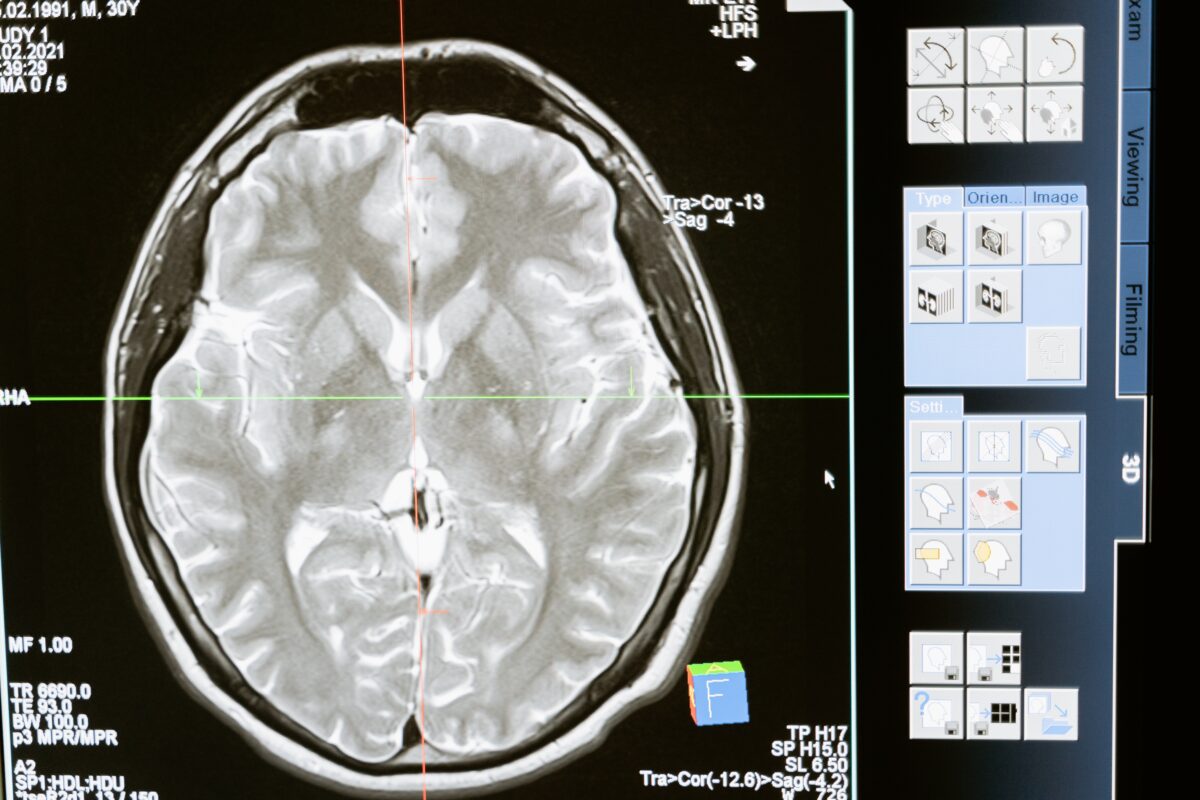
The realm of neuroscience has witnessed remarkable progress in recent years, particularly in the domain of non-invasive brain stimulation techniques. These cutting-edge methods are transforming our understanding of the brain’s intricate workings and opening doors to new possibilities in various fields, from mental health treatment to cognitive enhancement. In this article, we will delve into some of the noteworthy advancements that have taken place in non-invasive brain stimulation.

  • Transcranial Magnetic Stimulation (TMS): TMS has emerged as a game-changer in non-invasive brain stimulation. This technique involves generating magnetic fields that penetrate the skull and induce electrical currents in targeted regions of the brain. TMS has shown promise in treating conditions like depression and anxiety, and ongoing research is exploring its potential in addressing neurological disorders such as Parkinson’s disease and schizophrenia.
  • Transcranial Direct Current Stimulation (tDCS): tDCS is another technique garnering attention for its versatility and potential. By applying a low electrical current to the scalp, tDCS modulates neuronal activity. It has been investigated for its role in enhancing learning and memory, managing chronic pain, and even rehabilitating stroke patients. While more studies are needed, tDCS offers a non-invasive way to influence brain function.
  • Focused Ultrasound: Focused ultrasound takes non-invasive brain stimulation to a new level by using ultrasound waves to target specific brain areas. This technique can temporarily disrupt the blood-brain barrier, enabling targeted drug delivery to treat conditions like Alzheimer’s. Additionally, focused ultrasound shows promise in modulating neural circuits and has implications for treating movement disorders.
  • Optogenetics: Although still in its nascent stages, optogenetics holds immense potential for non-invasive brain stimulation. This innovative technique involves genetically modifying neurons to respond to light, allowing researchers to control neural activity with unprecedented precision. While its application in humans is limited due to genetic modification requirements, optogenetics offers insights into fundamental brain processes.
  • Functional Near-Infrared Spectroscopy (fNIRS): fNIRS is a non-invasive imaging technique that measures changes in blood oxygenation levels in the brain. By monitoring these changes, researchers can infer brain activity in real-time. fNIRS holds promise for various applications, including cognitive assessment, neurofeedback, and aiding in the rehabilitation of individuals with brain injuries.
  • Electroencephalography (EEG): EEG is a well-established non-invasive technique that records electrical activity from the scalp’s surface. Recent advancements have led to the development of wearable EEG devices, enabling continuous monitoring of brain activity in various settings. These devices have potential applications in brain-computer interfaces, sleep monitoring, and mental state assessment.

The field of non-invasive brain stimulation techniques is experiencing a rapid evolution, driven by advances in technology and a deeper understanding of the brain’s intricacies. These techniques offer new avenues for investigating brain function, treating neurological disorders, and enhancing cognitive abilities. As research continues to unfold, it’s likely that we will witness even more groundbreaking discoveries, further expanding the horizons of neuroscience and its potential to improve human well-being.

Bioprinting human organs: challenges and progress

The field of bioprinting has captured the imagination of scientists, healthcare professionals, and the general public alike, promising to revolutionize medicine by creating functional human organs through additive manufacturing techniques. while the concept of bioprinting holds immense potential to address organ shortages and transform transplantation, it also presents complex challenges that require innovative solutions. this article explores the challenges and progress in bioprinting human organs:

  • the organ shortage dilemma: the shortage of viable organs for transplantation is a global healthcare crisis. bioprinting offers a potential solution by enabling the creation of organs on demand using a patient’s own cells, reducing the reliance on donor organs.
  • complexity of organs: human organs are intricate structures composed of multiple cell types, intricate vasculature, and intricate architectures. reproducing this complexity through bioprinting remains a formidable challenge that requires advanced techniques and materials.
  • suitable biomaterials: bioprinting necessitates the development of biomaterials that mimic the extracellular matrix (ECM) of different organs. finding materials that are biocompatible, support cell growth, and possess the mechanical properties required for organ function is crucial.
  • cell sourcing and compatibility: obtaining a sufficient number of viable cells for bioprinting is a hurdle. cells must also be compatible with the patient’s immune system to prevent rejection. induced pluripotent stem cells (iPSCs) hold promise as a source of patient-specific cells.
  • vascularization challenges: creating functional blood vessels within bioprinted organs is essential for nutrient and oxygen supply. developing methods to integrate vasculature that can support perfusion and mimic the intricate networks in native organs is a complex task.
  • tissue maturation: bioprinted organs often lack the functional maturity of native tissues. ensuring that the printed tissues develop the necessary cellular organization, functionality, and response to physiological cues is a critical step.
  • bioreactor systems: to achieve tissue maturation and proper organ function, bioreactor systems are required to provide the necessary mechanical, chemical, and physical cues for cell growth and differentiation.
  • ethical considerations: the creation of bioprinted organs raises ethical concerns surrounding consent, ownership, and the potential blurring of lines between human and artificial entities.
  • regulatory approvals: the path to introducing bioprinted organs into clinical practice involves navigating complex regulatory pathways to ensure safety, efficacy, and long-term viability.
  • success stories: despite the challenges, significant progress has been made. researchers have bioprinted tissues like skin, cartilage, and blood vessels. some experimental bioprinted organs have been successfully implanted into animals, demonstrating proof of concept.
  • collaboration and interdisciplinary research: addressing the challenges of bioprinting requires collaboration between biologists, engineers, materials scientists, and medical professionals. interdisciplinary efforts can lead to innovative solutions that bridge the gap between technology and biology.
  • personalized medicine: bioprinting holds the potential to provide patient-specific solutions, eliminating the need for immunosuppression and increasing the likelihood of successful organ transplantation.

While bioprinting human organs presents significant challenges, the progress made in recent years is promising. as researchers continue to refine techniques, materials, and bioreactor systems, the dream of producing functional, patient-specific organs becomes closer to reality. by addressing issues related to biomaterials, cell sourcing, vascularization, and tissue maturation, the field of bioprinting holds the potential to revolutionize organ transplantation, extend lifespans, and improve the quality of life for countless individuals.

Genetic predisposition to cardiovascular diseases: implications for prevention

Cardiovascular diseases (cvds), including conditions like heart disease and stroke, remain leading causes of global mortality. while lifestyle factors such as diet, exercise, and smoking play a significant role in cvd risk, emerging research underscores the influence of genetic predisposition. understanding the interplay between genetics and lifestyle can revolutionize prevention strategies, leading to more targeted and effective interventions. here, we delve into the implications of genetic predisposition to cvds for prevention efforts:

  • genetics and risk: scientific investigations have revealed that certain genetic variations can elevate an individual’s susceptibility to cvds. these genetic factors interact with lifestyle choices, environmental influences, and other genetic variants to collectively contribute to an individual’s overall risk.
  • polygenic risk scores (prs): polygenic risk scores amalgamate information from numerous genetic markers to predict an individual’s predisposition to cvds. prs offer a personalized risk assessment that considers a person’s unique genetic makeup, empowering both individuals and healthcare providers to make informed decisions.
  • early identification: genetic testing can identify individuals with a heightened genetic susceptibility to cvds, enabling targeted interventions even before symptoms manifest. early identification facilitates proactive measures to reduce risk factors and improve long-term cardiovascular health.
  • lifestyle modifications: while genetics influence cvd risk, lifestyle factors remain modifiable and influential. individuals with a genetic predisposition can adopt healthier habits, such as a balanced diet, regular exercise, stress management, and avoiding tobacco, to mitigate their genetic risk.
  • precision medicine: the marriage of genetic insights and healthcare, known as precision medicine, holds promise in cvd prevention. tailoring interventions based on an individual’s genetic predisposition allows for more precise and effective strategies, optimizing resources and outcomes.
  • patient education: genetic predisposition to cvds can serve as a powerful motivator for individuals to prioritize heart health. understanding one’s genetic risk can motivate people to take preventive action and engage in discussions with healthcare professionals.
  • pharmacogenomics: genetic testing can guide medication selection and dosages. pharmacogenomic insights ensure that individuals receive medications that are not only effective but also compatible with their genetic makeup, minimizing adverse effects.
  • public health strategies: knowledge of genetic predisposition can inform public health strategies, directing resources towards high-risk populations. this approach can potentially lead to more efficient allocation of preventive measures and healthcare resources.
  • ethical considerations: genetic information raises ethical concerns, including privacy, informed consent, and potential psychological impacts. integrating genetic testing into cvd prevention requires addressing these ethical considerations to ensure responsible and equitable implementation.
  • research and innovation: ongoing research into the genetic basis of cvds continues to unveil new insights. advancements in genomic technology and data analysis hold the potential to refine our understanding of genetic predisposition and its interactions with lifestyle factors.
  • long-term impact: integrating genetic information into cvd prevention can have long-term benefits, not only for the individual but also for families and future generations. breaking the cycle of cvd risk by addressing genetic predisposition can lead to healthier populations over time.
  • collaborative approach: successful implementation of genetic insights in cvd prevention requires collaboration among healthcare professionals, geneticists, policymakers, and patients. a multidisciplinary approach ensures that genetic information is translated into practical and effective strategies.

The emerging understanding of genetic predisposition to cardiovascular diseases offers a transformative perspective on prevention. by incorporating genetic insights into traditional risk assessment and preventive measures, healthcare providers can offer personalized interventions that align with an individual’s unique genetic makeup. while genetics contribute to cvd risk, they also present opportunities for early identification, informed decision-making, and targeted interventions that can lead to improved cardiovascular health and well-being for individuals and populations alike.

Ethical considerations in genetic testing and counseling

Genetic testing and counseling have transformed the landscape of healthcare, offering insights into an individual’s genetic makeup and predisposition to various conditions. while these advancements hold immense promise, they also raise complex ethical dilemmas that demand careful consideration. as technology continues to advance, the need to navigate these ethical considerations becomes increasingly important. here, we explore key points surrounding the ethical dimensions of genetic testing and counseling:

  1. informed consent: one of the fundamental ethical principles in genetic testing is informed consent. individuals must be provided with comprehensive and understandable information about the purpose, risks, benefits, and potential outcomes of the testing. ensuring that individuals fully comprehend the implications of genetic testing empowers them to make autonomous decisions about their genetic information.
  2. privacy and confidentiality: genetic information is deeply personal and sensitive. maintaining the privacy and confidentiality of genetic data is crucial to prevent discrimination, stigmatization, or misuse of this information. safeguards must be in place to protect individuals from potential harm resulting from the disclosure of genetic information.
  3. genetic discrimination: the fear of genetic discrimination, such as denial of insurance coverage or employment opportunities based on genetic predispositions, poses a significant ethical concern. laws like the Genetic Information Nondiscrimination Act (GINA) in the United States aim to protect individuals from such discriminatory practices.
  4. impact on family: genetic information not only affects the individual tested but also has implications for their family members. ethical considerations arise when disclosing information that could impact relatives’ health or well-being, especially if the individual tested does not want to share this information.
  5. pediatric testing: testing minors for genetic conditions raises unique ethical challenges. balancing the potential benefits of early intervention with the child’s right to autonomy and privacy requires careful deliberation.
  6. accessibility and equity: ensuring equitable access to genetic testing and counseling is essential. disparities in access based on factors like socioeconomic status or geographic location can exacerbate existing healthcare inequalities.
  7. pre- and post-test counseling: providing pre-test counseling allows individuals to understand the implications of genetic testing and make informed decisions. post-test counseling is equally crucial to interpret results, discuss emotional and medical implications, and provide appropriate support.
  8. incidental findings: during genetic testing, unexpected findings unrelated to the initial purpose may arise. determining whether and how to disclose such incidental findings involves ethical considerations, as they may have implications for the individual’s health and well-being.
  9. commercial genetic testing: direct-to-consumer genetic testing services offer convenience but raise concerns about the accuracy of results and the potential for misinterpretation. individuals might not receive the necessary counseling to fully understand the implications of their genetic data.
  10. cultural and religious perspectives: genetic testing and counseling may conflict with cultural or religious beliefs. healthcare providers must be sensitive to these perspectives and tailor their approach accordingly.
  11. research and consent: when genetic information is used for research purposes, ensuring that individuals’ consent covers potential future uses and benefits sharing is essential to uphold ethical standards.
  12. genetic counseling expertise: the ethical practice of genetic counseling requires healthcare professionals to possess the necessary skills, knowledge, and cultural competence to provide accurate information, support, and guidance to individuals making complex decisions based on their genetic information.

The ethical considerations in genetic testing and counseling are intricate and multifaceted. striking a balance between advancing medical knowledge, respecting individual autonomy, and protecting privacy is paramount. as the field continues to evolve, ongoing dialogue among healthcare professionals, ethicists, policymakers, and the public is vital to ensure that genetic testing and counseling uphold the highest ethical standards while maximizing the benefits for individuals and society as a whole.