
loader

Category: Uncategorized

  • Home
  • Category: Uncategorized

Harnessing the power of stem cells for tissue regeneration
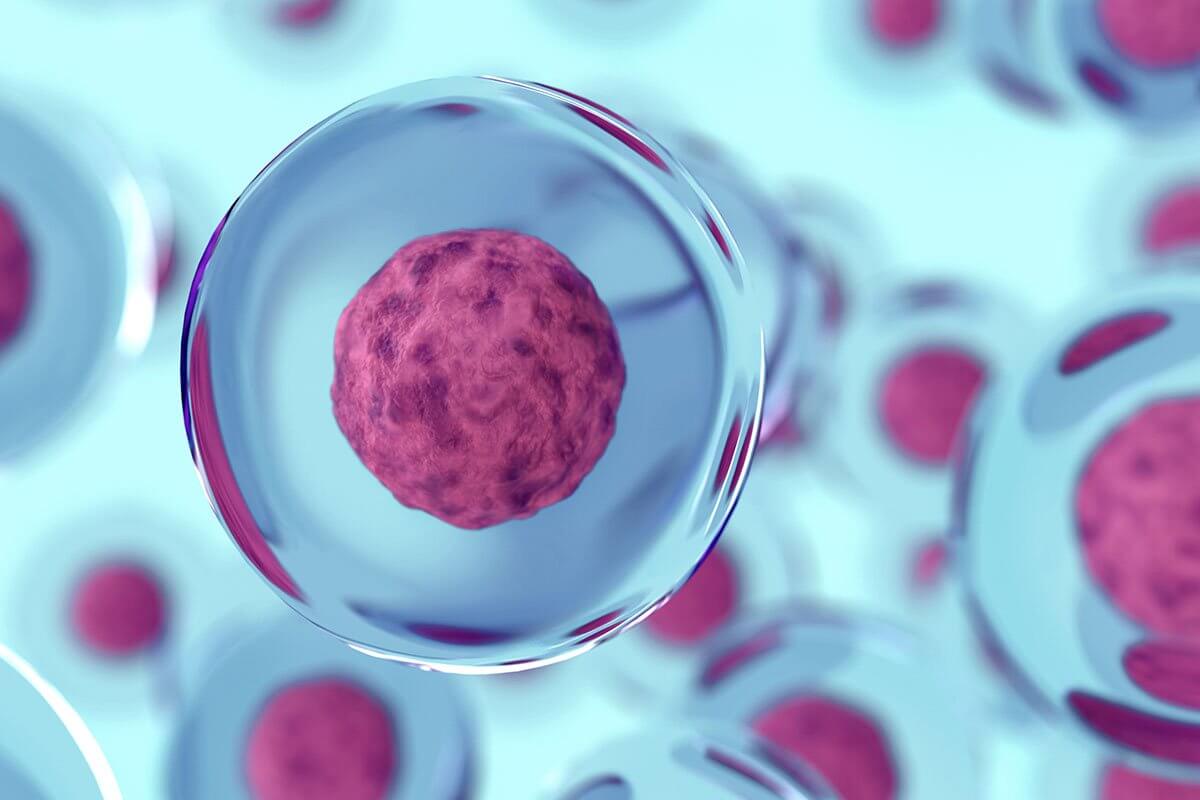
In recent years, the field of regenerative medicine has made remarkable strides, offering hope for patients with debilitating diseases and injuries that were once considered untreatable. Central to these advancements are stem cells, the versatile building blocks of life, with the unique ability to self-renew and differentiate into various cell types. Harnessing the regenerative potential of stem cells has opened new avenues for tissue repair and replacement, revolutionizing the way we approach medical treatments and offering promising solutions for a wide range of conditions. This article explores the fascinating world of stem cells and their application in tissue regeneration.

Understanding stem cells

Stem cells are undifferentiated cells that can transform into specialized cells with specific functions, such as nerve cells, muscle cells, blood cells, and more. They are found in various tissues and organs of the body and serve as a natural repair mechanism, replacing damaged or dying cells to maintain tissue homeostasis. There are two main types of stem cells:

  • Embryonics stem cells (ESCs): These stem cells are derived from the inner cell mass of a blastocyst, a structure formed a few days after fertilization in early human development. ESCs have the potential to differentiate into any cell type in the human body, making them highly valuable in research and regenerative medicine.
  • Adult (Somatic) stem cells: Also known as tissue-specific or somatic stem cells, these are found in specific organs and tissues throughout the body, such as bone marrow, skin, liver, and brain. While they have more limited differentiation potential compared to ESCs, they play a crucial role in maintaining tissue integrity and repair throughout an individual’s life.

Harnessing stem cells for rissue regeneration

The primary goal of utilizing stem cells in tissue regeneration is to replace damaged or diseased cells with healthy, functional ones, thereby restoring the tissue’s normal function. Scientists and medical researchers employ various approaches to harness the power of stem cells:

  • Transplantation: In certain cases, such as severe burns or blood-related disorders, adult stem cells, particularly hematopoietic stem cells from bone marrow or cord blood, are transplanted into patients to repopulate and replenish damaged tissues with healthy blood cells.
  • Tissue engineering: Tissue engineering combines stem cells with biomaterials to create functional tissues or organs outside the body, which can then be implanted into the patient. This approach is particularly promising for the regeneration of organs like the heart, liver, and kidneys.
  • Induced pluripotent stem cells (iPSCs): iPSCs are adult cells that have been reprogrammed to behave like embryonic stem cells. They offer a patient-specific and ethically uncontentious source of pluripotent stem cells for potential transplantation, drug testing, and disease modeling.
  • Gene therapy: Stem cells can be engineered to carry specific genes that enhance their regenerative capabilities. By modifying the genes of stem cells, researchers aim to promote their differentiation into the desired cell types or stimulate their growth and repair potential.

Current applications and challenges

Stem cell-based therapies have already shown promising results in various clinical trials and applications. For example:

  • Cardiac repair: Stem cells have been used to repair damaged heart tissue after a heart attack, improving heart function and patients’ quality of life.
  • Bone marrow transplants: Hematopoietic stem cell transplantation has become a standard treatment for many blood-related disorders, including leukemia and lymphoma.
  • Skin regeneration: Stem cells are being used to generate skin grafts for burn victims, promoting faster healing and reduced scarring.

Despite these advancements, several challenges remain in harnessing stem cells for tissue regeneration. Some of the key obstacles include:

  • Immune rejection: If stem cells are derived from a donor, the recipient’s immune system may recognize them as foreign and mount an immune response, leading to graft rejection.
  • Ethical concerns: The use of embryonic stem cells raises ethical issues due to the destruction of embryos during their extraction.
  • Tumorigenic risk: In certain situations, stem cells may form tumors if they continue to proliferate uncontrollably after transplantation.

Harnessing the potential of stem cells for tissue regeneration holds great promise for revolutionizing medicine and improving the lives of countless individuals suffering from injuries and chronic diseases. As research progresses and technology advances, we can expect to see more innovative and effective stem cell-based therapies emerge, offering hope for patients and pushing the boundaries of what is medically achievable. However, it is crucial to address ethical concerns and thoroughly understand the safety and long-term effects of these treatments to ensure responsible and beneficial application in regenerative medicine.

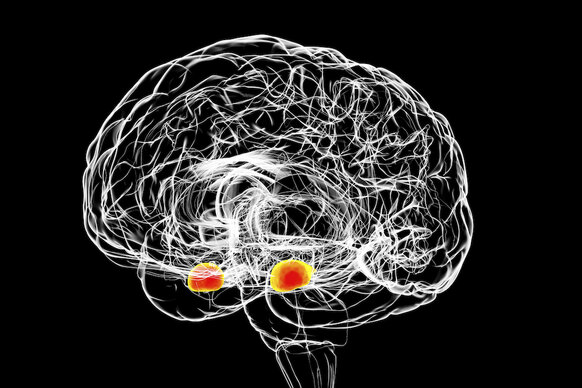
The gut-heart axis: interplay between gut microbiota and cardiovascular health

In recent years, scientific research has revealed a fascinating and intricate connection between the gut microbiota and cardiovascular health, giving rise to the concept of the “Gut-Heart Axis.” Traditionally, cardiovascular diseases (CVDs) were primarily associated with lifestyle factors like diet, exercise, and genetics. However, the gut microbiome, the complex ecosystem of microorganisms residing in the gastrointestinal tract, has emerged as a critical player in influencing heart health. This article delves into the interplay between gut microbiota and cardiovascular health, exploring how these tiny microbes can significantly impact the risk of developing heart diseases.

The gut microbiota and Its role:

The gut microbiota comprises trillions of bacteria, viruses, and fungi that play a pivotal role in digestion, immune regulation, and metabolism. The composition of the gut microbiome varies significantly from person to person, influenced by factors such as diet, age, geographical location, and antibiotic use. A healthy and diverse gut microbiota is essential for maintaining overall well-being, including cardiovascular health.

Influence on metabolism and inflammation:

One of the primary mechanisms through which gut microbiota impacts cardiovascular health is its role in modulating metabolism and inflammation. Certain gut bacteria are capable of fermenting dietary fibers, producing short-chain fatty acids (SCFAs) as byproducts. SCFAs have been associated with a reduced risk of CVD by regulating cholesterol metabolism and insulin sensitivity. Conversely, an imbalanced gut microbiota can lead to inflammation, a key driver of atherosclerosis, which is the buildup of plaque in the arteries.

The link between gut microbiota and cholesterol:

Cholesterol management is critical for maintaining cardiovascular health. Studies have shown that gut microbiota can influence cholesterol levels through the conversion of bile acids. Some gut bacteria have the ability to metabolize bile acids into secondary bile acids, which may have different effects on cholesterol metabolism. Dysbiosis, an imbalance in the gut microbiota, can lead to an altered bile acid profile, potentially impacting cholesterol levels and the development of CVD.

Blood pressure regulation and gut microbiota:

Another aspect of the Gut-Heart Axis is the relationship between gut microbiota and blood pressure regulation. Some gut microbes are capable of producing bioactive substances, such as nitric oxide and SCFAs, which are known to affect blood vessel dilation and blood pressure. An imbalance in gut bacteria may disturb this delicate balance, leading to hypertension, a significant risk factor for CVD.

Impact of diet on the gut-heart axis:

Diet plays a central role in shaping the gut microbiota and, consequently, cardiovascular health. Consuming a diet high in processed foods, saturated fats, and added sugars can promote the growth of harmful bacteria and reduce beneficial microbes. Conversely, a diet rich in fiber, fruits, vegetables, and fermented foods can foster a diverse and healthy gut microbiome, positively influencing heart health.

Potential therapeutic interventions:

Understanding the Gut-Heart Axis opens up promising avenues for therapeutic interventions. Probiotics and prebiotics, which are substances that promote the growth of beneficial gut bacteria, have shown potential in improving lipid profiles, reducing inflammation, and lowering blood pressure. Additionally, fecal microbiota transplantation, a procedure involving the transfer of healthy gut bacteria from a donor to a recipient, holds potential for restoring gut microbial balance in individuals with CVD.

The Gut-Heart Axis represents an exciting frontier in cardiovascular research, revealing the significant influence of the gut microbiota on heart health. As scientists continue to unravel the complexities of this interplay, there is growing hope for novel preventive and therapeutic strategies for managing cardiovascular diseases. Promoting a healthy gut microbiome through diet, lifestyle modifications, and potentially targeted interventions could be a promising approach to support cardiovascular health and reduce the burden of heart

Advancements in non-invasive brain stimulation for mental health disorders

Mental health disorders continue to be a significant global concern, affecting millions of people worldwide. The traditional treatment options for conditions like depression, anxiety, and schizophrenia often involve medication and therapy. However, recent advancements in neuroscience have led to innovative approaches to address mental health challenges. Non-invasive brain stimulation (NIBS) has emerged as a promising alternative treatment method that shows great potential in managing various mental health disorders. This article explores the recent advancements in non-invasive brain stimulation and its potential implications for mental health treatment.

Understanding Non-Invasive Brain Stimulation (NIBS)

Non-invasive brain stimulation techniques involve delivering controlled magnetic or electrical impulses to specific brain regions. The goal is to modulate brain activity, facilitating neural plasticity and encouraging the brain to rewire itself in a healthier manner. Unlike invasive procedures that require surgery, NIBS is safe and painless, making it an attractive option for patients seeking alternative treatments.

Two common types of NIBS are transcranial magnetic stimulation (TMS) and transcranial direct current stimulation (tDCS).

  • Transcranial Magnetic Stimulation (TMS): TMS employs magnetic fields to stimulate nerve cells in targeted brain regions. The procedure is usually performed by placing a magnetic coil against the patient’s scalp, which generates magnetic pulses. The magnetic pulses can penetrate the skull, non-invasively stimulating specific areas of the brain associated with mood regulation, anxiety, and other cognitive functions.
  • Transcranial Direct Current Stimulation (tDCS): tDCS involves passing a weak electric current through electrodes placed on the scalp. The electrical current modifies the resting membrane potential of neurons, affecting their firing rates and, consequently, the brain’s function. tDCS has the potential to increase or decrease neuronal excitability, depending on the polarity of the stimulation.

Applications of NIBS in Mental Health Disorders

  • Depression: One of the most extensively studied applications of NIBS is in treating depression. NIBS can target the dorsolateral prefrontal cortex (DLPFC), an area involved in mood regulation. Several clinical trials have shown promising results, with NIBS demonstrating effectiveness in reducing symptoms of depression, even in treatment-resistant cases.
  • Anxiety Disorders: NIBS also shows potential in managing anxiety disorders. By stimulating areas related to emotional regulation and fear processing, such as the amygdala and the prefrontal cortex, NIBS has shown promising results in reducing anxiety symptoms.
  • Schizophrenia: Research on the use of NIBS for schizophrenia is ongoing, but preliminary studies have indicated that stimulating certain brain regions might improve cognitive functions and reduce some symptoms associated with the disorder.
  • Post-Traumatic Stress Disorder (PTSD): NIBS has shown some potential in reducing symptoms of PTSD, particularly in addressing intrusive memories and emotional regulation.

Advancements and Challenges

Recent advancements in NIBS have primarily focused on refining stimulation protocols, individualizing treatment plans, and improving the accuracy of targeting specific brain regions. Additionally, researchers are exploring the potential of combining NIBS with other therapies, such as cognitive-behavioral therapy (CBT) or pharmacological treatments, to enhance the overall effectiveness of mental health interventions.

However, some challenges remain. The exact mechanisms by which NIBS influences brain activity and produces therapeutic effects are not yet fully understood. The variability in individual responses to NIBS treatments also poses a challenge, as some patients may show significant improvement while others experience minimal benefits.

Moreover, further research is needed to establish the long-term safety and efficacy of NIBS. While the procedure is generally considered safe, there may be some potential side effects, such as headaches or mild discomfort during stimulation.

Advancements in non-invasive brain stimulation have opened up new possibilities for treating mental health disorders. NIBS techniques, such as transcranial magnetic stimulation (TMS) and transcranial direct current stimulation (tDCS), hold great promise in effectively addressing conditions like depression, anxiety, schizophrenia, and post-traumatic stress disorder.

As the field of NIBS continues to evolve, it is crucial to conduct rigorous research to understand its mechanisms fully and identify the most appropriate protocols for different mental health disorders. By combining NIBS with other therapeutic approaches, medical professionals may be able to provide more personalized and effective treatments for individuals struggling with mental health challenges, improving their overall quality of life.

Antimicrobial resistance: a growing global threat

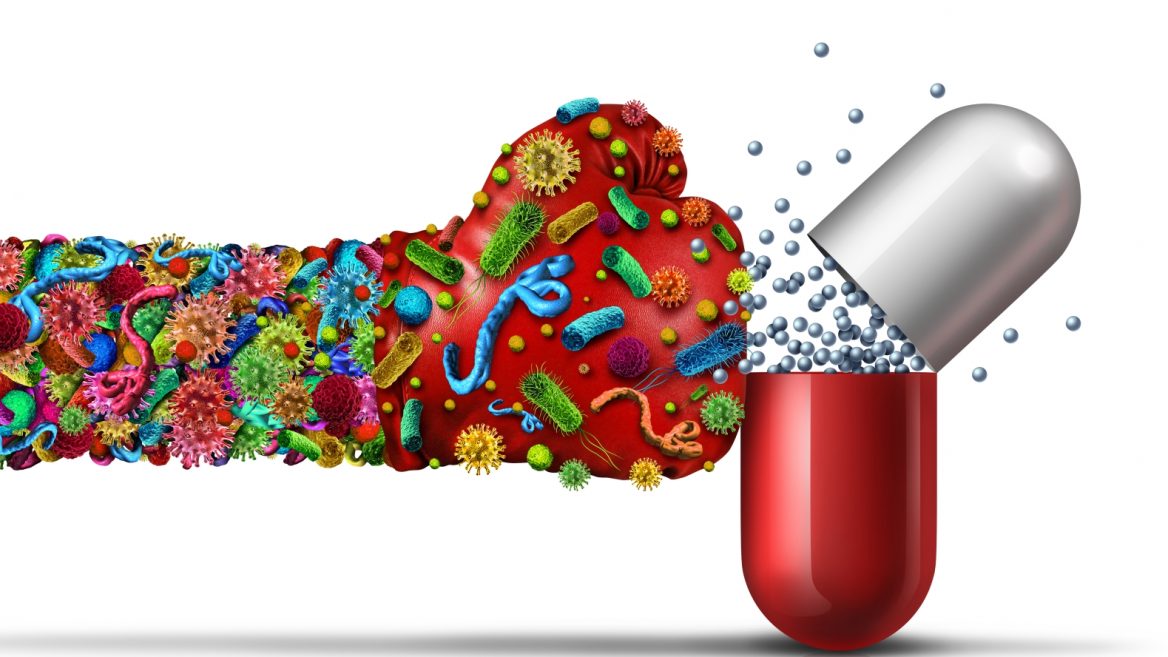
In recent years, the world has been facing a silent but deadly adversary: antimicrobial resistance (AMR). This emerging public health crisis threatens to render our most potent weapons against infectious diseases ineffective, putting millions of lives at risk and burdening healthcare systems worldwide. As the problem continues to escalate, it is crucial to understand the causes, implications, and potential solutions to combat this escalating global threat.

What is antimicrobial resistance?

Antimicrobial resistance refers to the ability of microorganisms, such as bacteria, viruses, fungi, and parasites, to evolve and adapt, rendering antimicrobial drugs, including antibiotics, antivirals, antifungals, and antiparasitics, ineffective. Over time, these microorganisms develop resistance to the drugs meant to control or eradicate them, making infections harder to treat and increasing the likelihood of severe, prolonged illnesses.

Causes of antimicrobial resistance:

  • Overuse and misuse of antimicrobials: One of the primary drivers of AMR is the inappropriate use of antimicrobial drugs in human and animal healthcare. Overprescription, self-medication, and the failure to complete prescribed treatment courses contribute to the development of drug-resistant microorganisms.
  • Agricultural practices: In the agricultural sector, antimicrobial agents are frequently used to promote growth and prevent diseases in livestock. The excessive use of antibiotics in agriculture leads to the development of drug-resistant bacteria that can transfer to humans through the food chain.
  • Poor infection prevention and control: Inadequate hygiene and sanitation practices in healthcare facilities facilitate the spread of drug-resistant infections. Infections can also spread rapidly in overcrowded and unsanitary living conditions, making it challenging to contain outbreaks.

Implications of AMR:

The consequences of antimicrobial resistance are far-reaching and profound, affecting individuals, communities, and the global community as a whole:

  • Increased mortality: Drug-resistant infections are more challenging to treat, leading to higher mortality rates for those affected. Common infections that were once easily curable may become life-threatening.
  • Prolonged illnesses: With dwindling effective treatment options, individuals with drug-resistant infections may experience more extended periods of illness, resulting in increased suffering and economic burden.
  • Healthcare system strain: AMR places an enormous strain on healthcare systems, as the need for more extensive, expensive treatments escalates. This burden can lead to reduced access to healthcare for vulnerable populations.
  • Economic impact: The economic impact of AMR is substantial, with increased healthcare costs, reduced productivity, and potential disruptions to sectors like agriculture and tourism.
  • Threat to modern medicine: Antimicrobial resistance jeopardizes the advances of modern medicine, including surgeries, cancer treatments, and organ transplants, which heavily rely on effective antibiotics to prevent and treat infections.

Addressing the crisis:

To combat antimicrobial resistance effectively, a multi-faceted approach is required:

  • Strengthening surveillance: Surveillance systems must be enhanced to monitor the prevalence of drug-resistant infections and identify emerging patterns early on. This data can help guide healthcare practices and policymaking.
  • Rational use of antimicrobials: Healthcare professionals and patients must be educated about the appropriate use of antimicrobial drugs. Promoting responsible prescribing and adherence to treatment plans can help mitigate the development of resistance.
  • Investment in research and development: Increased funding for research into new antimicrobial drugs and alternative therapies is vital to stay ahead of evolving drug-resistant microorganisms.
  • Improved infection prevention and control: Enhancing hygiene practices in healthcare settings and promoting public awareness of proper hygiene can limit the spread of infections and reduce the need for antimicrobial treatment.
  • International collaboration: Antimicrobial resistance is a global issue that requires coordinated efforts among nations. International cooperation in surveillance, research, and policy development is crucial to effectively address this threat.

Antimicrobial resistance is a growing global threat that demands immediate and sustained action. Without concerted efforts to address the underlying causes and implement effective strategies, we risk returning to a pre-antibiotic era, where once manageable infections become deadly. Governments, healthcare systems, industries, and individuals must work together to preserve the effectiveness of antimicrobial drugs and safeguard the health of present and future generations. Only through collective action can we hope to avert this impending public health catastrophe.

The potential of RNA-based therapeutics in treating genetic diseases

Genetic diseases have long posed significant challenges to medical science due to their underlying genetic mutations that cause various disorders. Conventional treatments often focus on managing symptoms rather than addressing the root cause. However, the emergence of RNA-based therapeutics has ushered in a new era of hope for patients with genetic diseases. RNA-based therapies target the genetic material responsible for the disease, offering the potential for precise and personalized treatments. In this article, we explore the revolutionary potential of RNA-based therapeutics in treating genetic diseases.

Understanding RNA-based therapeutics

RNA-based therapeutics leverage the essential role of ribonucleic acid (RNA) in the cell to modify or regulate gene expression. RNA acts as an intermediate between DNA and proteins, serving as a template for protein synthesis. There are various types of RNA-based therapies, including messenger RNA (mRNA), small interfering RNA (siRNA), antisense oligonucleotides (ASOs), and RNA interference (RNAi) therapies.

  • Messenger RNA (mRNA) Therapies: mRNA therapies deliver synthetic mRNA molecules into the cells, instructing them to produce specific proteins. By providing cells with the correct genetic instructions, mRNA therapies can correct or replace faulty proteins associated with genetic diseases.
  • Small interfering RNA (siRNA) therapies: siRNA therapies target and degrade specific RNA sequences involved in disease-causing genes, preventing the production of harmful proteins. This approach effectively “silences” the expression of disease-causing genes.
  • Antisense oligonucleotides (ASOs): ASOs are short segments of synthetic DNA or RNA that bind to complementary mRNA sequences, blocking their translation or promoting their degradation. ASOs can target specific genes or RNA transcripts, regulating gene expression.
  • RNA interference (RNAi) Therapies: RNAi therapies mimic the body’s natural RNAi mechanism to silence specific genes. Double-stranded RNA molecules are used to trigger the degradation of targeted mRNA, thereby reducing the production of disease-causing proteins.

Targeting genetic diseases

RNA-based therapeutics have shown immense promise in targeting a wide range of genetic diseases, including rare monogenic disorders, neurodegenerative diseases, and various forms of cancer. By addressing the genetic basis of these conditions, RNA-based therapies offer the potential for more effective and precise treatments.

  • Monogenic disorders: Monogenic disorders result from mutations in a single gene. RNA-based therapies can specifically target the mutated gene, either by replacing it with the correct version or by suppressing its expression, thus correcting the underlying genetic defect.
  • Neurodegenerative diseases: Many neurodegenerative diseases, such as Alzheimer’s and Parkinson’s, are caused by the abnormal accumulation of specific proteins in the brain. RNA-based therapies can interfere with the production of these harmful proteins, potentially slowing or halting disease progression.
  • Cancer: Cancer often arises due to genetic alterations that promote uncontrolled cell growth. RNA-based therapies can target oncogenes (cancer-promoting genes) or support tumor-suppressor genes to restore normal cell regulation, providing a novel approach to cancer treatment.

Challenges and advancements

While RNA-based therapeutics hold immense potential, several challenges must be addressed to ensure their widespread success:

  • Delivery: Getting RNA molecules into target cells and tissues efficiently remains a significant hurdle. Researchers are exploring various delivery methods, such as lipid nanoparticles and viral vectors, to improve the delivery and stability of RNA-based therapeutics.
  • Off-Target Effects: Ensuring that RNA-based therapies only target the intended genes without affecting other essential genes is crucial. Advanced design strategies and careful testing are essential to minimize off-target effects.
  • Immunogenicity: The body’s immune response to foreign RNA molecules can limit the effectiveness of RNA-based therapies. Ongoing research aims to develop modified RNA sequences that are less likely to trigger immune reactions.

Despite these challenges, remarkable progress has been made in the field of RNA-based therapeutics. The development of the first FDA-approved mRNA vaccine against infectious diseases demonstrated the feasibility and potential of this approach. As technology and understanding continue to advance, the possibilities for treating genetic diseases with RNA-based therapies are becoming increasingly promising.

RNA-based therapeutics represent a groundbreaking approach to treating genetic diseases, offering hope for patients with conditions that were once considered incurable. By precisely targeting the genetic material responsible for the disease, RNA-based therapies have the potential to correct genetic defects, halt disease progression, and improve the lives of millions worldwide. As research and innovation in this field continue to flourish, RNA-based therapeutics hold the promise of revolutionizing modern medicine and ushering in a new era of personalized and precise treatments for genetic diseases.

Exploring the role of gut microbiota in allergic conditions

In recent years, research on the gut microbiota has unraveled its intricate connection with various aspects of human health. Among the fascinating discoveries is the significant influence of gut microbes on the immune system, leading scientists to investigate the role of gut microbiota in allergic conditions. Allergies, including asthma, eczema, and hay fever, have been on the rise in many parts of the world, and understanding the link between gut bacteria and allergic conditions may pave the way for innovative therapies and preventive measures. In this article, we delve into the emerging field of gut microbiota and its potential impact on allergic diseases.

The gut microbiota: A complex ecosystem

The human gut is home to trillions of microorganisms, collectively known as the gut microbiota. This ecosystem consists of various bacteria, viruses, fungi, and archaea that coexist in harmony, playing critical roles in digestion, metabolism, and immune system development. The composition of gut microbiota is influenced by various factors, including diet, lifestyle, genetics, and early-life exposure to microbes.

The gut microbiota-immune system crosstalk

The gut microbiota and the immune system engage in constant communication through a complex network of interactions. The gut-associated lymphoid tissue (GALT), a crucial component of the immune system, resides in the gut and interacts closely with the gut microbiota. These interactions are vital in shaping the immune system’s response to both harmful pathogens and harmless substances, such as allergens.

The hygiene hypothesis and allergies

The hygiene hypothesis, proposed in the late 1980s, suggests that reduced exposure to infectious agents and microbes during early childhood might lead to an increased risk of developing allergic conditions later in life. This theory implies that a lack of exposure to diverse microorganisms early in life may result in an improperly developed immune system, leading to hypersensitivity to allergens.

Gut microbiota’s influence on allergic conditions

Emerging research has shed light on how the gut microbiota influences the development and severity of allergic conditions. Several studies have shown that the gut microbiota’s composition differs between individuals with allergies and those without. The presence or absence of specific bacterial strains in the gut has been associated with the likelihood of developing allergies.

  • Immune regulation: Gut microbes play a pivotal role in regulating the immune system, ensuring an appropriate response to allergens. Certain beneficial bacteria can promote the production of anti-inflammatory substances, while others may stimulate the production of regulatory T-cells, which help suppress allergic reactions.
  • Gut barrier function: The gut lining serves as a crucial barrier that prevents harmful substances, including allergens, from entering the bloodstream. A healthy gut microbiota contributes to maintaining the integrity of this barrier, reducing the risk of allergen exposure and subsequent allergic reactions.
  • Short-chain fatty acids (SCFAs): Gut microbes ferment dietary fibers, producing SCFAs as byproducts. SCFAs play a vital role in immune regulation and have been shown to mitigate allergic inflammation by influencing immune cells’ activity.
  • Allergen processing: Gut bacteria may directly interact with allergens, either degrading or modifying them. This interaction can impact how the immune system recognizes and responds to allergens, potentially influencing the development of allergies.

Potential therapeutic implications

The growing understanding of the gut microbiota’s impact on allergic conditions opens new avenues for therapeutic interventions. Probiotics, which are live beneficial bacteria, and prebiotics, which provide nourishment to beneficial gut bacteria, have been explored as potential treatments for allergies. By modulating the gut microbiota composition, these interventions aim to enhance immune regulation and reduce the risk of allergic reactions.

The exploration of the gut microbiota’s role in allergic conditions has provided valuable insights into the intricate relationship between the gut and the immune system. While much progress has been made, there is still much to learn about the specific mechanisms by which gut microbes influence allergic diseases. Nonetheless, the potential therapeutic implications are promising, offering hope for the development of novel treatments and preventive strategies for allergies. As we continue to delve into the fascinating world of gut microbiota, we may unlock the keys to better managing and understanding allergic conditions.

Nanomedicine: revolutionizing drug delivery systems

In the quest for more efficient and targeted drug delivery systems, the field of nanomedicine has emerged as a promising solution. Nanomedicine utilizes nanotechnology to design and deliver therapeutic agents at the nanoscale level, revolutionizing the way drugs interact with the body. This cutting-edge approach holds tremendous potential in enhancing drug efficacy, reducing side effects, and opening new avenues for personalized medicine. In this article, we delve into the world of nanomedicine and explore how it is reshaping drug delivery systems.

Understanding nanomedicine

Nanomedicine involves the design, fabrication, and application of nanoscale materials for medical purposes. At the nanoscale, materials exhibit unique physical, chemical, and biological properties that differ from their bulk counterparts. Researchers have harnessed these properties to develop novel drug delivery systems with enhanced capabilities. These systems encompass nanoparticles, liposomes, micelles, and dendrimers, among others, which act as carriers to transport drugs directly to their target sites.

Enhanced drug delivery

Traditional drug delivery methods often suffer from inefficient drug release and poor bioavailability, leading to high doses and potential side effects. Nanomedicine addresses these limitations by providing controlled and sustained drug release, resulting in reduced dosage and improved efficacy. By encapsulating drugs within nanoparticles, they remain shielded from premature degradation and clearance, allowing them to circulate for more extended periods and reach their target site with precision.

Targeted therapy

One of the most significant advantages of nanomedicine is its ability to achieve targeted therapy. Traditional drugs can affect both healthy and diseased tissues, leading to undesirable side effects. Nanoparticles can be engineered to recognize specific markers or receptors present on the surface of diseased cells, enabling precise drug delivery to the affected area while sparing healthy tissues. This targeted approach not only enhances drug efficacy but also reduces toxicity, making treatments more tolerable for patients.

Crossing biological barriers

Many drugs face challenges in crossing biological barriers such as the blood-brain barrier (BBB) or the blood-cancer barrier. These barriers protect vital organs but also impede the delivery of therapeutics. Nanomedicine offers a breakthrough in this area by exploiting the unique properties of nanomaterials to bypass these barriers. Nanoparticles can be engineered to carry drugs across these barriers, enabling treatments for previously inaccessible diseases like brain tumors or neurological disorders.

Personalized medicine

Nanomedicine has the potential to revolutionize personalized medicine by tailoring treatments to individual patients’ unique characteristics. Through advancements in nanotechnology, healthcare professionals can develop personalized drug delivery systems that take into account a patient’s genetic makeup, disease profile, and metabolism. This approach ensures more effective treatments, higher patient compliance, and reduced healthcare costs in the long run.

Combination therapies

Nanomedicine also enables combination therapies, where multiple drugs or therapeutic agents are delivered simultaneously within a single nanoparticle. This approach allows for synergistic effects, where drugs work together to enhance therapeutic outcomes. Additionally, combination therapies can help overcome drug resistance, a significant challenge in the treatment of various diseases, including cancer.

Challenges and future prospects

Despite its vast potential, nanomedicine faces some challenges that must be addressed. Safety concerns related to the long-term effects of nanomaterials in the body and potential immune responses need to be thoroughly evaluated. Furthermore, the scalability and cost-effectiveness of large-scale production remain important considerations.

Looking ahead, ongoing research and technological advancements are likely to address these challenges and unlock the full potential of nanomedicine. The integration of artificial intelligence, nanorobotics, and other emerging technologies may further refine drug delivery systems, enabling more precise and efficient treatments for a wide range of diseases.

Nanomedicine represents a groundbreaking approach in the world of drug delivery, offering tremendous potential in improving therapeutic outcomes while minimizing side effects. By leveraging the unique properties of nanoscale materials, researchers are reshaping the landscape of medicine and opening up new possibilities for personalized, targeted treatments. As we continue to explore the frontiers of nanomedicine, we move closer to a future where diseases can be tackled with unprecedented precision and efficacy.

Integrating mindfulness-based therapies in mental health care

Mental health disorders continue to be a significant global health concern, affecting millions of people worldwide. Traditional therapeutic approaches have been valuable in treating these conditions, but there is a growing recognition of the benefits of integrating mindfulness-based therapies into mental health care. Mindfulness, rooted in ancient contemplative practices, has gained prominence in modern psychotherapy for its effectiveness in reducing symptoms and enhancing overall well-being. This article explores the principles of mindfulness-based therapies and their integration into mainstream mental health care.

Understanding mindfulness-based therapies,

Mindfulness can be defined as the practice of intentionally focusing one’s attention on the present moment without judgment. It encourages individuals to become aware of their thoughts, emotions, and bodily sensations while fostering a non-reactive and accepting attitude. Mindfulness-based therapies draw from this concept and apply it in various therapeutic settings to address mental health concerns.

  • Mindfulness-based stress reduction (MBSR): Developed by Dr. Jon Kabat-Zinn in the late 1970s, MBSR is one of the earliest mindfulness-based therapies. It involves structured group sessions, where participants learn mindfulness meditation, gentle yoga, and body awareness techniques. MBSR has shown promise in reducing stress, anxiety, and depression, as well as enhancing coping mechanisms and overall quality of life.
  • Mindfulness-based cognitive therapy (MBCT): Designed to prevent relapse in individuals with recurrent depression, MBCT combines mindfulness practices with cognitive-behavioral therapy (CBT) principles. It helps individuals become aware of negative thought patterns and emotions, thus reducing the risk of depression relapse.
  • Dialectical behavior therapy (DBT): Originally developed to treat borderline personality disorder, DBT incorporates mindfulness alongside other cognitive-behavioral techniques. It assists individuals in regulating emotions, tolerating distress, and improving interpersonal relationships.

Benefits of Integrating Mindfulness in Mental Health Care

  • Reducing stress and anxiety: Mindfulness practices help individuals cultivate a calmer and more focused state of mind, reducing stress and anxiety levels significantly.
  • Managing depression: Mindfulness-based therapies offer individuals with depression valuable tools to identify and challenge negative thought patterns, leading to a reduction in depressive symptoms.
  • Enhancing emotional regulation: Mindfulness equips individuals with the ability to observe their emotions without judgment, fostering healthier emotional regulation and reducing impulsive behavior.
  • Improving attention and concentration: Regular mindfulness practice enhances attention and cognitive function, which can benefit those with attention disorders or cognitive decline.
  • Boosting overall well-being: Integrating mindfulness into mental health care promotes a sense of self-awareness and self-compassion, leading to improved overall well-being and a greater sense of contentment.

Challenges and Considerations

While mindfulness-based therapies offer numerous benefits, their integration into mental health care is not without challenges. Some considerations include:

  • Adequate training for therapists: Mental health professionals need appropriate training and supervision to effectively implement mindfulness-based therapies.
  • Individual differences: Not all individuals may resonate with mindfulness practices, and alternative therapeutic approaches should be available.
  • Cultural sensitivity: Mindfulness practices have their roots in Eastern philosophies, and care must be taken to ensure cultural sensitivity and inclusivity in their application.

Integrating mindfulness-based therapies in mental health care represents a promising approach to address the growing burden of mental health disorders. The evidence supporting the benefits of mindfulness for stress reduction, depression management, and emotional regulation is compelling. As mental health professionals continue to refine their understanding and application of mindfulness-based therapies, it is likely that these approaches will become an essential component of comprehensive mental health care, benefiting countless individuals on their journey to improved well-being and mental resilience.

The impact of sleep deprivation on cognitive function

Sleep is a fundamental physiological process crucial for our overall health and well-being. It is during sleep that our bodies repair and rejuvenate, and our brains consolidate memories and process information. Unfortunately, in today’s fast-paced and demanding world, sleep often takes a back seat, leading to widespread sleep deprivation. Chronic sleep deprivation can have significant consequences on various aspects of our health, particularly on cognitive function. In this article, we will explore the impact of sleep deprivation on cognitive abilities and the importance of prioritizing adequate sleep for optimal brain function.

The importance of sleep for cognitive function:

Sleep plays a vital role in supporting various cognitive functions, including attention, memory, learning, problem-solving, and decision-making. During sleep, the brain undergoes critical processes that facilitate memory consolidation, information processing, and the removal of metabolic waste products that accumulate during wakefulness. These processes are essential for maintaining optimal cognitive performance and mental clarity during waking hours.

The effects of sleep deprivation on attention and concentration:

One of the most noticeable effects of sleep deprivation is the impairment of attention and concentration. Individuals who are sleep-deprived often struggle to stay focused on tasks, experience frequent lapses in attention, and have difficulty processing information efficiently. This can negatively impact productivity, academic performance, and job-related tasks, leading to an increased risk of accidents and errors.

Memory and learning impairments:

Sleep is crucial for memory consolidation, the process by which memories are transferred from short-term storage to long-term storage. When we experience a lack of sleep, the brain’s ability to consolidate memories is disrupted, leading to difficulties in retaining and recalling information. Consequently, students may find it harder to learn and retain new material, and professionals may struggle to remember important details from their work.

Cognitive flexibility and problem-solving:

Sleep deprivation can also affect cognitive flexibility, which refers to the brain’s ability to adapt and switch between different tasks or mental processes. A lack of sleep hampers cognitive flexibility, making it challenging to adapt to new situations, think creatively, and solve problems effectively. This can have far-reaching consequences in both personal and professional life, hindering adaptability and inhibiting innovative thinking.

Mood and emotional regulation:

Adequate sleep is essential for emotional well-being and regulation. Sleep-deprived individuals are more prone to mood swings, irritability, and increased stress levels. Lack of sleep can exacerbate symptoms of anxiety and depression, further impacting cognitive function and overall mental health.

Executive functions:

Executive functions refer to a set of higher-order cognitive processes that help us plan, organize, and manage tasks effectively. Sleep deprivation impairs executive functions, leading to difficulties in decision-making, time management, and goal setting. This can have detrimental effects on academic and occupational performance and overall quality of life.

Health consequences of chronic sleep deprivation:

In addition to its immediate impact on cognitive function, chronic sleep deprivation is associated with several long-term health consequences. These include an increased risk of cardiovascular disease, obesity, diabetes, and compromised immune function. The link between sleep and cognitive function underscores the importance of prioritizing sleep for overall health and well-being.

Sleep is a precious biological process that is indispensable for cognitive function and overall health. Chronic sleep deprivation can have far-reaching consequences on attention, memory, learning, problem-solving, emotional regulation, and executive functions. The cognitive impairments caused by inadequate sleep can affect academic and occupational performance, decision-making, and emotional well-being. Therefore, it is vital to recognize the value of sleep and prioritize its importance in our daily lives. Practicing good sleep hygiene, creating a conducive sleep environment, and establishing regular sleep patterns are essential steps in ensuring adequate sleep and preserving optimal cognitive function. By acknowledging the impact of sleep deprivation on cognitive abilities, we can take proactive steps to safeguard our brain health and enhance our overall quality of life.

Novel approaches to treating antibiotic-resistant infections

Antibiotics have been a medical marvel, saving millions of lives since their discovery. However, their overuse and misuse have led to the emergence of antibiotic-resistant bacteria, posing a significant threat to global public health. Antibiotic-resistant infections are becoming more prevalent, making once-treatable diseases challenging to manage. In response to this growing crisis, researchers and healthcare professionals are exploring innovative approaches to combat antibiotic resistance. In this article, we will explore some of the novel approaches being developed to treat antibiotic-resistant infections.

  1. Bacteriophage therapy:

Bacteriophages, or phages for short, are viruses that infect and kill specific bacteria. They are natural predators of bacteria and have been used for decades in some parts of the world to treat bacterial infections. Bacteriophage therapy involves using these viruses to target and destroy antibiotic-resistant bacteria. Phages are highly specific to their host bacteria, which means they can be tailored to target particular strains, minimizing damage to beneficial bacteria in the body. Research into phage therapy is ongoing, and clinical trials have shown promising results, providing hope for a potential alternative to antibiotics.

  1. CRISPR-Cas9 technology:

CRISPR-Cas9 is a revolutionary gene-editing tool that has garnered significant attention in the scientific community. While originally known for its potential in genetic engineering, CRISPR-Cas9 is now being explored as a way to combat antibiotic resistance. Researchers are developing methods to target and disable genes responsible for antibiotic resistance in bacteria, effectively rendering them susceptible to antibiotics again. This approach could help restore the efficacy of existing antibiotics and extend their usefulness in treating infections caused by resistant bacteria.

  1. Combination therapy:

Combination therapy involves using two or more antibiotics or antimicrobial agents simultaneously to combat infections. This approach can be particularly effective against antibiotic-resistant bacteria, as it attacks them from different angles, making it harder for the bacteria to develop resistance. By using a combination of drugs with different mechanisms of action, researchers aim to create synergistic effects that enhance the overall effectiveness of treatment.

  1. Antibiotic adjuvants:

Antibiotic adjuvants are compounds or molecules that are used in conjunction with antibiotics to enhance their activity. These adjuvants do not kill bacteria directly but can make them more susceptible to the antibiotics. They may disrupt bacterial defenses, alter cell permeability, or inhibit resistance mechanisms, effectively restoring the antibiotic’s effectiveness against resistant strains.

  1. Immunotherapies:

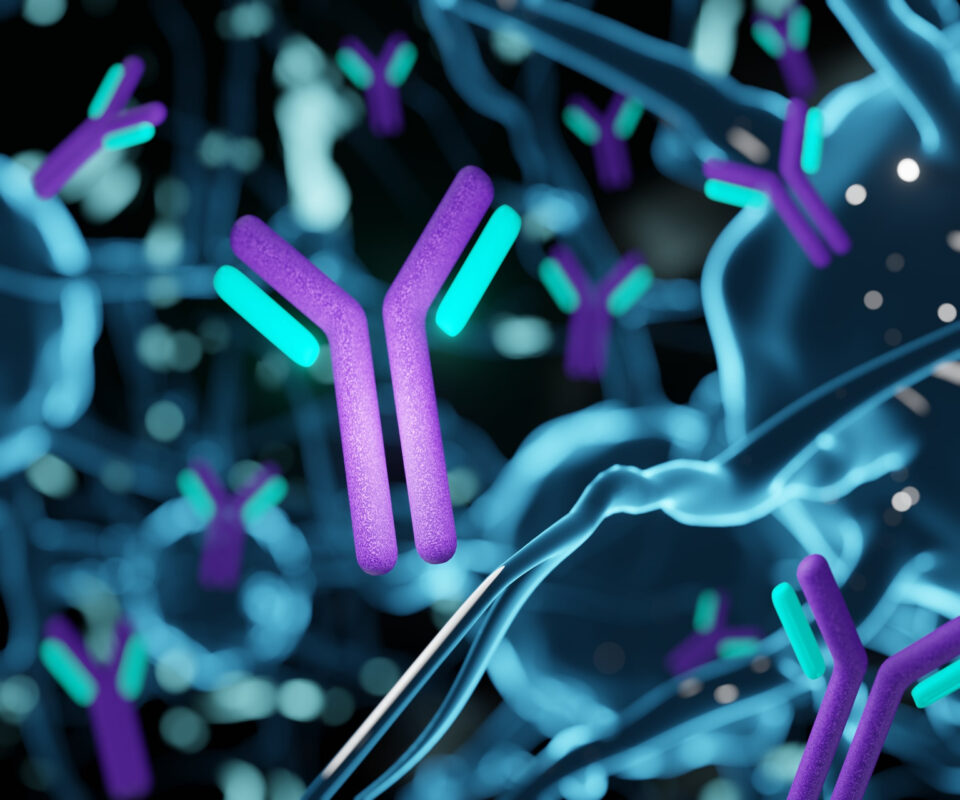
Immunotherapies are a type of treatment that harnesses the body’s immune system to fight infections. Researchers are exploring how immunotherapies can be used to enhance the immune response against antibiotic-resistant bacteria. For example, monoclonal antibodies can be developed to specifically target and neutralize bacterial toxins, limiting the damage caused by infections. Immunotherapies have shown promise in some preclinical and clinical studies and hold potential as an adjunct to traditional antibiotics.

  1. Drug repurposing:

Drug repurposing involves identifying existing drugs that were originally developed for different purposes but may also have antimicrobial properties. By screening libraries of known drugs, researchers can discover new therapeutic options for antibiotic-resistant infections. This approach offers a faster path to potential treatments since these drugs have already passed safety and toxicity evaluations in other contexts.

The rise of antibiotic-resistant infections is a significant global health challenge that requires urgent action and innovation. Novel approaches to treating antibiotic-resistant infections offer hope in the fight against these deadly pathogens. From bacteriophage therapy to CRISPR-Cas9 technology, combination therapy, antibiotic adjuvants, immunotherapies, and drug repurposing, researchers are exploring various strategies to combat antibiotic resistance. As these approaches continue to evolve and undergo rigorous testing, they may hold the key to overcoming one of the most pressing public health issues of our time. Collaboration between scientists, healthcare professionals, and policymakers will be crucial in developing and implementing these novel solutions to safeguard the effectiveness of antibiotics and ensure a healthier future for all.