
loader

Month: April 2023

How to deal with nosebleeds
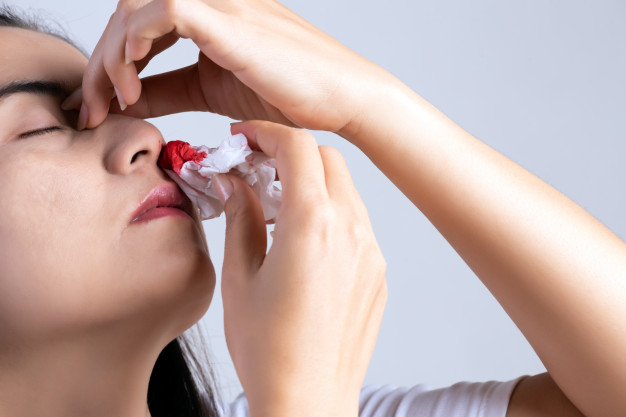
Nosebleeds, also known as epistaxis, can be a common occurrence for many people. While they are usually not a cause for concern, they can be uncomfortable and alarming. Here are some tips on how to deal with nosebleeds:

  • Stay calm: Nosebleeds can be scary, but it’s important to stay calm. Sit down and tilt your head forward slightly. This will help prevent blood from going down your throat and stomach, which can cause nausea or vomiting.
  • Pinch your nose: Using your thumb and forefinger, pinch the soft part of your nose. Hold it for at least 5 to 10 minutes, and breathe through your mouth. This pressure will help stop the bleeding.
  • Apply ice: Applying an ice pack or a cold compress to the bridge of your nose can help constrict the blood vessels and reduce bleeding.
  • Don’t blow your nose: Blowing your nose can irritate the blood vessels and make the bleeding worse. Avoid blowing your nose for several hours after a nosebleed.
  • Use saline spray: Using a saline nasal spray or rinse can help keep your nasal passages moist and prevent nosebleeds.
  • Avoid irritants: Avoid picking your nose, and avoid irritating substances such as smoke, dust, and chemicals.
  • Seek medical attention: If the nosebleed does not stop after 20 minutes of applying pressure, or if you experience frequent nosebleeds, seek medical attention.

Preventing nosebleeds:

There are several ways to prevent nosebleeds from occurring:

  • Keep the inside of your nose moist by using a saline nasal spray or rinse.
  • Avoid picking your nose or blowing your nose too hard.
  • Use a humidifier to keep the air moist, especially during the winter months when the air is dry.
  • Avoid irritants such as smoke, dust, and chemicals.
  • If you have high blood pressure, keep it under control, as high blood pressure can increase the risk of nosebleeds.

Nosebleeds can be a common occurrence, but they can be dealt with using these simple steps. If you experience frequent nosebleeds or have difficulty stopping the bleeding, seek medical attention. Preventing nosebleeds is also important, and can be done by keeping the inside of your nose moist and avoiding irritants.


The importance of handwashing


Handwashing is one of the simplest and most effective ways to prevent the spread of germs and infection. However, it’s often overlooked or not done correctly. In this article, we will discuss the importance of handwashing and how to do it properly.

Why is handwashing important?

Handwashing is essential because it helps prevent the spread of harmful germs and bacteria. Our hands are constantly exposed to germs and bacteria throughout the day, and touching our eyes, nose, and mouth can introduce these germs into our bodies. This can cause illnesses such as colds, flu, and stomach viruses. Handwashing also helps prevent the spread of more serious infections such as COVID-19, which is caused by a virus that can survive on surfaces for several hours.

When should you wash your hands?

It’s important to wash your hands at key times throughout the day, such as:

  • Before and after preparing food
  • Before eating
  • After using the bathroom
  • After blowing your nose, coughing or sneezing
  • After touching an animal, animal feed or animal waste
  • After handling garbage
  • After being in a public place and touching surfaces
  • Before and after caring for someone who is sick

How to wash your hands properly?

To wash your hands properly, follow these steps:

  • Wet your hands with clean, running water.
  • Apply soap and lather your hands by rubbing them together with the soap. Be sure to lather the backs of your hands, between your fingers, and under your nails.
  • Scrub your hands for at least 20 seconds. Need help with timing? Hum the “Happy Birthday” song from beginning to end twice.
  • Rinse your hands well under clean, running water.
  • Dry your hands using a clean towel or air dry them.

Tips for handwashing,

  • Use warm water if possible, as it can help remove germs more effectively.
  • Use liquid soap instead of bar soap to prevent the spread of germs from multiple people.
  • If you don’t have access to soap and water, use a hand sanitizer that contains at least 60% alcohol.
  • Teach your children the importance of handwashing and how to do it properly.

Handwashing is one of the most effective ways to prevent the spread of germs and infections. By washing your hands properly and regularly, you can help protect yourself and others from illness. Remember to wash your hands often, especially before and after key activities, and follow proper handwashing techniques.

Understanding the different types of headaches

Headaches are a common ailment that affects people of all ages. However, not all headaches are the same, and understanding the different types of headaches can help you manage your symptoms more effectively. Here’s a guide to the different types of headaches:

  • Tension headaches: Tension headaches are the most common type of headache. They usually feel like a dull, constant ache on both sides of the head. Tension headaches are often caused by stress, poor posture, or eye strain. They can be managed with over-the-counter pain medication and relaxation techniques.
  • Migraines: Migraines are a type of headache that typically causes severe pain on one side of the head. Migraines can be accompanied by other symptoms, such as sensitivity to light and sound, nausea, and vomiting. They can last anywhere from a few hours to several days. Migraines are often triggered by specific foods, stress, or hormonal changes. Treatment for migraines may include prescription medication, lifestyle changes, and alternative therapies.
  • Cluster headaches: Cluster headaches are a type of headache that occurs in cycles or clusters. They cause severe, excruciating pain on one side of the head, usually around the eye. Cluster headaches can last from a few minutes to several hours and often occur at the same time each day. They are more common in men and are often associated with smoking or alcohol consumption. Treatment for cluster headaches may include prescription medication, oxygen therapy, and nerve blocks.
  • Sinus headaches: Sinus headaches are caused by inflammation of the sinuses, which can be caused by allergies, infections, or other factors. Sinus headaches typically cause pain and pressure around the eyes, forehead, and cheeks. They are often accompanied by other symptoms, such as congestion, runny nose, and fever. Treatment for sinus headaches may include over-the-counter medication, prescription medication, and lifestyle changes.
  • Rebound headaches: Rebound headaches are caused by overuse of pain medication, including over-the-counter medication. Rebound headaches can occur when pain medication is used too frequently or in excessive doses. They can be managed by gradually reducing medication use, identifying and avoiding triggers, and developing healthy pain management strategies.

Headaches are a common ailment, but not all headaches are the same. Understanding the different types of headaches can help you manage your symptoms more effectively. If you experience frequent or severe headaches, it’s important to talk to your healthcare provider to determine the underlying cause and develop an appropriate treatment plan.

Staying safe in the sun: tips for kids

As the weather warms up and summer approaches, it’s essential to keep kids safe in the sun. Exposure to the sun’s harmful UV rays can cause skin damage and increase the risk of skin cancer. However, with the right precautions, kids can enjoy outdoor activities safely. Here are some tips for staying safe in the sun:

  • Wear protective clothing: Wearing protective clothing is one of the most effective ways to stay safe in the sun. Children should wear loose, lightweight clothing that covers their arms and legs. Hats with a wide brim can also help protect their face, neck, and ears.
  • Use sunscreen: Sunscreen is another important tool for protecting kids from the sun. Parents should choose a broad-spectrum sunscreen with an SPF of 30 or higher. Apply sunscreen liberally to all exposed skin, including the face, neck, arms, and legs. Remember to reapply every two hours or more frequently if swimming or sweating.
  • Seek shade: Seek out shaded areas to reduce sun exposure. Encourage kids to play under trees or umbrellas or create shade with a pop-up tent or canopy. Avoid direct sun exposure during the peak hours of 10 am to 4 pm when the sun’s rays are the strongest.
  • Stay hydrated: It’s essential to stay hydrated in the sun, especially during outdoor activities. Encourage kids to drink plenty of water, even if they don’t feel thirsty. Dehydration can lead to heat exhaustion and heatstroke, which can be dangerous.
  • Wear sunglasses: Sunglasses can help protect children’s eyes from UV rays. Choose sunglasses that offer 100% UV protection, and make sure they fit properly to prevent slipping or falling off during activity.
  • Be sun smart: Teach kids to be sun smart by practicing good habits when they’re outdoors. Encourage them to seek shade, wear protective clothing, and apply sunscreen regularly. Avoid tanning beds, which can also cause skin damage and increase the risk of skin cancer.

Staying safe in the sun is essential for children’s health and well-being. By following these simple tips, parents can help protect their kids from the harmful effects of UV rays. Encourage children to be sun smart and make sun protection a regular part of their daily routine. Remember, sun safety isn’t just for the summer months; it’s essential year-round, even on cloudy or overcast days.

The benefits of exercise for kids

Exercise is important for people of all ages, but it is especially important for children. Kids who get regular exercise are not only healthier physically, but they also experience many benefits that extend beyond the physical. Here are some of the benefits of exercise for kids:

  • Improved physical health: Exercise is essential for children’s physical health. Regular exercise can help prevent childhood obesity, which is a significant health problem in many countries. It can also help build strong muscles and bones and improve cardiovascular health.
  • Improved mental health: Exercise can have a significant impact on children’s mental health. Studies have shown that regular exercise can help reduce symptoms of depression and anxiety in children. Exercise releases endorphins, which are natural mood boosters that can help improve a child’s overall well-being.
  • Better sleep: Children who exercise regularly tend to sleep better at night. Exercise can help regulate the body’s internal clock, making it easier for children to fall asleep and stay asleep. Better sleep can lead to improved mood, better concentration, and overall better health.
  • Improved cognitive function: Exercise has been shown to improve cognitive function in children. Regular exercise can help children develop better memory, concentration, and attention skills, which can improve academic performance.
  • Social benefits: Exercise can also provide social benefits for children. Participating in team sports or group exercise classes can help children develop social skills and build friendships. It can also help children develop self-confidence and self-esteem.
  • Reduced screen time: Exercise can provide an alternative to screen time, which is an increasing concern for children’s health. Engaging in physical activity can help children develop a healthy relationship with technology and reduce their overall screen time.
  • Healthy habits for life: Children who learn to love exercise at a young age are more likely to continue exercising as adults. Developing healthy exercise habits early in life can help children maintain good health throughout their lives.

Exercise is essential for children’s health and well-being. Regular exercise can provide physical, mental, and social benefits for children. It can improve physical health, mental health, cognitive function, sleep, and social skills. It can also reduce screen time and help children develop healthy exercise habits that can last a lifetime. Parents and caregivers should encourage children to be active every day and make exercise a fun and enjoyable part of their daily routine.

How to keep your eyes healthy

Eyes are an essential part of our lives, and they play a vital role in our overall well-being. However, many of us take them for granted and don’t pay attention to their health until we experience problems. Fortunately, there are many things we can do to keep our eyes healthy and prevent issues from arising. Here are some tips for maintaining good eye health:

  • Regular eye exams: One of the most crucial steps to maintain healthy eyes is to get regular eye exams. A comprehensive eye exam can detect vision problems and eye diseases in their early stages, which can improve the chances of successful treatment.
  • Protect your eyes: Protecting your eyes from injury is essential. Always wear safety goggles when participating in high-risk activities like playing sports, using power tools, or doing household chores.
  • Follow a healthy diet: Eating a healthy diet rich in fruits and vegetables is beneficial for maintaining good eye health. Foods rich in vitamins C and E, zinc, and omega-3 fatty acids are particularly helpful in preventing age-related macular degeneration (AMD) and cataracts.
  • Stay hydrated: Staying hydrated is also vital for good eye health. Drinking plenty of water can help prevent dry eyes, a common condition that can cause irritation, itching, and blurred vision.
  • Practice good eye hygiene: Practicing good eye hygiene can also help keep your eyes healthy. Always wash your hands before touching your eyes, and avoid rubbing them too hard or too frequently. Also, avoid sharing eye makeup, which can cause eye infections.
  • Take breaks from digital devices: Prolonged use of digital devices such as smartphones, tablets, and computers can cause eye strain, headaches, and blurred vision. To prevent this, take frequent breaks and practice the 20-20-20 rule: every 20 minutes, take a 20-second break and focus on something 20 feet away.
  • Quit smoking: Smoking is harmful to your eyes and can increase the risk of cataracts and AMD. Quitting smoking can reduce this risk and improve overall eye health.

Maintaining good eye health is essential for a better quality of life. Regular eye exams, protecting your eyes, following a healthy diet, staying hydrated, practicing good eye hygiene, taking breaks from digital devices, and quitting smoking can all help to keep your eyes healthy. By adopting these habits, you can prevent many eye diseases and maintain good vision throughout your life.

The connection between hearing and children’s health: tips for optimal auditory function

Hearing is a vital sense that allows us to connect with the world around us, communicate with others, and enjoy the sounds of nature and music. For children, hearing plays an important role in their social, emotional, and cognitive development. It is, therefore, essential to understand the connection between hearing and children’s health and learn how to optimize auditory function for optimal health and well-being. In this article, we will explore the connection between hearing and children’s health and provide tips for optimal auditory function.

The connection between hearing and children’s health

Hearing is a crucial sense that allows children to develop language skills, socialize with others, and learn about the world around them. When a child has a hearing problem, it can affect their ability to communicate and learn effectively. Children with hearing difficulties may experience delays in speech and language development, academic performance, social interactions, and emotional well-being.

Research has shown that there is a strong correlation between hearing loss and other health conditions in children. For example, children with hearing loss are at a higher risk of developing speech and language disorders, attention deficit hyperactivity disorder (ADHD), anxiety, and depression. Additionally, children with hearing loss are more likely to experience academic difficulties and may struggle with reading, writing, and comprehension.

Tips for Optimal Auditory Function

Optimizing auditory function in children is crucial for their overall health and well-being. Here are some tips for promoting optimal auditory function in children:

  • Protect their ears: Loud noises can damage a child’s hearing. It is essential to protect their ears from loud noises, such as fireworks, concerts, and power tools. Earplugs, noise-canceling headphones, and limiting exposure to loud sounds can help protect a child’s hearing.
  • Encourage regular hearing screenings: Regular hearing screenings can help identify hearing problems early on. It is recommended that children have their hearing screened at birth and then regularly throughout their school years.
  • Promote healthy habits: A healthy lifestyle can promote good auditory function. Encouraging children to exercise regularly, eat a healthy diet, and avoid smoking can help maintain healthy hearing.
  • Limit screen time: Prolonged exposure to loud sounds from headphones and earbuds can damage a child’s hearing. It is recommended to limit the use of headphones and earbuds and keep the volume low.
  • Foster language development: Language development is crucial for children’s social and emotional development. Encouraging language development through reading, storytelling, and conversation can promote good auditory function.
  • Seek professional help: If you suspect that your child has a hearing problem, it is essential to seek professional help. An audiologist or hearing healthcare provider can evaluate your child’s hearing and recommend appropriate treatment if necessary.

Hearing plays a vital role in children’s health and well-being. Children with hearing difficulties may experience delays in speech and language development, academic difficulties, and emotional and social challenges. However, by taking steps to promote optimal auditory function, such as protecting their ears, encouraging healthy habits, and seeking professional help when needed, we can help children develop good hearing and reach their full potential.

Understanding and managing childhood bipolar disorder

Bipolar disorder, also known as manic-depressive illness, is a mental health condition that affects people of all ages. However, it can be particularly challenging to manage when it affects children. Childhood bipolar disorder is a serious condition that requires careful management and treatment. In this article, we will explore what childhood bipolar disorder is, its symptoms, causes, and how it can be managed.

What is childhood bipolar disorder?

Childhood bipolar disorder is a mental health condition that affects children and adolescents. It is characterized by extreme mood swings that range from high (manic) to low (depressed). A child with bipolar disorder may experience periods of elevated or irritable mood, hyperactivity, impulsivity, and grandiosity during manic episodes. Conversely, during depressive episodes, a child with bipolar disorder may experience feelings of sadness, hopelessness, lack of energy, and thoughts of suicide.

Symptoms of childhood bipolar disorder:

Symptoms of childhood bipolar disorder may vary depending on the child’s age, gender, and the severity of the disorder. Some common symptoms of childhood bipolar disorder include:

  • Extreme mood swings
  • Irritability and aggression
  • Hyperactivity and impulsivity
  • Racing thoughts and pressured speech
  • Inability to concentrate or focus
  • Disruptive behavior at school or home
  • Poor sleep patterns
  • Suicidal thoughts or attempts

Causes of childhood bipolar disorder:

The exact cause of childhood bipolar disorder is still not known. However, research has suggested that several factors may contribute to the development of bipolar disorder in children, including genetics, brain chemistry, and environmental factors. Children who have a family history of bipolar disorder, depression, or other mental health conditions may be more likely to develop bipolar disorder. Additionally, imbalances in brain chemicals such as serotonin, dopamine, and norepinephrine may also play a role in the development of bipolar disorder in children.

Managing childhood bipolar disorder:

Managing childhood bipolar disorder requires a multi-disciplinary approach that involves the child’s family, doctors, and mental health professionals. The following are some ways that childhood bipolar disorder can be managed:

  • Medications: Medications such as mood stabilizers, antidepressants, and antipsychotics are often used to treat childhood bipolar disorder. These medications can help stabilize a child’s mood and reduce the frequency and severity of mood swings.
  • Therapy: Therapy is an essential component of managing childhood bipolar disorder. Different forms of therapy such as cognitive-behavioral therapy (CBT), dialectical behavior therapy (DBT), and family therapy can help children learn coping strategies, improve communication and interpersonal skills, and manage their emotions better.
  • Lifestyle changes: Encouraging healthy habits such as regular exercise, healthy eating, and consistent sleep patterns can help reduce the severity of mood swings in children with bipolar disorder.
  • Support groups: Joining support groups with other families who have children with bipolar disorder can provide emotional support, education, and information about resources that can help manage the disorder.

Childhood bipolar disorder is a challenging condition to manage. However, with early intervention, proper treatment, and support, children with bipolar disorder can lead fulfilling lives. It is essential to recognize the symptoms of bipolar disorder in children and seek professional help to manage the condition. By working together, families, healthcare professionals, and mental health professionals can help children with bipolar disorder achieve stability, manage their symptoms, and thrive.

The benefits of pet ownership for mental and physical health

Pets have been a source of companionship and comfort for humans for thousands of years. They provide us with love, loyalty, and support. But did you know that owning a pet can also have significant mental and physical health benefits? In this article, we will discuss some of the benefits of pet ownership for mental and physical health.

Mental Health Benefits:

  • Reduces stress: Studies have shown that spending time with pets can reduce stress levels and lower the risk of developing depression and anxiety.
  • Provides companionship: Pets can provide a sense of companionship and reduce feelings of loneliness, especially for people who live alone.
  • Increases self-esteem: Caring for a pet and receiving their unconditional love and affection can improve self-esteem and self-worth.
  • Decreases symptoms of PTSD: Pets can provide emotional support to people with post-traumatic stress disorder (PTSD) and help decrease symptoms such as flashbacks and anxiety.
  • Increases socialization: Owning a pet can increase socialization and help people develop new friendships and social connections.

Physical health benefits:

  • Lowers blood pressure: Petting a dog or cat has been shown to lower blood pressure and reduce the risk of heart disease.
  • Increases physical activity: Owning a dog, in particular, can increase physical activity levels, as they require regular walks and exercise.
  • Improves immune function: Studies have shown that children who grow up with pets have a stronger immune system and are less likely to develop allergies and asthma.
  • Reduces pain: Pet therapy has been shown to reduce pain levels and improve quality of life for people with chronic pain.
  • Promotes healing: Studies have shown that pet therapy can promote healing in hospitals and healthcare settings by reducing stress levels and promoting relaxation.

Pet ownership has numerous mental and physical health benefits, including reducing stress, increasing physical activity, and improving immune function. Pets provide us with love, loyalty, and companionship, which can improve self-esteem and reduce feelings of loneliness. Owning a pet can also increase socialization and help people develop new friendships and social connections. With so many benefits to pet ownership, it’s no wonder why pets are considered to be an essential part of many people’s lives. If you are considering adding a pet to your family, be sure to research the responsibilities and requirements of pet ownership to ensure that you are ready to provide the love and care that they deserve.

The connection between mindfulness and emotional intelligence: techniques and benefits

Mindfulness is the practice of being present in the moment and observing one’s thoughts and feelings without judgment. Emotional intelligence is the ability to recognize, understand, and manage our emotions and those of others. Both mindfulness and emotional intelligence are critical components of mental wellness and personal growth. In this article, we will discuss the connection between mindfulness and emotional intelligence, techniques to develop mindfulness and emotional intelligence, and the benefits of practicing both.

The connection between mindfulness and emotional intelligence:

Mindfulness and emotional intelligence are closely linked. By practicing mindfulness, we can become more aware of our emotions and develop greater emotional intelligence. When we are mindful, we can observe our thoughts and feelings without becoming overwhelmed by them. This can help us to understand and manage our emotions more effectively, which is a core component of emotional intelligence.

Techniques to develop mindfulness and emotional intelligence:

  • Mindful Breathbng: Take a few deep breaths and focus on the sensation of the breath moving in and out of your body.
  • Body scan: Close your eyes and focus on the physical sensations in different parts of your body, starting at the top of your head and moving down to your toes.
  • Mindful listening: Listen to the sounds around you without judgment or distraction.
  • Self-reflection: Take time to reflect on your emotions and how they affect your behavior.
  • Empathy practice: Practice putting yourself in other people’s shoes and understanding their perspectives and emotions.

Benefits of practicing mindfulness and emotional intelligence:

  • Improved mental health: Practicing mindfulness and emotional intelligence can reduce stress and anxiety, which can improve overall mental health.
  • Better relationships: By developing empathy and emotional intelligence, we can improve our relationships with others and communicate more effectively.
  • Increased self-awareness: Mindfulness and emotional intelligence can help us to become more self-aware, which can lead to greater personal growth and self-improvement.
  • Improved decision making: By understanding our emotions and those of others, we can make more informed and thoughtful decisions.
  • Improved focus and concentration: Mindfulness can help us to stay present and focused, which can improve our ability to concentrate on tasks and be more productive.

Mindfulness and emotional intelligence are powerful tools that can help us to live more fulfilling and connected lives. By practicing techniques such as mindful breathing, body scans, and empathy, we can develop greater mindfulness and emotional intelligence. The benefits of practicing mindfulness and emotional intelligence are numerous, including improved mental health, better relationships, increased self-awareness, improved decision making, and improved focus and concentration. By integrating mindfulness and emotional intelligence into our daily lives, we can live more intentionally and authentically.