
loader

Month: April 2023

Living with chronic obstructive pulmonary disease (COPD): coping strategies and treatment options

Chronic Obstructive Pulmonary Disease (COPD) is a progressive lung disease that makes breathing difficult. It affects millions of people worldwide, and its symptoms can severely impact one’s quality of life. COPD can make even the simplest of tasks, such as walking up stairs, challenging. However, with proper treatment and lifestyle changes, people with COPD can manage their symptoms and lead fulfilling lives. In this article, we will discuss some of the coping strategies and treatment options available for people with COPD.

Coping strategies:

  • Quit smoking: Smoking is the leading cause of COPD, and quitting smoking is the most crucial step in managing COPD. Avoiding secondhand smoke is also essential.
  • Regular exercise: Exercise can improve lung function and help alleviate symptoms. Consult with a doctor before starting an exercise program.
  • Stay active: Being active throughout the day can help improve breathing and prevent muscle loss.
  • Healthy diet: A healthy diet can help maintain a healthy weight and improve energy levels.
  • Manage stress: Stress can worsen COPD symptoms. Find ways to manage stress, such as meditation, deep breathing, or yoga.
  • Join a support group: COPD support groups can provide emotional support and practical advice for managing COPD.

Treatment options:

  • Medications: Several medications are available to manage COPD symptoms. Inhalers and bronchodilators can help open airways and improve breathing. Corticosteroids can reduce inflammation in the lungs.
  • Oxygen therapy: Oxygen therapy can improve oxygen levels in the blood and reduce shortness of breath.
  • Pulmonary rehabilitation: Pulmonary rehabilitation is a program of exercise, breathing techniques, and education to improve lung function and manage COPD symptoms.
  • Surgery: In some cases, surgery may be necessary to remove damaged lung tissue or reduce lung volume.
  • Vaccinations: Vaccinations, such as the flu and pneumonia vaccine, can help prevent respiratory infections that can exacerbate COPD symptoms.

Conclusion:

Living with COPD can be challenging, but there are coping strategies and treatment options available to help manage the disease. Quitting smoking, regular exercise, a healthy diet, managing stress, and joining a support group are some of the strategies that can help. Medications, oxygen therapy, pulmonary rehabilitation, surgery, and vaccinations are some of the treatment options available. Consult with a healthcare provider to develop a personalized treatment plan and manage COPD symptoms effectively. With proper management, people with COPD can lead fulfilling lives.

The power of positive thinking: how optimism can improve your health

Positive thinking is a powerful tool that can improve your overall health and wellbeing. The power of optimism has been studied extensively, and the results show that a positive attitude can help reduce stress, boost the immune system, and improve mental health. In this article, we will explore the many benefits of positive thinking and provide some tips on how to cultivate a more optimistic outlook on life.

  1. Reduced Stress:

Positive thinking can help reduce stress levels by changing the way you perceive and react to difficult situations. When faced with a challenge, those who have a positive outlook on life are more likely to view it as an opportunity for growth rather than a threat. This positive mindset can help reduce stress levels and improve overall mental health.

  1. Stronger Immune System:

Studies have shown that positive thinking can boost the immune system, making you less susceptible to illness and disease. This is because a positive attitude can help reduce stress levels, which can weaken the immune system over time. By reducing stress and promoting relaxation, positive thinking can help the body maintain a healthy immune response.

  1. Improved Mental Health:

Positive thinking can also help improve mental health by reducing the risk of depression and anxiety. Those who have a positive outlook on life are less likely to experience negative thoughts and emotions, and more likely to experience positive emotions such as happiness and contentment.

Tips for cultivating positive thinking,

If you’re looking to cultivate a more positive outlook on life, here are a few tips to get you started:

  • Practice gratitude: Take time each day to reflect on the things you’re grateful for, whether it’s a supportive friend or a beautiful sunset.
  • Surround yourself with positivity: Surround yourself with people who uplift and support you, and seek out positive news and media.
  • Reframe negative thoughts: When you find yourself thinking negatively, try to reframe your thoughts in a more positive light. For example, instead of “I’m not good enough,” try “I’m doing my best.”
  • Practice self-care: Taking care of yourself, whether it’s through exercise, meditation, or a relaxing bath, can help promote positivity and reduce stress levels.
  • Set realistic goals: Setting achievable goals and celebrating small wins can help boost self-confidence and promote positive thinking.

The power of positive thinking is a potent force that can improve your overall health and wellbeing. By cultivating a more optimistic outlook on life, you can reduce stress levels, boost the immune system, and improve mental health. Incorporating these tips into your daily routine can help you develop a more positive mindset and reap the many benefits of positive thinking.

Living with crohn’s disease: coping strategies and treatment options

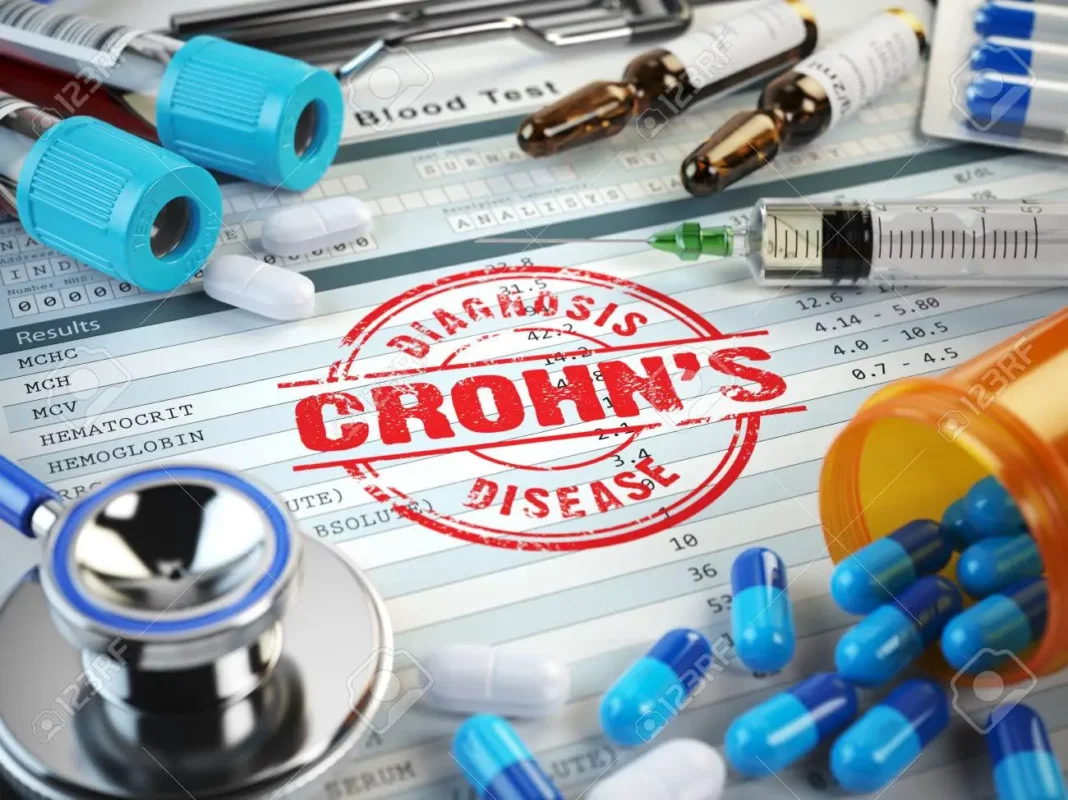
Crohn’s disease is a chronic inflammatory bowel disease that affects millions of people around the world. It can cause a range of symptoms, including abdominal pain, diarrhea, fatigue, and weight loss. Living with Crohn’s disease can be challenging, but there are coping strategies and treatment options available that can help patients manage their symptoms and improve their quality of life.

Coping strategies for living with crohn’s disease

Living with Crohn’s disease can be overwhelming, but there are several coping strategies that can help patients manage their symptoms and improve their mental health.

  • Stay informed: Educating yourself about Crohn’s disease can help you understand your condition better and make informed decisions about your treatment options. Joining support groups or online forums can also help you connect with other patients and learn from their experiences.
  • Maintain a healthy diet: Eating a balanced diet can help you manage your symptoms and maintain good overall health. Working with a registered dietitian or nutritionist can help you develop a personalized meal plan that meets your nutritional needs and avoids trigger foods that can exacerbate your symptoms.
  • Manage stress: Stress can trigger flare-ups of Crohn’s disease, so finding ways to manage stress is crucial for managing symptoms. Meditation, yoga, and mindfulness practices can all help reduce stress and promote relaxation.
  • Get enough rest: Getting adequate rest is essential for managing Crohn’s disease symptoms. Make sure to prioritize sleep and create a relaxing bedtime routine that promotes restful sleep.
  • Exercise regularly: Regular exercise can help improve your physical and mental health and reduce the risk of flare-ups. Work with your healthcare provider to develop an exercise plan that is safe and appropriate for your individual needs.

Treatment options for crohn’s disease,

There are several treatment options available for Crohn’s disease, including medications, surgery, and lifestyle changes.

  • Medications: There are several types of medications used to treat Crohn’s disease, including anti-inflammatory drugs, immunosuppressants, and biologic therapies. These medications can help reduce inflammation, manage symptoms, and prevent flare-ups.
  • Surgery: Surgery may be recommended for patients with severe or life-threatening complications of Crohn’s disease, such as bowel obstruction or perforation. Surgery may involve removing a portion of the intestine or repairing damaged tissues.
  • Lifestyle changes: Making certain lifestyle changes can help manage Crohn’s disease symptoms and improve overall health. Quitting smoking, reducing stress, and following a healthy diet are all important lifestyle changes that can help manage symptoms.

Living with Crohn’s disease can be challenging, but there are coping strategies and treatment options available that can help patients manage their symptoms and improve their quality of life. Working with a healthcare provider and developing a personalized treatment plan can help ensure that patients receive the best possible care and support. With the right treatment and support, it is possible to live a fulfilling and healthy life with Crohn’s disease.

Advances in gene therapy: potential for treating genetic diseases

Gene therapy is a rapidly growing field that holds enormous promise for treating genetic diseases. It involves the use of DNA, RNA, or other genetic material to correct or replace the defective genes that cause these disorders. Over the past few decades, significant advances have been made in this field, which has led to the development of numerous gene therapy approaches for a wide range of genetic diseases. In this article, we will discuss some of the recent advances in gene therapy and their potential for treating genetic diseases.

One of the most significant breakthroughs in gene therapy is the development of viral vectors as delivery vehicles. Viral vectors are modified viruses that can carry therapeutic genes to target cells in the body. They are capable of infecting a wide range of cell types and can be engineered to target specific tissues or organs. Viral vectors have been used successfully in clinical trials to treat a variety of genetic diseases, including inherited blindness, hemophilia, and certain types of cancer.

Another significant advance in gene therapy is the use of gene editing tools like CRISPR-Cas9. This technology allows researchers to precisely target and modify specific genes within a patient’s genome. It has the potential to cure genetic diseases by correcting or removing the faulty gene responsible for the disorder. Although gene editing is still in its early stages, it has shown promising results in preclinical studies and clinical trials for diseases like sickle cell anemia and beta-thalassemia.

Another exciting development in gene therapy is the use of RNA-based therapies. RNA molecules can be used to modify gene expression by regulating the translation of specific genes. RNA therapies have shown promise in treating diseases like Huntington’s disease and amyotrophic lateral sclerosis (ALS). Researchers are also exploring the use of RNA-based vaccines, which could potentially be used to treat infectious diseases like COVID-19.

In addition to these advances, researchers are also exploring new gene therapy approaches, such as gene silencing, which involves turning off specific genes that cause disease, and gene augmentation, which involves adding functional copies of genes to cells that lack them. These approaches have shown promise in treating diseases like Huntington’s disease, spinal muscular atrophy, and cystic fibrosis.

Despite these promising advances, gene therapy still faces significant challenges. One of the most significant hurdles is delivering the therapeutic genes to the target cells and ensuring their long-term expression. Researchers are also working to address concerns about the safety of gene therapy, such as the risk of unintended immune responses or the activation of oncogenes. Nevertheless, the potential benefits of gene therapy for patients with genetic diseases are enormous, and research in this field is rapidly advancing.

Gene therapy holds enormous potential for treating genetic diseases. Recent advances in the field, such as the development of viral vectors, gene editing tools, RNA-based therapies, and new gene therapy approaches, have shown promise in preclinical studies and clinical trials. Although gene therapy still faces significant challenges, researchers are working to overcome these hurdles and bring these promising therapies to patients in need. As we continue to learn more about the genetic basis of disease, gene therapy is likely to become an increasingly important tool for treating genetic diseases in the future.

Common causes and treatments for insulin resistance

Insulin resistance is a condition in which the body’s cells become resistant to the effects of insulin, a hormone that helps regulate blood sugar levels. This can lead to high blood sugar levels and, over time, can increase the risk of developing type 2 diabetes, heart disease, and other health problems. In this article, we will discuss the common causes and treatments for insulin resistance.

Causes of insulin resistance:

  • Obesity: Excess weight, especially around the waist, is a major risk factor for insulin resistance.
  • Sedentary lifestyle: Lack of physical activity can contribute to insulin resistance.
  • Genetics: Some people are genetically predisposed to insulin resistance, although this is relatively rare.
  • Age: As people age, they become more prone to developing insulin resistance.
  • Polycystic ovary syndrome (PCOS): Women with PCOS often have insulin resistance, which can contribute to infertility and other health problems.
  • Sleep apnea: This disorder, which causes breathing interruptions during sleep, has been linked to insulin resistance.
  • Stress: Chronic stress can increase the risk of insulin resistance.

Treatments for insulin resistance:

  • Lifestyle changes: The most effective way to treat insulin resistance is through lifestyle changes such as losing weight, exercising regularly, and eating a healthy diet that is low in processed foods, refined carbohydrates, and added sugars.
  • Medications: Some medications, such as metformin, can improve insulin sensitivity and help lower blood sugar levels.
  • Insulin therapy: In some cases, people with insulin resistance may need insulin therapy to help control their blood sugar levels.
  • Treating underlying conditions: Treating conditions such as sleep apnea, PCOS, and high blood pressure can help improve insulin sensitivity.
  • Alternative therapies: Some studies have suggested that certain supplements, such as cinnamon and alpha-lipoic acid, may help improve insulin sensitivity, although more research is needed to confirm these findings.

Insulin resistance is a common condition that can have serious health consequences if left untreated. Fortunately, there are many ways to manage insulin resistance, including lifestyle changes, medications, and treating underlying conditions. If you are concerned about your risk for insulin resistance or have been diagnosed with this condition, speak to your healthcare provider about the best treatment options for you.

Common causes and treatments for back pain

Back pain is a common complaint that affects people of all ages and backgrounds. It can range from a mild discomfort to severe and debilitating pain. The causes of back pain can vary, but there are certain common factors that are known to contribute to its development. In this article, we will explore the common causes and treatments for back pain.

Common causes of back pain:

  • Muscle strain: One of the most common causes of back pain is muscle strain or sprain. This can occur due to overuse, improper lifting, sudden twisting or bending movements.
  • Poor posture: Poor posture while sitting or standing for extended periods can also cause back pain. This is especially true for people who spend a lot of time working at a desk or sitting in a car.
  • Herniated disc: A herniated disc occurs when the soft tissue between the spinal vertebrae protrudes and compresses a nerve. This can cause pain and numbness in the back, as well as radiating pain down the legs.
  • Arthritis: Arthritis can affect the joints in the spine, causing inflammation and pain.
  • Osteoporosis: Osteoporosis is a condition that causes the bones to become weak and brittle, which can lead to fractures and back pain.

Treatments for back pain:

  • Rest: One of the first things to do when experiencing back pain is to rest. This can help alleviate the strain on the affected area and give the body time to heal.
  • Exercise: Regular exercise can help strengthen the muscles in the back, reducing the risk of injury and alleviating pain.
  • Heat and cold therapy: Applying heat or cold therapy to the affected area can help reduce inflammation and alleviate pain.
  • Medications: Over-the-counter pain medications like acetaminophen or ibuprofen can help alleviate pain and reduce inflammation. Stronger pain medications may be prescribed by a doctor in more severe cases.
  • Physical therapy: A physical therapist can work with you to develop an exercise and stretching regimen that can help alleviate back pain and prevent future injuries.
  • Surgery: In some cases, surgery may be necessary to alleviate chronic back pain. This is usually only considered as a last resort when other treatments have been unsuccessful.

Back pain can be a debilitating condition that can greatly impact a person’s quality of life. However, by understanding the common causes of back pain and the various treatment options available, it is possible to alleviate pain and prevent future injuries. It is important to consult with a healthcare professional if back pain persists or worsens over time.

Common causes and treatments for joint pain

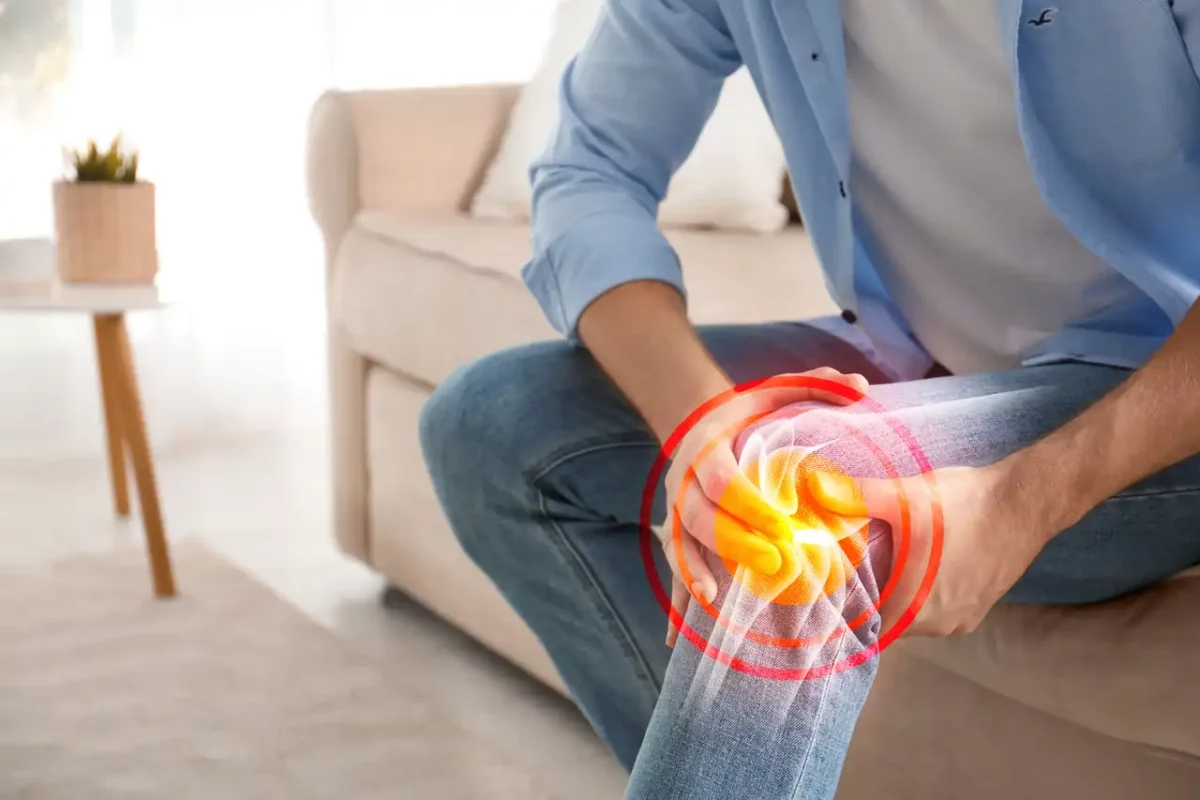
Joint pain is a common problem that can be caused by various factors, including injury, aging, and medical conditions. Joint pain can affect people of all ages and can significantly impact daily activities. In this article, we will explore the common causes and treatments for joint pain.

Common causes of joint pain,

  • Injury: Joint pain can be caused by an injury, such as a sprain or a strain. These types of injuries can cause pain, swelling, and stiffness in the affected joint.
  • Arthritis: Arthritis is a medical condition that causes inflammation in the joints, leading to pain, stiffness, and reduced mobility. There are several types of arthritis, including osteoarthritis, rheumatoid arthritis, and psoriatic arthritis.
  • Aging: As we age, the cartilage in our joints can deteriorate, leading to joint pain and stiffness.
  • Overuse: Repetitive movements or activities that put stress on the joints, such as running or playing sports, can lead to joint pain and inflammation.
  • Medical conditions: Certain medical conditions, such as gout, lupus, and fibromyalgia, can cause joint pain.

Treatments for joint pain,

  • Pain relievers: Over-the-counter pain relievers such as acetaminophen or nonsteroidal anti-inflammatory drugs (NSAIDs) can provide relief for mild to moderate joint pain.
  • Physical therapy: Physical therapy can help improve joint mobility and reduce pain through targeted exercises and stretches.
  • Weight management: Maintaining a healthy weight can reduce stress on the joints and alleviate joint pain.
  • Joint injections: Corticosteroid injections can help reduce inflammation and relieve joint pain.
  • Surgery: In some cases, surgery may be necessary to repair or replace damaged joints.
  • Alternative therapies: Alternative therapies such as acupuncture, massage therapy, and herbal supplements may provide relief for some people with joint pain.

Preventing joint pain,

Preventing joint pain involves taking steps to reduce the risk of injury and maintaining joint health. This includes:

  • Exercising regularly to maintain joint mobility and flexibility.
  • Wearing appropriate footwear and protective gear during physical activities.
  • Avoiding repetitive movements or activities that put stress on the joints.
  • Eating a healthy diet rich in nutrients that support joint health, such as omega-3 fatty acids and vitamin D.
  • Practicing stress management techniques, as stress can exacerbate joint pain.

Joint pain can be caused by various factors, and treatment options depend on the underlying cause. Pain relievers, physical therapy, weight management, joint injections, and surgery are all effective treatments for joint pain. Taking steps to prevent joint pain through exercise, proper footwear, a healthy diet, and stress management can help maintain joint health and reduce the risk of injury.

Common causes and treatments for digestive issues

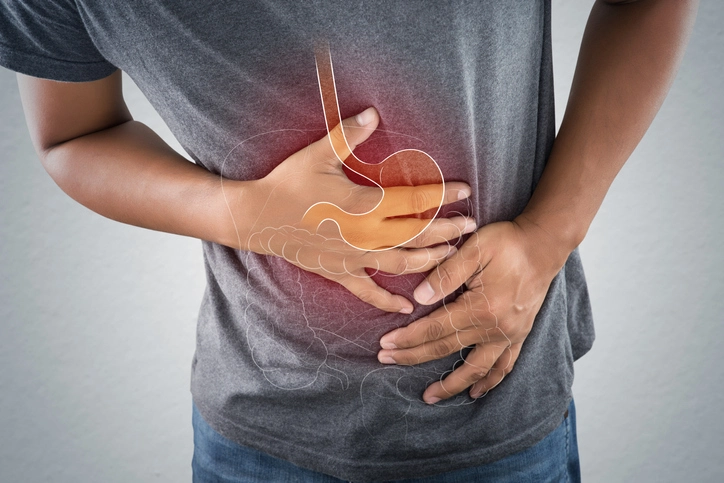
Digestive issues are a common problem that can cause discomfort and disrupt daily life. These issues can be caused by various factors, such as diet, lifestyle, and medical conditions. In this article, we will explore the common causes and treatments for digestive issues.

Common causes of digestive issues,

  • Diet: A diet high in processed foods, sugar, and saturated fats can lead to digestive issues such as bloating, constipation, and diarrhea.
  • Food intolerances and sensitivities: Some people may be intolerant or sensitive to certain foods, such as lactose, gluten, or fructose, which can cause digestive issues.
  • Stress: Stress can affect the digestive system by increasing inflammation and altering gut bacteria, leading to digestive issues such as bloating, abdominal pain, and diarrhea.
  • Medications: Certain medications, such as antibiotics, painkillers, and antidepressants, can disrupt the balance of gut bacteria and cause digestive issues.
  • Medical conditions: Digestive issues can also be caused by medical conditions such as gastroesophageal reflux disease (GERD), inflammatory bowel disease (IBD), celiac disease, and irritable bowel syndrome (IBS).

Treatments for digestive issues,

  • Diet modifications: Making dietary changes can help improve digestive issues. Eating a diet high in fiber, fruits, vegetables, and lean proteins can improve digestion and prevent constipation. Avoiding trigger foods or food intolerances can also improve symptoms.
  • Probiotics: Probiotics are beneficial bacteria that can help improve gut health and reduce digestive issues. Probiotics can be found in fermented foods like yogurt, kefir, and sauerkraut, or in supplement form.
  • Medications: Over-the-counter medications such as antacids, laxatives, and anti-diarrheal drugs can provide relief for digestive issues. Prescription medications may also be necessary for certain medical conditions.
  • Stress management: Stress management techniques such as meditation, yoga, and deep breathing can help reduce stress and improve digestive issues.
  • Lifestyle changes: Making lifestyle changes such as getting regular exercise, quitting smoking, and limiting alcohol and caffeine intake can also improve digestive issues.

Digestive issues can be caused by various factors, and treatment options depend on the underlying cause. Making dietary and lifestyle changes, taking probiotics, using medications, and managing stress can all be effective treatments for digestive issues. If symptoms persist or worsen, it is important to seek medical attention to determine the underlying cause of the issue.

The effects of alcohol on health and well-being

Alcohol is a widely consumed beverage that is often associated with socializing and relaxation. While moderate alcohol consumption is considered safe for most people, excessive alcohol intake can have harmful effects on both physical and mental health. In this article, we will explore the effects of alcohol on health and well-being.

Short-term effects of alcohol,

Alcohol is a central nervous system depressant that slows down brain function and impairs motor skills and judgment. Short-term effects of alcohol consumption can include:

  • Impaired judgment and decision-making
  • Slurred speech and difficulty walking
  • Nausea and vomiting
  • Headaches and dizziness
  • Memory impairment
  • Increased risk of accidents, injuries, and violence

Excessive alcohol consumption can also lead to alcohol poisoning, which can be life-threatening.

Long-term effects of alcohol,

Excessive alcohol consumption over time can have serious long-term effects on health and well-being, including:

  • Liver Disease: Heavy alcohol consumption can lead to liver damage, including cirrhosis, liver cancer, and fatty liver disease.
  • Cardiovascular Disease: Heavy alcohol consumption can increase the risk of high blood pressure, stroke, and heart disease.
  • Cancer: Excessive alcohol consumption has been linked to an increased risk of several types of cancer, including breast, liver, and colon cancer.
  • Mental health: Alcohol can have negative effects on mental health, including increased risk of depression, anxiety, and memory loss.
  • Addiction: Chronic alcohol consumption can lead to alcohol dependence, which can be difficult to overcome and can have a negative impact on relationships, work, and daily life.

Moderate alcohol consumption,

Moderate alcohol consumption is defined as up to one drink per day for women and up to two drinks per day for men. Drinking in moderation may have some health benefits, including a reduced risk of heart disease and stroke. However, it is important to note that not all people can drink alcohol in moderation, and it may not be safe for individuals with certain medical conditions or who are taking certain medications.

While moderate alcohol consumption may have some health benefits, excessive alcohol consumption can have serious negative effects on health and well-being. It is important to drink in moderation, avoid binge drinking, and be aware of the effects of alcohol on physical and mental health. For those struggling with alcohol addiction, seeking professional help and support is crucial for overcoming the addiction and improving overall well-being.

The link between cholesterol and heart health

Cholesterol is a waxy, fat-like substance found in the blood that is important for several bodily functions. While cholesterol is necessary for the body, high levels of cholesterol can be detrimental to heart health. In this article, we will explore the link between cholesterol and heart health.

What is cholesterol?

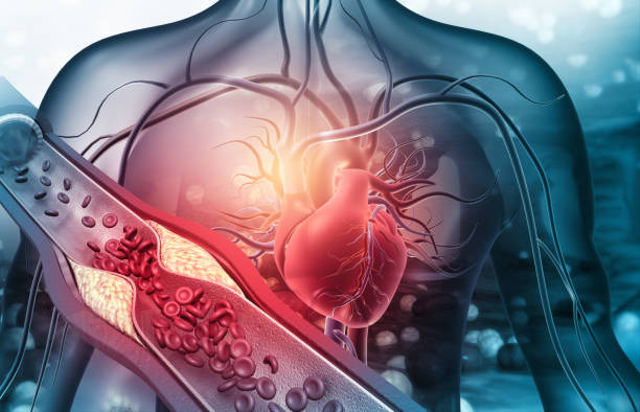
Cholesterol is a substance that the body produces naturally and is also found in some foods. Cholesterol is essential for the body to make hormones, vitamin D, and bile acids that help with digestion. However, too much cholesterol in the blood can lead to the buildup of plaque in the arteries, which can cause them to narrow and harden, a condition called atherosclerosis. This buildup of plaque can increase the risk of heart attack and stroke.

Types of cholesterol,

Cholesterol is transported in the blood by proteins called lipoproteins. There are two types of lipoproteins that carry cholesterol: low-density lipoprotein (LDL) and high-density lipoprotein (HDL).

LDL cholesterol is often referred to as “bad” cholesterol because it can build up in the walls of arteries, leading to the formation of plaque. HDL cholesterol, on the other hand, is often called “good” cholesterol because it helps remove LDL cholesterol from the arteries and transports it to the liver where it can be broken down and eliminated from the body.

The link between cholesterol and heart health,

High levels of LDL cholesterol are a major risk factor for heart disease. The buildup of plaque in the arteries caused by high LDL cholesterol can restrict blood flow to the heart and brain, leading to heart attack and stroke. In contrast, high levels of HDL cholesterol can lower the risk of heart disease by removing LDL cholesterol from the arteries and transporting it to the liver for elimination.

High cholesterol levels are often linked to unhealthy lifestyle habits such as a diet high in saturated and trans fats, smoking, and lack of physical activity. Genetics can also play a role in high cholesterol levels.

Treatment for high cholesterol,

If you have high cholesterol, your healthcare provider may recommend lifestyle changes such as a heart-healthy diet, regular exercise, and quitting smoking. Medications such as statins may also be prescribed to lower cholesterol levels.

A heart-healthy diet involves limiting saturated and trans fats found in animal products, fried foods, and processed snacks. Instead, focus on eating fruits, vegetables, whole grains, lean proteins, and healthy fats like those found in nuts, seeds, and avocados.

Regular physical activity can also help lower cholesterol levels. Aim for at least 150 minutes of moderate-intensity exercise per week, such as brisk walking, cycling, or swimming.

High cholesterol levels are a major risk factor for heart disease. Understanding the link between cholesterol and heart health is important for taking steps to lower cholesterol levels and reduce the risk of heart disease. Making lifestyle changes such as eating a heart-healthy diet, regular exercise, and quitting smoking, along with medication if prescribed, can all help manage cholesterol levels and improve overall heart health.