
loader

Month: April 2023

The role of nutrition in dental health

Good dental health is essential for overall health and wellbeing. While brushing and flossing are essential for maintaining dental hygiene, nutrition plays a crucial role in keeping teeth and gums healthy. A well-balanced diet that is rich in vitamins and minerals can help prevent tooth decay and gum disease.

One of the most important nutrients for dental health is calcium. Calcium is a mineral that is essential for building and maintaining strong teeth and bones. It is found in dairy products, such as milk, cheese, and yogurt, as well as in leafy green vegetables, such as kale and spinach. Calcium is also often added to fortified foods, such as orange juice and cereal.

Phosphorus is another mineral that is important for dental health. It works with calcium to build and maintain strong teeth and bones. Foods that are high in phosphorus include meat, poultry, fish, eggs, and dairy products.

Vitamin D is also essential for dental health. It helps the body absorb calcium, which is essential for building and maintaining strong teeth and bones. The best source of vitamin D is sunlight, but it can also be found in fatty fish, such as salmon and tuna, as well as in fortified foods, such as milk and cereal.

Another important nutrient for dental health is vitamin C. Vitamin C is an antioxidant that helps prevent gum disease by promoting healthy gums and reducing inflammation. It is found in citrus fruits, such as oranges and grapefruits, as well as in other fruits and vegetables, such as strawberries, kiwi, broccoli, and bell peppers.

In addition to these nutrients, a diet that is low in sugar and processed foods is important for dental health. Sugary and acidic foods can erode tooth enamel, which can lead to tooth decay. Eating a diet that is rich in whole foods, such as fruits, vegetables, whole grains, and lean protein, can help prevent tooth decay and gum disease.

It is also important to drink plenty of water to keep the mouth hydrated and to rinse away food particles and bacteria. Drinking water also helps neutralize acidic foods and beverages, which can erode tooth enamel.

Nutrition plays a crucial role in maintaining dental health. A well-balanced diet that is rich in vitamins and minerals, such as calcium, phosphorus, vitamin D, and vitamin C, can help prevent tooth decay and gum disease. Eating a diet that is low in sugar and processed foods and drinking plenty of water can also help keep teeth and gums healthy. By making healthy food choices and practicing good dental hygiene, you can help ensure a lifetime of healthy teeth and gums.

Men’s health: the unique concerns

Men’s health is an important topic that often goes unaddressed. Men are often hesitant to seek medical care, which can result in delayed diagnosis and treatment of conditions that could have been prevented or treated earlier. Additionally, men have unique health concerns that need to be addressed to maintain optimal health and well-being.

In this article, we will discuss some of the unique health concerns that men face and what steps can be taken to maintain optimal health.

Prostate health,

Prostate cancer is one of the most common cancers in men. It is estimated that 1 in 8 men will be diagnosed with prostate cancer at some point in their lifetime. The prostate is a gland located in the male reproductive system that produces fluid for semen. Regular prostate cancer screenings are recommended for men over the age of 50 or earlier if there is a family history of prostate cancer. Symptoms of prostate cancer include difficulty urinating, blood in the urine or semen, and pain in the back or hips.

Testicular health,

Testicular cancer is the most common cancer in men aged 15 to 35. Testicular cancer is highly treatable if caught early, so it is important to perform self-examinations regularly and seek medical attention if any abnormalities are detected. Symptoms of testicular cancer include a lump or swelling in the testicle, a feeling of heaviness in the scrotum, and pain or discomfort in the testicle or scrotum.

Heart health,

Heart disease is the leading cause of death for men in the United States. High blood pressure, high cholesterol, and smoking are all risk factors for heart disease. To maintain heart health, men should aim to maintain a healthy weight, exercise regularly, and avoid smoking. Additionally, it is recommended that men have their blood pressure and cholesterol checked regularly.

Mental health,

Mental health is often overlooked in men, but it is just as important as physical health. Men are more likely to die by suicide than women, and depression and anxiety are common mental health conditions that affect men. It is important for men to seek help if they are experiencing symptoms of depression or anxiety, such as persistent sadness, lack of energy, and difficulty sleeping.

Sexual health,

Sexual health is an important part of overall health for men. Men should be aware of the risks of sexually transmitted infections (STIs) and take steps to protect themselves, such as using condoms and getting tested for STIs regularly. Erectile dysfunction (ED) is another common concern for men. ED can be a symptom of an underlying health condition, such as heart disease or diabetes, so it is important to seek medical attention if ED is a concern.

Men have unique health concerns that need to be addressed to maintain optimal health and well-being. Prostate health, testicular health, heart health, mental health, and sexual health are all important aspects of men’s health that should be addressed. Men should seek medical attention if they have concerns about their health, perform regular self-examinations, and make lifestyle changes to maintain optimal health. By taking these steps, men can maintain optimal health and live a long and healthy life.

Lung health: the importance of respiratory function

Lung health is critical to our overall well-being, and proper respiratory function is essential for our survival. Our lungs are responsible for taking in oxygen and expelling carbon dioxide, and any problems with our respiratory system can have serious consequences. In this article, we will explore the importance of respiratory function and how to maintain healthy lungs.

The role of lungs in respiratory function,

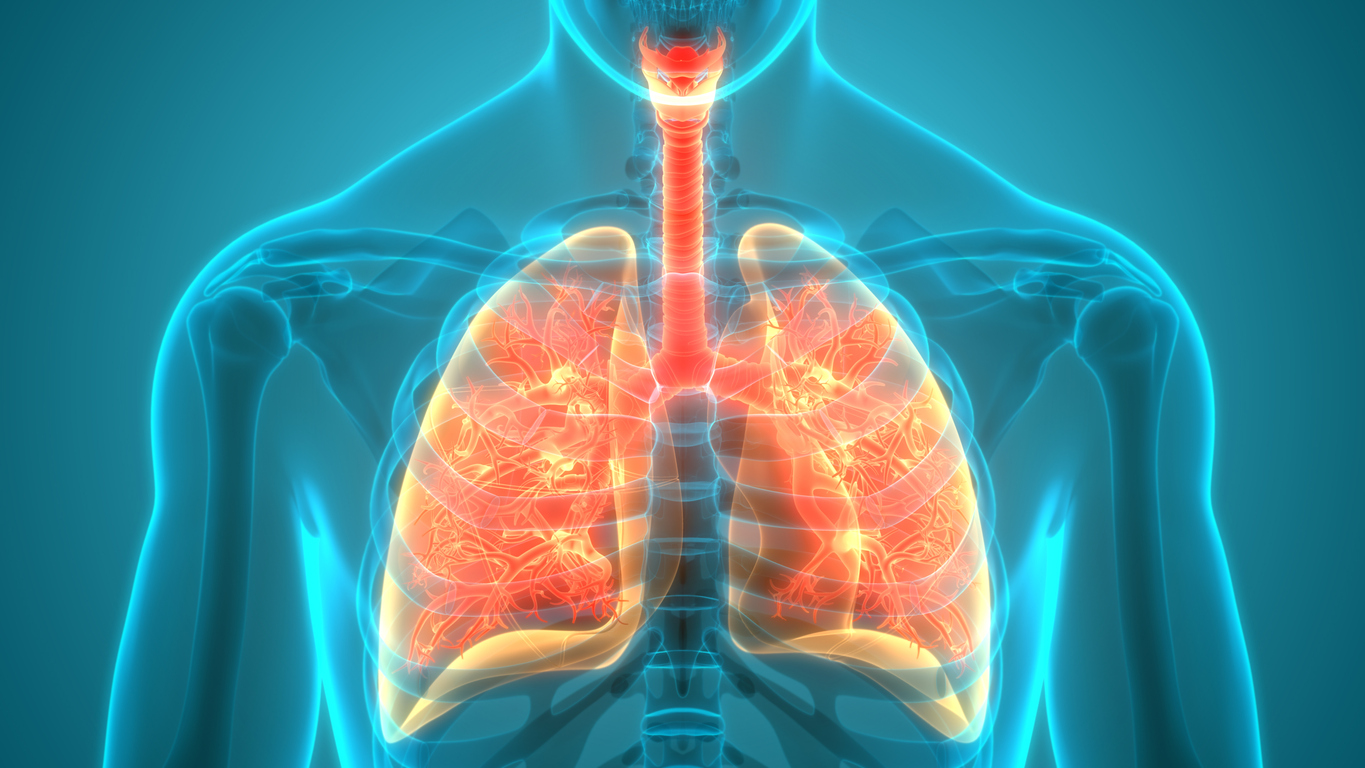
The respiratory system is a complex network of organs and tissues that work together to provide oxygen to the body and eliminate carbon dioxide. The lungs are the main organs of the respiratory system, and their primary function is to exchange gases with the bloodstream. The process of respiration involves inhaling air through the nose or mouth, passing it through the trachea and bronchi, and then into the lungs, where oxygen is absorbed into the bloodstream and carbon dioxide is released.

Healthy lungs are essential for proper respiratory function, and any damage to the lungs can impair the exchange of gases and lead to a variety of health problems, including respiratory infections, chronic obstructive pulmonary disease (COPD), and lung cancer.

Maintaining lung health,

There are several things you can do to maintain healthy lungs and promote proper respiratory function:

  • Quit smoking: Smoking is one of the most significant risk factors for lung disease and can cause irreparable damage to the lungs. If you smoke, quitting is the most important step you can take to protect your lung health.
  • Avoid exposure to air pollution: Exposure to air pollution, such as fine particulate matter, can increase the risk of lung disease. Try to avoid spending time outdoors during high-pollution days, and if you live in an area with poor air quality, consider using an air purifier indoors.
  • Exercise regularly: Regular exercise can help improve lung function and promote respiratory health. Aim for at least 30 minutes of moderate exercise per day, such as brisk walking or cycling.
  • Practice good uygiene: Respiratory infections, such as the flu and COVID-19, can damage the lungs and lead to serious complications. Practicing good hygiene, such as washing your hands frequently and avoiding close contact with sick individuals, can help reduce the risk of infection.
  • Get regular check-ups: Regular check-ups with your healthcare provider can help detect lung problems early and prevent further damage.

Lung health is essential for our overall well-being, and proper respiratory function is crucial for our survival. Taking steps to maintain healthy lungs, such as quitting smoking, avoiding air pollution, exercising regularly, practicing good hygiene, and getting regular check-ups, can help reduce the risk of lung disease and promote proper respiratory function. If you have concerns about your lung health, speak to your healthcare provider, who can provide guidance and recommend appropriate treatment options.

Zika virus: the emerging threat

Zika virus is a mosquito-borne virus that was first identified in the Zika Forest of Uganda in 1947. For many years, it was considered a relatively benign disease that caused mild symptoms, such as fever, rash, and joint pain. However, in 2015, an outbreak of Zika virus in Brazil led to an alarming discovery – the virus could cause severe birth defects in infants born to infected mothers. This discovery has turned Zika virus from a relatively minor disease to a major public health threat.

Transmission and symptoms,

Zika virus is primarily transmitted through the bite of infected Aedes mosquitoes, which are found in tropical and subtropical regions. The virus can also be transmitted through sexual contact and blood transfusions, and from a pregnant woman to her fetus.

The symptoms of Zika virus are usually mild and last for several days to a week. They include fever, rash, joint pain, and red eyes. Most people who are infected with Zika virus do not even realize they have it because they do not show any symptoms. However, in some cases, the virus can lead to more severe symptoms, such as Guillain-Barre syndrome, a rare disorder in which the body’s immune system attacks the nervous system, causing paralysis.

The emerging threat,

The emergence of Zika virus as a major threat is due to its ability to cause severe birth defects. In pregnant women, the virus can be transmitted to the fetus, leading to a condition called microcephaly, in which the baby’s head is abnormally small. This can cause significant developmental problems, including intellectual disability, seizures, and other neurological problems.

In addition to microcephaly, Zika virus has been linked to other birth defects, such as eye defects, hearing loss, and impaired growth. The full extent of the damage that Zika virus can cause to developing fetuses is still unknown, and researchers are still trying to understand the long-term effects of the virus on infants and children.

Prevention and treatment,

There is currently no vaccine or specific treatment for Zika virus. The best way to prevent infection is to avoid mosquito bites by using insect repellent, wearing long-sleeved shirts and pants, and staying in screened-in or air-conditioned rooms. Pregnant women and their partners should take extra precautions to prevent infection, as the virus can be transmitted from a pregnant woman to her fetus and from a man to his sexual partners.

If you think you have been infected with Zika virus, you should seek medical attention immediately. Your doctor can perform a blood or urine test to confirm the diagnosis. Treatment is usually focused on relieving symptoms, such as fever and joint pain, and preventing complications.

Zika virus is a serious public health threat that has emerged in recent years. While the symptoms of the virus are usually mild, the potential for severe birth defects makes it a significant concern for pregnant women and their partners. To prevent infection, it is important to take steps to avoid mosquito bites and to practice safe sex. If you think you may have been infected with Zika virus, seek medical attention immediately.

Understanding autoimmune diseases: symptoms and treatment

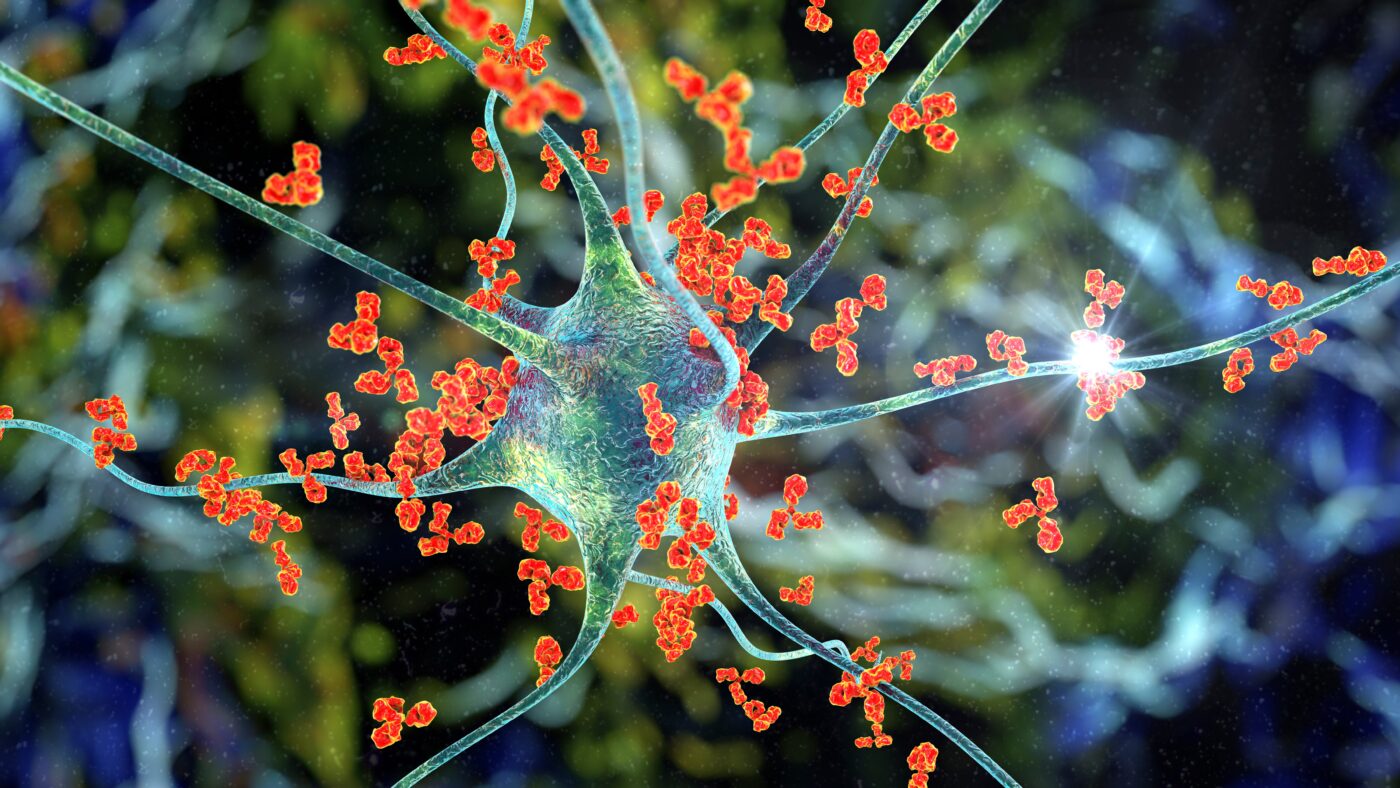
Autoimmune diseases are a group of disorders that occur when the immune system mistakenly attacks healthy cells and tissues in the body. There are over 80 known autoimmune diseases, each affecting different parts of the body. In this article, we will discuss the common symptoms and treatment options for autoimmune diseases.

Symptoms of Autoimmune Diseases: Autoimmune diseases can affect almost any part of the body, which means the symptoms vary depending on the type of autoimmune disease a person has. However, there are some common symptoms that may indicate an autoimmune disease, including:

  • Fatigue: People with autoimmune diseases often experience severe fatigue that does not improve with rest or sleep.
  • Joint pain and stiffness: Some autoimmune diseases cause joint pain and stiffness, which can be mistaken for arthritis.
  • Skin problems: Many autoimmune diseases can cause rashes, hives, or other skin problems.
  • Digestive problems: Some autoimmune diseases affect the digestive system, causing symptoms such as bloating, cramping, and diarrhea.
  • Muscle weakness: Certain autoimmune diseases cause muscle weakness, making it difficult to perform everyday tasks.
  • Numbness and tingling: Autoimmune diseases can cause numbness and tingling in the hands and feet.

Treatment Options for Autoimmune Diseases: The treatment for autoimmune diseases depends on the type and severity of the disease. Some treatment options for autoimmune diseases include:

  • Medications: There are several medications that can help reduce inflammation and suppress the immune system to prevent further damage to the body.
  • Lifestyle changes: Some autoimmune diseases can be managed with lifestyle changes such as eating a healthy diet, getting regular exercise, and reducing stress.
  • Alternative therapies: Alternative therapies such as acupuncture, massage, and meditation may help reduce symptoms of autoimmune diseases.
  • Surgery: In some cases, surgery may be necessary to remove damaged tissue or repair organs that have been affected by an autoimmune disease.

Prevention of Autoimmune Diseases: Unfortunately, there is no known way to prevent autoimmune diseases. However, there are some things that people can do to reduce their risk of developing autoimmune diseases, including:

  • Eating a healthy diet: A diet that is rich in fruits, vegetables, and whole grains can help support a healthy immune system.
  • Getting regular exercise: Exercise can help reduce inflammation and support overall health.
  • Managing stress: Stress can trigger autoimmune disease flares, so it is important to manage stress through relaxation techniques such as meditation, deep breathing, or yoga.
  • Avoiding environmental toxins: Exposure to environmental toxins such as pesticides and pollution can increase the risk of developing autoimmune diseases.

In conclusion, autoimmune diseases are complex disorders that can cause a wide range of symptoms. If you suspect that you have an autoimmune disease, it is important to see a healthcare provider for a proper diagnosis and treatment plan. With proper management, many people with autoimmune diseases can lead healthy, productive lives.

The impact of social media on mental health

Social media has transformed the way we communicate and interact with one another. It has opened up new channels of communication, created new communities, and provided a platform for self-expression. However, as with any technology, social media has its drawbacks. One of the most concerning of these drawbacks is its impact on mental health.

The relationship between social media and mental health is complex and multifaceted. While social media can have positive effects on mental health, such as providing a sense of connection and community, it can also have negative effects, such as triggering anxiety and depression. Here are some of the ways social media can impact mental health:

  • Social Comparison One of the most common ways that social media can impact mental health is through social comparison. People often use social media to present an idealized version of themselves and their lives. This can create a distorted view of reality, leading individuals to compare their lives to others and feel inadequate.
  • Cyberbullying Cyberbullying is another way that social media can negatively impact mental health. Online harassment, trolling, and cyberbullying can cause anxiety, depression, and even suicide. Cyberbullying is particularly harmful because it can happen anonymously, and the victims may not know who is responsible.
  • Addiction Social media addiction is a growing concern. The constant need to check notifications and scroll through social media feeds can create a sense of anxiety and stress. This can lead to addiction, which can have negative effects on mental health.
  • Sleep Disruption Social media can disrupt sleep patterns. The blue light emitted by smartphones and computers can interfere with the production of melatonin, a hormone that regulates sleep. This can lead to insomnia, which can negatively impact mental health.
  • Unrealistic Expectations Social media can create unrealistic expectations for individuals. The constant exposure to idealized images and posts can lead to the belief that everyone else is living a perfect life. This can create feelings of inadequacy and low self-esteem.

Despite the potential negative effects of social media on mental health, it is important to recognize that social media can also have positive effects. It can provide a sense of community and support, and can connect individuals who may not have been able to connect otherwise.

To mitigate the negative effects of social media on mental health, it is important to take steps to limit social media use. This may include setting boundaries on social media use, taking breaks from social media, and seeking support from friends and family.

Overall, social media has transformed the way we communicate and interact with one another. While it has the potential to positively impact mental health, it is important to be aware of its potential negative effects and take steps to mitigate them. By being mindful of social media use, individuals can use this technology in a way that promotes mental health and well-being.

The role of nutrition in eye health

The health of our eyes is crucial to our overall well-being, and one important factor that can affect our eye health is nutrition. Eating a balanced diet with essential nutrients can help to maintain healthy eyes and reduce the risk of various eye diseases.

There are several nutrients that play a significant role in eye health. These include:

  • Vitamin A: This vitamin is essential for good vision as it helps to form the light-sensitive cells in the retina. A deficiency in vitamin A can lead to night blindness and other eye problems.
  • Vitamin C: This vitamin is an antioxidant that can help to protect the eyes from damage caused by free radicals. It also supports the health of blood vessels in the eyes.
    Improve your overall health and well-being with Sunmark® Ascorbic Acid Vitamin C Supplement.
  • Vitamin E: Another antioxidant, vitamin E can help to prevent age-related macular degeneration (AMD), which is a leading cause of blindness in older adults.
  • Zinc: This mineral is important for the health of the retina and helps to transport vitamin A from the liver to the retina.
  • Omega-3 fatty acids: These healthy fats are crucial for eye health and can help to prevent dry eyes and AMD.
  • Lutein and zeaxanthin: These two nutrients are found in high concentrations in the macula of the eye and can help to protect against AMD.

Eating a variety of foods that are rich in these nutrients can help to maintain good eye health. Some examples include:

  1. Leafy green vegetables such as spinach and kale, which are high in lutein and zeaxanthin.
  2. Carrots, sweet potatoes, and other orange-colored fruits and vegetables, which are high in beta-carotene, a precursor to vitamin A.
  3. Citrus fruits, strawberries, and bell peppers, which are high in vitamin C.
  4. Nuts and seeds, such as almonds and sunflower seeds, which are high in vitamin E and zinc.
  5. Fatty fish, such as salmon and tuna, which are high in omega-3 fatty acids.

It’s important to note that while diet can play a significant role in eye health, it’s not a substitute for regular eye exams and proper eye care. If you’re experiencing any vision problems or eye discomfort, it’s essential to seek medical attention from a qualified eye doctor.

Promote healthy vision with Ocuvite® Multivitamin Supplement.

Good nutrition is vital for maintaining healthy eyes and reducing the risk of eye diseases. By incorporating a variety of nutrient-rich foods into your diet, you can help to protect your eyes and preserve your vision for years to come.

From periods to pregnancy: understanding women’s health needs

Women’s health needs are unique and varied, covering a wide range of issues from puberty to pregnancy and beyond. Understanding these needs is essential for maintaining good health throughout a woman’s life.

From periods to pregnancy, let’s take a closer look at some of the key areas of women’s health.

Puberty and menstruation

Puberty marks the beginning of a woman’s reproductive years. It typically occurs between the ages of 8 and 13 and is marked by the onset of menstruation, or periods.

During this time, it’s essential for young girls to learn about their menstrual cycles, including how to manage their periods, how to recognize signs of potential health issues, and how to practice good hygiene.

Reproductive health,

As women move into their reproductive years, their health needs shift to focus on family planning, pregnancy, and childbirth. Regular gynecological exams and screenings can help detect potential health issues, such as sexually transmitted infections (STIs), cervical cancer, and infertility.

It’s also important to understand the different birth control options available, such as condoms, hormonal birth control pills, intrauterine devices (IUDs), and sterilization.

Pregnancy and childbirth,

Pregnancy is a life-changing experience that requires careful management to ensure the health of both the mother and the baby. Regular prenatal care, including ultrasounds and blood tests, can help monitor the health of the mother and identify any potential complications.

Childbirth can be a challenging and unpredictable experience, but with the right support, women can have a safe and positive birth experience. Options for childbirth include hospital births, home births, and birthing centers.

Menopause and beyond,

Menopause is a natural transition that marks the end of a woman’s reproductive years. During this time, women may experience a range of symptoms, including hot flashes, mood swings, and changes in libido. Hormone replacement therapy (HRT) can help manage these symptoms, but it’s important to discuss the risks and benefits with a healthcare provider.

Beyond menopause, women’s health needs may include regular screenings for breast cancer, bone density testing, and management of chronic health conditions such as diabetes and heart disease.

Conclusion,

Women’s health needs are complex and multifaceted, requiring a comprehensive approach to care. From puberty to pregnancy and beyond, understanding and addressing these needs is essential for promoting good health and well-being throughout a woman’s life. Regular check-ups, screenings, and open communication with a healthcare provider can help women stay healthy and informed.

Palliative care: the comforting care

Palliative care is a specialized medical care approach that focuses on improving the quality of life for people with serious or chronic illnesses, regardless of their age, diagnosis, or stage of the illness. The goal of palliative care is to relieve symptoms, reduce pain, and provide emotional and spiritual support to patients and their families.

Palliative care is different from hospice care, which is a type of end-of-life care provided to people with a terminal illness. Palliative care can be provided at any stage of the illness, and it can be provided alongside curative treatments.

Palliative care is a comprehensive care approach that addresses the physical, emotional, social, and spiritual needs of patients. It involves a team of healthcare professionals, including physicians, nurses, social workers, and chaplains, who work together to provide personalized care that meets the unique needs of each patient.

One of the main goals of palliative care is to manage symptoms, such as pain, nausea, fatigue, and shortness of breath, that can be caused by the illness or its treatment. Palliative care providers use a range of therapies, including medications, physical therapy, and massage, to relieve symptoms and improve the patient’s comfort.

In addition to managing symptoms, palliative care providers also offer emotional and spiritual support to patients and their families. They help patients cope with the emotional impact of their illness, and they provide counseling and other services to address psychological and social concerns.

Palliative care providers also offer support to family members, who may be struggling to cope with the illness of their loved one. They provide education about the illness and its treatment, as well as practical support, such as assistance with caregiving and accessing community resources.

One of the key benefits of palliative care is that it can improve the patient’s quality of life. By managing symptoms and providing emotional support, palliative care can help patients feel more comfortable and at peace, even as they face a serious or chronic illness.

Research has shown that palliative care can also improve the patient’s overall health outcomes. Patients who receive palliative care are less likely to be hospitalized, and they may have better symptom control, improved quality of life, and increased survival rates.

Palliative care is a vital part of the healthcare system, and it is increasingly being recognized as an essential component of quality care for people with serious or chronic illnesses. If you or a loved one is facing a serious or chronic illness, consider talking to your healthcare provider about palliative care and how it could benefit you.

Multiple sclerosis: The nerve damage

Multiple sclerosis (MS) is a chronic autoimmune disease that affects the central nervous system (CNS), which includes the brain, spinal cord, and optic nerves. The disease causes inflammation and damage to the myelin sheath, a protective covering that surrounds and insulates nerve fibers. As a result, the communication between the nerves and the brain is disrupted, leading to a wide range of symptoms.

The cause of MS is not fully understood, but it is believed to be a combination of genetic and environmental factors. Certain genes have been identified that may increase the risk of developing MS, but other factors such as infections, smoking, and low vitamin D levels may also play a role. The disease is most commonly diagnosed in people between the ages of 20 and 40, and women are more likely to be affected than men.

Symptoms of MS can vary greatly from person to person, depending on the location and severity of the damage to the CNS. Common symptoms include fatigue, difficulty walking, numbness or tingling in the limbs, muscle weakness, and vision problems. Other symptoms may include bladder or bowel dysfunction, cognitive impairment, and mood changes.

There is no cure for MS, but there are treatments available that can help manage symptoms and slow the progression of the disease. These treatments may include medications, physical therapy, and lifestyle modifications such as exercise and a healthy diet. In addition, ongoing research is focused on developing new therapies and improving our understanding of the disease in order to ultimately find a cure. With proper management and treatment, many people with MS are able to live full and productive lives.