
loader

Month: July 2023

Immunometabolism: linking immune response and metabolic regulation

The human body is a complex and interconnected system, where various biological processes work in harmony to maintain homeostasis and protect against threats. Immunometabolism is an emerging field of research that focuses on the intricate interplay between the immune system and metabolic processes. It explores how immune responses are regulated by metabolic pathways and how cellular metabolism influences immune function. This article delves into the fascinating world of immunometabolism and its implications for understanding health, disease, and potential therapeutic interventions.

The intersection of immune response and metabolism,

Traditionally, immunology and metabolism were studied as separate disciplines. However, advancements in scientific research have revealed that these two systems are deeply intertwined and significantly influence each other’s functions. Immune cells require energy and building blocks to perform their roles effectively, and they achieve this by engaging specific metabolic pathways.

Metabolic pathways in immune cells,

  • Glycolysis: Glycolysis is a metabolic pathway that breaks down glucose into pyruvate, generating ATP, the cell’s primary energy currency. Activated immune cells, such as T cells and macrophages, increase glycolysis to meet their energy demands during immune responses.
  • Oxidative phosphorylation: Oxidative phosphorylation occurs in the mitochondria and is the main source of ATP production. In contrast to glycolysis, immune cells shift to oxidative phosphorylation during the resolution phase of immune responses when energy demands decrease.
  • Fatty acid oxidation (FAO): FAO is a process that breaks down fatty acids to generate energy. This pathway is crucial for the function of specific immune cell subsets, such as regulatory T cells (Tregs) and memory T cells.
  • Amino Acid Metabolism: Amino acids serve as both building blocks for protein synthesis and essential components of various metabolic pathways. Immune cells use specific amino acids to regulate their functions and support immune responses.

Immunometabolism in Health and Disease,

  • Infection and inflammation: During infections or inflammatory conditions, the immune system ramps up its activity, leading to increased energy demands and metabolic reprogramming. Understanding immunometabolism can provide insights into the pathogenesis of infectious and inflammatory diseases.
  • Autoimmune disorders: Dysregulated immunometabolism may contribute to the development of autoimmune diseases, where the immune system mistakenly attacks healthy tissues. Altered metabolic pathways in immune cells may disrupt immune tolerance and contribute to autoimmune pathology.
  • Cancer immunology: Tumor microenvironments exhibit unique metabolic characteristics that affect both cancer cells and infiltrating immune cells. Immunometabolism research is essential for developing cancer immunotherapies that enhance anti-tumor immune responses.
  • Metabolic disorders: Metabolic disorders such as obesity and type 2 diabetes are associated with chronic low-grade inflammation, known as meta-inflammation. Understanding the interplay between metabolism and immune response can shed light on the pathophysiology of metabolic diseases.

Therapeutic implications,

The emerging field of immunometabolism has promising therapeutic implications:

  • Immunometabolic therapies: Targeting specific metabolic pathways in immune cells could modulate immune responses, potentially enhancing or suppressing them to treat various diseases.
  • Personalized medicine: Understanding a patient’s immunometabolic profile may help tailor therapies to their specific needs, improving treatment outcomes and reducing side effects.
  • Nutritional interventions: Nutritional approaches can influence immunometabolism. Dietary modifications that support immune cell function may be beneficial for specific diseases.
  • Drug development: Immunometabolism research could lead to the development of novel drugs that target metabolic pathways in immune cells, opening new avenues for disease treatment.

Immunometabolism is a fascinating and rapidly evolving field that unveils the intricate connections between the immune system and cellular metabolism. This integration plays a pivotal role in health, disease, and therapeutic interventions. As our understanding of immunometabolism expands, it has the potential to revolutionize medical practices, offering new strategies to combat infectious diseases, inflammatory conditions, cancer, and metabolic disorders. The study of immunometabolism represents a captivating frontier in biomedical research, promising to uncover novel insights into the functioning of the immune system and its interactions with metabolic pathways, ultimately leading to improved healthcare outcomes for millions of people worldwide.

Advances in stem cell research: therapeutic potentials

Stem cells are unique cells with the remarkable ability to differentiate into various specialized cell types in the body. Their potential to regenerate and repair damaged tissues has captured the attention of researchers and medical professionals worldwide. Over the past few decades, significant advances in stem cell research have unlocked a wealth of therapeutic potentials across numerous medical fields. This article explores some of the groundbreaking developments in stem cell research and their exciting therapeutic applications.

Understanding stem cells,

Stem cells can be broadly categorized into two main types:

  • Embryonic stem cells (ESCs): Derived from early-stage embryos, ESCs are pluripotent, meaning they have the capacity to differentiate into any cell type in the body.
  • Adult or somatic stem cells: These stem cells exist in various tissues and organs throughout the body and are responsible for maintaining tissue homeostasis and repair. They are multipotent, with the ability to differentiate into a limited range of cell types specific to their tissue of origin.

Therapeutic potentials of stem cells,

  • Regenerative medicine: Stem cells hold immense promise in regenerative medicine, where they can replace damaged or diseased cells and tissues. For instance, in conditions like spinal cord injuries, heart diseases, and degenerative joint disorders, stem cell-based therapies aim to repair and restore lost function.
  • Organ transplants: The shortage of donor organs for transplantation has prompted researchers to explore the possibility of growing replacement organs from a patient’s own stem cells. While still in early stages, this approach, known as organoid or tissue engineering, has the potential to revolutionize the field of transplantation.
  • Treating blood disorders: Hematopoietic stem cell transplantation (HSCT) has been successfully used to treat various blood disorders, including leukemia, lymphoma, and certain inherited immune disorders. HSCT involves replacing diseased or malfunctioning blood-forming cells with healthy stem cells from a compatible donor.
  • Neurological conditions: Stem cell-based therapies are being investigated for their potential in treating neurological conditions, such as Parkinson’s disease, Alzheimer’s disease, and spinal cord injuries. By replacing damaged nerve cells and promoting neural repair, these therapies offer hope for patients with currently incurable conditions.
  • Diabetes treatment: Researchers are exploring the use of stem cells to regenerate insulin-producing beta cells in the pancreas for individuals with type 1 diabetes or severe type 2 diabetes.
  • Autoimmune diseases: Stem cell therapies hold promise in autoimmune diseases, where the immune system attacks healthy cells. By resetting the immune system using stem cells, researchers aim to halt the disease’s progression and promote remission.

Challenges and ethical considerations,

While the potential of stem cell research is vast, several challenges and ethical considerations remain:

  • Safety: Ensuring the safety of stem cell therapies is paramount. The risk of uncontrolled cell growth, tumorigenicity, and immune rejection must be carefully managed.
  • Ethical use of ESCs: The use of embryonic stem cells raises ethical concerns, as obtaining these cells often involves the destruction of human embryos. However, advances in reprogramming adult cells into pluripotent stem cells (iPSCs) have mitigated some of these concerns.
  • Standardization and regulation: The standardization of stem cell-based therapies and rigorous regulatory oversight are essential to ensure their safe and effective implementation.
  • Long-term efficacy: Long-term follow-up studies are necessary to determine the durability and efficacy of stem cell treatments.

Advances in stem cell research have transformed the landscape of medicine, offering unprecedented therapeutic potentials for a wide range of diseases and conditions. From regenerative medicine to treating blood disorders and neurological conditions, stem cell-based therapies are paving the way for innovative treatments and better patient outcomes. However, it is crucial to address safety concerns, adhere to ethical guidelines, and continue rigorous research to unlock the full potential of stem cells in revolutionizing modern healthcare. As research progresses, the promise of stem cell therapies as transformative medical interventions continues to be an exciting area of exploration for the future.

Cannabinoids in medicine: therapeutic uses and safety considerations

Cannabinoids, the active compounds found in the cannabis plant, have been used for medicinal purposes for centuries. In recent years, there has been a growing interest in the therapeutic potential of cannabinoids in various medical conditions. Cannabidiol (CBD) and delta-9-tetrahydrocannabinol (THC) are the two most well-known cannabinoids. While THC is responsible for the psychoactive effects of cannabis, CBD does not produce intoxication and has garnered attention for its potential medical benefits. This article explores the therapeutic uses of cannabinoids in medicine and the safety considerations associated with their use.

Therapeutic uses of cannabinoids,

  • Pain management: One of the most widely recognized therapeutic uses of cannabinoids is for pain relief. Both THC and CBD have been studied for their analgesic properties, and they may be effective in managing chronic pain associated with conditions such as neuropathy, multiple sclerosis, and cancer.
  • Neurological disorders: Cannabinoids have shown promise in treating various neurological conditions, including epilepsy. In particular, CBD has been approved by the FDA as a treatment for certain forms of severe epilepsy. Additionally, cannabinoids are being investigated for their potential in managing conditions like Parkinson’s disease, Alzheimer’s disease, and multiple sclerosis.
  • Anxiety and depression: Some studies suggest that CBD may have anxiolytic and antidepressant effects, offering a potential alternative for those who do not respond well to traditional medications or experience unwanted side effects.
  • Nausea and vomiting: Both THC and CBD have antiemetic properties, making them useful in managing nausea and vomiting associated with chemotherapy and other medical treatments.
  • Inflammatory conditions: Cannabinoids have demonstrated anti-inflammatory effects, which may be beneficial in conditions such as rheumatoid arthritis, inflammatory bowel disease (IBD), and certain skin disorders.
  • Sleep disorders: CBD has been explored as a potential treatment for sleep disorders like insomnia, with some studies suggesting it may help improve sleep quality and reduce sleep disturbances.

Safety considerations,

  • Psychoactive effects: THC, the psychoactive compound in cannabis, can cause altered perception, impaired cognition, and euphoria. When using products containing THC for medicinal purposes, it’s essential to consider potential cognitive and psychomotor effects.
  • Drug interactions: Cannabinoids can interact with other medications, potentially affecting their metabolism and efficacy. Patients should inform their healthcare providers about any cannabinoid use to avoid adverse drug interactions.
  • Quality and purity: The regulation of cannabis-based products varies by region, leading to variability in product quality and purity. Ensuring the use of high-quality and reliable products is crucial for safety and efficacy.
  • Adverse effects: While CBD is generally well-tolerated, some individuals may experience side effects such as fatigue, diarrhea, and changes in appetite. THC can cause anxiety, paranoia, and tachycardia in some users.
  • Addiction potential: Regular use of THC-containing products may lead to dependence and addiction. It’s important to use these products responsibly and under the guidance of healthcare professionals.
  • Age and pregnancy: The use of cannabinoids in children, adolescents, and pregnant individuals should be approached with caution, as research on their safety in these populations is limited.

Cannabinoids offer a promising avenue for medical treatments across various conditions, and their therapeutic potential continues to be studied. CBD, in particular, has gained significant attention for its potential in managing pain, neurological disorders, anxiety, and other health conditions. However, it’s essential to consider safety considerations and adhere to proper dosing and administration guidelines when using cannabinoids for medicinal purposes.

Patients interested in cannabinoid-based treatments should consult with healthcare professionals who have expertise in this area. They can provide personalized guidance, consider potential drug interactions, and help patients make informed decisions about the appropriate use of cannabinoids in their medical treatment plans. As research in this field progresses and regulations evolve, cannabinoids may play an increasingly significant role in modern medicine, offering hope and relief to patients in need.

The role of gut microbiota in allergic conditions

In recent years, researchers have made significant strides in understanding the complex relationship between our gut microbiota and various health conditions. Among the emerging areas of interest is the role of gut microbiota in allergic conditions. Allergies have become increasingly prevalent, affecting millions of people worldwide. Unraveling the mechanisms by which gut microbes influence allergic responses could potentially lead to novel therapeutic approaches and preventive strategies. This article explores the current understanding of the link between gut microbiota and allergic conditions.

The gut microbiota: An ecosystem within,

The gut microbiota refers to the diverse community of microorganisms, including bacteria, viruses, fungi, and other microbes, residing in the gastrointestinal tract. It forms a complex ecosystem, with its composition influenced by various factors such as diet, lifestyle, genetics, and environmental exposures. The microbiota plays a crucial role in several essential bodily functions, including digestion, metabolism, and immune system regulation.

The gut-allergy connection,

The development and regulation of the immune system are profoundly impacted by the gut microbiota during early life and beyond. Studies have demonstrated that a balanced and diverse gut microbial community can have a beneficial effect on immune function, reducing the risk of developing allergic conditions. Conversely, disruptions in the gut microbiota, often caused by factors like antibiotic use, diet changes, or stress, have been associated with an increased susceptibility to allergies.

  1. Gut microbiota and immune tolerance:

One of the essential functions of the gut microbiota is its role in promoting immune tolerance. During early life, exposure to diverse microbes helps train the developing immune system to distinguish between harmful pathogens and harmless substances. This process, known as immune education, is vital in preventing the immune system from overreacting to harmless allergens later in life.

Studies on germ-free mice, which lack gut microbiota, have shown that they tend to develop more pronounced allergic responses compared to their conventionally raised counterparts. This observation underscores the significance of gut microbes in fostering immune tolerance and preventing allergic reactions.

  1. Gut microbiota and barrier function:

The gut lining serves as a barrier that prevents harmful substances, including allergens, from entering the bloodstream. A healthy gut microbiota contributes to maintaining this barrier’s integrity, preventing the translocation of allergens and toxins.

In cases where the gut microbiota is imbalanced, the gut barrier may become compromised, leading to increased permeability (leaky gut). This heightened permeability allows allergens and other potentially harmful substances to pass through the gut lining, triggering immune responses and contributing to the development of allergic conditions.

  1. Short-chain fatty acids (SCFAs):

The gut microbiota ferment dietary fibers, producing short-chain fatty acids (SCFAs) as byproducts. SCFAs have anti-inflammatory properties and play a crucial role in maintaining gut health. These SCFAs can influence the balance of immune cells and cytokines in the gut, promoting a more tolerant and less allergic-prone environment.

Research has suggested that specific SCFAs, such as butyrate, can directly impact immune cell function and may have potential in reducing allergic inflammation and symptoms.

The link between gut microbiota and allergic conditions is a promising area of research that continues to garner attention from the scientific community. The complex interplay between gut microbes, the immune system, and allergens highlights the significance of maintaining a healthy gut microbiota for preventing and managing allergic conditions.

While the evidence supporting the gut-allergy connection is compelling, more research is needed to fully understand the mechanisms involved and to develop targeted interventions. Future advancements in this field may pave the way for innovative treatments and strategies that harness the potential of the gut microbiota to combat allergies and improve overall immune health. In the meantime, adopting a balanced diet, minimizing unnecessary antibiotic use, and managing stress are practical steps individuals can take to support a diverse and thriving gut microbiota.

Preventive cardiology: strategies for cardiovascular risk reduction

Cardiovascular diseases (CVDs) are a leading cause of morbidity and mortality worldwide. They encompass a range of conditions affecting the heart and blood vessels, including coronary artery disease, heart attacks, strokes, and heart failure. However, many of these conditions are preventable through the adoption of a proactive approach known as preventive cardiology. This branch of medicine focuses on identifying and managing risk factors to reduce the likelihood of developing CVDs. In this article, we will explore some key strategies for cardiovascular risk reduction and maintaining heart health.

  1. Embrace a heart-healthy diet:

A well-balanced diet is fundamental to cardiovascular health. A heart-healthy diet includes:

  • Fruits and Vegetables: Aim to consume a variety of colorful fruits and vegetables, which are rich in vitamins, minerals, and antioxidants. These nutrients help reduce inflammation and protect against heart disease.
  • Whole Grains: Replace refined grains with whole grains like brown rice, whole wheat, oats, and quinoa. Whole grains contain fiber, which aids in controlling cholesterol levels and maintaining stable blood sugar levels.
  • Healthy Fats: Choose sources of healthy fats, such as olive oil, avocados, nuts, and seeds, over saturated and trans fats. These fats can help lower bad cholesterol (LDL) levels.
  • Lean Proteins: Opt for lean protein sources like fish, poultry, legumes, and tofu. Fish high in omega-3 fatty acids, such as salmon and mackerel, are particularly beneficial for heart health.
  • Limit Sodium and Added Sugars: Excess sodium can raise blood pressure, and added sugars contribute to obesity and diabetes risk. Reduce your intake of processed and packaged foods high in salt and added sugars.
  1. Engage in regular physical activity:

Regular physical activity is crucial for cardiovascular health. Aim for at least 150 minutes of moderate-intensity aerobic exercise or 75 minutes of vigorous-intensity aerobic exercise per week. Activities like brisk walking, jogging, swimming, or cycling can improve heart function, lower blood pressure, and promote weight management.

  1. Avoid tobacco and limit alcohol consumption:

Tobacco use is a significant risk factor for CVDs. Smoking damages blood vessels, increases blood pressure, and decreases good cholesterol (HDL). Quitting smoking is one of the most impactful steps individuals can take to improve heart health. Additionally, excessive alcohol consumption can raise blood pressure and contribute to weight gain. If you drink alcohol, do so in moderation, following the recommended guidelines from health authorities.

  1. Manage stress:

Chronic stress can negatively impact cardiovascular health. High-stress levels may lead to behaviors like overeating, smoking, or being sedentary, which are detrimental to the heart. Engage in stress-reducing activities like yoga, meditation, deep breathing exercises, or hobbies that bring joy and relaxation.

  1. Monitor blood pressure and cholesterol levels:

Regular health check-ups are essential for monitoring blood pressure and cholesterol levels. High blood pressure and elevated cholesterol are significant risk factors for heart disease. If these levels are outside the healthy range, work with your healthcare provider to develop a plan to manage them effectively.

  1. Maintain a healthy weight:

Obesity and excess body weight strain the heart and increase the risk of developing CVDs. Achieving and maintaining a healthy weight through a combination of a balanced diet and regular exercise is vital for cardiovascular risk reduction.

  1. Control diabetes:

Diabetes significantly raises the risk of heart disease. If you have diabetes, work closely with your healthcare team to manage blood sugar levels and reduce the risk of complications.

Preventive cardiology is a proactive approach to reduce the burden of cardiovascular diseases on individuals and society. By adopting a heart-healthy lifestyle and managing risk factors, individuals can significantly lower their chances of developing CVDs. Emphasizing a nutritious diet, engaging in regular physical activity, avoiding tobacco, managing stress, and monitoring blood pressure and cholesterol levels are key strategies for cardiovascular risk reduction. Remember, small lifestyle changes can yield significant benefits for heart health and overall well-being. Always consult with healthcare professionals for personalized guidance and support in your journey to maintain a healthy heart.

Adoptive T cell therapy: harnessing the power of the immune system

The human immune system is a remarkable defense mechanism designed to protect the body from infections, diseases, and harmful invaders. Within this intricate system, T cells play a central role in identifying and eliminating abnormal cells, including infected cells and cancerous cells. Harnessing the power of T cells for therapeutic purposes has given rise to a groundbreaking approach known as Adoptive T Cell Therapy (ACT). This innovative immunotherapy has shown great promise in treating various cancers and other diseases, offering new hope to patients who have exhausted conventional treatment options. In this article, we will explore the fundamentals, methods, and implications of Adoptive T Cell Therapy.

Understanding adoptive T cell therapy

ACT is a personalized form of immunotherapy that involves the isolation, modification, and infusion of a patient’s own T cells to enhance their ability to target and destroy specific threats, such as cancer cells. The treatment aims to leverage the immune system’s inherent capacity to recognize and eliminate abnormal cells, reinforcing its natural response to disease.

The process of ACT,

  • T cell collection: The first step in ACT involves harvesting T cells from the patient’s blood. These cells are then isolated and separated from other blood components through a process called leukapheresis.
  • Genetic modification: Once isolated, the collected T cells undergo genetic modification in the laboratory. This involves introducing chimeric antigen receptors (CARs) or T cell receptors (TCRs) that are engineered to recognize and bind to specific antigens present on the surface of target cells, such as cancer cells.
  • T cell expansion: Modified T cells are then multiplied in the lab through cell culture, resulting in a large population of potent and antigen-specific T cells.
  • Infusion: After sufficient expansion, the activated and enhanced T cells are infused back into the patient’s bloodstream, where they can locate and attack targeted cells, be it cancerous or infected cells.

Types of adoptive T Cell therapy,

  • CAR T cell therapy: Chimeric Antigen Receptor T cell therapy involves engineering T cells to express synthetic receptors (CARs) on their surface. These CARs are designed to recognize specific tumor-associated antigens, enabling the T cells to efficiently target and eliminate cancer cells.
  • TCR T cell therapy: T Cell Receptor T cell therapy involves modifying T cells to express T cell receptors that can recognize specific antigens presented on the surface of cancer cells. This approach allows T cells to target a broader range of cancer types.

Implications for cancer treatment,

ACT has demonstrated remarkable success in treating certain types of cancers, particularly those that are difficult to manage with conventional therapies. Some implications include:

  • Improved treatment response: ACT has shown substantial response rates in patients with hematologic malignancies, such as certain types of leukemia and lymphoma.
  • Prolonged remission: In some cases, ACT has led to sustained remissions and, in a few instances, complete eradication of cancer cells, offering long-term benefits to patients.
  • Reduced side effects: Unlike traditional chemotherapy and radiation treatments, ACT tends to have fewer severe side effects, as it targets cancer cells specifically, sparing healthy tissues.

Challenges and future directions

While ACT holds tremendous potential, it also presents challenges that researchers continue to address:

  • Tumor microenvironment: The tumor microenvironment can create an immunosuppressive barrier, limiting the effectiveness of ACT. Researchers are exploring ways to overcome these barriers and enhance the therapy’s efficacy.
  • Solid tumors: ACT has shown more significant success in treating hematologic cancers than solid tumors. Improving the response rate for solid tumors remains a significant area of focus.
  • Off-target effects: In some cases, ACT may unintentionally target healthy cells expressing low levels of the targeted antigen. Reducing off-target effects is crucial for ensuring the therapy’s safety.

Adoptive T cell therapy represents a revolutionary approach in cancer treatment, harnessing the immune system’s power to combat the disease. The ability to modify and expand a patient’s T cells to recognize and destroy cancer cells holds immense potential for patients with otherwise limited treatment options. As research and clinical trials continue to advance, ACT is likely to become an increasingly vital component of the comprehensive cancer treatment arsenal, offering hope for patients worldwide in their fight against cancer and other challenging diseases.

Understanding the human virome: implications for health and disease

For decades, viruses have been widely recognized as agents responsible for various infectious diseases, ranging from the common cold to severe outbreaks like HIV and COVID-19. However, a vast majority of viruses coexist in harmony with the human body, forming what is known as the human virome. The human virome encompasses the complete collection of viruses that inhabit our bodies, and recent research has shed light on the significant role they play in maintaining health and influencing disease outcomes. This article explores the intricacies of the human virome and its implications for health and disease.

The human virome: A microbial ecosystem,

The human virome is a diverse and dynamic ecosystem of viruses that reside within and on our bodies. It includes a wide range of viruses, such as bacteriophages that target bacteria, eukaryotic viruses infecting human cells, and viruses that colonize mucosal surfaces like the respiratory and gastrointestinal tracts. Unlike pathogenic viruses that cause disease, most viruses in the human virome are commensal or symbiotic, meaning they coexist peacefully with their human hosts.

Role of the Human Virome in Health

  • Gut health: The gut virome, particularly bacteriophages, plays a crucial role in maintaining a healthy gut microbiome. Bacteriophages can selectively target harmful bacteria, helping to regulate the balance of gut flora and prevent overgrowth of potential pathogens. They also influence nutrient processing, immune function, and metabolism in the gut.
  • Immune system regulation: The virome interacts with the human immune system, modulating its responses. Some viruses trigger immune responses that can protect against future infections or even certain diseases. A balanced virome can help prime the immune system to respond effectively to pathogenic threats.
  • Viral interference: The presence of harmless viruses in the virome can prevent pathogenic viruses from infecting cells and causing disease through a phenomenon called viral interference. This competition between viruses can provide a protective barrier against harmful infections.
  • Development and maturation: The virome appears to play a role in early human development, aiding the maturation of the immune system and contributing to the establishment of a healthy microbial community during infancy and childhood.

Implications for disease,

  • Viral-associated diseases: In some cases, certain viruses in the human virome have been linked to the development of diseases. For example, an imbalance in the gut virome has been associated with inflammatory bowel diseases (IBD) and metabolic disorders like obesity.
  • Immune dysregulation: Disruptions in the virome-gut microbiome balance can lead to immune dysregulation, potentially contributing to autoimmune diseases and allergies.
  • Influence on pathogenic infections: The composition of the virome can impact the severity and susceptibility to pathogenic infections. A well-balanced virome might confer some level of protection against certain viral illnesses.

Future research and therapeutic potential,

The study of the human virome is still in its infancy, and there is much to learn about its complex interactions with the human body. As research progresses, it holds the potential for novel therapeutic approaches. Some areas of interest include:

  • Fecal microbiota transplants (FMT): FMTs, which involve transferring fecal matter from a healthy donor to a recipient, have shown promise in treating certain gut disorders. Future investigations may focus on understanding the role of the virome in FMT success.
  • Probiotics and phage therapy: Utilizing specific viruses as therapeutics to target harmful bacteria (phage therapy) or incorporating beneficial viruses into probiotic formulations could be explored to improve gut health and immune function.

The human virome is a fascinating and vital component of our bodies that contributes to various aspects of health and disease. Its influence on the gut microbiome, immune system, and potential therapeutic applications make it an exciting area of research. Understanding the delicate balance within the human virome has the potential to revolutionize healthcare practices and lead to innovative treatments for a wide range of diseases. As scientists continue to unveil the mysteries of the human virome, we may gain valuable insights into maintaining a healthy microbiome and promoting overall well-being.

Treating acne: best practices

Acne is a common skin condition that affects millions of people worldwide, regardless of age or gender. It can be a source of frustration and embarrassment, impacting one’s self-esteem and confidence. However, with the right knowledge and treatment approaches, managing and improving acne-prone skin is achievable. In this article, we will explore some of the best practices for treating acne, helping you attain clearer and healthier skin.

Understanding acne:

Acne occurs when hair follicles become clogged with oil, dead skin cells, and bacteria. This leads to the development of whiteheads, blackheads, pimples, and deeper, more painful nodules or cysts. While acne is most commonly associated with adolescence, it can persist into adulthood or even emerge for the first time in adulthood.

  • Cleanse gently:

Maintaining proper hygiene is essential, but harsh scrubbing or over-cleansing can irritate the skin and exacerbate acne. Use a gentle, non-comedogenic cleanser to wash your face twice a day (morning and evening). Avoid using hot water, as it can strip the skin of its natural oils, leading to increased oil production.

  • Avoid touching your face:

Resist the temptation to touch or pick at your acne, as it can worsen inflammation and increase the risk of scarring. Additionally, be mindful of frequently resting your face on your hands or touching it with dirty objects, as this can transfer bacteria to the skin.

  • Use topical treatments:

Over-the-counter (OTC) topical treatments containing ingredients like benzoyl peroxide, salicylic acid, or alpha hydroxy acids can be effective in treating mild to moderate acne. These ingredients help unclog pores, reduce inflammation, and prevent new acne lesions from forming.

  • Moisturize:

Some acne treatments can be drying, so it’s essential to use a lightweight, oil-free, non-comedogenic moisturizer to keep the skin hydrated without clogging pores.

  • Sun protection:

Protecting your skin from the sun is crucial, as some acne medications can increase sensitivity to UV rays. Use a broad-spectrum, non-comedogenic sunscreen with an SPF of 30 or higher when going outside.

  • Healthy diet:

While there is no direct evidence linking specific foods to acne, a balanced and nutritious diet can promote overall skin health. A diet rich in fruits, vegetables, whole grains, and lean proteins can provide essential nutrients that support skin function.

  • Manage stress:

Stress doesn’t cause acne, but it can exacerbate existing acne or trigger flare-ups. Practice stress-reduction techniques like meditation, yoga, exercise, or spending time in nature to help manage stress levels and support skin health.

  • Avoid heavy makeup:

If you use makeup, opt for oil-free, non-comedogenic products that won’t clog pores. Remove makeup before bedtime, ensuring your skin can breathe and regenerate overnight.

  • Consult a dermatologist:

If over-the-counter treatments don’t yield satisfactory results or if you have severe or persistent acne, consider consulting a dermatologist. They can provide personalized recommendations, prescribe stronger medications if necessary, or perform in-office treatments like chemical peels, extractions, or laser therapy.

  • Be patient and consistent:

Acne treatment is not an overnight fix. It takes time for the skin to respond to treatments and heal. Be patient and consistent with your skincare routine, and avoid switching products frequently, as this can irritate the skin.

Acne can be frustrating, but with the right approach and a bit of patience, achieving clearer and healthier skin is within reach. Follow a gentle skincare routine, use appropriate topical treatments, protect your skin from the sun, eat a balanced diet, manage stress, and seek professional guidance when needed. Remember, everyone’s skin is unique, and what works for one person may not work for another. It’s essential to find the right combination of treatments that suit your individual needs, and with time and dedication, you can successfully manage acne and improve your skin’s appearance and confidence.

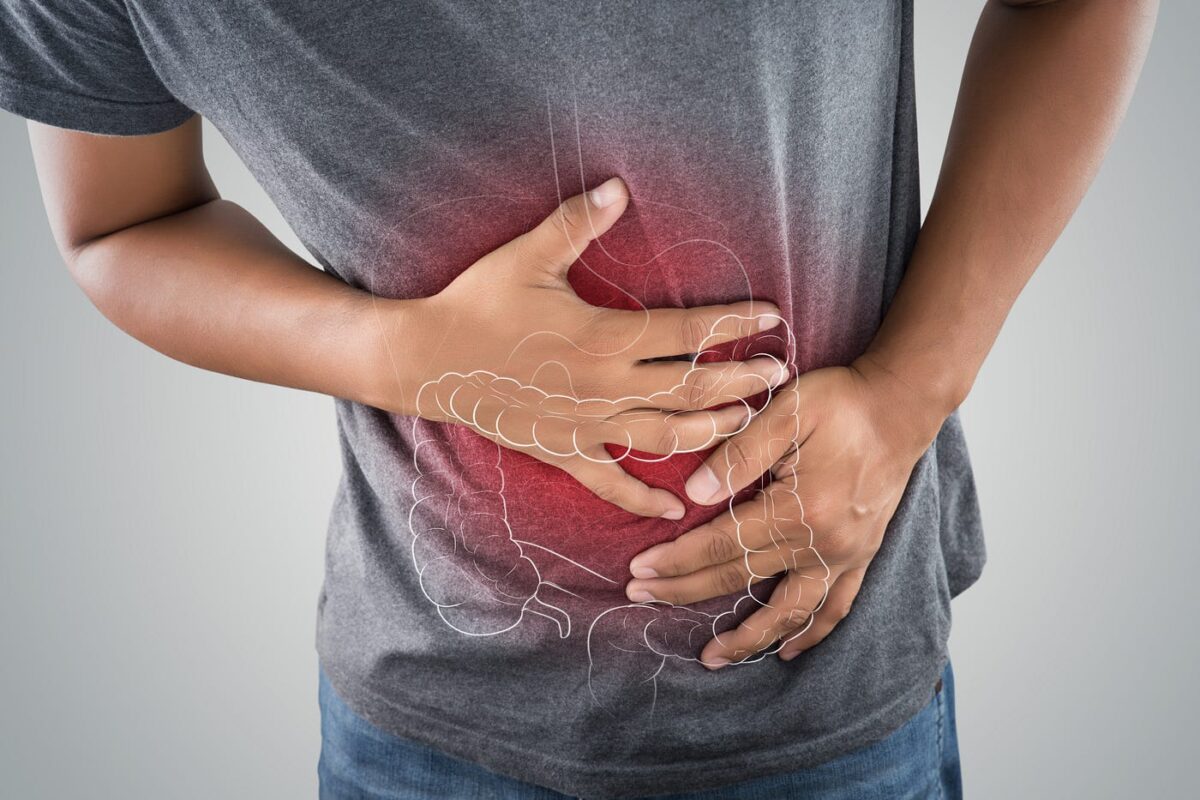
Gastrointestinal disorders: causes and treatments

The gastrointestinal (GI) system plays a crucial role in digesting food, absorbing nutrients, and eliminating waste from the body. However, various factors can lead to gastrointestinal disorders, affecting the normal functioning of this complex system. These disorders can cause discomfort, pain, and even severe health issues. In this article, we will explore some common gastrointestinal disorders, their causes, and available treatments.

1. Gastroesophageal reflux disease (GERD):

GERD is a chronic condition where stomach acid flows back into the esophagus, causing irritation and inflammation. Common symptoms include heartburn, regurgitation, chest pain, and difficulty swallowing. Causes of GERD include:

  • Weak esophageal sphincter: The lower esophageal sphincter (LES), a muscular ring that prevents acid from entering the esophagus, may weaken, leading to acid reflux.
  • Hiatal hernia: This occurs when a part of the stomach pushes through the diaphragm, disrupting the normal function of the LES.

Treatment: Lifestyle modifications, such as avoiding trigger foods, elevating the head while sleeping, weight loss, and quitting smoking, can provide relief. Medications like antacids, H2 blockers, and proton pump inhibitors (PPIs) can also help manage symptoms. In severe cases, surgical interventions may be necessary to strengthen the LES or repair a hiatal hernia.

2. Irritable bowel syndrome (IBS):

IBS is a functional GI disorder characterized by abdominal pain, bloating, and changes in bowel habits (diarrhea, constipation, or alternating between the two). The exact cause of IBS is not well understood, but factors such as gut motility, sensitivity, and abnormalities in gut-brain communication may contribute.

Treatment: There is no cure for IBS, but symptom management involves dietary changes, stress reduction techniques, and medications to alleviate specific symptoms like antispasmodics for cramps or laxatives for constipation.

3. Inflammatory bowel disease (IBD):

IBD includes two main conditions: Crohn’s disease and ulcerative colitis. Both are chronic inflammatory disorders that affect different parts of the GI tract. Symptoms may include abdominal pain, diarrhea, weight loss, and fatigue. The exact cause of IBD remains unclear, but it is thought to involve an abnormal immune response to the gut microbiome in genetically predisposed individuals.

Treatment: Treatment aims to reduce inflammation, control symptoms, and maintain remission. Medications like corticosteroids, immunomodulators, and biologics are commonly used. In severe cases, surgery may be necessary to remove affected sections of the intestine.

4. Peptic ulcers:

Peptic ulcers are open sores that develop on the lining of the stomach, small intestine, or esophagus due to an imbalance between stomach acid and protective factors. Causes of peptic ulcers include:

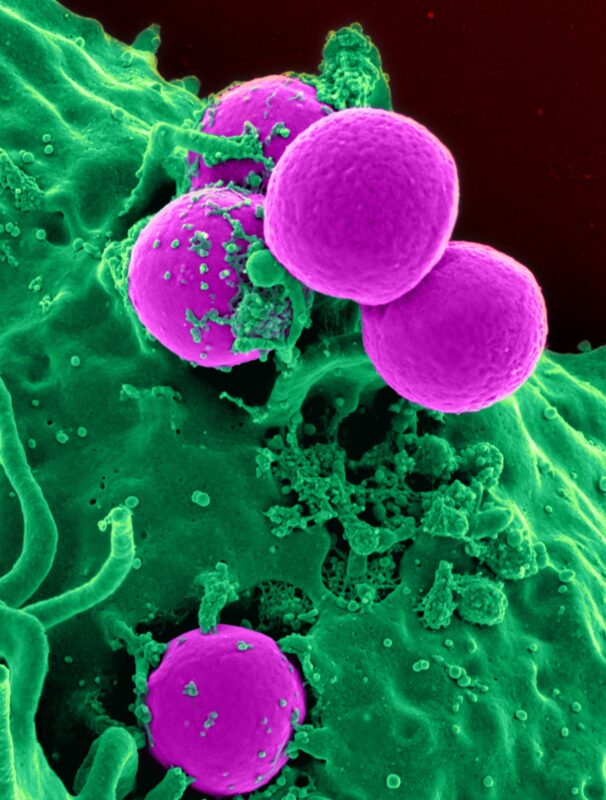
  • H. pylori Infection: Helicobacter pylori, a bacterium, can weaken the stomach’s protective mucous layer and lead to ulcer formation.
  • NSAID use: Nonsteroidal anti-inflammatory drugs (NSAIDs) like aspirin and ibuprofen can irritate the stomach lining and contribute to ulcers.

Treatment: Treatment involves antibiotics to eradicate H. pylori, acid-reducing medications (PPIs or H2 blockers), and avoiding NSAIDs. Lifestyle changes, such as avoiding alcohol and smoking cessation, can also aid in healing.

5. Gallstones:

Gallstones are solid particles that form in the gallbladder, a small organ that stores bile. These stones can block the bile ducts, causing intense abdominal pain (biliary colic) and inflammation of the gallbladder (cholecystitis). The exact cause of gallstones formation is not fully understood but can involve a combination of genetic, lifestyle, and dietary factors.

Treatment: If gallstones are asymptomatic, no treatment may be necessary. However, if symptoms are severe or complications arise, gallbladder removal surgery (cholecystectomy) is often recommended.

6. Celiac disease:

Celiac disease is an autoimmune disorder triggered by the ingestion of gluten, a protein found in wheat, barley, and rye. When individuals with celiac disease consume gluten, it triggers an immune response that damages the lining of the small intestine, leading to malabsorption of nutrients.

Treatment: The only treatment for celiac disease is strict adherence to a gluten-free diet. This allows the intestines to heal and prevents further damage.

Gastrointestinal disorders can significantly impact a person’s quality of life and overall health. Early diagnosis and proper management are essential for preventing complications and providing relief from symptoms. If you experience persistent GI symptoms, it’s vital to seek medical attention to receive an accurate diagnosis and appropriate treatment plan. Remember, each individual’s condition is unique, and treatment should be tailored to their specific needs under the guidance of healthcare professionals. Adopting a healthy lifestyle, maintaining a balanced diet, managing stress, and staying physically active can contribute to better GI health and overall well-being.

Managing high cholesterol levels: tips for a heart-healthy lifestyle

Cholesterol, a waxy substance found in the blood, is essential for various bodily functions. However, having high levels of cholesterol, especially LDL (low-density lipoprotein) cholesterol, can significantly increase the risk of heart disease and other cardiovascular problems. Managing high cholesterol levels is crucial to maintain heart health and reduce the likelihood of serious health complications. In this article, we will explore effective strategies for managing high cholesterol through lifestyle changes, diet modifications, and medical interventions.

Understanding cholesterol levels:

Before delving into management techniques, it’s important to understand cholesterol levels. Cholesterol is transported through the bloodstream by lipoproteins, primarily LDL and HDL (high-density lipoprotein). While LDL cholesterol is often referred to as “bad cholesterol” because it can build up in the arteries and form plaques, HDL cholesterol is known as “good cholesterol” because it helps remove LDL cholesterol from the arteries.

A healthy cholesterol level should typically be below 200 mg/dL, with LDL levels below 100 mg/dL. However, individual targets may vary based on personal health conditions, and it’s always best to consult with a healthcare professional for personalized advice.

1. Adopt a heart-healthy diet:

One of the most effective ways to manage high cholesterol levels is through a heart-healthy diet. Here are some dietary recommendations to consider:

  • Reduce saturated and trans fats: Limit your intake of saturated fats found in red meat, full-fat dairy products, and fried foods. Avoid trans fats found in processed and packaged snacks, baked goods, and margarine.
  • Choose healthy fats: Incorporate monounsaturated and polyunsaturated fats into your diet, found in olive oil, avocados, nuts, and seeds. These fats can help improve HDL cholesterol levels.
  • Increase dietary fiber: Consume more fiber-rich foods like fruits, vegetables, whole grains, and legumes, as they can help lower LDL cholesterol.
  • Eat fatty fish: Omega-3 fatty acids found in fatty fish like salmon, mackerel, and trout can improve cholesterol levels and promote heart health.

2. Regular exercise:

Physical activity plays a significant role in managing cholesterol levels. Regular exercise can increase HDL cholesterol while decreasing LDL cholesterol and triglycerides. Aim for at least 150 minutes of moderate-intensity aerobic activity or 75 minutes of vigorous-intensity aerobic activity each week, along with muscle-strengthening activities on two or more days.

3. Maintain a healthy weight:

Excess weight, especially around the midsection, can contribute to high cholesterol levels. Losing weight through a combination of a healthy diet and regular exercise can help improve cholesterol profiles.

4. Avoid smoking and limit alcohol:

Smoking damages blood vessels and lowers HDL cholesterol. Quitting smoking can have a significant positive impact on cholesterol levels and overall cardiovascular health. Additionally, excessive alcohol consumption can raise triglyceride levels, so it’s best to consume alcohol in moderation or avoid it altogether.

5. Manage stress:

Chronic stress may indirectly impact cholesterol levels by influencing habits like overeating, excessive alcohol consumption, or physical inactivity. Practicing stress-reducing techniques such as meditation, yoga, or spending time in nature can help improve overall well-being and potentially impact cholesterol levels.

6. Medication and medical intervention:

In some cases, lifestyle changes alone may not be sufficient to manage high cholesterol levels, especially for individuals with genetic predispositions or significant cardiovascular risk factors. In such situations, healthcare professionals may prescribe cholesterol-lowering medications like statins, which can effectively reduce LDL cholesterol levels and lower the risk of heart disease.

Managing high cholesterol levels is a critical step toward maintaining a healthy heart and reducing the risk of cardiovascular disease. By adopting a heart-healthy diet, engaging in regular exercise, maintaining a healthy weight, avoiding smoking and excessive alcohol, managing stress, and considering medical intervention when necessary, individuals can take control of their cholesterol levels and enhance their overall well-being. Remember, it’s essential to work closely with healthcare professionals to develop a personalized plan that suits individual health needs and goals. With dedication and commitment, everyone can take positive steps towards a heart-healthy lifestyle.