
loader

Month: July 2023

Neuroplasticity and brain health: exploring the potential for recovery
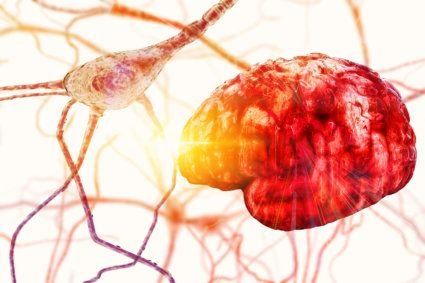
The human brain is a complex and remarkable organ that has the ability to adapt and change throughout our lives. This remarkable phenomenon is known as neuroplasticity. Neuroplasticity refers to the brain’s ability to reorganize itself by forming new neural connections and pathways, allowing for learning, memory, and recovery from injury or disease. In recent years, the concept of neuroplasticity has gained significant attention as researchers delve deeper into understanding its potential for promoting brain health and recovery.

Traditionally, it was believed that the brain’s capacity to change was limited to childhood and adolescence. However, groundbreaking research has shown that neuroplasticity persists throughout adulthood, offering hope for individuals who have experienced brain damage or cognitive decline due to aging, trauma, or neurological conditions.

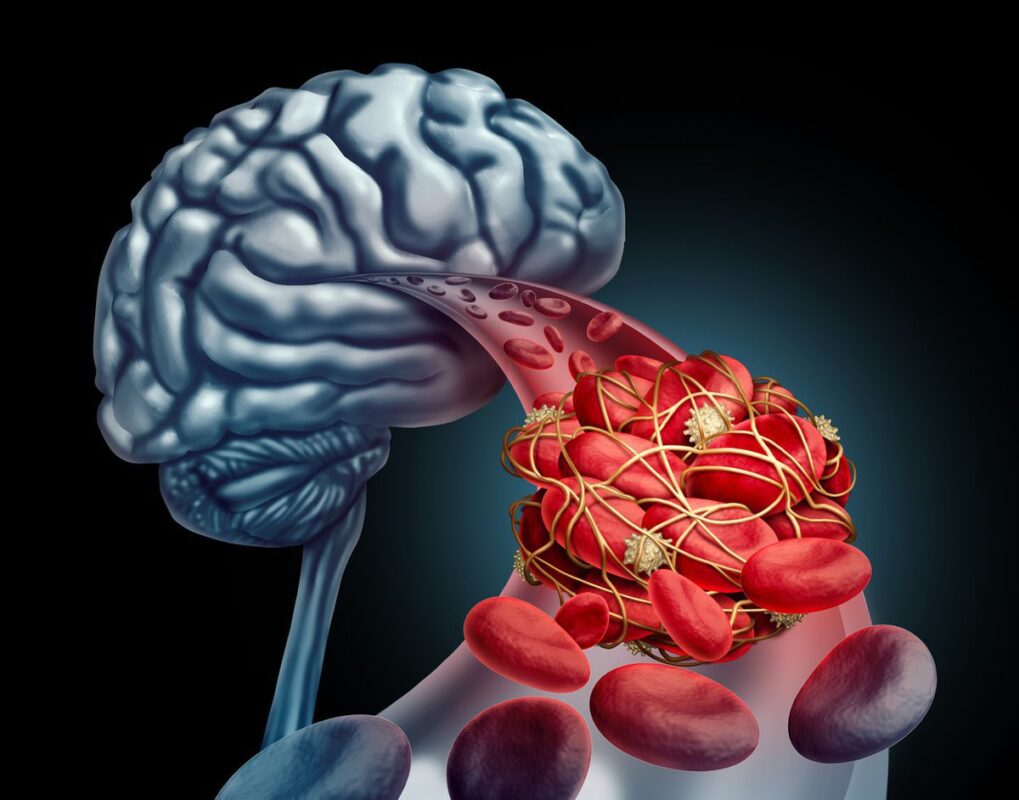
One of the most remarkable examples of neuroplasticity is seen in individuals who have suffered a stroke. When a stroke occurs, a portion of the brain is deprived of oxygen and nutrients, resulting in damage to that specific area. In the past, it was commonly believed that the effects of a stroke were irreversible. However, studies have shown that other regions of the brain can rewire themselves to compensate for the damaged area. This rewiring enables stroke survivors to regain lost function, such as motor skills and speech, through intense rehabilitation and targeted therapies.

Neuroplasticity also plays a crucial role in the recovery of individuals with traumatic brain injuries (TBIs). Following a TBI, the brain may undergo structural and functional changes as it attempts to heal itself. With appropriate interventions, such as cognitive and physical rehabilitation, the brain can adapt and create new pathways to bypass damaged areas, allowing for functional recovery.

Beyond injury recovery, neuroplasticity has implications for maintaining and improving brain health in healthy individuals as well. Engaging in mentally stimulating activities, such as learning a new language, playing an instrument, or solving puzzles, has been shown to promote neuroplasticity. By challenging the brain with novel tasks, we can encourage the growth of new connections and enhance cognitive abilities.

In addition, physical exercise has been linked to improved brain health and neuroplasticity. Aerobic exercise, in particular, has been shown to increase the production of neurotrophic factors, which are responsible for the growth and survival of neurons. Regular exercise has been associated with enhanced memory, attention, and overall cognitive function.

Furthermore, mindfulness practices, such as meditation and yoga, have shown promise in promoting neuroplasticity and reducing the impact of stress on the brain. These practices have been found to increase the thickness of the prefrontal cortex, a region associated with executive functions and emotional regulation. They can also modify the brain’s response to stress by promoting the growth of new neurons and enhancing the connectivity between brain regions.

While the concept of neuroplasticity offers great hope for brain recovery and health, it is important to note that the extent and speed of recovery can vary widely among individuals. Factors such as age, severity of injury or condition, overall health, and individual motivation all play a role in determining the outcomes.

The discovery of neuroplasticity has revolutionized our understanding of the human brain’s capacity to recover and adapt. This newfound knowledge has opened doors for innovative approaches to rehabilitation and brain health promotion. By harnessing the power of neuroplasticity through targeted interventions, we can enhance the recovery process for individuals with brain injuries and potentially improve brain health and function in healthy individuals as well. With ongoing research and advancements in the field, the potential for neuroplasticity to transform lives and restore brain function is truly remarkable.

Artificial intelligence in drug repurposing: finding new uses for existing drugs

The field of medicine has always been driven by the pursuit of new treatments and cures for various diseases. Traditionally, the process of developing a new drug from scratch has been time-consuming, expensive, and fraught with uncertainty. However, with the advent of artificial intelligence (AI) and machine learning (ML), there is a new frontier in drug discovery and development: repurposing existing drugs to find new therapeutic uses.

Drug repurposing, also known as drug repositioning or drug reprofiling, involves finding alternative uses for drugs that have already been approved for specific indications. This approach offers several advantages over traditional drug development. First, repurposing existing drugs bypasses the lengthy and costly process of developing new chemical entities from scratch. Second, repurposing leverages the vast amount of safety and efficacy data that already exists for approved drugs, reducing the risks associated with drug development. Finally, repurposing offers the potential for accelerated clinical translation, as the drugs have already undergone rigorous testing in humans.

Artificial intelligence has emerged as a powerful tool in the field of drug repurposing. Machine learning algorithms can analyze vast amounts of data, including molecular structures, genomics, proteomics, and clinical outcomes, to identify potential drug candidates for repurposing. AI can uncover hidden patterns, relationships, and similarities between diseases and drugs that might not be immediately apparent to human researchers.

One of the key applications of AI in drug repurposing is the analysis of large-scale omics data. Omics refers to the comprehensive study of various biological molecules, such as genes (genomics), proteins (proteomics), and metabolites (metabolomics). By integrating and analyzing these omics data, AI algorithms can identify novel connections between diseases and drugs. For example, if a particular gene is found to be overexpressed in a certain disease, AI can identify drugs that target that gene and may be effective in treating the disease.

Another area where AI excels in drug repurposing is in the analysis of electronic health records (EHRs) and clinical data. By mining these vast repositories of patient information, AI algorithms can identify unexpected associations between drugs and diseases. For instance, if a drug prescribed for one condition consistently leads to positive outcomes in patients with a different condition, AI can flag it as a potential candidate for repurposing.

In addition to data mining, AI can also simulate and predict the effects of drugs on biological systems. Using computational models and simulations, AI algorithms can predict how a drug will interact with specific targets in the body, potentially uncovering new mechanisms of action and therapeutic uses for existing drugs. This approach allows researchers to explore a vast chemical space and prioritize drug candidates for further investigation.

The application of AI in drug repurposing is already yielding promising results. Several drugs have been successfully repurposed for new indications, thanks to the insights generated by AI algorithms. For example, thalidomide, originally developed as a sedative and later withdrawn due to severe birth defects, was repurposed as a treatment for multiple myeloma and leprosy. Another notable example is sildenafil, initially developed to treat hypertension and angina, which was later repurposed as the popular erectile dysfunction drug Viagra.

However, challenges remain in the field of AI-driven drug repurposing. One major hurdle is the validation of AI-generated hypotheses in preclinical and clinical studies. While AI can generate numerous potential repurposing candidates, it is essential to verify their effectiveness and safety through rigorous experimental and clinical testing. Additionally, regulatory frameworks need to adapt to the unique aspects of repurposed drugs, including intellectual property rights and the approval process.

In conclusion, artificial intelligence is revolutionizing the field of drug repurposing by harnessing the power of data analysis, machine learning, and computational modeling. The ability of AI algorithms to identify new therapeutic uses for existing drugs offers tremendous potential for accelerating drug discovery, reducing costs, and improving patient outcomes. As AI technologies continue to advance, we can expect more exciting discoveries and repurposing opportunities that will reshape the landscape of medicine and bring us closer to effective treatments for a wide range of diseases.

Exploring the impact of epigenetics on chronic diseases

n the field of medical research, there has been a growing recognition of the crucial role played by epigenetics in the development and progression of chronic diseases. Epigenetics refers to changes in gene expression that do not involve alterations in the DNA sequence itself but rather modifications to the way genes are activated or silenced. These modifications can be influenced by a variety of environmental factors, such as diet, stress, toxins, and lifestyle choices, and have been found to have a profound impact on the development of chronic diseases.

Traditionally, chronic diseases have been largely attributed to genetic factors. While it is true that certain genetic variations can increase an individual’s susceptibility to certain diseases, the study of epigenetics has revealed that environmental factors can modify the expression of these genes and either enhance or diminish disease risk. This exciting field of research is shedding new light on the complexity of chronic diseases and providing potential avenues for prevention and treatment.

One of the key mechanisms through which epigenetic modifications influence chronic diseases is by altering gene expression patterns. Genes can be “turned on” or “turned off” through various epigenetic mechanisms, such as DNA methylation, histone modification, and non-coding RNA molecules. These modifications can have long-lasting effects on gene expression and can be passed down from one generation to another, leading to a transgenerational impact on disease risk.

For instance, studies have shown that DNA methylation, which involves the addition of a methyl group to DNA molecules, can regulate the expression of genes involved in inflammation, metabolism, and immune function. Aberrant DNA methylation patterns have been observed in various chronic diseases, including cancer, cardiovascular diseases, diabetes, and neurodegenerative disorders. These findings suggest that epigenetic changes can contribute to the development and progression of these diseases by altering the activity of genes involved in critical cellular processes.

Furthermore, epigenetic modifications can also mediate the effects of environmental exposures on disease risk. For example, studies have demonstrated that exposure to certain environmental factors, such as tobacco smoke, air pollution, and high-fat diets, can induce epigenetic changes that increase the risk of developing chronic diseases. These changes can occur early in life and persist throughout the lifespan, leading to a higher susceptibility to disease later on.

Importantly, the study of epigenetics has also opened up new possibilities for the prevention and treatment of chronic diseases. Since epigenetic modifications are reversible, interventions aimed at modifying these changes could potentially alter disease outcomes. Researchers are investigating various approaches, including the use of drugs that can modify epigenetic marks, dietary interventions, and lifestyle modifications, to prevent or even reverse the epigenetic changes associated with chronic diseases.

Additionally, understanding the role of epigenetics in chronic diseases has implications for personalized medicine. By identifying epigenetic markers associated with specific diseases, it may be possible to develop targeted therapies that can modulate gene expression patterns and improve patient outcomes. This approach has the potential to revolutionize the way we diagnose, treat, and prevent chronic diseases, moving towards a more personalized and precision-based approach to healthcare.

The field of epigenetics has provided valuable insights into the complex interplay between genetics, environment, and chronic diseases. Epigenetic modifications have been found to play a crucial role in the development and progression of various diseases, offering new opportunities for prevention and treatment. As research in this field continues to advance, we can expect to uncover even more about the impact of epigenetics on chronic diseases, leading to novel therapeutic strategies and improved patient care in the future.

Revolutionary advances in wearable medical devices

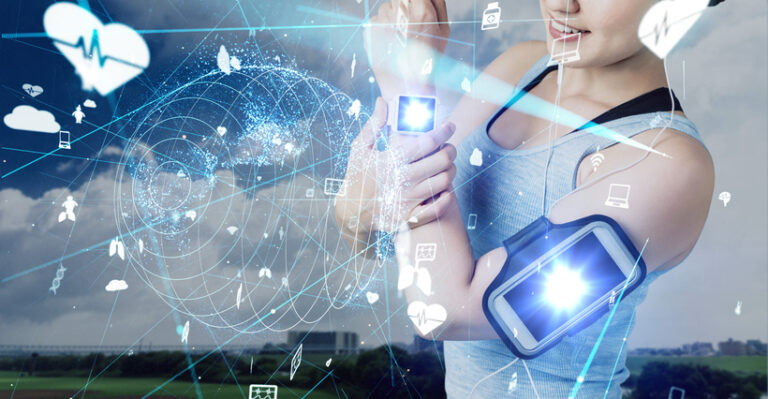
In recent years, the healthcare industry has witnessed remarkable advancements in technology, particularly in the realm of wearable medical devices. These innovative devices have the potential to revolutionize healthcare by providing personalized and continuous monitoring of an individual’s health parameters, enabling early detection of diseases and improving overall patient care. From fitness trackers to smartwatches and beyond, wearable medical devices are transforming the way we manage our health. In this article, we will explore some of the revolutionary advances in wearable medical devices that are reshaping the healthcare landscape.

  • Continuous vital migns monitoring: Traditional medical devices typically require patients to visit a healthcare facility for measurements of vital signs such as heart rate, blood pressure, and blood oxygen levels. However, wearable devices equipped with biosensors now allow for continuous monitoring of these vital signs in real-time. These devices can provide valuable data to both patients and healthcare professionals, facilitating early detection of abnormalities and timely intervention.
  • ECG and heart rhythm monitoring: Electrocardiography (ECG) is a critical diagnostic tool used to evaluate heart health. Recent advancements in wearable medical devices have made it possible to integrate ECG monitoring into compact, user-friendly devices such as smartwatches. Users can now capture their ECG anytime, anywhere, enabling the early detection of arrhythmias and other heart conditions.
  • Blood glucose monitoring: For individuals with diabetes, managing blood glucose levels is a daily challenge. Wearable devices that can continuously monitor blood glucose levels offer a significant breakthrough in diabetes management. These devices use non-invasive techniques such as sensors embedded in smartwatches or skin patches, eliminating the need for painful finger pricks. Users can track their glucose levels in real-time and receive alerts for any fluctuations, helping them make informed decisions about their diet, medication, and overall lifestyle.
  • Sleep tracking: Good quality sleep is essential for overall health and well-being. Wearable devices with advanced sleep tracking capabilities can monitor sleep patterns, including duration, quality, and stages of sleep. By analyzing this data, users can gain insights into their sleep habits and make lifestyle adjustments to improve their sleep hygiene. Healthcare professionals can also benefit from this information to diagnose and treat sleep disorders more effectively.
  • Remote patient monitoring: Wearable medical devices have revolutionized remote patient monitoring, particularly for individuals with chronic diseases or those recovering from surgeries. These devices can transmit real-time health data to healthcare professionals, enabling them to remotely monitor patients’ conditions, provide timely interventions, and make data-driven decisions. Remote patient monitoring not only improves patient outcomes but also reduces healthcare costs by minimizing hospital readmissions.
  • Mental health tracking: Mental health is an increasingly important aspect of overall well-being, and wearable devices are stepping up to address this area as well. Advanced wearable devices can track metrics such as stress levels, heart rate variability, and sleep quality, providing valuable insights into an individual’s mental state. Users can use this data to identify triggers, manage stress levels, and seek appropriate interventions when necessary.
  • Smart drug delivery: Wearable medical devices are also venturing into the realm of smart drug delivery. By combining sensors, microfluidics, and advanced algorithms, these devices can precisely administer medications based on real-time data. This technology has the potential to improve medication adherence and optimize drug dosages, particularly for conditions requiring precise drug delivery or personalized therapies.

In conclusion, wearable medical devices are transforming healthcare by providing personalized, continuous, and convenient monitoring of vital health parameters. From continuous vital signs monitoring to ECG tracking, blood glucose monitoring, and sleep tracking, these devices offer valuable insights into an individual’s health. Additionally, they enable remote patient monitoring and support mental health tracking. As technology continues to evolve, we can expect wearable medical devices to play an even more significant role in preventive care, early diagnosis, and personalized medicine, ultimately improving the quality of life for countless individuals worldwide.

The rise of RNA therapeutics: expanding treatment options

In recent years, the field of medicine has witnessed a groundbreaking development in the form of RNA therapeutics. These innovative treatments utilize the body’s own genetic material, ribonucleic acid (RNA), to target and modulate disease-causing genes. RNA therapeutics have emerged as a promising avenue for treating a wide range of disorders, including genetic diseases, cancer, and infectious diseases. With their ability to directly address the root causes of diseases, RNA-based therapies are revolutionizing the medical landscape and expanding treatment options for patients worldwide.

Understanding RNA therapeutics

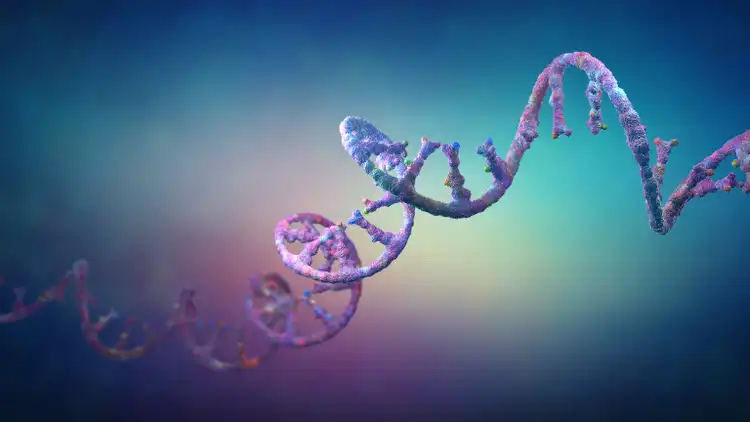
RNA therapeutics leverage the unique properties of RNA molecules to intervene in disease pathways. There are two main types of RNA molecules involved in this process: messenger RNA (mRNA) and small interfering RNA (siRNA).

mRNA-based therapeutics work by delivering synthetic RNA molecules into the body’s cells. These molecules contain instructions that guide the cells to produce therapeutic proteins, thereby compensating for missing or malfunctioning proteins associated with certain diseases. This approach holds great promise for the treatment of genetic disorders, where a single faulty gene is responsible for causing the disease.

On the other hand, siRNA-based therapeutics target specific disease-causing genes by silencing them. These RNA molecules bind to the targeted gene’s messenger RNA, preventing it from being translated into a protein. By inhibiting the production of harmful proteins, siRNA therapeutics can effectively modulate disease processes at the molecular level. This approach has shown considerable potential in treating various conditions, including neurodegenerative diseases and certain types of cancer.

Applications and advantages

The rise of RNA therapeutics has opened up new possibilities for treating previously untreatable diseases. One of the notable areas of application is in rare genetic disorders. By harnessing mRNA technology, researchers have successfully developed treatments for conditions like spinal muscular atrophy and Duchenne muscular dystrophy, which were once considered incurable. These breakthroughs have provided hope for patients and their families, offering the potential for improved quality of life and longer survival.

Additionally, RNA therapeutics hold promise in the field of oncology. Traditional cancer treatments such as chemotherapy often come with severe side effects due to their indiscriminate nature. However, siRNA-based therapies offer a more targeted approach. By selectively silencing cancer-associated genes, these therapies can disrupt the growth and proliferation of cancer cells while sparing healthy cells. This precision has the potential to revolutionize cancer treatment, leading to more effective therapies with fewer adverse effects.

Furthermore, RNA vaccines have garnered significant attention, particularly in light of the COVID-19 pandemic. RNA vaccines, such as the mRNA-based vaccines developed by Pfizer-BioNTech and Moderna, have demonstrated remarkable efficacy in generating protective immune responses against the SARS-CoV-2 virus. These vaccines represent a breakthrough in vaccine technology, providing a faster and more adaptable response to emerging infectious diseases.

Challenges and future outlook

While RNA therapeutics hold immense promise, there are still challenges to overcome. The delivery of RNA molecules to target cells and tissues remains a major hurdle. RNA is a fragile molecule that can be easily degraded by enzymes, making efficient delivery a complex task. However, advancements in nanoparticle-based delivery systems and other innovative approaches are being explored to address this limitation.

Moreover, the high cost associated with RNA therapeutics poses another challenge. The development and manufacturing processes for RNA-based therapies are intricate and require specialized expertise. However, as the technology advances and becomes more widespread, it is expected that economies of scale and increased competition will contribute to cost reduction.

Looking ahead, the future of RNA therapeutics appears bright. Ongoing research and clinical trials continue to expand the therapeutic potential of RNA-based treatments. As our understanding of RNA biology improves and delivery techniques become more efficient, we can anticipate the development of novel therapies for a broader range of diseases. The versatility of RNA therapeutics also makes them well-suited for personalized medicine, where treatments can be tailored to individual patients based on their genetic profiles.

The rise of RNA therapeutics represents a transformative milestone in medical science. These innovative treatments harness the power of RNA molecules to directly target disease-causing genes and restore normal cellular function. From genetic disorders to cancer and infectious diseases, RNA therapeutics offer new hope for patients who have previously had limited or no treatment options. With continued advancements in technology and research, RNA-based therapies are set to revolutionize the way we approach disease treatment, paving the way for a healthier and more personalized future.

Breaking down the blood-brain barrier: strategies and applications

The blood-brain barrier (BBB) is a highly selective and protective barrier that separates the circulating blood from the brain’s delicate neural tissue. While the BBB plays a crucial role in maintaining brain health, it also presents a significant challenge for drug delivery to the central nervous system (CNS). Breaking down the BBB has emerged as a promising strategy to overcome this challenge and facilitate the delivery of therapeutic agents to the brain. This article explores various strategies employed to breach the BBB, their applications, and the potential impact on neurological treatments.

Understanding the blood-brain barrier

The BBB consists of specialized endothelial cells lining the blood vessels in the brain, tightly joined together by tight junctions. This barrier restricts the passage of most substances, including drugs, from entering the brain, thereby protecting it from potential toxins and maintaining homeostasis. However, this selective nature of the BBB also limits the effectiveness of many therapeutic agents that could potentially treat neurological disorders.

Strategies to break down the BBB

  • Drug modification: Modifying drugs to enhance their ability to cross the BBB is a common strategy. This can be achieved by altering the physicochemical properties of the drug, such as reducing its molecular weight, increasing lipophilicity, or adding specific functional groups that facilitate transport across the BBB.
  • Temporary disruption: Various techniques can temporarily disrupt the BBB to allow drug penetration. These include hyperosmolar solutions, focused ultrasound, and pharmacological agents like bradykinin analogs. These methods create transient openings in the BBB, enabling drugs to pass through before the barrier reseals.
  • Carrier-mediated transport: Utilizing specific carrier systems can facilitate the transport of drugs across the BBB. Drug molecules can be conjugated or encapsulated within carriers, such as nanoparticles or liposomes, which have affinity for receptors or transporters present on the BBB endothelial cells. This approach enhances drug delivery to the brain while minimizing exposure to other tissues.
  • Trojan horse approach: In this approach, large drug molecules or therapeutic agents are coupled with smaller molecules that can cross the BBB easily. Once inside the brain, these smaller molecules detach from the larger ones, releasing the therapeutic payload. This method exploits endogenous transport systems and receptors on the BBB to facilitate drug entry.

Applications of BBB breakdown

  • Neurological disorders: BBB breakdown strategies hold great potential for the treatment of various neurological disorders, including brain tumors, neurodegenerative diseases (such as Alzheimer’s and Parkinson’s), epilepsy, and stroke. By enabling the delivery of therapeutic agents directly to the brain, these strategies enhance treatment efficacy and may slow or halt disease progression.
  • Drug addiction: The BBB can impede the delivery of medications for the treatment of drug addiction, such as opioid or cocaine dependence. Breaking down the BBB allows for targeted delivery of anti-addiction drugs to specific brain regions involved in addictive behaviors, potentially improving treatment outcomes.
  • Brain imaging and diagnostics: BBB disruption techniques can also facilitate the delivery of imaging agents and diagnostic markers to the brain. This enables better visualization of brain tumors, identification of areas of neuroinflammation, and assessment of treatment response in real-time.

Challenges and future directions

While the strategies to breach the BBB show promise, several challenges remain. Ensuring the safety and specificity of BBB disruption techniques, optimizing drug delivery systems, and understanding the long-term effects on brain health are essential areas of further research. Additionally, personalized medicine approaches that consider individual variability in BBB permeability and drug response will be crucial for successful treatment outcomes.

Breaking down the blood-brain barrier represents a significant breakthrough in neuroscience and drug delivery. By overcoming the limitations posed by the BBB, researchers are paving the way for innovative treatments for various neurological disorders. As our understanding of the BBB and drug delivery systems continues to advance, the potential to develop targeted therapies for brain diseases and enhance patient outcomes becomes increasingly promising.

Targeted drug delivery: enhancing efficacy and reducing side effects

The field of medicine has experienced significant advancements over the years, with one of the most revolutionary being targeted drug delivery. Traditional drug administration methods often distribute medication throughout the entire body, leading to the potential for unwanted side effects and diminished efficacy. However, targeted drug delivery offers a promising solution to this problem by precisely delivering medications to specific sites within the body. This article explores the concept of targeted drug delivery, its mechanisms, benefits, and its potential to enhance treatment efficacy while minimizing adverse effects.

Understanding targeted drug delivery

Targeted drug delivery involves the delivery of therapeutic agents directly to the site of action, typically at the cellular or tissue level, where they are needed most. This precise approach is achieved through various techniques that encapsulate drugs in specialized carriers, allowing them to reach their intended destinations with minimal exposure to healthy tissues. These carriers can be nanoparticles, liposomes, micelles, antibodies, or other targeted delivery systems.

Mechanisms of targeted drug delivery

  • Passive targeting: Passive targeting exploits the unique characteristics of the targeted tissue to deliver drugs. This is often based on the enhanced permeability and retention (EPR) effect, wherein tumor tissues, for example, possess leaky blood vessels and impaired lymphatic drainage. This allows drug-loaded nanoparticles to accumulate selectively within tumor tissues, effectively concentrating the drug where it’s needed.
  • Active targeting: Active targeting involves attaching ligands, such as antibodies or peptides, to the drug carriers. These ligands specifically recognize and bind to receptors on the target cells, facilitating drug uptake and enhancing drug delivery to specific sites. This method improves drug selectivity and minimizes drug exposure to healthy tissues.

Benefits of targeted drug delivery

  • Enhanced efficacy: By delivering medications directly to the site of action, targeted drug delivery ensures higher concentrations of the drug at the target site. This results in improved treatment efficacy and greater therapeutic outcomes.
  • Reduced side effects: Traditional drug administration methods often lead to systemic exposure, causing side effects in healthy tissues and organs. Targeted drug delivery significantly reduces such exposure, minimizing adverse effects and enhancing patient comfort and compliance.
  • Lower dosing and frequency: With targeted delivery, lower drug doses and less frequent administrations may be sufficient to achieve the desired therapeutic effect. This can reduce the overall treatment burden and help patients adhere to their treatment regimens.
  • Overcoming biological barriers: Certain diseases, such as brain tumors and infections in protected areas, are challenging to treat due to the blood-brain barrier or other anatomical barriers. Targeted drug delivery can bypass or overcome these barriers, enabling effective drug delivery to otherwise inaccessible areas.

Applications of targeted drug delivery

  • Cancer Treatment: Targeted drug delivery in oncology is perhaps one of the most promising applications. It allows chemotherapeutic agents to directly reach cancer cells while sparing healthy tissues, thereby improving treatment efficacy and reducing side effects.
  • Autoimmune Diseases: Targeted drug delivery can be employed to selectively deliver immunosuppressive drugs to specific immune cells responsible for causing autoimmune diseases, reducing systemic immunosuppression and enhancing the therapeutic response.
  • Infectious diseases: Infections often require high doses of drugs, leading to adverse effects. Targeted drug delivery can help deliver antimicrobial agents precisely to the infected site, optimizing treatment and reducing the risk of antibiotic resistance.
  • Chronic Conditions: For chronic diseases like diabetes or arthritis, targeted drug delivery can offer sustained release of medications, allowing for continuous therapeutic effects and reducing the frequency of dosing.

Targeted drug delivery represents a groundbreaking approach to revolutionize medicine and improve patient outcomes significantly. By delivering drugs precisely to the site of action, this technique enhances treatment efficacy while minimizing side effects associated with systemic drug administration. With ongoing advancements in nanotechnology and drug delivery systems, the potential for targeted drug delivery to transform the field of medicine continues to grow, offering hope for more effective and personalized therapies in the future.

Understanding the human virome: implications for disease and health

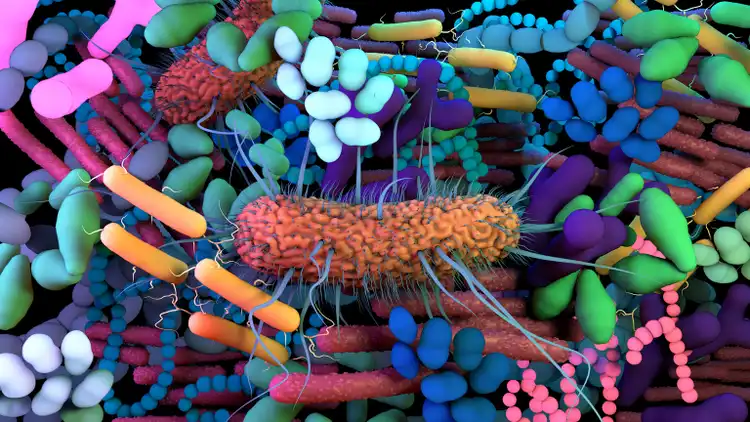
The human body is home to trillions of microorganisms that play crucial roles in maintaining our overall health and well-being. While bacteria have been extensively studied, recent advancements in technology and research have shed light on another important aspect of our microbial ecosystem: the human virome. The human virome refers to the collection of all the viruses that inhabit our body, and studying this virome is opening up new frontiers in our understanding of disease and health.

For many years, viruses were primarily associated with causing diseases. Common examples include the flu virus, HIV, and the common cold. However, recent studies have shown that our virome is much more complex and diverse than previously thought, and not all viruses are harmful. In fact, a significant portion of the human virome consists of harmless or even beneficial viruses that coexist with us without causing any harm.

One of the most intriguing aspects of the human virome is its immense genetic diversity. Unlike bacteria, which have relatively stable genomes, viruses are highly adaptable and can rapidly evolve. This diversity contributes to the complexity of the virome and its implications for human health. The virome can vary between individuals and populations, influenced by factors such as genetics, environment, and lifestyle.

Emerging research suggests that the virome plays a critical role in shaping our immune system and maintaining its function. Viruses can interact with our immune cells, influencing their development and response to other pathogens. In this way, the virome helps train and modulate our immune system, making it more robust and efficient in combating infections. Disruptions in the virome composition or imbalance between harmless and harmful viruses may contribute to immune dysregulation and increase the risk of various diseases.

Furthermore, studies have shown associations between the human virome and a range of conditions, including autoimmune disorders, metabolic diseases, and even mental health disorders. For instance, researchers have found links between specific viral infections and the onset or exacerbation of conditions such as type 1 diabetes, multiple sclerosis, and inflammatory bowel disease. Additionally, alterations in the virome have been observed in individuals with obesity and metabolic syndrome, suggesting a potential role in metabolic health.

Understanding the human virome also has significant implications for disease diagnostics and treatment. Viruses can leave traces of their genetic material in various body fluids, such as blood, saliva, and urine. By analyzing these viral signatures, scientists are developing innovative diagnostic tools that can detect viral infections and monitor disease progression more accurately. Moreover, the virome holds promise for the development of novel antiviral therapies and personalized medicine approaches targeting specific viral strains or imbalances.

The study of the human virome is still in its infancy, and many questions remain unanswered. Researchers are working to characterize the virome in greater detail, identifying the specific viruses present, their interactions with the host, and the mechanisms through which they influence health and disease. Advanced sequencing technologies and computational methods are enabling scientists to analyze vast amounts of viral genetic data, facilitating breakthroughs in this field.

In conclusion, the human virome represents a vast and intricate ecosystem of viruses that coexist with us, influencing our health and well-being. While some viruses can cause diseases, many are harmless or even beneficial. Understanding the human virome has the potential to revolutionize our approach to disease prevention, diagnostics, and treatment. By unraveling the complexities of the virome, we can harness its power to promote health and better understand the delicate balance between viruses and human biology.

Advances in neuroprosthetics: restoring function to paralyzed limbs

Neuroprosthetics, a rapidly advancing field at the intersection of neuroscience and engineering, holds immense promise in restoring function to paralyzed limbs. For individuals who have lost the ability to move or sense their limbs due to spinal cord injuries, strokes, or other neurological disorders, neuroprosthetic devices offer hope and the potential to regain independence. Recent breakthroughs in the development of neuroprosthetics have brought us closer than ever to achieving seamless integration between the human nervous system and artificial devices. In this article, we explore some of the remarkable advances in neuroprosthetics and their potential to revolutionize the lives of individuals with paralysis.

The nvolution of neuroprosthetics

The journey of neuroprosthetics began several decades ago with the development of basic prosthetic limbs controlled by muscle signals or switches. These early devices offered limited functionality and were often cumbersome to use. However, thanks to advances in fields such as neuroengineering, robotics, and machine learning, the landscape of neuroprosthetics has evolved dramatically.

Brain-Machine interfaces (BMIs)

One of the most groundbreaking advances in neuroprosthetics is the development of Brain-Machine Interfaces (BMIs). BMIs establish a direct communication pathway between the brain and external devices, enabling individuals to control prosthetic limbs with their thoughts. Electrodes implanted in the brain record neural activity, which is then decoded by sophisticated algorithms to generate commands for the prosthetic limb. This technology has demonstrated impressive results, allowing paralyzed individuals to regain dexterity and perform complex tasks.

Sensory feedback

While controlling limb movement is crucial, restoring sensory feedback is equally vital for the intuitive use of neuroprosthetic devices. Researchers are making significant strides in providing sensory feedback by stimulating the brain or peripheral nerves with electrical impulses. By integrating sensors in prosthetic limbs, individuals can receive real-time feedback on pressure, temperature, and other tactile sensations. This development is crucial as it enables users to feel and interact with their environment, greatly enhancing their motor control and overall user experience.

Targeted muscle reinnervation (TMR)

Another promising technique in neuroprosthetics is Targeted Muscle Reinnervation (TMR). TMR involves rerouting residual nerves from amputated limbs to intact muscles near the amputation site. By attaching surface electrodes to the reinnervated muscles, signals from the brain can be captured and used to control prosthetic limbs. TMR provides a more intuitive and natural control scheme for users, enabling them to perform complex movements with greater ease.

Artificial intelligence and machine learning

Artificial intelligence (AI) and machine learning (ML) have played a significant role in advancing neuroprosthetics. These technologies allow algorithms to adapt and learn from neural signals, improving the accuracy and efficiency of control systems. AI and ML algorithms also enable neuroprosthetic devices to continuously optimize their performance based on user feedback and behavioral patterns. This adaptability empowers individuals to develop a personalized and more seamless interaction with their prosthetic limbs.

Clinical applications and future directions

The impact of neuroprosthetics on the lives of individuals with paralysis is already evident. Clinical trials have demonstrated the restoration of hand and arm function, improvement in walking ability, and increased independence for patients with spinal cord injuries. While the current focus remains on upper limb prostheses, researchers are also exploring applications for lower limb prostheses and even developing brain-controlled exoskeletons.

In the future, advancements in neuroprosthetics may enable individuals to regain full mobility and sensory perception. Improved device miniaturization, wireless communication, and longer-lasting battery technologies will contribute to the development of more comfortable and practical neuroprosthetic systems. Additionally, collaborations between researchers, engineers, and clinicians will be vital in overcoming remaining challenges and bringing neuroprosthetics closer to widespread clinical adoption.

Advances in neuroprosthetics have opened up new possibilities for individuals living with paralysis, offering them the chance to regain lost function and improve their quality of life. Through the seamless integration of artificial devices with the human nervous system, remarkable progress has been made in restoring limb movement and providing sensory feedback. With ongoing research and technological advancements, neuroprosthetics hold the potential to revolutionize rehabilitation and redefine the boundaries of human capability.