

loader

Month: July 2023

Understanding the link between stress and heart disease

Stress has become an inherent part of modern life, with the demands of work, relationships, and the fast-paced nature of society taking a toll on our mental and physical well-being. While occasional stress is a normal response to challenging situations, prolonged or chronic stress can have severe implications for our health, particularly when it comes to heart disease. In recent years, research has shed light on the intricate relationship between stress and heart health, emphasizing the need to manage stress effectively for the sake of our cardiovascular well-being.

Numerous studies have demonstrated a clear connection between chronic stress and an increased risk of developing heart disease. Chronic stress refers to an ongoing state of psychological and physiological arousal caused by environmental or psychological stressors. When the body is exposed to persistent stress, it triggers a cascade of physiological responses that can have detrimental effects on the cardiovascular system.

One of the key mechanisms through which chronic stress affects heart health is by promoting the release of stress hormones such as cortisol and adrenaline. These hormones, when elevated over a prolonged period, can lead to elevated blood pressure, increased heart rate, and elevated blood sugar levels. These physiological changes put strain on the heart and blood vessels, contributing to the development of conditions like hypertension, atherosclerosis, and even heart attacks.

Moreover, stress can influence behaviors that are known risk factors for heart disease. When individuals are under significant stress, they may be more likely to engage in unhealthy coping mechanisms such as smoking, excessive alcohol consumption, overeating, or leading a sedentary lifestyle. These lifestyle choices further exacerbate the risk of developing cardiovascular problems, creating a vicious cycle between stress and heart disease.

It is important to note that stress affects individuals differently. Some people may be more genetically predisposed to experiencing adverse cardiovascular effects from stress, while others may be more resilient. Factors like age, sex, and pre-existing health conditions can also influence how an individual responds to stress and its impact on their heart health. Nevertheless, the overwhelming body of evidence supports the notion that managing stress effectively is crucial for maintaining a healthy heart.

So, how can individuals mitigate the harmful effects of stress on their cardiovascular system? Here are some strategies that can be incorporated into a stress management routine:

  • Exercise: Engaging in regular physical activity has been shown to reduce stress levels and promote overall well-being. Exercise helps release endorphins, the body’s natural feel-good chemicals, and can provide a healthy outlet for stress relief.
  • Relaxation techniques: Practicing relaxation techniques such as deep breathing exercises, meditation, yoga, or tai chi can help calm the mind and body, reducing stress and its impact on the heart.
  • Social support: Building a strong support system of family, friends, or participating in support groups can provide emotional support during times of stress and help individuals navigate challenging situations.
  • Time management: Effective time management skills can alleviate stress by prioritizing tasks, setting realistic goals, and avoiding unnecessary pressure.
  • Healthy lifestyle choices: Adopting a healthy lifestyle that includes a balanced diet, regular sleep patterns, and limiting the consumption of alcohol and tobacco can reduce the impact of stress on the heart.
  • Seeking professional help: In cases of chronic or overwhelming stress, it is important to seek professional help. Mental health professionals can provide guidance and support in developing coping strategies and managing stress effectively.

Understanding the link between stress and heart disease is crucial for individuals to take proactive steps in managing their well-being. By adopting healthy lifestyle choices and implementing stress management techniques, individuals can significantly reduce their risk of developing heart disease. Prioritizing self-care and seeking support when needed are essential in maintaining a healthy heart and overall quality of life. Remember, a healthy heart begins with a stress-free mind.
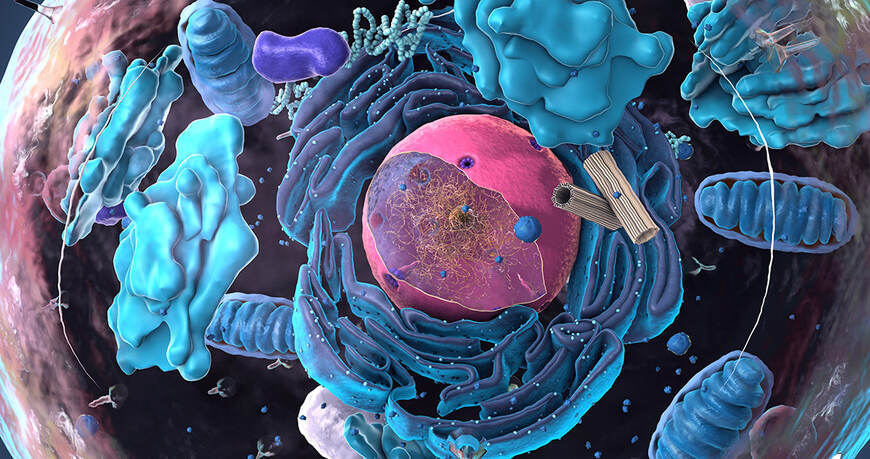

The role of mitochondria in health and disease: uncovering cellular powerhouses

Within our cells, a remarkable and vital organelle known as the mitochondria acts as the cellular powerhouse, generating energy and participating in various essential cellular processes. Beyond their energy-producing capabilities, mitochondria play a crucial role in maintaining overall cellular health and have been implicated in the pathogenesis of numerous diseases. This article explores the fascinating role of mitochondria in both health and disease, shedding light on their multifaceted functions within the intricate machinery of our cells.

Mitochondria: The powerhouses of the cell

Mitochondria are double-membrane-bound organelles found in nearly every eukaryotic cell. They are responsible for generating adenosine triphosphate (ATP), the energy currency of the cell, through a process called oxidative phosphorylation. This process occurs within the inner mitochondrial membrane and relies on the electron transport chain and ATP synthase.

Apart from their role in energy production, mitochondria have several other essential functions:

  • Metabolism and nutrient sensing: Mitochondria are intricately involved in various metabolic pathways, including the breakdown of carbohydrates, lipids, and amino acids. They also play a critical role in nutrient sensing and signaling pathways that regulate cellular metabolism.
  • Calcium homeostasis: Mitochondria act as calcium storage organelles, regulating intracellular calcium levels. They are involved in calcium signaling, which influences cellular processes such as muscle contraction, cell death, and hormone secretion.
  • Reactive oxygen species (ROS) regulation: Mitochondria are both sources and targets of reactive oxygen species. While ROS can be harmful to cells, mitochondria have intricate antioxidant defense mechanisms to maintain a balance, preventing oxidative damage.

Mitochondria in disease

Mitochondrial dysfunction has been implicated in various diseases, highlighting the critical role of these organelles in maintaining cellular health. Here are some examples:

  • Mitochondrial diseases: These are a group of genetic disorders characterized by impaired mitochondrial function. They can affect various organs and systems, leading to symptoms such as muscle weakness, neurological abnormalities, and metabolic dysfunction.
  • Neurodegenerative diseases: Mitochondrial dysfunction has been implicated in neurodegenerative disorders such as Alzheimer’s disease, Parkinson’s disease, and amyotrophic lateral sclerosis (ALS). Accumulating evidence suggests that impaired mitochondrial function contributes to the pathology and progression of these diseases.
  • Metabolic disorders: Mitochondrial dysfunction can disrupt cellular metabolism, leading to metabolic disorders such as diabetes, obesity, and metabolic syndrome. Alterations in mitochondrial function can affect nutrient utilization, insulin signaling, and energy homeostasis.
  • Age-related diseases: Mitochondrial dysfunction has been associated with the aging process and age-related diseases. The accumulation of mitochondrial DNA mutations, impaired mitochondrial dynamics, and increased oxidative stress contribute to cellular aging and age-related pathologies.

Uncovering new frontiers

Advancements in research have expanded our understanding of mitochondrial biology and its implications for health and disease. Ongoing studies are focused on:

  • Therapeutic approaches: Developing interventions to target mitochondrial dysfunction holds promise for treating various diseases. This includes strategies to enhance mitochondrial function, improve antioxidant defense, and restore cellular energy balance.
  • Biomarkers and diagnostics: Identifying reliable biomarkers of mitochondrial dysfunction can aid in disease diagnosis and monitoring. Biomarkers that reflect mitochondrial oxidative stress, DNA damage, or alterations in mitochondrial gene expression are being explored.
  • Mitochondrial genetics: Understanding the genetics of mitochondria and their interaction with nuclear DNA is crucial. Studies on mitochondrial DNA mutations, nuclear-mitochondrial interactions, and mitochondrial inheritance patterns contribute to our understanding of mitochondrial diseases and their inheritance.

Mitochondria are far more than just the powerhouses of our cells. They are intricately involved in maintaining cellular health and regulating various biological processes. Dysfunction in mitochondria can contribute to the development and progression of a range of diseases. However, ongoing research continues to unravel the complex role of mitochondria, opening up new possibilities for therapeutic interventions, diagnostic tools, and a deeper understanding of human health and disease. By harnessing the potential of these cellular powerhouses, we may uncover innovative approaches to combat mitochondrial-related disorders and improve overall health and well-being.

Understanding longevity: insights from centenarian studies

In the quest for the fountain of youth, scientists have turned their attention to a remarkable group of individuals known as centenarians. These remarkable individuals have defied the odds and surpassed the age of 100, providing valuable insights into the secrets of longevity. Centenarian studies have emerged as a field of research aimed at unraveling the factors that contribute to a long and healthy life. By studying these exceptional individuals, researchers hope to shed light on the keys to aging well and potentially extend human lifespan for future generations.

Centenarian studies involve a multidisciplinary approach that encompasses genetics, lifestyle, and environmental factors. By examining the commonalities among centenarians, researchers aim to determine whether longevity is primarily influenced by genetic predisposition or if lifestyle choices play a significant role.

Genetics undoubtedly plays a crucial role in determining lifespan. Studies have identified specific genetic variants that are associated with exceptional longevity. Researchers have focused on identifying single nucleotide polymorphisms (SNPs) and gene variants that are more prevalent in centenarians compared to the general population. These genetic markers offer insights into the biological mechanisms that protect against age-related diseases and promote longevity.

However, genetics alone cannot account for the remarkable longevity seen in centenarians. Lifestyle factors are equally important in determining overall health and lifespan. Centenarian studies have consistently highlighted the impact of healthy lifestyle choices on longevity. Regular physical activity, a balanced diet, and avoiding harmful habits such as smoking and excessive alcohol consumption have all been linked to increased lifespan.

Interestingly, centenarians often exhibit a positive attitude towards life and possess strong social connections. Studies have shown that having a strong support network and maintaining social interactions can have a profound impact on overall well-being and longevity. The emotional and psychological aspects of aging are often underestimated but play a significant role in healthy aging.

Furthermore, environmental factors cannot be ignored in the quest for understanding longevity. Centenarian studies have investigated the impact of geographical location on lifespan. Certain regions, known as “Blue Zones,” have been identified as hotspots for centenarians, including Okinawa in Japan, Sardinia in Italy, and the Nicoya Peninsula in Costa Rica. These areas share common characteristics such as a plant-based diet, a strong sense of community, and an active lifestyle. The study of these Blue Zones has provided valuable insights into the environmental factors that contribute to extended lifespan.

The findings from centenarian studies have wide-ranging implications for public health and aging research. By identifying the factors that contribute to longevity, researchers can develop interventions and strategies to promote healthy aging and potentially extend human lifespan. The identification of genetic variants associated with exceptional longevity could pave the way for targeted therapies and personalized medicine approaches.

Additionally, centenarian studies challenge the notion that aging is an inevitable decline. Instead, they emphasize the importance of a holistic approach to health and well-being. It’s not just about living longer; it’s about living better. The lessons learned from centenarians can inspire individuals to adopt healthier lifestyle choices, cultivate social connections, and prioritize mental well-being.

While centenarian studies have made significant strides in unraveling the mysteries of longevity, there is still much to learn. Longevity is a complex interplay of genetics, lifestyle, and environmental factors that requires further investigation. Nonetheless, the insights gained from studying centenarians offer a glimpse into the possibilities of aging well and provide hope for a future where longer, healthier lives are within reach.

In conclusion, centenarian studies provide valuable insights into the factors that contribute to longevity. By examining the genetics, lifestyle choices, and environmental factors of these remarkable individuals, researchers have gained a deeper understanding of healthy aging. The findings from these studies have the potential to revolutionize our approach to aging and pave the way for interventions and strategies to promote longevity. As we continue to explore the secrets of centenarians, we move closer to a future where aging is not a burden but an opportunity for a fulfilling and vibrant life.

Breaking ground in alzheimer’s disease research: novel insights and therapeutic strategies

Alzheimer’s disease (AD) is a devastating neurodegenerative disorder that affects millions of individuals worldwide. Over the years, extensive research has been conducted to unravel the mysteries surrounding this complex disease and develop effective therapeutic strategies. Recent advancements in Alzheimer’s research have provided novel insights into the underlying mechanisms of the disease and opened up new avenues for innovative treatment approaches. In this article, we will explore some of the groundbreaking discoveries and emerging therapeutic strategies that offer hope for the future management of Alzheimer’s disease.

  • Unveiling the genetic landscape of alzheimer’s:

Understanding the genetic basis of Alzheimer’s disease has been a key focus of research. Genetic studies have identified several risk genes, such as the apolipoprotein E (APOE) gene, which is associated with an increased susceptibility to AD. Recent breakthroughs in genomic research have enabled the discovery of additional genetic variants that influence the risk of developing the disease. These findings have not only deepened our understanding of the biological processes involved in Alzheimer’s but also opened up possibilities for personalized medicine approaches and targeted therapies.

  • Exploring the role of neuroinflammation:

Inflammation in the brain, known as neuroinflammation, plays a crucial role in the progression of Alzheimer’s disease. Recent studies have highlighted the involvement of the immune system and glial cells in the development and progression of the disease. Researchers are now focusing on modulating neuroinflammatory processes as a potential therapeutic strategy. Novel anti-inflammatory compounds and immunomodulatory drugs are being developed and tested to alleviate neuroinflammation and slow down the neurodegenerative processes associated with AD.

  • Targeting amyloid beta and tau proteins:

Accumulation of abnormal protein aggregates, such as amyloid beta plaques and tau tangles, is a hallmark feature of Alzheimer’s disease. Recent advancements in research have shed light on the role of these proteins in disease progression and have led to the development of novel therapies targeting their accumulation. Approaches include antibody-based therapies to clear amyloid beta plaques and the development of small molecules that inhibit tau aggregation. These innovative strategies hold promise for halting or slowing down the progression of AD.

  • Harnessing the potential of precision medicine:

The advent of precision medicine has revolutionized the way we approach disease treatment. In Alzheimer’s research, precision medicine aims to identify subtypes of the disease and tailor treatment strategies accordingly. By considering an individual’s genetic makeup, biomarker profiles, and clinical characteristics, researchers are striving to develop personalized therapeutic interventions. Precision medicine has the potential to enhance treatment outcomes, improve patient care, and accelerate the development of effective therapies.

  • Innovative therapeutic approaches:

In addition to the traditional drug-based approaches, researchers are exploring innovative therapeutic strategies to combat Alzheimer’s disease. These include non-pharmacological interventions like cognitive training, physical exercise, and diet modifications, which have shown promising results in improving cognitive function and slowing disease progression. Furthermore, emerging technologies like gene editing, stem cell therapy, and neurostimulation techniques are being investigated for their potential to repair damaged neural circuits and restore cognitive function.

The field of Alzheimer’s disease research is witnessing exciting advancements and novel insights into the underlying mechanisms of the disease. The discoveries made in recent years have paved the way for innovative therapeutic strategies that offer hope for patients and their families. From genetic studies to the development of precision medicine approaches, researchers are dedicated to unraveling the complexities of Alzheimer’s and finding effective treatments. While there is still much work to be done, the progress made so far provides optimism for a future where Alzheimer’s disease can be effectively managed or even prevented, alleviating the burden on individuals and society as a whole.

The gut-lung axis: unraveling the relationship between gut health and respiratory diseases

The human body is a complex ecosystem where different organ systems communicate and influence each other’s functions. Recent scientific research has shed light on the intricate connection between the gut and the lungs, known as the gut-lung axis. This bi-directional communication pathway highlights the significant impact of gut health on respiratory diseases. Understanding the interplay between the gut microbiome and respiratory health has the potential to revolutionize our approach to diagnosing, preventing, and treating respiratory conditions. This article explores the emerging field of the gut-lung axis and its implications for respiratory diseases.

The gut microbiome: a key player in health

The gut microbiome refers to the community of microorganisms residing in the gastrointestinal tract. These microorganisms, including bacteria, viruses, and fungi, play a crucial role in maintaining overall health. The gut microbiome influences various aspects of human physiology, including digestion, metabolism, immune function, and even mental health.

Emerging evidence: gut-lung interactions

Recent studies have provided compelling evidence of the bidirectional communication between the gut and the lungs. The gut microbiome and its metabolites have been shown to influence respiratory health and the development of respiratory diseases through several mechanisms:

  • Immune modulation: The gut microbiome interacts with the immune system, shaping its responses and regulating inflammation throughout the body. Imbalances in the gut microbiome, known as dysbiosis, can lead to immune dysfunction and systemic inflammation, potentially contributing to the development and progression of respiratory diseases.
  • Microbial metabolites: The gut microbiome produces various metabolites, such as short-chain fatty acids, that can have immunomodulatory effects. These metabolites can travel through the bloodstream and reach the lungs, influencing local immune responses and inflammation.
  • Barrier integrity: The gut acts as a barrier between the external environment and the internal body. A healthy gut barrier prevents the translocation of harmful bacteria and toxins into the bloodstream. Disruption of this barrier, often associated with gut dysbiosis, can lead to systemic inflammation and potentially impact the lungs.

Implications for respiratory diseases

Understanding the gut-lung axis has significant implications for the diagnosis, prevention, and treatment of respiratory diseases:

  • Asthma: Studies have shown an association between gut dysbiosis and the development of asthma. Modulating the gut microbiome through interventions such as probiotics or prebiotics may offer new avenues for asthma prevention and management.
  • Chronic obstructive pulmonary disease (COPD): Gut dysbiosis has been observed in patients with COPD, suggesting a potential link between the gut microbiome and disease progression. Restoring gut microbial balance may have therapeutic implications for COPD patients.
  • Cystic fibrosis (CF): CF is a genetic disorder affecting the lungs and the digestive system. Emerging evidence suggests that modulating the gut microbiome may influence lung function in CF patients, opening up possibilities for novel treatment strategies.
  • Respiratory infections: The gut microbiome can influence susceptibility to respiratory infections, including viral and bacterial infections. Enhancing gut health and optimizing the gut microbiome may enhance the body’s defense mechanisms against respiratory pathogens.

Future directions and challenges

While the gut-lung axis shows great promise, several challenges must be addressed:

  • Standardized research approaches: Consistency in study design and methodologies is crucial for comparing results across different studies and establishing a solid evidence base.
  • Individual variability: The gut microbiome composition and its impact on respiratory health can vary widely among individuals. Understanding this variability and developing personalized approaches are key challenges.
  • Therapeutic interventions: Translating gut microbiome research into effective therapeutic interventions requires further exploration. Determining the optimal strategies for modulating the gut microbiome and evaluating their efficacy in respiratory diseases are important areas of future research.

The emerging field of the gut-lung axis highlights the intricate relationship between gut health and respiratory diseases. Understanding how the gut microbiome influences respiratory health opens up new opportunities for prevention, diagnosis, and treatment strategies. As research in this field progresses, the potential for personalized interventions targeting the gut microbiome holds great promise in transforming respiratory healthcare and improving patient outcomes.

Optogenetics: controlling neuronal activity for understanding and treating brain disorders

The human brain, with its intricate network of billions of neurons, holds the key to understanding our thoughts, emotions, and behaviors. However, unraveling the complexities of brain function and treating neurological disorders has been a significant challenge. In recent years, optogenetics has emerged as a groundbreaking technique that enables scientists to precisely control and manipulate neuronal activity using light. This article explores the fascinating field of optogenetics and its potential for advancing our understanding of the brain and developing innovative treatments for neurological disorders.

Understanding optogenetics

Optogenetics combines optics and genetics to selectively control the activity of specific neurons using light-sensitive proteins called opsins. These opsins are derived from microbial sources, such as algae and bacteria, and can be genetically engineered to be expressed in specific types of neurons.

Opsins respond to specific wavelengths of light, allowing researchers to activate or inhibit neuronal activity by shining light onto the targeted brain region. This precise control over neural circuits provides a powerful tool for studying the function of specific neurons and their contributions to brain disorders.

Shedding light on brain function

Optogenetics has revolutionized our understanding of brain function by enabling researchers to manipulate and observe neural activity with unprecedented precision. By selectively activating or inhibiting specific neurons, scientists can decipher the causal relationships between neuronal circuits and behaviors.

Through optogenetic experiments, researchers have gained insights into various aspects of brain function, including memory formation, sensory processing, motor control, and emotional regulation. By understanding how specific neural circuits contribute to these functions, new avenues for therapeutic interventions can be explored.

Advancing neurological disorder research and treatment

Optogenetics offers tremendous potential for advancing the understanding and treatment of neurological disorders. By manipulating neuronal activity with light, researchers can investigate the mechanisms underlying various brain disorders and test novel therapeutic approaches.

  • Parkinson’s disease: Optogenetics has been used to study the neural circuits involved in Parkinson’s disease, a movement disorder characterized by the loss of dopamine-producing neurons. By selectively activating or inhibiting specific neurons in the basal ganglia, researchers can explore potential targets for deep brain stimulation and other therapeutic interventions.
  • Epilepsy: Optogenetic techniques have provided insights into the abnormal electrical activity that underlies epilepsy. By controlling the activity of specific neurons, researchers can identify the circuits responsible for seizure initiation and propagation, leading to potential new treatment strategies.
  • Depression and anxiety disorders: Optogenetics has shed light on the neural circuits involved in mood regulation and anxiety. By manipulating neuronal activity in these circuits, researchers can identify potential targets for neuromodulation-based therapies and develop novel treatment approaches.
  • Addiction: Optogenetics has been used to explore the neural circuits underlying drug addiction and reward processing. By manipulating specific neurons, researchers can investigate the mechanisms of addiction and develop targeted interventions for substance abuse disorders.

Ethical considerations and future directions

While optogenetics holds tremendous promise, ethical considerations must be addressed. The use of animal models and the potential invasiveness of optogenetic procedures raise important ethical questions. Researchers must ensure that these techniques are conducted responsibly and with appropriate safeguards to minimize animal suffering and ensure the responsible use of this technology.

Looking ahead, advances in optogenetic tools, including improved opsins and more precise targeting methods, will enhance its applicability in both research and clinical settings. Furthermore, combining optogenetics with other technologies, such as imaging techniques and genetic manipulation, will provide a more comprehensive understanding of brain function and enable the development of novel treatments for neurological disorders.

Optogenetics represents a remarkable breakthrough in neuroscience, allowing scientists to control and manipulate neuronal activity with unparalleled precision. By shedding light on the intricate workings of the brain, optogenetics holds the potential to transform our understanding of brain function and revolutionize the treatment of neurological disorders. As researchers continue to refine optogenetic techniques and explore new applications, we move closer to unlocking the mysteries of the brain and developing innovative therapies for brain disorders, ultimately improving the lives of millions of individuals worldwide.

Harnessing the power of big data in healthcare: From research to clinical practice

In the era of digital transformation, the healthcare industry is experiencing a data revolution. The accumulation of vast amounts of health-related information, known as big data, offers unprecedented opportunities to advance medical research, improve patient outcomes, and enhance healthcare delivery. From genomic data and electronic health records to wearables and medical imaging, big data is transforming healthcare at every level. This article explores the power of big data in healthcare and its potential to revolutionize research and clinical practice.

Unlocking insights through data analytics

Big data analytics in healthcare involves the systematic analysis of large and diverse datasets to identify patterns, trends, and correlations that can inform medical decision-making. Advanced analytical techniques, such as machine learning and artificial intelligence, are applied to extract meaningful insights from these complex datasets.

Research: Big data analytics enables researchers to explore vast repositories of health information, including genomic data, clinical trials data, and population health data. By analyzing large-scale datasets, researchers can identify disease risk factors, discover new treatment targets, and gain a deeper understanding of complex diseases. Additionally, big data analytics facilitates data-driven precision medicine, where treatment plans can be tailored to an individual’s unique characteristics.

Clinical Practice: Big data analytics has the potential to revolutionize clinical practice by providing evidence-based insights to support diagnosis, treatment selection, and patient monitoring. By analyzing electronic health records, medical imaging data, and real-time patient monitoring data, clinicians can access comprehensive patient profiles, identify patterns, and make more accurate and timely decisions. Big data analytics also enhances clinical decision support systems, providing clinicians with real-time alerts, predictive models, and personalized treatment recommendations.

Improving patient outcomes and public health

Big data has the potential to transform patient outcomes and improve public health in several ways:

  • Early detection and prevention: By analyzing large datasets, including patient histories and genetic profiles, big data analytics can identify patterns and risk factors associated with diseases. This knowledge can lead to earlier detection, targeted preventive measures, and improved population health management.
  • Personalized medicine: Big data analytics enables the identification of patient-specific factors that influence treatment outcomes, allowing for personalized treatment plans. This approach improves treatment efficacy, minimizes adverse effects, and enhances patient satisfaction.
  • Real-Time monitoring and intervention: Big data analytics, coupled with real-time data streams from wearables and remote monitoring devices, can provide continuous patient monitoring. This allows for early intervention, timely adjustments in treatment plans, and the prevention of adverse events.

Challenges and ethical considerations

While big data has immense potential, its use in healthcare comes with challenges and ethical considerations:

  • Data privacy and security: The collection, storage, and analysis of large datasets raise concerns about data privacy and security. Safeguards must be in place to protect patient information and ensure compliance with regulations such as HIPAA (Health Insurance Portability and Accountability Act).
  • Data quality and interoperability: Ensuring the accuracy, completeness, and interoperability of data from various sources is essential for meaningful analysis. Standardized data formats, interoperability standards, and data governance frameworks are needed to address these challenges.
  • Bias and equity: Big data analytics should be mindful of potential biases in data, as it can lead to health disparities and unequal access to healthcare. Efforts must be made to address these biases and ensure equitable and inclusive use of big data in healthcare.

The power of big data in healthcare is transformative, enabling researchers and clinicians to unlock insights and improve patient outcomes. From research and clinical practice to population health management, big data analytics offers the potential to revolutionize healthcare delivery. However, addressing challenges related to data privacy, quality, and bias is crucial to ensure responsible and ethical use of big data. With continued advancements in technology and a commitment to leveraging big data effectively, the healthcare industry can harness the full potential of data-driven insights, leading to improved patient care, precision medicine, and better public health outcomes.

Engineering synthetic biology: designing novel biological systems

Synthetic biology is a rapidly advancing field that combines engineering principles with biology to design and construct novel biological systems. By leveraging the tools of genetic engineering, molecular biology, and computational modeling, synthetic biologists can manipulate and reprogram living organisms to perform new functions or exhibit desired traits. This article explores the exciting world of synthetic biology and how it is revolutionizing various fields, from healthcare and agriculture to energy and environmental sustainability.

Understanding synthetic biology

Synthetic biology involves the design and construction of artificial biological systems with specific functions or characteristics. It draws inspiration from the principles of engineering, using standardized genetic parts, DNA synthesis, and assembly techniques to create new biological systems. These systems can range from simple genetic circuits to complex cellular pathways and even entirely synthetic organisms.

Designing biological systems

The process of engineering synthetic biology systems involves several key steps. First, the desired function or trait is identified, which could be anything from the production of a specific molecule to the detection and response to environmental stimuli. Next, researchers design the genetic circuit or pathway required to achieve this function. This involves selecting and assembling genetic components, such as promoters, genes, and regulatory elements, in a way that enables the desired behavior.

Computer-aided design (CAD) tools play a crucial role in the design process. These tools allow researchers to model and simulate the behavior of the synthetic system before it is built, saving time and resources. Once the design is finalized, the DNA sequences encoding the genetic circuit are synthesized and inserted into the target organism, where they are integrated into its genome or operate on extrachromosomal elements.

Applications of synthetic biology

Synthetic biology has the potential to revolutionize multiple industries and address various global challenges. Here are some notable applications:

  • Healthcare: Synthetic biology holds promise in the production of novel therapeutics, such as synthetic proteins or RNA-based therapies. It also enables the development of biosensors for disease detection and diagnostics.
  • Agriculture: Genetic engineering and synthetic biology can be employed to enhance crop traits, improve yield, and develop crops with enhanced resistance to pests, diseases, and environmental stressors.
  • Energy and sustainability: Synthetic biology offers solutions for sustainable energy production, including the development of biofuels and the optimization of microbial systems for the conversion of renewable resources into valuable chemicals.
  • Environmental remediation: Synthetic biology can be used to engineer microorganisms capable of degrading pollutants or capturing carbon dioxide from the atmosphere, contributing to environmental cleanup and mitigation of climate change.

Challenges and Ethical Considerations

While synthetic biology holds immense potential, it also raises important ethical considerations. Safety is a critical concern, as the release of synthetic organisms into the environment could have unintended consequences. Robust risk assessment and containment measures are necessary to prevent accidental release and ensure the responsible development and use of synthetic biology.

Additionally, intellectual property rights, equitable access to technology, and public engagement in decision-making processes surrounding synthetic biology are important aspects that need to be addressed to ensure responsible and ethical development.

Synthetic biology represents a paradigm shift in the field of biology, where organisms can be engineered and redesigned to perform new functions or exhibit desired traits. By combining engineering principles with biology, synthetic biologists are pushing the boundaries of what is possible in multiple industries, from healthcare and agriculture to energy and environmental sustainability. While challenges remain, synthetic biology offers tremendous potential for addressing global challenges and transforming various sectors, paving the way for a more sustainable and innovative future.

Using machine learning to predict disease outcomes

Machine learning, a branch of artificial intelligence, has emerged as a powerful tool in the healthcare domain. It has the potential to revolutionize disease management by enabling accurate predictions of disease outcomes. Traditional medical approaches rely on human expertise and statistical models, which may have limitations in handling complex data. Machine learning algorithms, on the other hand, can analyze vast amounts of data and identify patterns that are difficult for humans to discern. In this article, we explore the application of machine learning in predicting disease outcomes and its potential implications for personalized medicine.

Harnessing the power of data

In the era of big data, healthcare systems generate and store massive amounts of information, including electronic health records, medical imaging data, genomic data, and patient-reported outcomes. Machine learning algorithms can leverage this wealth of data to identify patterns, relationships, and risk factors associated with disease outcomes. By analyzing diverse data sources, these algorithms can generate predictive models that offer valuable insights into disease progression, treatment response, and patient outcomes.

Predictive modeling for disease outcomes

Machine learning algorithms can predict disease outcomes by learning from historical data and patterns. These models can consider a wide range of factors, such as patient demographics, medical history, genetic markers, laboratory results, and treatment interventions. By analyzing these variables collectively, machine learning algorithms can generate accurate predictions regarding disease progression, prognosis, and treatment response.

One of the significant advantages of machine learning models is their ability to handle complex, non-linear relationships and interactions between various factors. Traditional statistical models may struggle to capture these intricate connections, but machine learning algorithms excel in identifying subtle patterns and associations within the data.

Applications in personalized medicine

Predicting disease outcomes through machine learning has immense implications for personalized medicine. By analyzing individual patient data, including genetic information, lifestyle factors, and medical history, machine learning algorithms can generate personalized risk profiles. These profiles can help healthcare providers tailor treatments and interventions specifically to each patient, optimizing outcomes and minimizing adverse effects.

Machine learning can also assist in treatment selection and optimization. By analyzing data on treatment responses and outcomes from a large cohort of patients, algorithms can identify patterns and factors associated with treatment success or failure. This information can guide clinicians in selecting the most effective treatment options for individual patients, improving the chances of positive outcomes.

Challenges and ethical considerations

While machine learning shows tremendous promise in predicting disease outcomes, certain challenges and ethical considerations need to be addressed. One challenge is the quality and availability of data. Machine learning algorithms heavily rely on high-quality, diverse, and well-curated datasets. Incomplete or biased data can result in inaccurate predictions or reinforce existing disparities in healthcare.

Another concern is the interpretability and transparency of machine learning models. The black-box nature of some algorithms makes it challenging to understand the underlying factors contributing to predictions. Explainable AI techniques are being developed to address this issue, allowing clinicians and patients to trust and understand the decision-making process of these algorithms.

Additionally, privacy and security of patient data must be ensured. Proper safeguards should be in place to protect sensitive medical information and maintain patient confidentiality while enabling data sharing for research purposes.

Machine learning has the potential to revolutionize disease management by accurately predicting disease outcomes. By leveraging large-scale data analysis and pattern recognition, machine learning algorithms can provide personalized risk profiles, treatment recommendations, and prognostic insights. However, challenges related to data quality, interpretability, and privacy must be addressed to ensure the responsible and ethical implementation of these algorithms in healthcare. As machine learning continues to advance, it holds the promise of transforming medicine by enabling more precise and personalized care for patients.

Liquid biopsies: revolutionizing cancer detection and monitoring

The field of cancer detection and monitoring has witnessed a significant breakthrough with the advent of liquid biopsies. Traditional methods of diagnosing cancer often involved invasive procedures, such as surgical biopsies, which could be uncomfortable and carry risks. However, liquid biopsies have emerged as a non-invasive and highly sensitive alternative that can revolutionize cancer detection and monitoring. By analyzing various components of a patient’s blood or other bodily fluids, liquid biopsies offer new possibilities for early detection, personalized treatment plans, and real-time monitoring of cancer progression. This article explores the potential of liquid biopsies and their implications for the future of cancer care.

What are liquid biopsies?

Liquid biopsies involve the analysis of circulating tumor components, such as circulating tumor cells (CTCs), circulating tumor DNA (ctDNA), extracellular vesicles (EVs), or cell-free DNA (cfDNA) in the bloodstream or other bodily fluids. These components contain genetic information and other biomarkers shed by tumors into the circulation. Liquid biopsies can provide insights into tumor heterogeneity, resistance mechanisms, and clonal evolution, enabling a comprehensive understanding of the disease.

Revolutionizing cancer detection

One of the most promising applications of liquid biopsies is their potential to detect cancer at early stages. Traditional screening methods like mammograms, colonoscopies, and prostate-specific antigen (PSA) tests have limitations in terms of sensitivity and specificity. Liquid biopsies offer a minimally invasive approach that can detect cancer-associated genetic alterations, even before the onset of clinical symptoms. By analyzing the presence of specific mutations or alterations in ctDNA or CTCs, liquid biopsies can identify the presence of tumors and provide valuable information about their molecular characteristics.

Personalized treatment and monitoring

Liquid biopsies hold immense potential in guiding personalized treatment decisions. They can help identify specific genomic alterations and monitor changes in the tumor’s genetic profile over time. By regularly analyzing ctDNA or CTCs, liquid biopsies can track the response to treatment, detect the emergence of drug resistance, and guide adjustments to therapy. This real-time monitoring can facilitate timely interventions, such as changing medications or adjusting dosages, to optimize treatment outcomes.

Liquid biopsies can also aid in identifying appropriate targeted therapies. By analyzing genetic alterations present in ctDNA or CTCs, clinicians can match patients with specific mutations to targeted therapies designed to inhibit those molecular targets. This approach avoids unnecessary treatments, reduces adverse side effects, and improves treatment efficacy.

Challenges and future directions

While liquid biopsies show immense promise, several challenges need to be addressed for their widespread adoption. The sensitivity and specificity of liquid biopsies can vary depending on the type and stage of cancer. False positives and false negatives can occur, requiring validation and refinement of the techniques. Additionally, the cost-effectiveness and accessibility of liquid biopsies need improvement to ensure their availability to a wider population.

In the future, liquid biopsies may play a pivotal role in cancer screening programs, enabling early detection and intervention. Further advancements in technology and analysis techniques, such as single-cell analysis and multi-analyte profiling, can enhance the sensitivity and accuracy of liquid biopsies. Integration of liquid biopsies with other diagnostic tools, such as medical imaging and traditional biopsies, can provide a comprehensive understanding of the disease.

Liquid biopsies represent a groundbreaking advancement in cancer detection and monitoring. By offering a non-invasive, real-time analysis of tumor-associated genetic alterations, liquid biopsies hold immense potential for early detection, personalized treatment decisions, and tracking the progression of cancer. Although challenges remain, ongoing research and technological advancements are likely to further refine liquid biopsy techniques, making them an integral part of routine cancer care in the future. The potential impact of liquid biopsies on patient outcomes, survival rates, and overall cancer management is truly transformative.