
loader

Category: Uncategorized

  • Home
  • Category: Uncategorized

10 Surprising facts about your nose
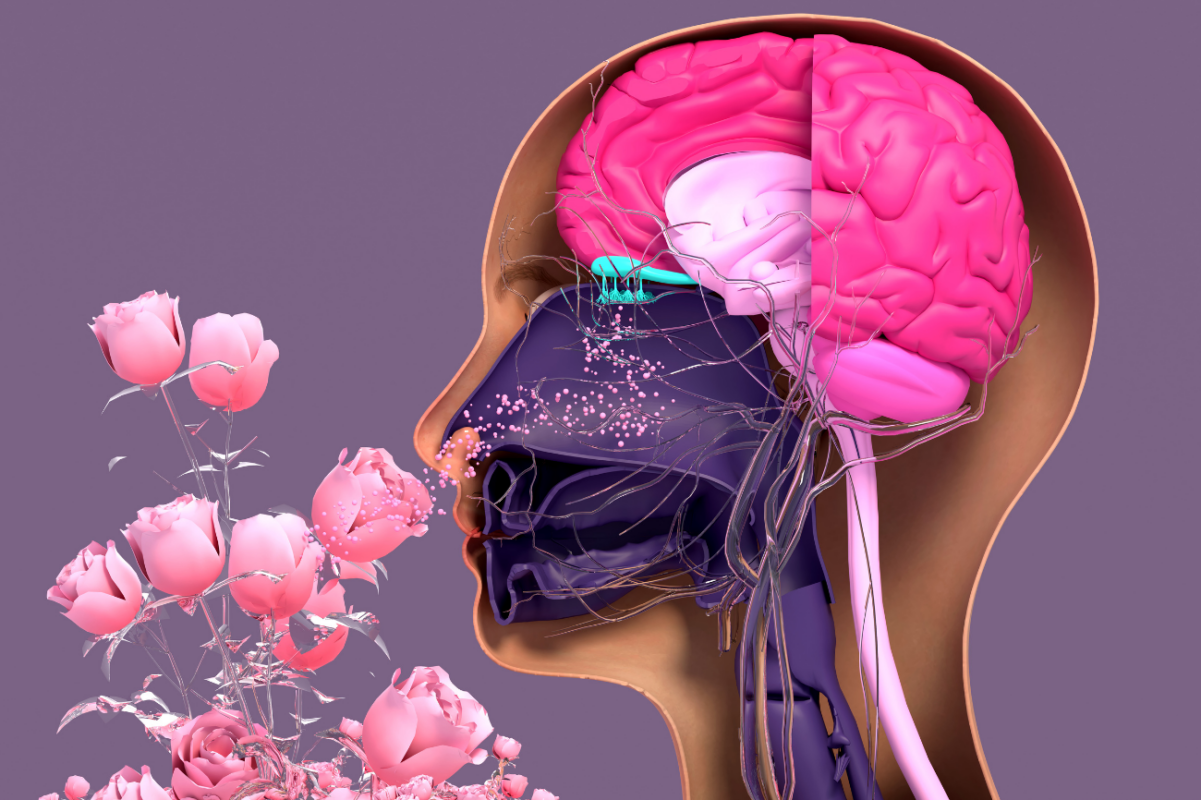
The nose is a remarkable organ that plays a crucial role in our daily lives. We use it to detect a wide variety of scents, from the delicious aroma of fresh coffee to the pungent smell of rotten eggs. But there are many surprising facts about the nose that you might not be aware of. Here are 10 facts that might just blow your mind:

  • The nose can detect over 1 trillion different scents. This incredible sensitivity is due in part to the large number of olfactory receptor neurons in the olfactory epithelium, as well as the brain’s ability to distinguish between different combinations of odor molecules.
  • Your nose can remember up to 50,000 different scents. This is why certain smells can trigger memories and emotions from the past.
  • The nose is the only part of the body that never stops growing. This is due to the cartilage and bone in the nose continuing to grow throughout our lives.
  • Humans have a unique “nasal cycle” that alternates between the nostrils, with one nostril being more open than the other at any given time. This helps to improve our sense of smell and allows us to detect a wider range of scents.
  • Some people are born without a sense of smell, a condition known as anosmia. This can be caused by genetic factors or damage to the olfactory nerve.
  • Your sense of smell can be affected by age, with older adults often experiencing a decline in their ability to detect certain scents.
  • The shape of your nose can impact your ability to breathe. A deviated septum or other nasal abnormalities can cause breathing problems and may require surgery to correct.
  • Your nose can help to regulate your body temperature. When you inhale cold air, the nasal passages warm it up before it reaches your lungs.
  • The smell of some foods can actually make you feel fuller, which can help to curb your appetite and reduce your overall calorie intake.
  • The nose can also help to detect pheromones, which are chemical signals that can impact our social behavior and attraction to others.

In conclusion, the nose is a fascinating and complex organ that plays a crucial role in our daily lives. From detecting scents to regulating our body temperature, there are many surprising facts about the nose that highlight its importance to our overall health and wellbeing. So the next time you take a deep breath, take a moment to appreciate the incredible complexity of the human nose and the amazing things it can do.


The mighty tongue: anatomy, functions, and disorders


The tongue is a powerful and complex organ in the human body, responsible for a wide range of functions such as taste, speech, and swallowing. Despite its small size, the tongue plays an essential role in our daily lives, and any dysfunction or disorder can have a significant impact on our overall health.

Anatomy of the tongue,

The tongue is a muscular organ located in the mouth, composed of eight different muscles that work together to allow for movement and function. The tongue is divided into two parts: the oral tongue, which is visible and used for speaking, and the base of the tongue, which is located at the back of the mouth and used for swallowing.

The surface of the tongue is covered in tiny bumps called papillae, which contain the taste buds that allow us to perceive different flavors. The tongue is also responsible for producing saliva, which aids in digestion and helps to keep the mouth moist.

Functions of the tongue,

The tongue is responsible for a wide range of functions, including taste, speech, and swallowing. Taste buds located on the surface of the tongue allow us to perceive different flavors, including sweet, sour, bitter, and salty.

The tongue is also crucial for speech production, as it works in conjunction with the lips, teeth, and jaw to create a wide range of sounds and articulations. Without the proper functioning of the tongue, speech can be difficult or even impossible.

In addition to taste and speech, the tongue also plays a vital role in swallowing. The muscles of the tongue work to push food and liquids towards the back of the mouth, where they can be safely swallowed and transported down the esophagus to the stomach.

Disorders of the Tongue,

Several disorders can affect the tongue, ranging from minor annoyances to serious medical conditions. Some common tongue disorders include:

  • Tongue Thrusting: A habit in which the tongue protrudes past the teeth during swallowing or at rest, which can lead to dental problems or speech difficulties.
  • Glossitis: Inflammation of the tongue, which can cause pain, swelling, and difficulty swallowing.
  • Tongue Tie: A condition in which the frenulum, the small band of tissue that connects the tongue to the floor of the mouth, is too short, leading to difficulty with speech and swallowing.
  • Oral Cancer: A type of cancer that can develop on the surface of the tongue, which can cause pain, difficulty swallowing, and other symptoms.

Treatment for tongue disorders varies depending on the specific condition and its severity. In some cases, medication or lifestyle changes may be sufficient, while more severe conditions may require surgery or other medical interventions.

The tongue is a vital organ in the human body, responsible for a wide range of functions that are essential for daily life. Understanding the anatomy, functions, and disorders of the tongue is crucial for maintaining good oral and overall health. If you experience any problems or abnormalities with your tongue, it’s important to seek medical attention promptly to prevent further complications.

Understanding blood oxygen: what you need to know

Blood oxygen is a vital component of the body’s respiratory system. It refers to the amount of oxygen that is present in the blood, and it is measured by a simple test called the pulse oximeter. A normal blood oxygen level ranges from 95 to 100%, while anything below 90% is considered low and requires medical attention. In this article, we will explore what blood oxygen is, why it’s essential, and what factors affect its levels.

What is blood oxygen,
Blood oxygen refers to the amount of oxygen that is carried by red blood cells throughout the body. The oxygen is obtained from the air that we breathe in through our lungs and then transported through the bloodstream to our cells, where it is used to produce energy. Oxygen is vital for our body’s functions, and without it, our cells can’t survive.

Why is blood oxygen important,
Blood oxygen is essential for our body to function properly. When our body’s oxygen levels drop, we can experience symptoms such as shortness of breath, dizziness, confusion, and even loss of consciousness. Low blood oxygen levels can be caused by a range of conditions, such as lung diseases, heart problems, and sleep apnea.

What factors affect blood oxygen levels,
Several factors can affect blood oxygen levels, including:

  • Lung function: Lung diseases such as chronic obstructive pulmonary disease (COPD), asthma, and pneumonia can reduce lung function and cause low blood oxygen levels.
  • Heart function: Heart diseases such as heart failure and coronary artery disease can reduce the amount of oxygen that the heart pumps to the body.
  • Altitude: At higher altitudes, the air pressure is lower, which means there is less oxygen in the air. This can cause low blood oxygen levels.
  • Sleep apnea: Sleep apnea is a condition in which breathing stops and starts repeatedly during sleep. This can cause low blood oxygen levels.
  • Anemia: Anemia is a condition in which the body does not produce enough red blood cells, which can result in low blood oxygen levels.

How is Blood Oxygen Measured,

Blood oxygen levels can be measured using a device called a SmartHeart Fingertip Pulse Oximeter for Blood Oxygen Saturation .This small device attaches to your finger and measures the amount of oxygen that is present in your blood. The pulse oximeter works by shining a light through your finger and detecting the amount of oxygen that is absorbed by the blood.

In conclusion, understanding blood oxygen is essential for maintaining good health. Blood oxygen levels can be affected by a range of factors, and it’s essential to monitor them regularly to ensure that they are within the normal range. If you experience symptoms such as shortness of breath or dizziness, it’s important to seek medical attention immediately as they could be a sign of low blood oxygen levels.

The effects of high blood pressure on the body: a comprehensive guide

High blood pressure, or hypertension, is a condition in which the force of blood against the walls of your arteries is consistently too high. This can lead to a variety of negative effects on your body, which is why it is often referred to as the “silent killer”. In this article, we will explore the effects of high blood pressure on the body in a comprehensive guide.

  • Cardiovascular system: High blood pressure can have serious consequences for your heart and blood vessels. Over time, the increased pressure can damage the walls of your arteries, making them less elastic and more prone to blockages. This can lead to heart disease, heart attack, stroke, and peripheral artery disease. High blood pressure can also cause aneurysms, or bulges in the walls of your arteries, which can rupture and cause life-threatening internal bleeding.
  • Brain: High blood pressure can have significant effects on your brain health as well. It can increase your risk of stroke, as well as cognitive impairment and dementia. When blood pressure is consistently high, it can damage the blood vessels in your brain, reducing blood flow and oxygen to critical areas. This can lead to brain damage and a variety of neurological symptoms.
  • Kidneys: Your kidneys play a vital role in filtering waste products from your blood and regulating your body’s fluid and electrolyte balance. High blood pressure can damage the small blood vessels in your kidneys, reducing their ability to function properly. This can lead to chronic kidney disease, kidney failure, and the need for dialysis or a kidney transplant.
  • Eyes: High blood pressure can also damage the small blood vessels in your eyes, leading to a condition called hypertensive retinopathy. This can cause vision problems and, in severe cases, blindness.
  • Other Effects: High blood pressure can also increase your risk of developing other health problems, including sleep apnea, metabolic syndrome, and diabetes. It can also worsen existing health conditions, such as asthma, osteoporosis, and erectile dysfunction.

Take control of your health with our Digital Blood Pressure Monitoring Unit, providing accurate and reliable readings in the comfort of your own home.

High blood pressure can have serious and far-reaching effects on your body. It is important to have your blood pressure checked regularly and to take steps to manage it if it is consistently high. This may include lifestyle changes such as eating a healthy diet, exercising regularly, maintaining a healthy weight, reducing stress, and quitting smoking. In some cases, medication may be necessary to control high blood pressure and prevent its damaging effects on your body.

The importance of clean labs

A clean lab is essential for ensuring accurate and reliable scientific research.

A clean lab minimizes the risk of contamination of samples, reagents, and equipment. Contamination can lead to inaccurate results, which can compromise the entire experiment and waste resources, and a clean lab ensures that experiments are performed in a controlled environment, reducing the risk of external factors affecting the results. It also ensures that equipment is functioning correctly, which can affect the accuracy of data.

Protects Workers

A clean lab provides a safe and healthy working environment for researchers. It reduces the risk of accidents and exposure to hazardous chemicals or pathogens.

Many labs are subject to strict regulations regarding cleanliness and safety. Compliance with these regulations is essential for the lab to operate legally and maintain funding, also a clean lab reflects positively on the lab and the researchers working there. It can enhance the reputation of the lab and attract more funding, collaborations, and partnerships.

Overall, a clean lab is crucial for scientific research. It ensures accurate results, protects workers, complies with regulations, and enhances the lab’s reputation.

You can find here many helpful products that can use for the laboratory.

Pediatric stethoscopes: a guide for parents and caregivers

As a parent or caregiver, one of the most important things you can do for your child is to ensure that they receive the best medical care possible. A critical tool for healthcare providers is the pediatric stethoscope. In this article, we will discuss what a pediatric stethoscope is, why it is important, and how to choose the right one for your child.

What is a pediatric stethoscope,

A pediatric stethoscope is a medical device designed to listen to the sounds of the heart, lungs, and other internal organs in children. It is similar to a regular stethoscope, but it is smaller in size and has a diaphragm and bell specifically designed for use in pediatric patients.

Why is a pediatric stethoscope important,

A pediatric stethoscope is an essential tool for healthcare providers when diagnosing and treating children’s medical conditions. It allows them to listen to the sounds of the heart and lungs to determine if there are any abnormalities. For example, a pediatrician may use a stethoscope to listen to a child’s breathing to diagnose asthma or pneumonia.

A pediatric stethoscope is an essential tool for healthcare providers when diagnosing and treating children’s medical conditions. It allows them to listen to the sounds of the heart and lungs to determine if there are any abnormalities. For example, a pediatrician may use a stethoscope to listen to a child’s breathing to diagnose asthma or pneumonia.

How to choose the right pediatric stethoscope,

Choosing the right pediatric stethoscope can be a daunting task, but it is essential to select a device that is appropriate for your child’s needs. Here are some factors to consider when selecting a pediatric stethoscope:

  • Size: A pediatric stethoscope should be appropriately sized for your child. It should be small enough to fit comfortably on their chest and earpieces should fit snugly in their ears.
  • Durability: Since children can be rough on medical equipment, look for a pediatric stethoscope made of sturdy materials that can withstand frequent use.
  • Acoustics: Good acoustics are critical to accurately hear and diagnose heart and lung sounds. Look for a stethoscope that has a diaphragm and bell that are specifically designed for use in pediatric patients.
  • Brand and price: Consider purchasing a stethoscope from a reputable brand known for producing high-quality medical equipment. While cost is an important consideration, it is essential to invest in a stethoscope that is durable and has excellent acoustics, which may cost more than budget options.

Get accurate and reliable diagnosis for your child’s medical conditions with our high-quality 3M™ Littmann® Pediatric Stethoscope.

Pediatric stethoscope is an important tool for healthcare providers when diagnosing and treating children’s medical conditions. As a parent or caregiver, choosing the right pediatric stethoscope for your child can be a challenging task, but considering factors such as size, durability, acoustics, brand, and price can help ensure you select a device that is appropriate for your child’s needs. By investing in a quality pediatric stethoscope, you can help ensure that your child receives the best possible medical care.

The role of baby powder in maintaining good hygiene and skin health

Baby powder is a common household item that has been used for generations to keep infants dry and comfortable. It is a talc-based powder that is applied to the diaper area to help absorb moisture and prevent diaper rash. However, baby powder can also be used for other purposes, including maintaining good hygiene and skin health.

Benefits of using baby powder for hygiene,

Baby powder is an excellent product for maintaining good hygiene, especially in warm and humid environments. It helps absorb moisture and keeps the skin dry, reducing the risk of bacterial and fungal infections. This is particularly important for infants, as their delicate skin is more susceptible to irritation and infections.

In addition to its moisture-absorbing properties, baby powder can also help reduce odors, making it an excellent product for managing body odor. It can be applied to various parts of the body, including the armpits, feet, and groin area, to keep them dry and odor-free.

Baby powder can also be used to soothe irritated or itchy skin, particularly in areas where skin rubs together, such as the inner thighs or underarms. The powder helps reduce friction and provides a soothing sensation to the affected area.

Using baby powder safely,

While baby powder has many benefits, it is essential to use it safely to avoid potential health risks. The most significant risk associated with baby powder is talc-based powder’s potential link to ovarian cancer. Therefore, parents should opt for cornstarch-based powders instead of talc-based powders.

It is also important to avoid applying baby powder to broken or irritated skin, as it can further irritate the area and potentially cause infection. It is best to apply baby powder to clean, dry skin and avoid inhaling the powder, as it can be harmful to the lungs.

Experience the soothing comfort of Johnson’s® Baby Powder, which absorbs moisture and prevents irritation and chafing.

Baby powder can be a useful product for maintaining good hygiene and skin health, but it must be used safely to avoid potential health risks. Parents should opt for cornstarch-based powders instead of talc-based powders and apply it to clean, dry skin. It can help reduce moisture, odors, and friction, making it an excellent product for both infants and adults. By using baby powder safely, you can enjoy its many benefits without compromising your health or the health of your loved ones.

The incredible strength and flexibility of the human skeleton

The human skeleton is an incredible structure that provides strength, support, and flexibility to the human body. Composed of over 200 bones, it protects vital organs, produces blood cells, and enables movement. The strength and flexibility of the human skeleton is remarkable and can be attributed to several factors.

Firstly, the human skeleton is made up of a combination of compact and spongy bone tissue. Compact bone is dense and strong, providing structure and support to the skeleton. Spongy bone, on the other hand, is lightweight and porous, giving the skeleton flexibility and the ability to absorb shock.

Secondly, the shape and arrangement of the bones in the human body also contribute to its strength and flexibility. Long bones, such as those in the arms and legs, are designed to withstand weight and pressure, while flat bones, such as those in the skull, provide protection for the brain and other organs.

Thirdly, the human skeleton is also designed for movement. The joints between the bones are designed to allow for a wide range of movement, from the simple back and forth motion of the elbow to the complex movements of the hips and shoulders.

Finally, the strength and flexibility of the human skeleton can also be attributed to its ability to adapt and change. Regular exercise and physical activity can help strengthen bones, increase bone density, and improve joint flexibility, making the body more resistant to injury.

The incredible strength and flexibility of the human skeleton is a marvel of nature. It provides support, protection, and movement to the human body, allowing us to perform a wide range of activities and tasks. By understanding the factors that contribute to its strength and flexibility, we can take steps to maintain and improve our bone and joint health, ensuring that we can continue to move and function at our best.

The role of the kidneys in removing toxins from the body

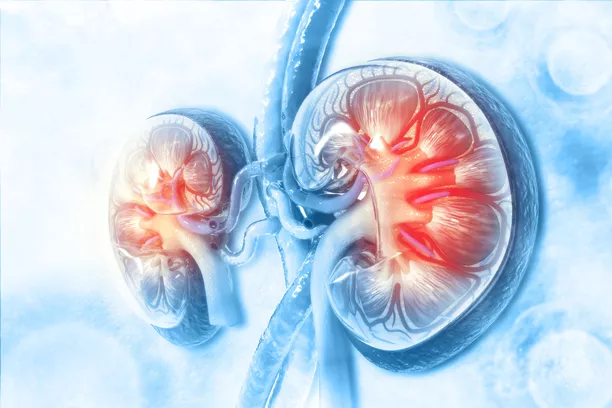
The kidneys are essential organs that perform several vital functions in the human body. One of their most crucial roles is to remove toxins from the bloodstream. The kidneys filter the blood, removing waste products, excess fluids, and other harmful substances that can accumulate in the body. These toxins can come from various sources, including metabolic processes, food, and medications. Without the kidneys’ filtration process, these toxins would build up in the body, leading to various health problems.

The kidneys remove toxins from the body through a process called filtration. This process involves the kidneys filtering blood through millions of tiny structures called nephrons. Each nephron consists of a glomerulus and a tubule. The glomerulus acts as a sieve, filtering out waste products, excess fluids, and other harmful substances from the bloodstream. The filtered fluid then passes through the tubule, where the kidneys reabsorb useful substances like glucose and amino acids while excreting waste products like urea and creatinine.

One of the most important functions of the kidneys is to maintain the body’s electrolyte balance. Electrolytes are essential minerals that play a vital role in the body’s overall functioning. The kidneys remove excess electrolytes like sodium, potassium, and chloride from the body, preventing imbalances that can lead to serious health problems.

When the kidneys are not functioning correctly, toxins can build up in the body, leading to several health problems. For example, kidney disease is a condition that can cause a gradual loss of kidney function, leading to a buildup of toxins in the body. Other health problems associated with poor kidney function include high blood pressure, anemia, and bone disease.

In conclusion, the kidneys play a critical role in removing toxins from the body. They filter the blood, removing waste products and excess fluids while maintaining the body’s electrolyte balance. Maintaining good kidney health is essential to overall health and wellbeing. This can be achieved through lifestyle choices such as maintaining a healthy diet, staying hydrated, and avoiding smoking and excessive alcohol consumption.

The Science of Sound: How the Human Ear Works

Sound is an essential part of our lives. We use it to communicate, to enjoy music and other forms of entertainment, and to stay safe by warning us of potential dangers. But have you ever stopped to wonder how our ears actually work? How do we hear and process sound? In this article, we will explore the science of sound and how the human ear works.

The Ear Anatomy,

The ear is a complex organ that consists of three main parts: the outer ear, the middle ear, and the inner ear. Each part plays a vital role in the process of hearing.

The outer ear is the part that we can see. It includes the pinna, or the external part of the ear, and the ear canal. Its primary function is to collect sound waves and direct them towards the eardrum.

The middle ear is located between the eardrum and the inner ear. It contains three tiny bones called ossicles, which are the smallest bones in the human body. The ossicles amplify the sound waves and transmit them to the inner ear.

The inner ear is the most complex part of the ear. It contains the cochlea, a spiral-shaped structure filled with fluid and tiny hair cells that convert sound vibrations into electrical signals that can be interpreted by the brain. The inner ear also contains the vestibular system, which is responsible for our sense of balance and orientation.

How We Hear,

The process of hearing begins when sound waves enter the outer ear and travel down the ear canal to the eardrum. When the sound waves hit the eardrum, it vibrates, causing the three ossicles in the middle ear to vibrate as well. The vibration of the ossicles amplifies the sound and transmits it to the cochlea in the inner ear.

Inside the cochlea, the sound waves cause the fluid to move, which in turn causes the hair cells to bend. The hair cells convert the movement into electrical signals, which are sent to the brain via the auditory nerve. The brain then interprets these signals as sound.

Types of Hearing Loss,

There are two main types of hearing loss: conductive hearing loss and sensorineural hearing loss. Conductive hearing loss occurs when there is a problem with the outer or middle ear that prevents sound waves from reaching the inner ear. This can be caused by a blockage in the ear canal, a perforated eardrum, or damage to the ossicles.

Sensorineural hearing loss, on the other hand, occurs when there is damage to the hair cells or the auditory nerve in the inner ear. This type of hearing loss is typically caused by aging, exposure to loud noise, or certain medical conditions.

The human ear is an amazing organ that allows us to hear the world around us. Understanding how the ear works and the different types of hearing loss can help us take better care of our ears and seek appropriate treatment when necessary. By protecting our ears and being aware of the signs of hearing loss, we can continue to enjoy the many benefits that sound brings to our lives.