
loader

Category: Uncategorized

  • Home
  • Category: Uncategorized

Maximizing milk production: tips for using a breast pump

As a nursing mother, one of your main concerns is ensuring that your baby receives adequate breast milk. However, for various reasons such as returning to work or insufficient milk supply, mothers may need to pump milk using a breast pump. In this article, we will discuss tips for maximizing milk production while using a breast pump.

  • Choose the right breast pump: Selecting the right breast pump is crucial for maximizing milk production. Manual pumps are ideal for occasional use, while electric pumps are recommended for more frequent use. Double electric pumps are preferred as they stimulate milk production and provide greater milk output in less time.

    Introducing the Zomee Double Electric Breast Pump Kit, a must-have for nursing mothers looking for a high-quality, efficient, and comfortable pumping experience.
  • Find a comfortable and relaxing environment: Milk production is enhanced when you are comfortable and relaxed. Choose a quiet and private space to pump, and make sure that you are seated in a comfortable chair with good back support. Dim the lights, listen to soothing music or sounds, or read a book to help you relax and let down milk.
  • Create a pumping schedule: Pumping regularly is essential to maintain a healthy milk supply. Establish a regular pumping schedule that mimics your baby’s feeding schedule. If you are returning to work, try to pump every 2-3 hours while at work to maintain your milk supply.
  • Use proper pumping techniques: Using the right pumping techniques can help you get the most milk out of each pumping session. Begin with a low suction level, then gradually increase the suction level to a comfortable setting. Use a high suction level to stimulate letdown, then switch to a slower, gentler suction to maintain milk flow.
  • Utilize hands-on pumping: Hands-on pumping is a technique that involves using your hands to massage and compress your breast while pumping. This technique helps to maximize milk output and empty your breasts more efficiently. You can use your hands to massage your breast while the pump is on, or you can use a hands-free pumping bra to free up your hands.
  • Stay hydrated and well-nourished: Drinking plenty of fluids and eating a balanced diet is essential for maintaining a healthy milk supply. Drink water or other hydrating fluids before and during pumping sessions to help you stay hydrated. Eat a well-balanced diet that includes plenty of fruits, vegetables, whole grains, lean protein, and healthy fats to provide your body with the nutrients it needs to produce milk.

In conclusion, maximizing milk production while using a breast pump requires choosing the right pump, finding a comfortable and relaxing environment, creating a pumping schedule, using proper pumping techniques, utilizing hands-on pumping, and staying hydrated and well-nourished. Following these tips can help you maintain a healthy milk supply and ensure that your baby receives the nutrition they need.


The benefits of using mouthwash: a comprehensive guide

Maintaining good oral hygiene is crucial for maintaining overall health. Brushing and flossing your teeth are great ways to keep your teeth and gums healthy, but adding mouthwash to your routine can provide additional benefits. In this article, we’ll explore the benefits of using mouthwash and how it can help you achieve optimal oral health.

  • Fresh breath: Bad breath is a common problem that can affect anyone. Using mouthwash after brushing and flossing can help freshen your breath by killing bacteria that cause bad breath. Mouthwash can also help to remove food particles and debris that may be stuck in between your teeth.
  • Preventing Cavities: Mouthwash can also help to prevent cavities. Many mouthwashes contain fluoride, which helps to strengthen the enamel on your teeth. Strong enamel is more resistant to tooth decay, which can help to prevent cavities from forming. Using mouthwash can be particularly beneficial for individuals who are at a higher risk of developing cavities.
  • Preventing Gingivitis: Gingivitis is a common gum disease that can cause inflammation and bleeding of the gums. Using mouthwash regularly can help to prevent the development of gingivitis by reducing the number of bacteria in your mouth that can cause inflammation. Mouthwash can also help to reduce the amount of plaque that builds up on your teeth, which can further help to prevent gum disease.
  • Reducing plaque buildup: Plaque is a sticky film of bacteria that can build up on your teeth and gums. If left untreated, plaque can harden into tartar, which can only be removed by a dentist. Using mouthwash regularly can help to reduce plaque buildup and prevent tartar from forming. This can help to keep your teeth and gums healthy and reduce your risk of developing gum disease.
  • Promoting Healing: Mouthwash can also be beneficial for promoting healing after dental procedures. Mouthwash can help to kill bacteria in your mouth and prevent infection, which can help to promote healing. Some mouthwashes also contain ingredients that can help to soothe and heal oral sores, making them an effective treatment option for individuals who have recently had dental work done.
  • Choosing the right mouthwash: When choosing a mouthwash, it’s important to consider your specific oral health needs. If you are prone to cavities, a mouthwash that contains fluoride may be beneficial. If you are at risk of developing gum disease, a mouthwash that contains antibacterial ingredients may be more appropriate. It’s also important to choose a mouthwash that is alcohol-free, as alcohol can be drying to the mouth and may cause irritation.

Say goodbye to bad breath and hello to a healthier mouth with Listerine® Cool Mint® Antiseptic Mouthwash, which kills up to 99.9% of germs that cause bad breath, plaque, and gingivitis.

In conclusion, using mouthwash as part of your oral hygiene routine can provide many benefits. From freshening your breath to preventing cavities and gum disease, mouthwash can help you achieve optimal oral health. When choosing a mouthwash, be sure to consider your specific needs and choose a product that is alcohol-free and contains the ingredients that are most beneficial for your oral health.

Get rid of cold and cough: effective relief products and techniques

As the temperature drops, so does our body’s ability to ward off illnesses like cold and cough. Whether it’s the common cold or a nasty flu, these illnesses can leave us feeling miserable and desperate for relief. While there is no cure for the common cold, there are a number of products and techniques available that can help alleviate symptoms and get you back on your feet. In this article, we’ll explore some of the most effective relief products and techniques for getting rid of cold and cough.

  • Over-the-counter medications: When it comes to relieving the symptoms of cold and cough, there are a number of over-the-counter medications available. Some of the most common options include decongestants, antihistamines, cough suppressants, and pain relievers. Decongestants can help alleviate nasal congestion, while antihistamines can reduce sneezing and runny nose. Cough suppressants and pain relievers can help ease coughing and sore throat.

    Say goodbye to mucus and hello to relief with Sunmark® Mucus E.R.™ Guaifenesin Cold and Cough Relief – the fast-acting solution for your cold and cough symptoms.

  • Herbal remedies: For those who prefer natural remedies, there are a number of herbs that have been used for centuries to treat cold and cough symptoms. Some popular options include ginger, garlic, echinacea, and elderberry. These herbs can be consumed in teas, supplements, or used in cooking.
  • Steam therapy: Steam therapy can be a great way to ease congestion and reduce coughing. Simply fill a bowl with hot water, place a towel over your head and breathe in the steam for a few minutes. You can also add essential oils like eucalyptus or peppermint to enhance the experience.
  • Salt water gargle: Gargling with salt water can help reduce inflammation in the throat and ease soreness. Simply mix a teaspoon of salt in a glass of warm water and gargle for a few seconds before spitting it out.
  • Hydration: Staying hydrated is crucial when fighting off a cold or cough. Drink plenty of water, herbal tea, or hot lemon water with honey to soothe a sore throat and keep the body hydrated.
  • Rest: Finally, one of the most effective ways to get rid of cold and cough is to get plenty of rest. Your body needs time to fight off the illness, and getting enough sleep can help your immune system work more efficiently.

Cold and cough can be a real hassle to deal with, but there are a number of effective relief products and techniques available to alleviate symptoms and get you feeling better. With the right approach, you’ll be back to your healthy self in no time.

The health benefits of fish oil omega-3: a comprehensive overview

Fish oil omega-3 is a type of polyunsaturated fatty acid that is commonly found in fish and fish oil supplements. Omega-3 fatty acids are essential for human health, and fish oil omega-3 is known for its numerous health benefits. In this article, we will explore the many health benefits of fish oil omega-3.

  • Promotes heart health: One of the primary benefits of fish oil omega-3 is its ability to promote heart health. Studies have shown that omega-3 fatty acids can help to reduce triglycerides, lower blood pressure, and reduce the risk of heart disease. Additionally, omega-3 fatty acids can help to reduce inflammation, which is a major factor in the development of heart disease.
  • Improves brain function: Fish oil omega-3 is also important for brain health. Studies have shown that omega-3 fatty acids can help to improve cognitive function and memory, especially in older adults. Additionally, omega-3 fatty acids can help to reduce the risk of depression and anxiety.
  • Reduces inflammation: Inflammation is the body’s natural response to injury or infection, but chronic inflammation can lead to a number of health problems. Fish oil omega-3 can help to reduce inflammation throughout the body, which can help to reduce the risk of chronic diseases such as arthritis, Crohn’s disease, and ulcerative colitis.
  • Supports eye health: Fish oil omega-3 is also important for eye health. Studies have shown that omega-3 fatty acids can help to reduce the risk of age-related macular degeneration, which is a leading cause of blindness in older adults. Additionally, omega-3 fatty acids can help to improve dry eye syndrome.
  • Promotes healthy skin: Finally, fish oil omega-3 is important for maintaining healthy skin. Omega-3 fatty acids can help to improve skin hydration and reduce the risk of acne and other skin problems. Additionally, omega-3 fatty acids can help to protect the skin from UV damage and reduce the risk of skin cancer.

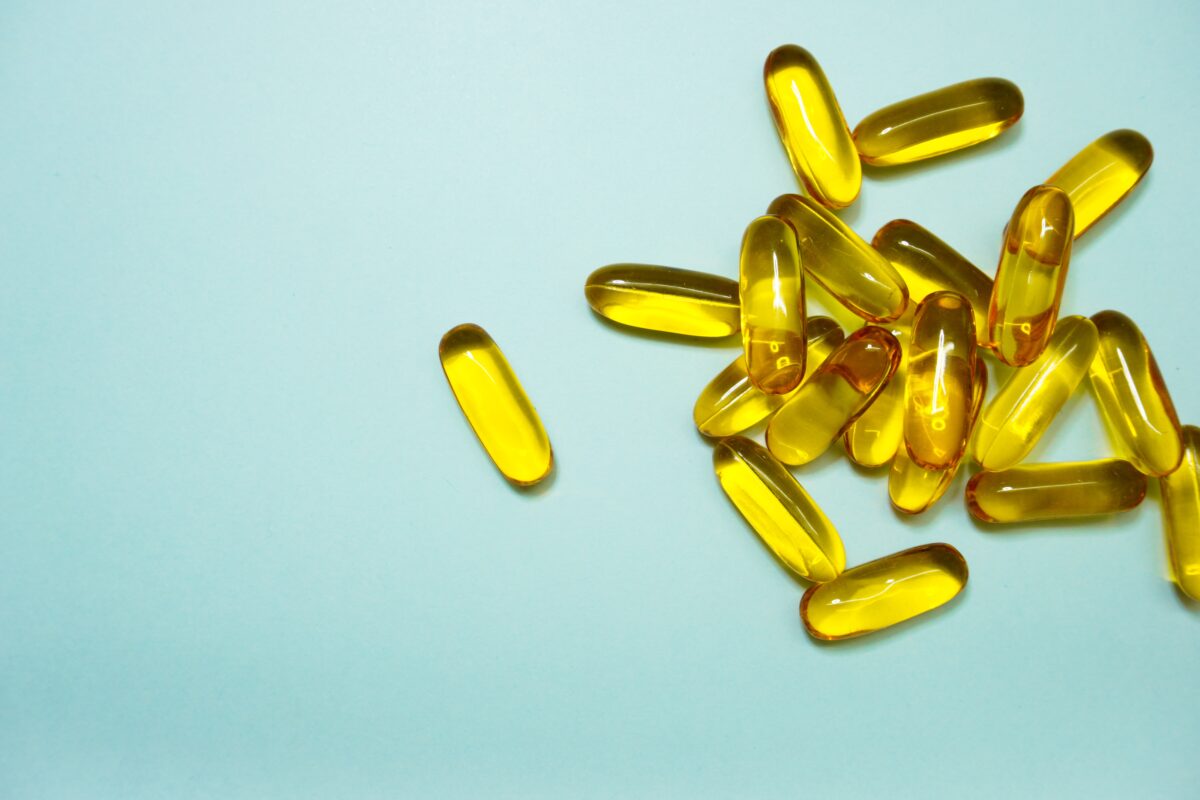
Take care of your heart, brain, and overall well-being with Sunmark®Fish Oil Omega-3 Supplement, the trusted choice for high-quality omega-3.

In conclusion, fish oil omega-3 is a powerful nutrient that can provide numerous health benefits. From promoting heart health and improving brain function to reducing inflammation and supporting eye and skin health, fish oil omega-3 should be an essential part of everyone’s diet. If you are not currently getting enough omega-3 fatty acids in your diet, consider adding a fish oil supplement to your daily routine.

Dry eyes: causes, symptoms, and treatments

Dry eyes are a common condition that affects millions of people worldwide. It occurs when the eyes do not produce enough tears or when the tears evaporate too quickly, leaving the eyes feeling dry, gritty, and irritated. This can cause discomfort and sometimes even affect your vision. In this article, we will discuss the causes, symptoms, and treatments for dry eyes.

Causes of Dry Eyes,
There are many factors that can contribute to dry eyes, including:

  • Aging: As we age, our tear glands may not produce enough tears, leading to dry eyes.
  • Medical Conditions: Certain medical conditions such as rheumatoid arthritis, diabetes, and thyroid disorders can cause dry eyes.
  • Environmental Factors: Exposure to smoke, wind, and dry air can cause tears to evaporate faster, leaving the eyes dry.
  • Medications: Certain medications, such as antihistamines, decongestants, and antidepressants, can reduce tear production and cause dry eyes.
  • Contact Lenses: Wearing contact lenses can lead to dry eyes as they can absorb tears, causing the eyes to become dry and uncomfortable.


Symptoms of Dry Eyes,
The symptoms of dry eyes can vary from person to person but may include:

  • A gritty or sandy feeling in the eyes.
  • Burning or stinging sensation.
  • Redness in the eyes.
  • Blurred vision or sensitivity to light.
  • Eye fatigue or discomfort.
  • Difficulty wearing contact lenses.

Treatments for Dry Eyes,
There are many treatments available to help manage the symptoms of dry eyes, including:

  • Artificial Tears: Over-the-counter artificial tears can be used to lubricate the eyes and provide temporary relief from dryness. Whether you suffer from occasional dryness or chronic eye discomfort, Systane® Eye Lubricant can help soothe and protect your eyes.
  • Prescription Eye Drops: Your doctor may prescribe medicated eye drops to reduce inflammation and increase tear production.
  • Omega-3 Fatty Acids: Omega-3 supplements can help improve the quality of tears and reduce dry eye symptoms.
  • Lifestyle Changes: Avoiding smoke and other irritants, taking regular breaks from screen time, and using a humidifier can help alleviate dry eye symptoms.
  • Surgery: In severe cases, surgery may be necessary to help alleviate dry eye symptoms.

In conclusion, dry eyes can be a frustrating and uncomfortable condition to live with. However, with the right treatment and management strategies, it is possible to alleviate the symptoms and improve your quality of life. If you are experiencing dry eye symptoms, it is important to speak with your doctor or optometrist to discuss the best treatment options for you.

The power of vitamin B-6: protecting your heart health

Vitamin B-6, also known as pyridoxine, is an essential nutrient that plays a crucial role in maintaining good health. It is involved in a wide range of bodily functions, including the metabolism of amino acids, the synthesis of neurotransmitters, and the formation of red blood cells. Some research has shown that vitamin B-6 may help lower homocysteine levels, which could potentially reduce the risk of heart disease.

The recommended daily intake of vitamin B-6 is 1.3-1.7 mg for most adults. If you are concerned about your heart health, talk to your healthcare provider about the best ways to reduce your risk of heart disease, which may include dietary changes, exercise, and vitamin B-6 supplements.

Whether you’re looking to maintain overall health or support specific bodily functions, Geri-Care® Vitamin B-6 Supplement is a great addition to your daily routine.

In summary, vitamin B-6 is an important nutrient that may have some impact on heart health, but the best way to obtain it is through a balanced diet, and it is important to talk to your healthcare provider before taking any supplements for heart health.

Pregnancy and vitamin A: the importance of adequate intake for fetal development

During pregnancy, proper nutrition is essential for both the health of the mother and the development of the growing fetus. One nutrient that is particularly important during this time is vitamin A. Adequate intake of vitamin A is crucial for the proper development of the fetal immune system, respiratory system, and vision.

Vitamin A is a fat-soluble vitamin that plays a vital role in a wide range of biological functions. During pregnancy, the recommended daily intake of vitamin A is 770 micrograms (mcg) for women ages 19-50. However, excessive intake of vitamin A can be toxic and harmful to both mother and baby. Therefore, it is important for pregnant women to get vitamin A from food sources rather than supplements, as food sources provide a more balanced and safe intake of the nutrient.

Some of the best food sources of vitamin A include liver, sweet potatoes, carrots, spinach, and other leafy green vegetables, as well as dairy products such as milk and cheese. Consuming a variety of these nutrient-rich foods can help ensure that pregnant women get adequate amounts of vitamin A without risking toxicity. Inadequate intake of vitamin A during pregnancy can lead to an increased risk of birth defects, such as cleft palate and heart abnormalities, as well as a weakened immune system and an increased risk of infections in both mother and baby.

By prioritizing proper nutrition and adequate intake of vitamin A, pregnant women can help ensure the health and well-being of both themselves and their growing baby. Get the recommended daily amount of Vitamin A with Major® Vitamin A Supplement.

How we can protect our skin

Protecting your skin has numerous benefits

By taking care of your skin and protecting it from harm, you can enjoy these benefits and maintain healthy, radiant skin for years to come. When protecting your skin will reduce the risk of skin cancer; sun exposure is a major risk factor for skin cancer, so protecting your skin from the sun’s harmful UV rays can reduce your risk of developing skin cancer.

Skin protection can help prevent skin problems that can lead to infections, allergies, and other health issues and when your skin looks and feels healthy, it can boost your confidence and make you feel good about yourself.

Protect your skin from damage

There are many ways to protect your skin and keep it healthy. Here are some tips:

  1. Use sunscreen: Apply sunscreen with at least SPF 30 every day, even on cloudy days.
  2. Avoid excessive sun exposure: Limit your time in the sun, especially during peak hours between 10 a.m. and 4 p.m.
  3. Wear protective clothing: Cover up with long-sleeved shirts, pants, and hats to shield your skin from the sun.
  4. Stay hydrated: Drink plenty of water to keep your skin hydrated and healthy.
  5. Use a gentle cleanser: Use a gentle cleanser that doesn’t strip your skin of its natural oils.
  6. Moisturize: Apply moisturizer daily to keep your skin soft and supple.
  7. Don’t smoke: Smoking can damage your skin and accelerate the aging process.
  8. Eat a healthy diet: Eat a diet rich in fruits, vegetables, and whole grains to nourish your skin from the inside out.
  9. Manage stress: Stress can take a toll on your skin, so find ways to manage stress, such as exercise, meditation, or yoga.

By following these tips, you can help protect your skin from damage and keep it healthy and radiant.

How to relieve gas pain: tips and tricks

Gas pain can be uncomfortable and even painful, but there are several tips and tricks you can try to find relief. In this article, we will explore some of the best ways to relieve gas pain.

  • Move around: One of the most effective ways to relieve gas pain is to move around. When we move, it helps to stimulate digestion and relieve pressure on the digestive tract. Try taking a short walk or doing some gentle stretches to help get things moving.
  • Massage: Massaging your abdomen can also help to relieve gas pain. Use your fingers to gently massage your belly in a circular motion. This can help to release trapped gas and relieve discomfort.
  • Drink Water: Drinking water can help to flush out excess gas and improve digestion. Aim to drink at least eight glasses of water per day. You can also add some lemon juice or ginger to your water for added digestive benefits.
  • Avoid Certain Foods: Certain foods can contribute to gas, so it’s important to pay attention to what you eat. Common gas-inducing foods include beans, broccoli, cabbage, onions, and dairy products. If you notice that certain foods tend to cause gas pain, try to avoid them or limit your intake.
  • Take Over-The-Counter Remedies: There are several over-the-counter remedies that can help to relieve gas pain. Antacids, such as Tums or Mylanta, can help to neutralize stomach acid and relieve indigestion. When you need quick relief from gas pain, trust Geri-Care® Simethicone Gas Relief to get the job done.
  • Practice Good Posture: Poor posture can contribute to gas pain, as it can put pressure on the digestive tract. Make an effort to sit up straight and avoid slouching. If you spend a lot of time sitting at a desk, consider investing in an ergonomic chair that supports good posture.
  • Try Herbal Remedies: Herbal remedies, such as peppermint or chamomile tea, can also help to relieve gas pain. Peppermint is a natural anti-spasmodic, which can help to relax the digestive tract and relieve discomfort. Chamomile tea is also known for its soothing properties and can help to reduce inflammation in the gut.

In conclusion, gas pain can be uncomfortable. By implementing these methods, you can reduce discomfort and improve your overall digestive health. It’s important to consult with your healthcare provider if you have persistent or severe gas pain, as it could be a symptom of an underlying condition.

Understanding biotin: functions, sources, and benefits

Biotin is a water-soluble vitamin that is essential for various metabolic processes in the body. Also known as vitamin B7 or vitamin H, biotin plays a vital role in the conversion of food into energy and helps to maintain healthy skin, hair, and nails. In this article, we will explore the functions, sources, and benefits of biotin in more detail.

Biotin is involved in several essential functions in the body, including:

  • Energy production: Biotin plays a crucial role in the metabolism of carbohydrates, fats, and proteins, helping to convert these macronutrients into energy.
  • DNA synthesis: Biotin is essential for the synthesis of DNA and other genetic material, which is necessary for cell growth and division.
  • Healthy hair, skin, and nails: Biotin is essential for the health of the skin, hair, and nails. It is often included in hair and skin care products due to its ability to improve the strength and thickness of hair, prevent hair loss, and improve the appearance of the skin.
  • Nervous system function: Biotin helps to maintain the health of the nervous system and plays a role in the synthesis of neurotransmitters.

Biotin is present in a wide variety of foods, including:

  • Egg yolks
  • Nuts, such as almonds, peanuts, and walnuts
  • Seeds, such as chia seeds and sunflower seeds
  • Meat, such as liver and chicken
  • Fish, such as salmon and tuna
  • Vegetables, such as sweet potatoes and spinach
  • Fruits, such as bananas and avocados

Biotin has several benefits for the body, including:

  • Improved hair, skin, and nail health: Biotin can improve the strength and thickness of hair, prevent hair loss, and improve the appearance of the skin and nails.
  • Increased energy: Biotin plays a crucial role in the metabolism of carbohydrates, fats, and proteins, helping to convert these macronutrients into energy.
  • Improved glucose metabolism: Biotin has been shown to improve glucose metabolism and may be beneficial for people with type 2 diabetes.
  • Improved cognitive function: Biotin helps to maintain the health of the nervous system and plays a role in the synthesis of neurotransmitters, which may improve cognitive function.
  • Improved immune function: Biotin has been shown to have a positive effect on the immune system, helping to protect against infections and diseases.


Boost your energy levels and support your body’s natural metabolism with 21st Century® Vitamin B-7 Biotin Supplement.

In conclusion, biotin is a vital nutrient for various metabolic processes in the body, including energy production, DNA synthesis, and nervous system function. It is essential for maintaining healthy hair, skin, and nails and has several other health benefits, such as improved glucose metabolism, cognitive function, and immune function. Including biotin-rich foods in your diet or taking a biotin supplement may help to ensure that you are getting enough of this essential nutrient.