
loader

Month: March 2023

What is vitamin B-12 and why is it important?
Vitamin B-12, also known as cobalamin, is a water-soluble vitamin that is essential for the proper functioning of the nervous system, brain, and red blood cells. It is one of the eight B vitamins and is naturally found in animal products such as meat, fish, eggs, and dairy. Here are some important reasons why vitamin B-12 is crucial for human health:

Red blood cell formation: Vitamin B-12 is necessary for the production of healthy red blood cells. It helps in the formation of DNA, the genetic material present in every cell of the body, and aids in the proper functioning of the bone marrow, where red blood cells are produced.

Nervous system health: Vitamin B-12 plays a crucial role in the health of the nervous system. It helps in the formation of myelin, a protective sheath that surrounds nerve fibers and aids in the transmission of nerve signals.

Energy production: Vitamin B-12 is involved in the metabolism of carbohydrates, fats, and proteins, which are the primary sources of energy for the body. It helps convert food into energy and plays a vital role in the synthesis of fatty acids and amino acids.

Support your immune system and overall health with Nature’s Bounty® Vitamin B-12 Supplement, made with premium ingredients for optimal absorption.

Vitamin B-12 deficiency is common, especially among vegetarians and vegans who do not consume animal products. Symptoms of vitamin B-12 deficiency include fatigue, weakness, constipation, loss of appetite, and nerve damage. To prevent deficiency, it is important to consume a balanced diet that includes sources of vitamin B-12 or take supplements as recommended by a healthcare provider.

The benefits of vitamin E for skin health

Vitamin E is a powerful antioxidant that offers a range of benefits for the body, including promoting healthy skin. In fact, many skincare products contain vitamin E as a key ingredient, thanks to its ability to protect the skin from damage caused by free radicals, which can lead to premature aging, wrinkles, and other skin issues.

One of the key benefits of vitamin E for skin health is its ability to reduce inflammation. Inflammation is a natural response to injury or infection, but when it becomes chronic, it can damage skin cells and contribute to a range of skin issues, including acne, psoriasis, and eczema. Vitamin E can help to reduce inflammation by neutralizing free radicals and supporting the skin’s natural healing processes.

In addition to its anti-inflammatory properties, vitamin E can also help to improve skin texture and promote a more youthful appearance. This is because vitamin E is a natural moisturizer that can help to hydrate the skin and reduce the appearance of fine lines and wrinkles. It can also help to protect the skin from damage caused by sun exposure, pollution, and other environmental factors.

Looking for a convenient way to get your daily dose of vitamin E? Geri-Care® Vitamin E Supplement is a simple, easy-to-take supplement that can help to support your skin, immune system, and overall health.

Overall, vitamin E is an essential nutrient for healthy skin. By incorporating vitamin E-rich foods into your diet, such as nuts, seeds, and leafy greens, and using skincare products that contain vitamin E, you can help to protect your skin from damage and promote a more youthful, radiant complexion.

The link between high blood pressure and kidney disease

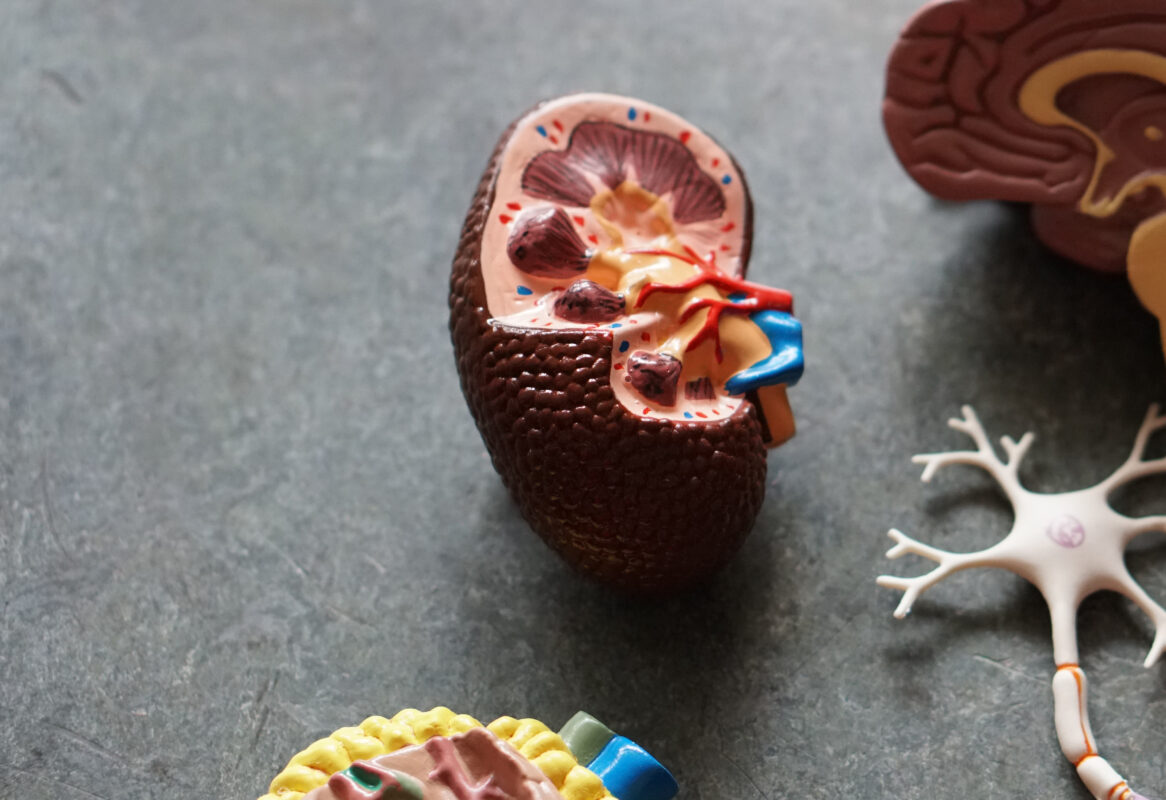
High blood pressure, or hypertension, is a common condition that affects millions of people worldwide. While hypertension can have a range of effects on the body, one of its most significant impacts is on the kidneys. The link between high blood pressure and kidney disease is well-established, with hypertension being one of the leading causes of kidney disease.

When blood pressure is consistently high, it can damage the small blood vessels in the kidneys, reducing their ability to filter waste products from the blood effectively. Over time, this damage can lead to a buildup of toxins and waste products in the body, causing a range of health problems. Additionally, high blood pressure can cause the kidneys to work harder, leading to their eventual failure.

One of the most concerning aspects of the link between high blood pressure and kidney disease is that hypertension often has no symptoms. Many people with high blood pressure are unaware of their condition, and it may go untreated for years. This is why regular blood pressure monitoring is essential, particularly for people who have a family history of hypertension or kidney disease.

In conclusion, high blood pressure and kidney disease are closely linked, with hypertension being one of the leading causes of kidney disease. Managing blood pressure is critical to maintaining healthy kidneys, and anyone with high blood pressure should work with their healthcare provider to develop a plan to manage the condition. By monitoring blood pressure regularly and making lifestyle changes as necessary, it is possible to reduce the risk of kidney disease and maintain overall health and wellbeing.

The different stages of wound healing and the factors that affect each stage.

Wound healing is a complex process that involves the interaction of various cells, tissues, and biochemical factors. Generally, wound healing can be divided into three stages: inflammation, proliferation, and remodeling.

The first stage, inflammation, begins immediately after injury and is characterized by the release of inflammatory cytokines and the recruitment of immune cells to the site of injury.

The second stage, proliferation, involves the formation of new tissue, including blood vessels and extracellular matrix components.

The third stage, remodeling, involves the maturation and strengthening of the new tissue.

Various factors can affect the different stages of wound healing, including age, nutrition, chronic diseases, and medications. Older adults may experience delayed wound healing due to a decline in the immune system’s function and reduced blood flow to the wound site. Adequate nutrition, particularly protein and vitamins, is essential for wound healing, as these nutrients play a vital role in collagen synthesis and immune function. Chronic diseases such as diabetes, autoimmune diseases, and obesity can interfere with wound healing by impairing the immune system’s function and causing poor blood flow to the wound site.

Medications such as non-steroidal anti-inflammatory drugs (NSAIDs) and corticosteroids can also interfere with wound healing by reducing inflammation, which is essential for the first stage of the healing process.

With our clinically proven moisturizer, TriDerma® MD Intense Fast Healing® Moisturizer, promotes faster healing of skin by restoring the natural moisture barrier and locking in hydration for long-lasting results.

In conclusion, wound healing is a complex process that involves the interaction of various cells, tissues, and biochemical factors. The three stages of wound healing, inflammation, proliferation, and remodeling, are affected by various factors such as age, nutrition, chronic diseases, and medications. Understanding these factors and how they affect wound healing can help healthcare professionals develop effective wound care and management strategies that promote faster and more complete wound healing.

Sunny days: stay safe and enjoy the sun

Sunny days are perfect for outdoor activities, picnics, and beach trips. However, exposure to the sun’s harmful UV rays can damage your skin, causing sunburn, premature aging, and even skin cancer. That’s why it’s important to stay safe and protect your skin while still enjoying the sun.

The best way to stay safe on sunny days is to use sunscreen. Sunscreen protects your skin by absorbing or reflecting the sun’s UV rays, reducing your risk of skin damage. It’s important to choose a sunscreen with a high SPF, at least 30 or above, and to apply it generously and frequently, especially if you’re spending extended periods of time outdoors.

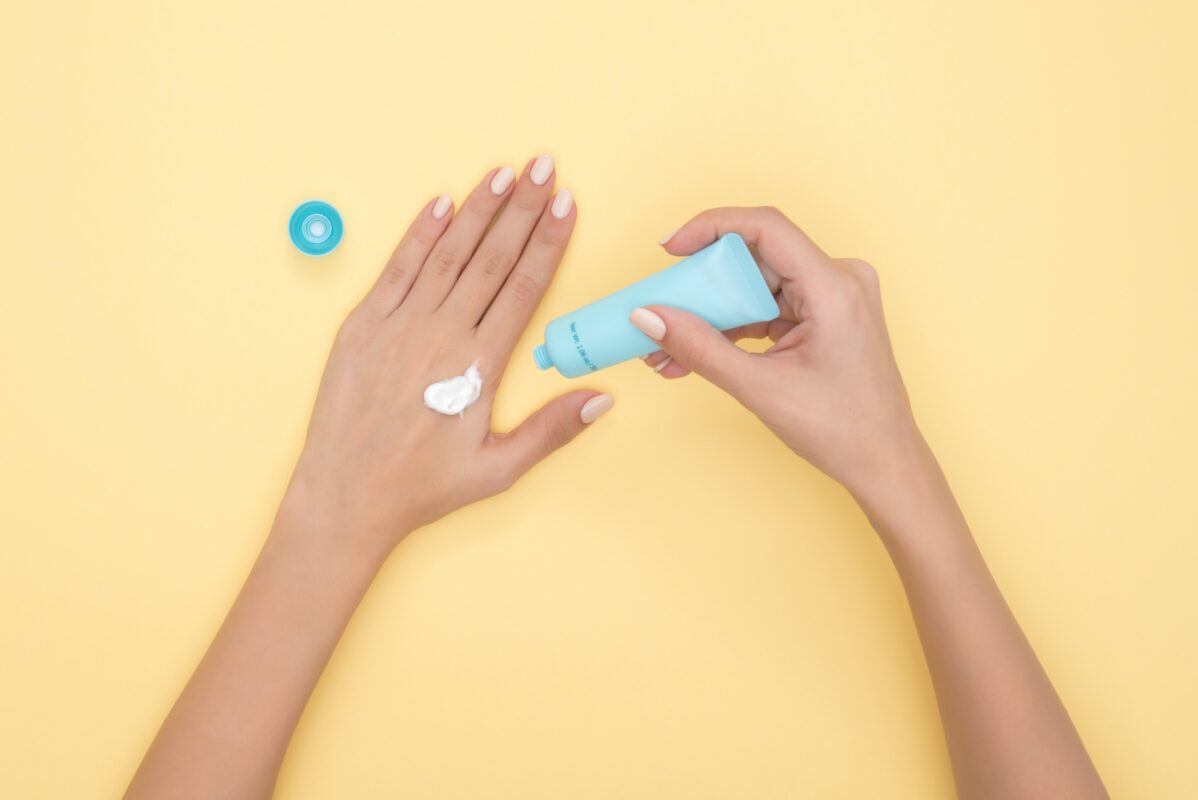
Protect your skin from the sun’s harmful rays with Neutrogena® Ultra Sheer Sunblock Tube, Enjoy the outdoors without worrying about sun damage.

Another way to protect your skin is by wearing protective clothing, such as a hat, sunglasses, and long-sleeved shirts. These items can help shield your skin from the sun’s rays and prevent sunburn and skin damage. Additionally, staying in the shade during the hottest part of the day, typically between 10 a.m. and 4 p.m., can also reduce your risk of sun damage.

While sunny days are a great opportunity to enjoy the outdoors, it’s important to stay safe and protect your skin. By using sunscreen, wearing protective clothing, and seeking shade during the hottest part of the day, you can reduce your risk of sunburn, premature aging, and skin cancer. So go ahead and enjoy the sun, but make sure to take the necessary precautions to protect your skin.

How cervical pillows can help alleviate headaches and migraines

Cervical pillows are designed to provide proper neck support and alignment, which can help alleviate headaches and migraines. These types of pillows are designed to maintain the natural curve of the spine, reducing stress on the neck and shoulders. By supporting the neck and head properly, cervical pillows can help to reduce tension headaches and migraines caused by muscle strain and poor posture.

One of the key ways in which cervical pillows help alleviate headaches and migraines is by reducing the pressure on the neck and shoulders. When we sleep on a traditional pillow, our neck can be pushed into an unnatural position, leading to muscle strain and tension headaches.

Cervical pillows are designed to support the natural curve of the spine, helping to reduce pressure and tension on the neck and shoulders. This can help to reduce the frequency and intensity of headaches and migraines.

Cervical pillows can also help to improve overall sleep quality, which is essential for reducing the frequency of headaches and migraines. By providing proper support and alignment, cervical pillows can help to reduce tossing and turning during the night, allowing for deeper, more restful sleep. This can help to reduce stress and tension throughout the body, leading to fewer headaches and migraines over time.

So, if you suffer from headaches or migraines, it may be worth trying our Comfor™ Cervical Pillow to see how it can help alleviate your symptoms and improve your quality of life.

Understanding calcium and its role in the body

Calcium is a crucial mineral that is essential for the proper functioning of the human body. It is the most abundant mineral in the body, with 99% of it stored in the bones and teeth. The remaining 1% of calcium circulates in the bloodstream, where it plays a critical role in various physiological processes. Calcium is responsible for muscle contraction, nerve transmission, blood clotting, and the regulation of enzymes and hormones.

One of the most important roles of calcium in the body is maintaining healthy bones and teeth. Calcium provides strength and structure to the bones, making them less prone to fractures and breaks. It also plays a crucial role in bone development, particularly during childhood and adolescence. Inadequate calcium intake during these crucial periods can result in stunted growth and weak bones that can lead to osteoporosis later in life.

Whether you’re young or old, our calcium supplement Citracal® Max Calcium / Vitamin D Joint Health Supplement are a smart choice for anyone looking to support their bone health.

Calcium deficiency can have several negative consequences for the body. These include weakened bones, muscle cramps, and an increased risk of osteoporosis, a condition that causes the bones to become brittle and fragile. It can also lead to numbness and tingling in the hands and feet, abnormal heart rhythms, and convulsions.

Therefore, it is essential to consume sufficient amounts of calcium through a balanced diet that includes calcium-rich foods such as milk, yogurt, cheese, and leafy green vegetables, or through supplements when necessary.

The power of sleep: how restful sleep improves overall health and wellness

Sleep is one of the most important aspects of our overall health and well-being. Restful sleep is essential for maintaining physical and mental health, and the benefits of good sleep are numerous. One of the most important benefits of restful sleep is the ability to boost our immune system.

Sleep helps our bodies produce cytokines, which are proteins that help fight off infections and inflammation. Without enough sleep, our bodies may not produce enough cytokines, making us more susceptible to illnesses and infections.

In addition to its impact on our immune system, sleep plays a crucial role in our cognitive function and memory retention. During sleep, our brains process and store information from the day, allowing us to form and retain memories. Lack of sleep can lead to difficulty with concentration, memory retention, and problem-solving skills. On the other hand, good sleep habits can help us perform better at work or school, and maintain a higher level of mental clarity throughout the day.

Finally, sleep has also been linked to a reduced risk of chronic diseases such as diabetes, heart disease, and obesity. Studies have shown that insufficient sleep can increase the risk of these diseases, as it can disrupt the hormones that control appetite and metabolism. By prioritizing restful sleep, we can reduce our risk of chronic diseases and improve our overall health and well-being.

In conclusion, restful sleep is a powerful tool for improving overall health and wellness. It helps boost our immune system, improves cognitive function and memory retention, and reduces the risk of chronic diseases. By prioritizing good sleep habits and creating a sleep-conducive environment, we can enjoy the many benefits that come with a good night’s rest.

Advances in cancer treatment: promising new therapies and emerging research

Cancer remains one of the most challenging diseases to treat, with high mortality rates and significant side effects from current treatments. However, there is hope on the horizon, as researchers continue to make breakthroughs in cancer treatment. One of the most promising new approaches is immunotherapy, which harnesses the power of the body’s immune system to fight cancer.

By using drugs that help the immune system recognize and attack cancer cells, immunotherapy has shown great promise in treating several types of cancer, including melanoma, lung cancer, and lymphoma.

Another promising approach is targeted therapy, which uses drugs that specifically target cancer cells without harming healthy cells. Targeted therapy works by blocking the signals that cancer cells need to grow and divide, or by triggering cell death in cancer cells. This approach is often used in combination with chemotherapy and radiation therapy to increase the effectiveness of treatment. Targeted therapies have shown great promise in treating several types of cancer, including breast cancer, colon cancer, and leukemia.

Finally, researchers are also exploring ways to use artificial intelligence and machine learning to improve cancer treatment. These techniques can be used to analyze large amounts of data from patient records, genomic sequencing, and other sources to identify patterns and develop personalized treatment plans. By using AI to analyze data, doctors can better understand the molecular makeup of a patient’s cancer and tailor treatment plans to their specific needs.

In conclusion, there is great promise in the future of cancer treatment. Immunotherapy, targeted therapy, gene therapy, and AI are all emerging approaches that are showing great potential in clinical trials. As research in these areas continues, we can expect to see even more breakthroughs in cancer treatment in the years to come. While there is still much work to be done, these advances give hope to patients and their families and offer a brighter future in the fight against cancer.


The many uses of baby oil: a parent’s guide

As a parent, you’re always looking for ways to keep your baby happy, healthy, and comfortable. One of the most versatile and useful products in your baby care arsenal is baby oil. From moisturizing your baby’s skin to helping with diaper rash and beyond, baby oil has a wide range of uses. In this article, we’ll explore some of the many ways you can use baby oil to make parenting easier and more enjoyable.

Moisturizing and Massaging Your Baby: One of the most common uses of baby oil is as a moisturizer for your baby’s skin. Baby oil is designed to be gentle and non-irritating, making it perfect for your little one’s delicate skin. Simply apply a small amount of baby oil to your baby’s skin after a bath or at any time during the day to keep his skin soft and supple.

Baby oil is also great for massaging your baby. Gently rub a small amount of baby oil onto your baby’s back, arms, legs, and feet to help soothe and relax them. Massaging your baby with baby oil can also help improve circulation and promote better sleep.

Treating Diaper Rash: Cradle cap is a common condition that affects many newborns, causing scaly, dry patches on the scalp. To remove the cradle cap, apply a small amount of baby oil to your baby’s scalp and gently massage it. Leave the oil on for a few minutes, then use a soft brush or comb to gently loosen the scales. Finally, wash your baby’s hair with a gentle shampoo to remove any remaining oil.

Cleaning Your Baby’s Ears: Another use for baby oil is to clean your baby’s ears. Simply put a few drops of baby oil on a cotton ball and gently wipe the inside of your baby’s ear. The oil will help remove any dirt or wax and moisturize the skin inside the ear.

Trust our gentle McKesson Baby Oil to provide your little one with the care they deserve.

As you can see, baby oil is a versatile and useful product that every parent should have on hand. Whether you’re moisturizing your baby’s skin, treating diaper rash, or cleaning their ears, baby oil can make your life easier and your baby more comfortable. Just remember to always use baby oil as directed and consult your pediatrician if you have any questions or concerns.