
loader

Month: March 2023

The science of sweat: how deodorants work to keep you fresh
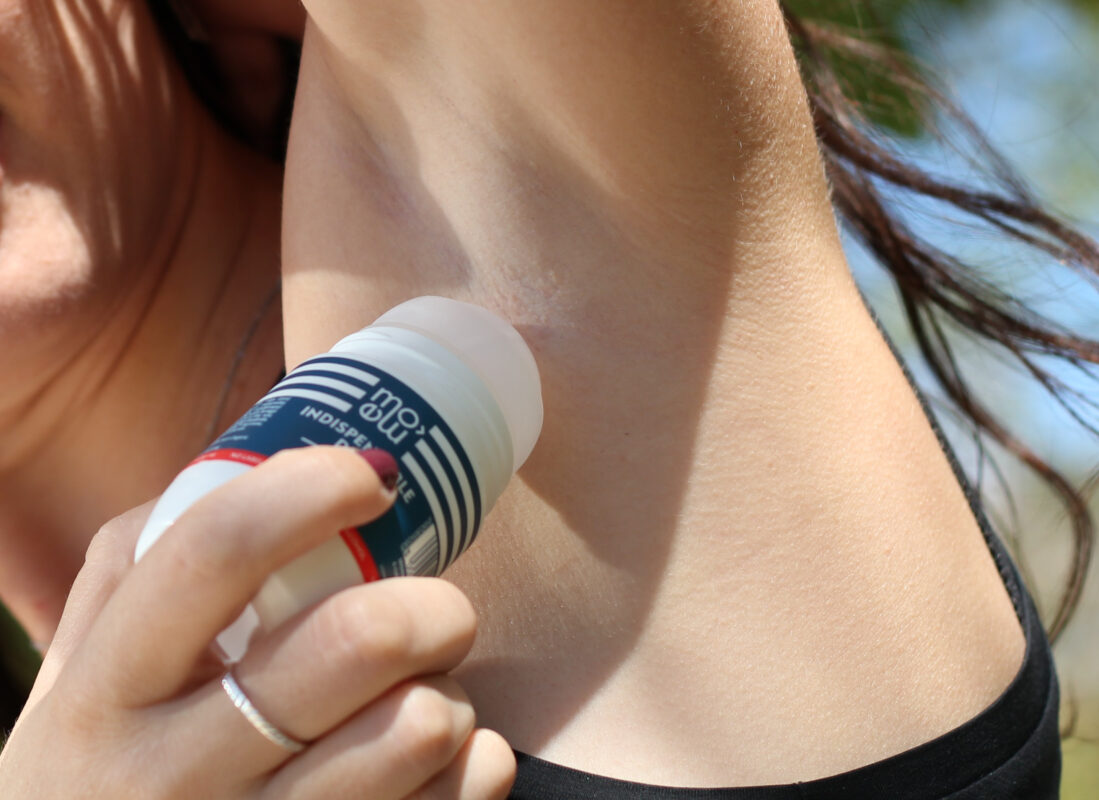
Sweating is a natural physiological process that helps regulate body temperature and flush out toxins. However, when sweat combines with bacteria on the skin, it can create an unpleasant odor. Deodorants work by neutralizing or reducing the activity of bacteria on the skin, thus preventing the odor from developing. Some deodorants also contain antiperspirants that reduce sweating by blocking the sweat ducts.

The active ingredients in deodorants that fight odor-causing bacteria are typically aluminum compounds, such as aluminum chlorohydrate or aluminum zirconium trichlorohydrex glycine. These compounds work by forming a gel-like plug in the sweat ducts, which reduces the amount of sweat that reaches the skin’s surface. The reduced sweat production, in turn, creates a less hospitable environment for bacteria to thrive, reducing the likelihood of odor development.

Antiperspirants work differently from deodorants. Instead of targeting bacteria, they work to reduce the amount of sweat that is produced in the first place. The most common active ingredient in antiperspirants is aluminum chloride, which works by forming a temporary plug in the sweat ducts, reducing the amount of sweat that can be released. Antiperspirants can be particularly useful for people who experience excessive sweating, a condition known as hyperhidrosis, which can be embarrassing and interfere with daily activities.

Stay fresh and confident all day with our clinically proven deodorants selections from here that effectively neutralize odor-causing bacteria and reduce sweat production.

Overall, deodorants and antiperspirants work in different ways to combat sweat and odor. By using one or the other, or a combination of both, individuals can stay fresh and confident throughout the day. It’s important to note that while deodorants and antiperspirants are generally safe to use, some people may experience skin irritation or other adverse effects. If you experience any discomfort or have concerns about using these products, it’s always best to speak with a healthcare professional.


Understanding the brain: a guide to the latest neuroscience research and discoveries.

The human brain is one of the most complex and fascinating organs in the human body. It controls everything from our thoughts and emotions to our movements and bodily functions. Despite decades of research, there is still a lot to learn about the brain and its workings. In recent years, neuroscience research has made significant strides in uncovering new insights into the brain and its functions.

One of the most significant discoveries in neuroscience is the concept of neuroplasticity. Neuroplasticity refers to the brain’s ability to change and adapt throughout our lives. This means that the brain can reorganize its neural connections in response to new experiences, learning, and even injury.

Neuroplasticity has far-reaching implications for the treatment of neurological conditions such as stroke, traumatic brain injury, and degenerative diseases like Alzheimer’s. Researchers are exploring ways to harness neuroplasticity to promote brain recovery and improve cognitive function.

Another area of exciting research in neuroscience is the study of the brain-gut connection. Recent research has uncovered the role of the gut microbiome, the collection of microorganisms that live in our digestive tracts, in regulating brain function. Studies have shown that imbalances in the gut microbiome can contribute to a range of neurological conditions, including anxiety, depression, and even Alzheimer’s disease. By better understanding the brain-gut connection, researchers hope to develop new treatments for these conditions.

Neuroscience research has also shed light on the role of sleep in brain function. Sleep is essential for the brain to repair and recharge itself. Studies have shown that during sleep, the brain consolidates memories and processes information.

Chronic sleep deprivation, on the other hand, can have serious consequences for cognitive function, including memory impairment and a decreased ability to concentrate. Researchers are studying the mechanisms of sleep and the role it plays in brain function, with the hope of developing new treatments for sleep disorders and improving cognitive performance.

In conclusion, neuroscience research has made significant strides in recent years, uncovering new insights into the workings of the brain and its impact on our overall health and well-being. From the concept of neuroplasticity to the brain-gut connection and the role of sleep in brain function, researchers are exploring new ways to promote brain health and treat neurological conditions. As our understanding of the brain continues to evolve, we can look forward to even more exciting discoveries in the years to come.

The power of vitamin C: how it boosts immunity and promotes overall health

Vitamin C is a powerful antioxidant that plays a vital role in maintaining our health. It is an essential nutrient that supports immune function, wound healing, and the production of collagen. Vitamin C is found in many fruits and vegetables, such as oranges, strawberries, broccoli, and bell peppers. However, many people may not be getting enough vitamin C from their diet, which can impact their overall health

One of the most significant benefits of vitamin C is its ability to boost the immune system. Vitamin C plays a critical role in the production of white blood cells, which are responsible for fighting infections and diseases. Studies have shown that taking vitamin C supplements can help to reduce the duration and severity of the common cold, as well as other respiratory infections. Vitamin C also helps to protect against oxidative stress, which can damage cells and contribute to chronic diseases such as heart disease, cancer, and Alzheimer’s.

Boost your immune system and stay healthy with our Vitamin C supplement Geri-Care® Ascorbic Acid Vitamin C.

In addition to supporting immune function, vitamin C also helps to promote overall health and well-being. It plays a crucial role in the production of collagen, a protein that helps to keep our skin, bones, and joints healthy. Vitamin C also helps to support healthy blood vessels and cardiovascular function.

Studies have shown that people who consume more vitamin C have a lower risk of heart disease and stroke. By incorporating a variety of fruits and vegetables into your diet, you can ensure that you are getting enough vitamin C to support your immune system and prevent the development of chronic diseases.

Choosing the right oral hygiene products for your dental needs

Good dental hygiene is crucial to maintaining healthy teeth and gums. Brushing alone is not enough to keep your teeth and gums healthy. Flossing, mouthwash, water flossers, and toothpaste are all essential tools in keeping your teeth and gums healthy. In this article, we will discuss the importance of each of these tools and how to use them properly.

Dental Floss: Flossing is an essential step in maintaining oral hygiene. Flossing removes food particles and plaque from between teeth that a toothbrush can’t reach. It also helps prevent gum disease and tooth decay. It is recommended to floss once a day, preferably before brushing your teeth at night. To floss, take an 18-inch piece of floss, wrap it around your fingers, and gently slide it between your teeth.

Keep your teeth and gums healthy by using our dental floss, Freshmint® Dental Floss designed to effectively remove plaque and debris from hard-to-reach areas.

Water Flosser: Water flossers are an alternative to traditional flossing. They use a stream of water to clean between teeth and along the gum line. Water flossers can be particularly useful for people with braces, implants, or other dental devices that make traditional flossing difficult. To use a water flosser, fill the reservoir with warm water, place the flosser tip in your mouth, and direct the stream of water between your teeth and along your gum line. 

Experience a deep and refreshing clean for your teeth and gums with our water flosser, Waterpik® Water Flosser Oral Irrigator ,using the power of water pressure to remove plaque and improve oral health.

Toothpaste: Toothpaste is an integral part of oral hygiene. It helps remove plaque and prevent tooth decay. Toothpaste typically contains fluoride, which helps to strengthen the enamel of the teeth. Brushing your teeth twice a day for two minutes with a toothpaste containing fluoride is recommended. It is important to spit the toothpaste out and rinse your mouth with water after brushing. 

Mouthwash: Mouthwash is an excellent tool for freshening breath and killing bacteria that can lead to gum disease and bad breath. It is particularly helpful for those who have trouble reaching certain areas of the mouth with a toothbrush or dental floss. 

Freshen your breath, kill germs, and improve oral hygiene with our mouthwash, Listerine® Cool Mint Antiseptic Mouthwash designed to leave your mouth feeling clean and healthy.

In conclusion, maintaining proper dental hygiene is essential for overall health and well-being. By incorporating dental floss, toothpaste, mouthwash, and water flossers into your oral care routine, you can ensure that your teeth and gums stay healthy and strong. Remember to brush twice a day, floss at least once a day, and visit your dentist regularly for checkups and cleanings.

Why regular teeth check-ups are important for maintaining dental health

they have a problem. However, preventive dental care is essential to avoid oral health problems, and early detection can often prevent serious dental issues from occurring. In this article, we will discuss why regular teeth check-ups are important for maintaining dental health. 

  • Early Detection of Dental Problems: Regular dental check-ups allow dentists to detect dental problems early on before they become serious. Dental problems such as cavities, gum disease, and oral cancer often do not cause any symptoms in their early stages. By the time symptoms appear, the disease has progressed, and treatment may be more complicated and expensive. However, if dental problems are detected early on, they can be treated more easily, which can save time, money, and discomfort.
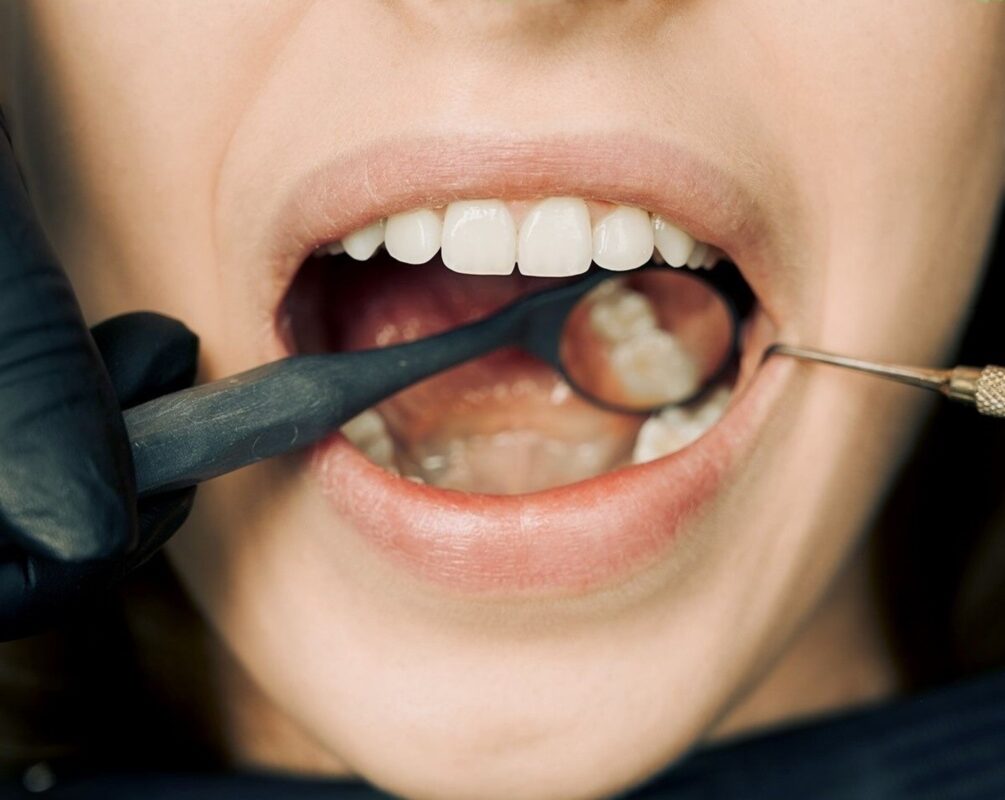
  • Preventive Care: Regular teeth check-ups are an opportunity for preventive care. During a dental check-up, the dentist will clean your teeth, remove plaque, and check for any signs of gum disease. The dentist can also provide advice on how to maintain good oral hygiene and offer recommendations on fluoride treatments, dental sealants, and other preventive measures that can help prevent dental problems.
  • Improved Oral Health: By visiting the dentist regularly, you can maintain good oral health. A dental check-up includes a cleaning that removes plaque and tartar buildup from your teeth, which can prevent tooth decay and gum disease. Regular check-ups can also help identify and treat any issues that may cause bad breath.
  • Detection of Oral Cancer: Oral cancer is a serious disease that can be life-threatening if not detected and treated early. During a dental check-up, the dentist will look for any signs of oral cancer, including unusual growths or sores in the mouth, neck, or head. Early detection of oral cancer can significantly improve the chances of successful treatment.
  • Prevention of Tooth Loss: Regular dental check-ups can help prevent tooth loss. Gum disease is a leading cause of tooth loss in adults, but early detection and treatment can prevent its progression. By visiting the dentist regularly, you can have any gum disease treated before it leads to tooth loss.

In conclusion, regular teeth check-ups are important for maintaining good dental health. They allow for early detection of dental problems, preventive care, improved oral health, detection of oral cancer, and prevention of tooth loss. By making dental check-ups a priority, you can avoid serious dental problems and maintain healthy teeth and gums for a lifetime. 

The art of healthy living: tips and tricks

Maintaining a healthy lifestyle can seem daunting, but it doesn’t have to be. With a few simple tips and tricks, you can make healthy living a part of your daily routine. Here are some suggestions to get you started:

  • Eat a balanced diet: eating a balanced diet is one of the most important things you can do for your health. This means including a variety of fruits, vegetables, whole grains, lean proteins, and healthy fats in your meals. Avoid processed foods, excess sugar, and unhealthy fats.

  • Stay hydrated: drinking plenty of water is essential for your health. Aim to drink at least eight glasses of water a day, and more if you’re active or live in a hot climate. You can also hydrate with other fluids like tea, coffee, and low-sugar fruit juices.

  • Getting enough sleep: sleep is crucial for your physical and mental health. Most adults need seven to eight hours of sleep each night, so make sure you’re getting enough rest. Create a relaxing bedtime routine, avoid caffeine and screens before bed, and keep your bedroom dark and quiet.

  • Move your body: regular exercise is essential for maintaining a healthy weight, reducing stress, and preventing chronic diseases. Find a type of exercise you enjoy, whether it’s jogging, yoga, or dancing, and aim to move your body for at least 30 minutes a day.

  • Manage stress: stress can take a toll on your physical and mental health, so it’s important to find ways to manage it. Practice relaxation techniques like deep breathing, meditation, or yoga. You can also try therapy or counseling to help you cope with stressors in your life.

  • Connect with others: social connections are important for your well-being. Make time to connect with family, friends, or other supportive people in your life. Join clubs, volunteer, or take a class to meet new people and build your social network.

  • Practice self-care: taking care of yourself is essential for maintaining a healthy lifestyle. Practice self-care activities like taking a relaxing bath, getting a massage, or spending time in nature. Make time for hobbies or activities that bring you joy and help you recharge.

    In conclusion, healthy living is all about making small, sustainable changes to your daily routine. By eating a balanced diet, staying hydrated, getting enough sleep, exercising, managing stress, connecting with others, and practicing self-care, you can create a healthy and fulfilling life. Start small and be patient with yourself, and you’ll see the benefits of a healthy lifestyle in no time. 


How to overcome cravings and make healthy choices

Cravings can be a challenge when trying to make healthy choices and achieve weight loss goals. Whether it’s a sudden urge for something sweet, salty, or fatty, cravings can derail even the most dedicated healthy eater. However, there are several strategies that can help you overcome cravings and make healthier choices:

  • Identify the root cause of your cravings: Are you hungry? Tired? Stressed? Bored? Identifying the underlying cause of your cravings can help you address the problem and make healthier choices.
  • Keep healthy snacks on hand: When cravings strike, having healthy snacks on hand can help you resist the temptation of unhealthy choices. Some good options include fruits, vegetables, nuts, and seeds. With our tasty Purées Maple Cinnamon French Toast Purée you can have have your healthy snack.
  • Stay hydrated: Drinking enough water can help you feel full and reduce cravings. Aim for at least 8-10 glasses of water per day.
  • Practice mindful eating: Paying attention to your food and eating slowly can help you savor the flavors and feel more satisfied, reducing the likelihood of cravings.
  • Get enough sleep: Lack of sleep can disrupt hormones that regulate hunger and appetite, leading to increased cravings. Aim for 7-9 hours of sleep per night.
  • Manage stress: Stress can trigger cravings for comfort foods. Finding healthy ways to manage stress, such as exercise, meditation, or yoga, can help reduce cravings.
  • Plan ahead: Planning meals and snacks in advance can help you make healthier choices and reduce the likelihood of giving in to cravings.

By implementing these strategies, you can overcome cravings and make healthier choices to achieve your weight loss goals. Remember, making healthy choices is not just about losing weight; it’s also about taking care of your overall health and well-being. With the right mindset and tools, you can overcome cravings and make healthy choices a part of your everyday life.

The role of vitamins in supporting immune health

The immune system is a complex network of cells, tissues, and organs that work together to defend the body against harmful invaders like viruses and bacteria. A healthy immune system is essential for overall well-being, and vitamins play a critical role in supporting immune health. Vitamins act as essential nutrients for the immune system, helping to regulate its function and promote its ability to fight off infections and disease.

One of the most well-known vitamins for immune health is vitamin C. Vitamin C is a potent antioxidant that helps to protect the immune system from oxidative stress and damage. It also plays a critical role in the production of white blood cells, which are essential for fighting off infections. Foods that are high in vitamin C include citrus fruits, strawberries, kiwi, broccoli, and red peppers.

Vitamin D is another important nutrient for immune health. Vitamin D helps to regulate the immune system’s response to infections and is essential for the production of antimicrobial peptides that can fight off harmful pathogens. Vitamin D is also essential for bone health and has been linked to a reduced risk of chronic diseases like cancer and heart disease.
Foods that are high in vitamin D include fatty fish like salmon and tuna, egg yolks, and fortified dairy products. Additionally, vitamin D can be obtained through sun exposure, although it’s essential to take precautions to avoid overexposure to UV rays.

In conclusion, vitamins play a crucial role in supporting our immune system and maintaining overall health. Vitamin C, vitamin D, and zinc are particularly important for immune function, and can be obtained through a balanced diet or supplements. While it’s important to ensure adequate vitamin intake, it’s also important to note that supplements are not a substitute for a healthy diet and lifestyle. Maintaining a balanced and varied diet, getting enough sleep and exercise, and reducing stress are all essential components of a healthy immune system.

Overall, taking care of our bodies by providing them with the necessary vitamins and nutrients is key to supporting a strong and effective immune system.

Personal care products for mental health and well-being

Personal care products are often associated with hygiene and beauty, but their benefits go beyond just physical appearance. The use of personal care products can also have positive effects on mental health and well-being. In this article, we will explore the ways in which personal care products can help improve mental health and well-being.

First and foremost, personal care products can help promote self-care and self-love. Taking time to pamper yourself with a nice bubble bath, a face mask, or a massage can help you relax and reduce stress. Self-care practices can help boost self-esteem and self-confidence, leading to a better overall outlook on life.

In addition, personal care products can help to improve overall physical health, which in turn can have a positive impact on mental health. For example, taking care of your skin by using moisturizers and sunscreen can help prevent skin damage and promote healthy skin, which can boost confidence and self-esteem. Similarly, using hair care products like shampoo and conditioners can improve scalp health and hair appearance, leading to a better sense of self.

Elevate your daily routine with our luxurious personal care products, featuring natural ingredients and aromatherapy blends to help you relax and recharge with our Coloplast Critic-Aid® Clear Skin Protectant and McKesson Thera® Calazinc Body Shield.

Lastly, the act of using personal care products can be a form of mindfulness practice. Focusing on the sensation of the products on the skin or the scent of the product can help you stay present in the moment and reduce racing thoughts. This can be especially helpful for those struggling with anxiety or depression. Incorporating personal care products into your routine can be a small but impactful step towards better mental health.

Online medical stores: convenient and reliable sources for health needs

Online medical stores have revolutionized the healthcare industry by providing people with a convenient and reliable source of healthcare products. With just a few clicks, people can purchase prescription medications, over-the-counter drugs, supplements, and other healthcare products from the comfort of their homes. This convenience is especially beneficial for individuals who have mobility issues or live in remote areas, making it challenging to access traditional pharmacies.

In addition to convenience, online medical stores offer a wider range of products than traditional pharmacies. They have an extensive selection of products, including specialized items that are often challenging to find in traditional pharmacies. Customers can easily compare prices, brands, and products, allowing them to make informed decisions about their healthcare needs. Moreover, online medical stores often offer competitive pricing, making healthcare products more affordable and accessible to people.

Furthermore, online medical stores have licensed pharmacists who can answer customer queries, provide information about drug interactions, and offer advice on medication use. This level of service is especially helpful for people who cannot access their doctors or pharmacists easily. Online medical stores ensure that their pharmacists are licensed and trained to provide customers with accurate information and advice. By consulting with a licensed pharmacist, customers can ensure that they are using medications safely and effectively.

Shop from the comfort of your home with our online medical store, offering a vast selection of healthcare products at competitive prices from www.theonlinemedicalstore.com

In conclusion, online medical stores are a convenient and reliable source of healthcare products. They offer a wide range of products, competitive pricing, and licensed pharmacists who can offer advice and answer customer queries.
However, it is crucial to choose a reputable online medical store to ensure the safety and efficacy of the products purchased. By choosing a reputable online medical store and consulting with a healthcare professional, people can access safe and effective medications and health products with ease.