
loader

Month: May 2023

The miraculous heart: pumping life into every beat
The human heart, a remarkable organ responsible for pumping blood throughout our bodies, serves as a symbol of life, love, and vitality. It tirelessly beats, day and night, sustaining our existence and enabling us to engage in the activities that define our lives. The intricacies and wonders of the human heart are truly awe-inspiring, deserving of our admiration and understanding. In this article, we delve into the miraculous nature of the heart, exploring its structure, function, and the vital role it plays in sustaining human life.

  • The structure of the heart:

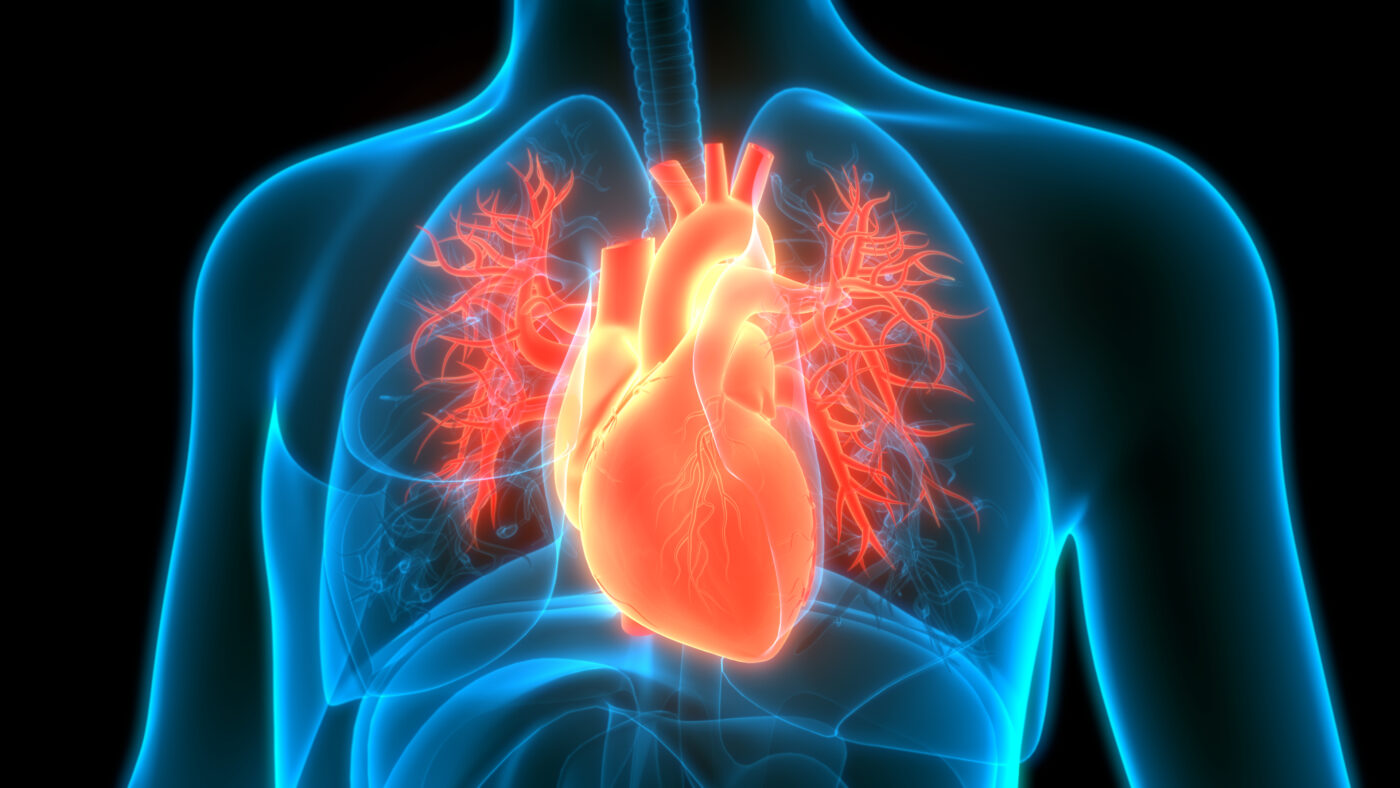
The human heart is a muscular organ situated in the chest cavity, slightly tilted towards the left. Roughly the size of a clenched fist, it consists of four chambers: two atria and two ventricles. The right atrium and right ventricle receive and pump deoxygenated blood from various parts of the body to the lungs, while the left atrium and left ventricle receive and distribute oxygen-rich blood from the lungs to the rest of the body.

The heart is encased in a protective sac called the pericardium and composed of three distinct layers: the epicardium, myocardium, and endocardium. The epicardium forms the outer layer, the myocardium is the middle layer responsible for the heart’s muscular contractions, and the endocardium lines the inner chambers and valves.

  • Function of the heart:

The heart’s primary function is to circulate oxygenated blood to all cells, tissues, and organs in the body. This intricate process involves a sequence of rhythmic contractions known as the cardiac cycle. The cardiac cycle is divided into two phases: diastole and systole.

During diastole, the heart’s chambers relax and fill with blood. The atria receive blood from the veins, while the ventricles fill up from the atria. The atrioventricular (AV) valves prevent backflow of blood into the atria when the ventricles contract. This phase allows for efficient blood supply and nourishment of the heart.

The systole phase is marked by the contraction of the heart muscles, forcing blood out of the ventricles into the arteries. The semilunar valves prevent backflow into the ventricles during this phase. The left ventricle, being more muscular, generates greater force to propel oxygenated blood to the entire body, while the right ventricle pumps deoxygenated blood to the lungs for oxygenation.

The heart’s electrical system, coordinated by the sinoatrial (SA) node, ensures the precise timing of each heartbeat, maintaining a steady rhythm and allowing the heart to pump blood efficiently. This electrical impulse travels through the atrioventricular (AV) node and the bundle of His, stimulating the ventricles to contract and propel blood onward.

  • The miraculous power of the heart:

Apart from its mechanical function of pumping blood, the heart holds immense emotional significance. It is often associated with love, compassion, and human connection. The metaphorical expressions such as “follow your heart” and “heartfelt emotions” reflect its deep-rooted symbolism in our lives.

Furthermore, recent research has revealed that the heart possesses its own complex nervous system, often referred to as the “heart-brain.” This intricate network of neurons allows the heart to communicate with the brain and influence our emotions, perceptions, and decision-making processes. The heart’s intelligence extends beyond a mere pump, suggesting a profound interconnection between our physical and emotional well-being.

  • Caring for the miraculous heart:

To maintain a healthy heart, it is crucial to adopt lifestyle choices that promote cardiovascular well-being. Regular exercise, a balanced diet rich in fruits, vegetables, and whole grains, avoiding smoking, managing stress levels, and maintaining a healthy weight are all essential for heart health.

Additionally, routine medical check-ups, monitoring blood pressure, cholesterol levels, and managing chronic conditions such as diabetes and hypertension are vital for early detection and prevention of heart-related diseases.

The human heart, a marvel of nature, is a testament to the intricacy and brilliance of our biological design. Its ceaseless rhythm sustains our existence, ensuring the delivery of oxygen and nutrients to every part of our body. Beyond its physical prowess, the heart symbolizes love, empathy, and the essence of being human. By understanding and caring for this miraculous organ, we can enhance our well-being and embrace the wonders of life that every beat represents.
The mighty muscles: strength and motion in action

The human body is a remarkable and intricate machine, composed of various systems working together to enable us to perform a wide range of physical activities. At the core of our ability to move and exert force lies the incredible power of our muscles. Muscles are not only responsible for enabling motion but also play a vital role in maintaining balance, stability, and overall strength. In this article, we will delve into the fascinating world of muscles and explore their essential functions in the human body.

Understanding muscles:

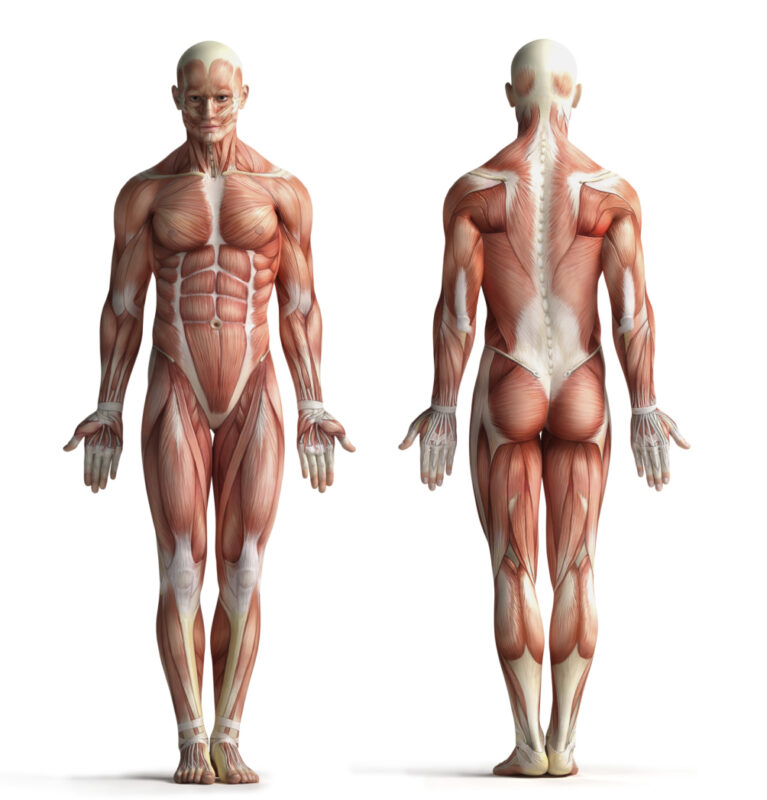
Muscles are soft tissues in our bodies that are primarily responsible for generating force through contraction. There are three main types of muscles: skeletal, cardiac, and smooth muscles. Skeletal muscles, attached to our bones by tendons, are the muscles we typically associate with movement and physical strength.

Strength and motion:

Muscles are integral to both strength and motion. When we think of strength, we often envision athletes lifting heavy weights or performing impressive physical feats. Such displays of strength are a testament to the capabilities of the muscles involved. Skeletal muscles contract and generate force, allowing us to perform actions like running, jumping, and lifting. The more we use our muscles and subject them to resistance training, the stronger they become.

Muscle contractions occur through the interaction of two proteins called actin and myosin. When a muscle receives a signal from the nervous system, it initiates a series of chemical reactions leading to the sliding of actin and myosin filaments within the muscle fibers. This sliding action shortens the muscle, generating force and producing motion.

Muscles and motion:

Motion is a fundamental aspect of our daily lives, and without muscles, it would be impossible to perform even the simplest of tasks. From walking and talking to writing and eating, every movement we make involves the coordinated effort of multiple muscles.

Muscles work in pairs or groups to achieve precise movements. For example, when we bend our arm at the elbow, the biceps muscle contracts, while the triceps muscle relaxes. This coordinated action allows the arm to move in a controlled manner. Muscles also stabilize our joints, preventing excessive movement and maintaining posture and balance.

Moreover, muscles are adaptable and can be trained to enhance specific types of motion. Athletes and fitness enthusiasts engage in various exercises targeting different muscle groups to optimize performance. Endurance athletes focus on developing slow-twitch muscles for prolonged activity, while powerlifters train their fast-twitch muscles for explosive strength.

Beyond strength: other functions of muscles:

While the ability to generate force is a primary function of muscles, they also serve other important purposes in the body. For instance, skeletal muscles contribute to maintaining body temperature by generating heat during contraction. The more intense the physical activity, the more heat is produced, aiding in regulating body temperature.

Muscles also play a crucial role in the circulatory system. The rhythmic contractions of the cardiac muscles pump blood throughout the body, ensuring the delivery of oxygen and nutrients to various organs and tissues.

The intricate interplay of muscles and their ability to generate force and facilitate motion is nothing short of extraordinary. From the raw power of skeletal muscles to the rhythmic contractions of the heart, muscles are essential for every physical task we undertake. Understanding the mechanics of muscle function can help us appreciate the remarkable capabilities of our bodies and inspire us to maintain and improve our strength and motion. So, let’s celebrate the mighty muscles that empower us to conquer challenges and embrace an active and vibrant life.

The guardians of balance: the inner ear and vestibular system

The human body is an intricate network of systems working in harmony to maintain our well-being and enable us to interact with the world around us. One of the most remarkable and often overlooked systems is the inner ear and its crucial role in maintaining balance. The inner ear houses the vestibular system, a complex arrangement of structures that serve as the guardians of our equilibrium.

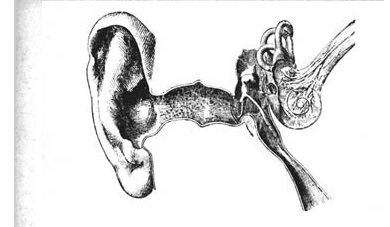
Located deep within the temporal bone on each side of the head, the inner ear consists of two main components: the cochlea, responsible for hearing, and the vestibular system, responsible for balance and spatial orientation. While the cochlea receives much attention for its role in our ability to perceive sound, the vestibular system is equally remarkable in its function.

The vestibular system comprises three semicircular canals and two otolithic organs—the utricle and saccule. These structures work in tandem to detect and transmit information about the head’s movements and position to the brain, ensuring our sense of balance remains finely tuned.

The semicircular canals are responsible for detecting rotational movements of the head. Each canal is positioned in a different plane—horizontal, anterior-posterior, and vertical—to cover all possible directions of movement. These canals are filled with fluid and lined with tiny hair-like structures called cilia, which are connected to sensory cells. When the head rotates, the fluid within the canals also moves, causing the cilia to bend and stimulate the sensory cells. This mechanical stimulation triggers electrical signals that are transmitted to the brain, enabling it to interpret the direction and speed of the head’s movement.

In addition to the semicircular canals, the otolithic organs—the utricle and saccule—play a critical role in detecting linear acceleration and changes in head position. They contain small calcium carbonate crystals called otoliths, which are embedded in a gelatinous layer covered by hair cells. When the head moves linearly or is positioned differently, the otoliths exert pressure on the gelatinous layer, bending the hair cells and initiating the transmission of signals to the brain. These signals provide vital information about gravity, head tilting, and linear acceleration, allowing us to maintain our balance and spatial orientation.

The brain receives and processes the signals from the vestibular system, integrating them with information from the visual system and other sensory inputs to generate a coherent perception of our body’s position and motion. This intricate process occurs instantaneously and unconsciously, enabling us to navigate the world smoothly and effortlessly.

However, when the inner ear’s delicate balance mechanisms are disrupted, it can lead to vestibular disorders, causing symptoms such as dizziness, vertigo, imbalance, and spatial disorientation. Conditions like Ménière’s disease, benign paroxysmal positional vertigo (BPPV), and vestibular neuritis can significantly impact an individual’s quality of life, making simple tasks like walking or driving challenging and disorienting.

Fortunately, medical science has made significant strides in diagnosing and treating vestibular disorders. Advanced diagnostic tools, such as videonystagmography (VNG) and vestibular evoked myogenic potentials (VEMP), help clinicians identify the underlying causes of balance problems accurately. Treatment options range from vestibular rehabilitation therapy (VRT), which utilizes specific exercises to retrain the brain and improve balance, to surgical interventions in severe cases.

The inner ear and the vestibular system, often referred to as the body’s balance organs, are true marvels of human anatomy and physiology. Their intricate design and seamless integration with other sensory systems enable us to maintain equilibrium, adapt to various environments, and enjoy a stable and steady perception of the world. As we continue to explore and understand the complexities of these delicate structures, we unlock new possibilities for diagnosing, treating, and enhancing our sense of balance—an invaluable gift that we should never take for granted.

The powerhouse of energy: unraveling the secrets of the mitochondria

Within the intricate world of biology, the mitochondria stand as an awe-inspiring example of nature’s ingenuity. These tiny organelles, often referred to as the “powerhouses of the cell,” play a vital role in generating energy for our bodies. While their significance has long been recognized, recent scientific breakthroughs have shed new light on the secrets of the mitochondria, revealing their intricate mechanisms and their impact on human health. In this article, we delve into the fascinating world of mitochondria, exploring their structure, functions, and their implications for overall well-being.

  • Structure and function:

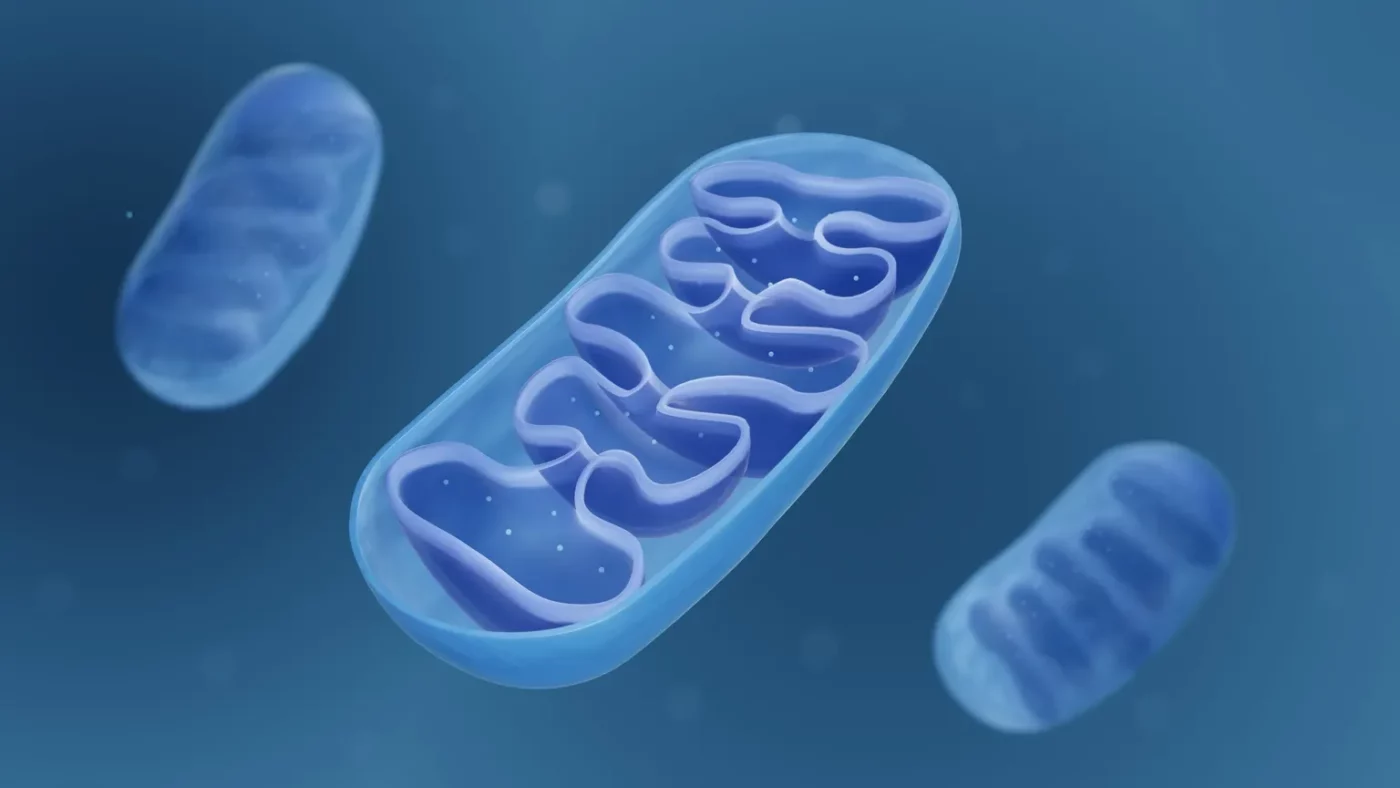
Mitochondria are double-membraned structures found in most eukaryotic cells. Though they vary in shape, ranging from spherical to elongated, their primary function remains consistent across organisms. The outer membrane acts as a protective barrier, while the inner membrane, with its folds called cristae, plays a critical role in energy production.

The most vital function of mitochondria is to generate adenosine triphosphate (ATP), the molecule responsible for storing and transferring energy within cells. This process, known as cellular respiration, occurs within the inner membrane of the mitochondria. Through a series of complex biochemical reactions, nutrients such as glucose and fatty acids are broken down, producing ATP in a process called oxidative phosphorylation. The mitochondria also regulate cellular metabolism, calcium signaling, and programmed cell death, further emphasizing their significance.

  • The mitochondrial DNA connection:

Interestingly, mitochondria possess their own genetic material known as mitochondrial DNA (mtDNA). Unlike nuclear DNA, which is inherited from both parents, mtDNA is solely passed down from the mother. This unique genetic characteristic has proven invaluable in tracing human ancestry and understanding migration patterns throughout history.

Furthermore, mitochondrial DNA plays a crucial role in the functioning of mitochondria. Mutations in mtDNA can impair the efficiency of energy production, leading to various mitochondrial diseases. These disorders can affect any organ or system in the body, resulting in symptoms such as muscle weakness, neurological impairments, and organ dysfunction. Understanding the relationship between mtDNA and mitochondrial diseases has opened up avenues for research and potential therapeutic interventions.

  • Mitochondria and human health:

Beyond their fundamental role in energy production, mitochondria are increasingly recognized as key players in human health and disease. Emerging research suggests that mitochondrial dysfunction may contribute to the development of several age-related disorders, including neurodegenerative diseases, cardiovascular diseases, and even cancer.

Neurodegenerative disorders, such as Alzheimer’s and Parkinson’s disease, are characterized by the progressive loss of neurons in the brain. Studies have shown that mitochondrial dysfunction, resulting in energy deficits and increased oxidative stress, contributes to the onset and progression of these conditions. By better understanding the mechanisms underlying mitochondrial dysfunction, researchers hope to develop targeted therapies to mitigate these diseases’ impact on individuals and society.

Similarly, cardiovascular diseases, including heart failure and ischemic heart disease, have been linked to mitochondrial dysfunction. Impaired energy production and oxidative stress within cardiac cells can lead to reduced contractile function and increased susceptibility to damage. Therapeutic approaches targeting mitochondrial health hold promise in preventing and treating these life-threatening conditions.

Mitochondria are also intimately connected to the complex world of cancer biology. Abnormalities in mitochondrial function can promote tumor growth and resistance to chemotherapy, making mitochondria an attractive target for novel cancer treatments. Researchers are actively investigating the potential of manipulating mitochondrial metabolism to improve the efficacy of cancer therapies.

The mitochondria, with their intricate structure and indispensable functions, remain a subject of scientific fascination and exploration. Their role in energy production, cellular metabolism, and their implications for human health and disease continue to captivate researchers worldwide. Unraveling the secrets of the mitochondria holds the promise of not only deepening our understanding of fundamental biology but also providing new avenues for therapeutic interventions in a wide range of diseases. As we continue to delve into this microscopic powerhouse, it is clear that the mitochondria are truly the unsung heroes driving the energy needs of our cells and shaping the destiny of our well-being.

The mirror of health: decoding the clues on our skin

Our skin, the largest organ of the human body, serves as a remarkable mirror that reflects our overall health and well-being. Beyond its aesthetic appeal, the skin provides vital clues about our internal state, acting as a barometer of our physical, emotional, and even psychological health. Let’s delve into the fascinating world of dermatology and uncover the secrets encoded in our skin.

  • The Skin’s Layers: A Complex Tapestry The skin is composed of three primary layers: the epidermis, dermis, and subcutaneous tissue. The outermost layer, the epidermis, acts as a protective barrier, shielding us from external factors such as pathogens, UV radiation, and chemicals. Beneath it lies the dermis, which contains blood vessels, hair follicles, sweat glands, and nerve endings. The subcutaneous tissue provides insulation and houses fat cells.
  • Skin and Overall Health: A Symbiotic Relationship The health of our skin is closely intertwined with our overall well-being. When we are in good health, our skin reflects it by appearing smooth, radiant, and free of blemishes. However, various factors can impact the skin’s appearance and serve as indicators of underlying health issues. For example, chronic conditions like diabetes or hormonal imbalances may manifest as changes in skin texture, color, or moisture levels.

Skin Conditions as Telltale Signs Numerous skin conditions can serve as markers for internal health problems. Acne, a common skin condition, may be linked to hormonal imbalances or digestive issues. Eczema, characterized by itchy and inflamed skin, can be associated with allergies or immune system dysfunction. Psoriasis, a chronic autoimmune disease, manifests as red, scaly patches and may be connected to systemic inflammation. Identifying and treating these skin conditions can often lead to improved overall health.

Skin and Emotional Well-being Our skin is not only a reflection of our physical health but can also reveal emotional and psychological states. Stress, anxiety, and depression can trigger skin conditions such as acne, hives, or eczema. Conversely, conditions like psoriasis or vitiligo, which affect the skin’s pigmentation, can cause emotional distress and impact self-esteem. Recognizing the interplay between our emotions and skin health can help us prioritize self-care and seek appropriate support when needed.

The Importance of Dermatological Screening Regular dermatological screenings play a vital role in maintaining skin health and detecting early signs of potential health issues. Dermatologists are trained to recognize subtle changes in the skin and can identify suspicious moles or lesions that may indicate skin cancer. Additionally, they can assess overall skin condition, provide personalized skincare advice, and address concerns related to specific skin conditions.

Caring for Our Skin, Nurturing Our Health Maintaining healthy skin is not only about aesthetics; it is a holistic endeavor that encompasses various aspects of our lives. Adopting a balanced lifestyle that includes a nutritious diet, regular exercise, stress management, and adequate sleep can positively impact our skin’s appearance and overall well-being. Furthermore, protecting our skin from harmful UV radiation, maintaining proper hygiene, and using appropriate skincare products tailored to our skin type can promote skin health.

Our skin serves as a remarkable mirror, reflecting the state of our overall health and well-being. Understanding the intricate relationship between our skin and internal health allows us to decode the clues it presents, enabling us to address potential issues and prioritize self-care. By nurturing and caring for our skin, we not only enhance our physical appearance but also support our body’s holistic health. Let us embrace the mirror of health and embark on a journey to optimal skin well-being.

The lifeline: exploring the intricate network of blood vessels

The human body is a marvel of complexity, with numerous intricate systems working in harmony to sustain life. Among these systems, the network of blood vessels serves as a lifeline, transporting essential nutrients, oxygen, and hormones to every cell and removing waste products. Let us embark on a journey to explore the fascinating world of blood vessels and their crucial role in maintaining our well-being.

  • Arteries: Delivering Life’s Essence Arteries are thick-walled blood vessels responsible for carrying oxygenated blood away from the heart and distributing it to various organs and tissues throughout the body. Their robust structure allows them to withstand the pressure generated by the heart’s forceful contractions. Arteries branch out into smaller vessels known as arterioles, which regulate blood flow and control the distribution of nutrients and oxygen to specific regions.
  • Veins: The Pathway of Return Veins, on the other hand, play a vital role in returning deoxygenated blood back to the heart. They form a vast network that collects blood from tissues and organs and gradually merges into larger vessels. Unlike arteries, veins have thinner walls and rely on valves to prevent blood from flowing backward. Skeletal muscles and respiratory movements assist venous return by compressing the veins and aiding the movement of blood towards the heart.
  • Capillaries: The Microscopic Nexus At the heart of the circulatory system lies the capillary network, an intricate web of microscopic vessels connecting arteries and veins. Capillaries are extremely thin-walled, allowing for the exchange of gases, nutrients, and waste products between the blood and surrounding tissues. This exchange process, known as capillary exchange, sustains the vitality of cells and ensures the removal of metabolic waste.
  • The Circle of Life: Pulmonary and Systemic Circulation Blood vessels facilitate two vital circulatory pathways: pulmonary circulation and systemic circulation. Pulmonary circulation carries deoxygenated blood from the heart to the lungs, where it receives a fresh supply of oxygen and releases carbon dioxide. The oxygenated blood then returns to the heart, ready for systemic circulation, which pumps it to the entire body through the arteries. Systemic circulation delivers oxygen and nutrients to organs, tissues, and cells while collecting waste products for elimination.
  • Regulation and Adaptation: Vascular System Dynamics The intricate network of blood vessels possesses remarkable adaptive and regulatory mechanisms to accommodate the body’s changing needs. Vasoconstriction and vasodilation, controlled by smooth muscle cells in the vessel walls, adjust the diameter of blood vessels to regulate blood flow and maintain blood pressure. Additionally, the body can reroute blood flow through collateral vessels when a primary vessel becomes compromised, ensuring uninterrupted supply to vital tissues.
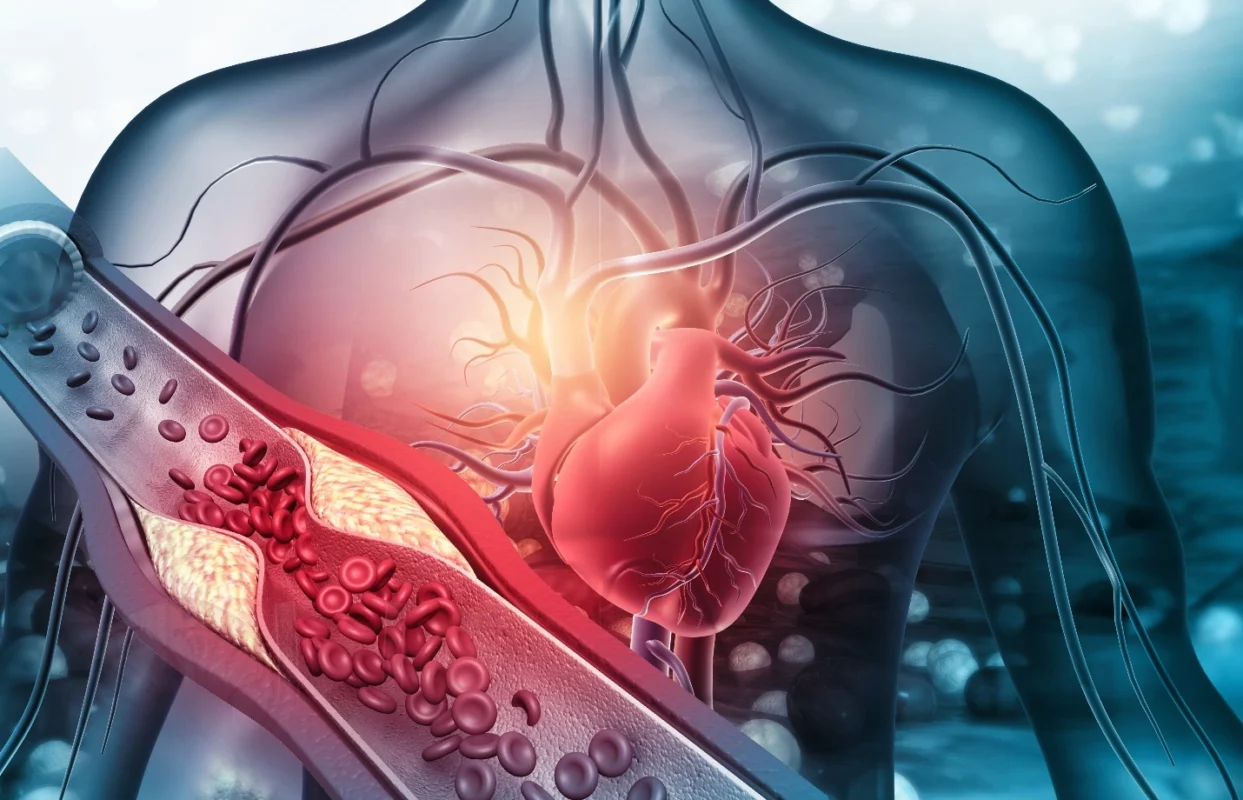
  • Diseases and Disorders: Affecting the Vascular Network When the delicate balance of the vascular system is disrupted, various diseases and disorders can arise. Atherosclerosis, for instance, is characterized by the buildup of fatty plaques in arterial walls, leading to reduced blood flow and potentially causing heart attacks or strokes. Hypertension, or high blood pressure, can strain blood vessels and contribute to cardiovascular complications. Disorders like deep vein thrombosis and varicose veins also impact the normal functioning of the circulatory system.

The intricate network of blood vessels is truly a marvel of human anatomy, ensuring the smooth delivery of essential nutrients and oxygen while facilitating the removal of waste products. From the robust arteries to the delicate capillaries and the efficient venous return, each vessel type plays a crucial role in maintaining the body’s homeostasis. Understanding and appreciating this intricate lifeline can inspire us to care for our cardiovascular health, leading to a better quality of life and a deeper appreciation for the wonders of the human

The silent guardians: unraveling the enigma of the immune cells

The human body is an intricate marvel, intricately designed to protect itself from harm and maintain overall health. At the forefront of this defense system are the immune cells, the silent guardians working tirelessly to safeguard our bodies from a myriad of threats. These remarkable cells play a pivotal role in preserving our well-being, yet their complexities often go unnoticed. In this article, we will delve into the enigmatic world of immune cells, exploring their types, functions, and the remarkable mechanisms they employ to keep us healthy.

  1. The Immune System: An Overview: The immune system serves as the body’s defense mechanism against harmful invaders, such as bacteria, viruses, and toxins. It is a complex network comprising various organs, tissues, and cells, all working in unison to identify and eliminate potential threats. While the immune system as a whole is remarkable, the spotlight falls on the diverse array of immune cells responsible for executing the immune response.
  2. Types of Immune Cells: Immune cells can be broadly categorized into two main types: innate immune cells and adaptive immune cells.

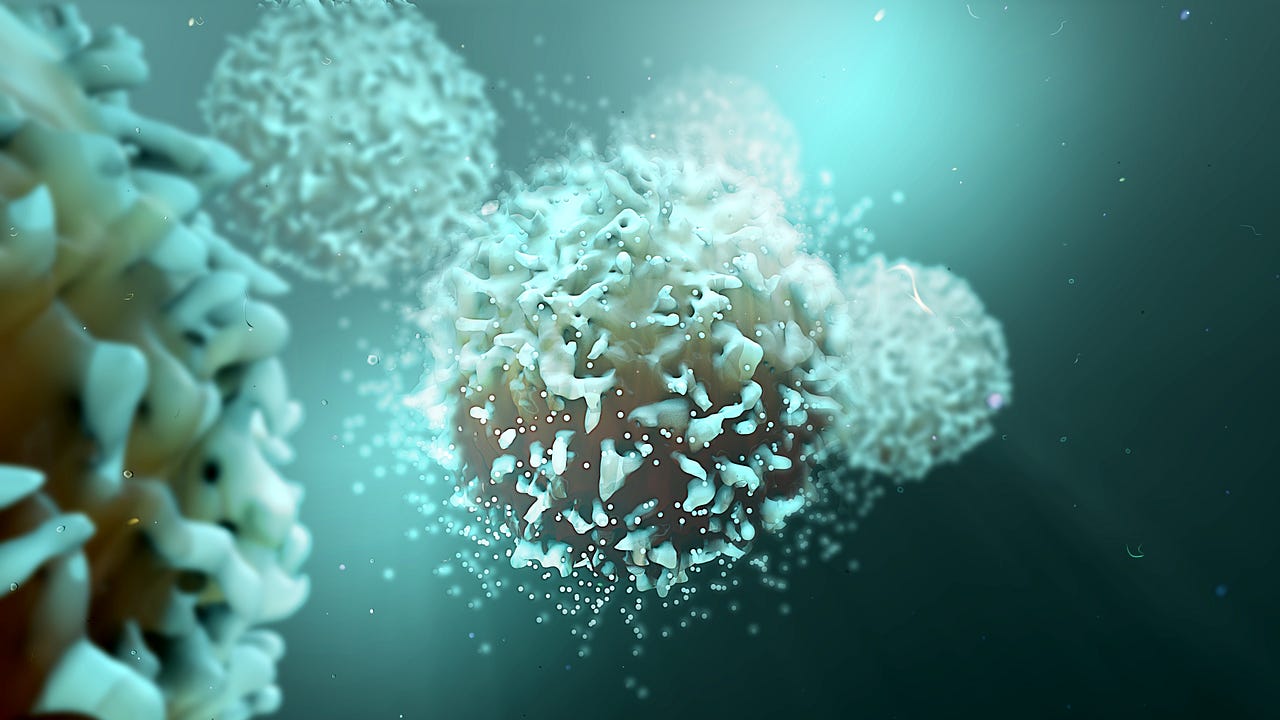
2.1 Innate Immune Cells: Innate immune cells are the first line of defense and act rapidly to neutralize invaders. They include natural killer cells, neutrophils, macrophages, dendritic cells, and mast cells. These cells possess innate or natural recognition abilities, allowing them to identify specific patterns associated with pathogens.

2.2 Adaptive Immune Cells: Adaptive immune cells, also known as lymphocytes, include T cells and B cells. Unlike innate immune cells, adaptive immune cells respond to specific antigens. They are highly specialized and possess the ability to recognize and remember specific pathogens, providing long-term immunity.

  1. Immune Cell Functions: The functions of immune cells are incredibly diverse, but they all aim to protect the body from harm. Here are some key functions of immune cells:

3.1 Recognition and Identification: Immune cells possess receptors that recognize specific molecular patterns present on pathogens. This enables them to distinguish between self and non-self, identifying potentially harmful entities.

3.2 Phagocytosis: Phagocytes, such as macrophages and neutrophils, engulf and digest foreign substances, including pathogens. This process, called phagocytosis, helps eliminate invaders and prevent the spread of infection.

3.3 Cytotoxicity: Natural killer cells and cytotoxic T cells are responsible for identifying and destroying infected or abnormal cells, such as cancer cells. They release cytotoxic substances that induce cell death in their targets.

3.4 Antibody Production: B cells play a crucial role in antibody production. When activated by antigens, B cells differentiate into plasma cells that produce and release antibodies. These antibodies can neutralize pathogens, mark them for destruction, and enhance the overall immune response.

  1. Coordination and Communication: Immune cells communicate with each other using signaling molecules called cytokines. This communication network ensures a coordinated response, allowing immune cells to act collectively in neutralizing threats.
  2. Immunological Memory: One of the most remarkable features of adaptive immune cells is their ability to remember previous encounters with pathogens. This immunological memory forms the basis for long-term immunity. If the same pathogen re-enters the body, memory cells can mount a rapid and effective response, preventing reinfection.

The immune system is an intricate and awe-inspiring defense mechanism, and immune cells are the unsung heroes tirelessly working to keep us healthy. Their diverse functions and intricate communication networks allow them to identify, neutralize, and remember specific pathogens. Understanding the enigma of immune cells not only deepens our appreciation for their role in maintaining health but also provides insights into potential strategies for therapeutic interventions. Let us marvel at the silent guardians that protect our bodies and strive to support their efforts through a healthy lifestyle and proper immune system care.

The bone bank: building blocks of strength and mobility

Bones are often referred to as the foundation of our bodies. They provide structural support, protect vital organs, and enable movement. However, we often take the health of our bones for granted until problems arise. Just like a bank account, our bones serve as a “bone bank” that we need to invest in to ensure strength and mobility throughout our lives. In this article, we will explore the importance of maintaining healthy bones and how we can build and maintain the bone bank for optimal strength and mobility.

  • Understanding the importance of strong bones:

Strong bones are crucial for our overall health and well-being. They provide a framework for our bodies and play a vital role in maintaining posture, balance, and mobility. Additionally, bones act as a mineral reservoir, storing calcium and other essential minerals, which are necessary for various bodily functions, including muscle contractions and nerve signaling.

  • Building the bone bank: nutrition and exercise:

1) Calcium and Vitamin D: Adequate intake of calcium and vitamin D is essential for maintaining strong bones. Calcium-rich foods such as dairy products, leafy greens, and fortified foods should be included in our diet. Vitamin D, obtained through sunlight exposure and certain foods like fatty fish and fortified dairy products, helps the body absorb calcium efficiently.

2) Weight-Bearing Exercises: Engaging in weight-bearing exercises like walking, jogging, dancing, or weightlifting helps stimulate bone growth. These activities place stress on the bones, prompting them to adapt and become stronger. Regular exercise also helps maintain muscle strength, which indirectly supports bone health.

3) Resistance Training: Strength training exercises that involve resistance, such as lifting weights or using resistance bands, promote bone density by stimulating bone formation. It is important to perform these exercises correctly and gradually increase the intensity to avoid injury.

  • Lifestyle Factors Affecting Bone Health:

1) Avoid Smoking and Excessive Alcohol Consumption: Smoking has been linked to reduced bone density, while excessive alcohol intake can negatively impact bone formation and increase the risk of fractures. Quitting smoking and consuming alcohol in moderation are beneficial for overall bone health.

2) Maintain a Healthy Body Weight: Both underweight and overweight conditions can affect bone health. Being underweight may lead to low bone density, while excess weight can strain the skeletal system. Maintaining a balanced weight through a nutritious diet and regular exercise is essential for optimal bone health.

  • Bone Health Across the Lifespan:

1) Childhood and Adolescence: Building strong bones during early life is crucial. A calcium-rich diet, physical activity, and weight-bearing exercises help maximize peak bone mass, which is achieved in early adulthood and can impact bone health later in life.

2) Adulthood: As we age, bone density naturally decreases. However, by maintaining a healthy lifestyle, we can slow down this process. Regular exercise, including strength training, and a well-balanced diet remain important.

3) Menopause and Beyond: During menopause, women experience a rapid decline in estrogen levels, leading to increased bone loss. Postmenopausal women should focus on a bone-healthy diet, exercise regularly, and discuss the possibility of hormone replacement therapy or other treatments with their healthcare providers.

Taking care of our bones is a lifelong investment. The bone bank, comprised of our skeletal system, requires proper nutrition, weight-bearing exercises, and a healthy lifestyle to remain strong and supportive. By prioritizing bone health through proper diet, regular exercise, and avoiding harmful habits, we can enhance strength and mobility, reduce the risk of fractures, and improve overall quality of life. Remember, building strong bones is not a one-time deposit but a continuous investment in our long-term well-being.

The voice of expression: The wonders of the vocal apparatus

The human voice is a remarkable tool that allows us to express ourselves in ways that no other creature on Earth can. From the gentle whisper to the powerful roar, our vocal apparatus grants us the ability to communicate, convey emotions, and create art through spoken words and melodic sounds. It is an instrument as unique as a fingerprint, capable of captivating audiences and evoking profound emotions. Let us explore the wonders of the vocal apparatus and its role in our lives.

At the core of our ability to produce sound lies the vocal cords, a pair of delicate tissues located within the larynx. When we speak or sing, the airflow from our lungs passes through the vocal cords, causing them to vibrate. These vibrations produce sound waves that travel through the throat, mouth, and nasal passages, shaping the resonance and tone of our voice. It is this intricate interplay of muscles, tissues, and air that allows us to produce the vast array of sounds and pitches that make up human speech and singing.

Language, the cornerstone of human communication, finds its most natural form of expression through the vocal apparatus. The ability to articulate words, modulate pitch and volume, and convey subtle nuances is what makes spoken language so rich and versatile. Through our voices, we can share stories, express thoughts, and engage in meaningful conversations. Our vocal apparatus gives life to the written word, transforming it into a living, breathing dialogue.

Beyond the spoken word, the vocal apparatus is also the gateway to the realm of music. Singing, an art form as ancient as humanity itself, enables us to create melodies, harmonies, and rhythms that touch the deepest corners of our souls. From the mesmerizing arias of opera to the electrifying performances of rock and pop, the voice takes center stage, carrying emotions and stories with every note. It is through the intricate control of our vocal apparatus that singers can move audiences to tears, uplift spirits, and stir emotions that defy description.

But the wonders of the vocal apparatus do not end with the spoken word and music. Our voices also serve as a means of personal expression, allowing us to project our individuality and identity to the world. Each person’s voice possesses its own unique timbre, range, and resonance. Whether we speak with a soothing baritone, a cheerful soprano, or a husky tenor, our voices become part of our personal brand, leaving a lasting impression on others.

Moreover, the voice has the power to transcend language barriers. Think of the power of a heartfelt song or the resonance of a motivational speech. The emotions conveyed through the voice can touch people’s hearts and minds, irrespective of the specific words spoken. This universality of the voice opens doors to cross-cultural connections, fostering understanding and empathy among diverse communities.

In recent years, advancements in technology have brought about new tools that enhance our vocal capabilities. Vocal training apps and software have made it easier than ever to develop and refine our voices. These apps provide exercises, tutorials, and personalized feedback, allowing individuals to strengthen their vocal apparatus and expand their range. With the help of these digital companions, aspiring singers and public speakers can nurture their talent and push their vocal boundaries.

The vocal apparatus is an extraordinary gift that enables us to communicate, create, and connect. It grants us the ability to express our thoughts, share our stories, and evoke emotions with every word and melody. The wonders of the voice extend far beyond the physical act of speaking or singing; they delve into the realm of human expression and connection. So, let us embrace the power of our vocal apparatus and explore the limitless possibilities it offers us in our pursuit of self-expression and understanding.

The wonders of the brain: unraveling the mysteries of the mind

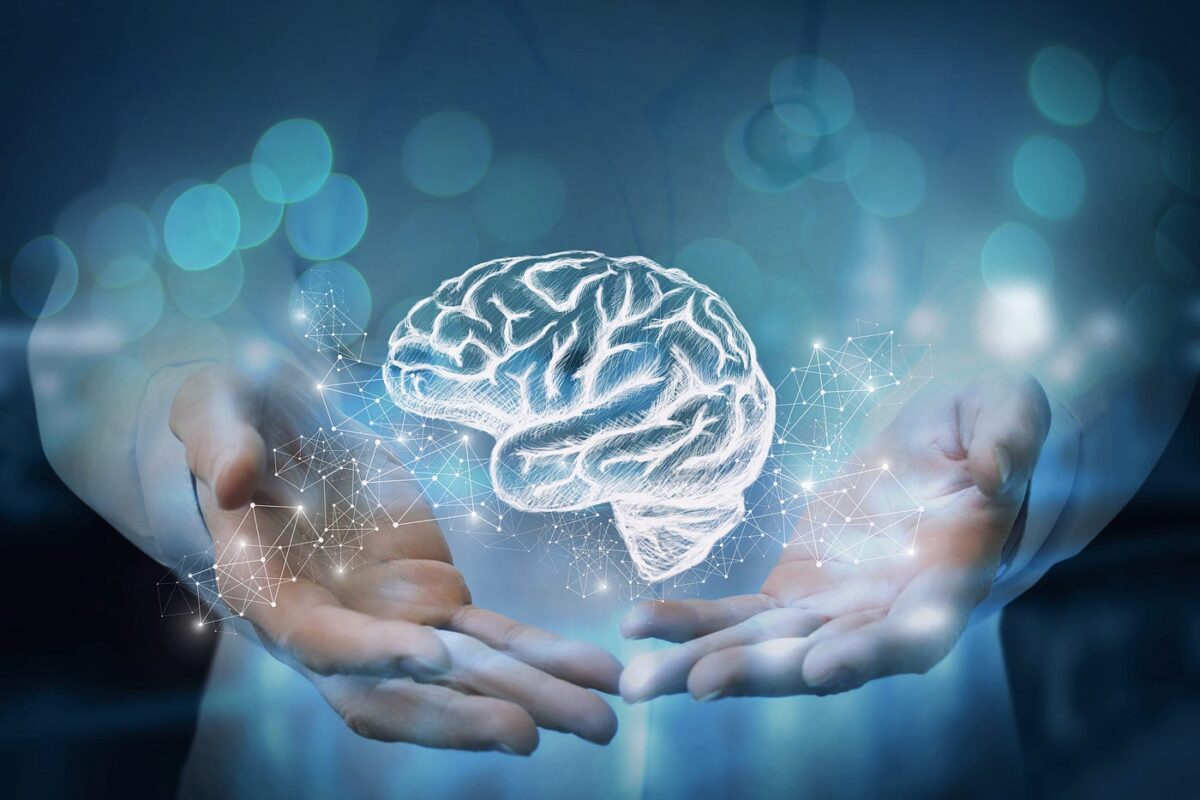
The human brain is a remarkable organ, arguably the most complex and intricate structure known to mankind. It is the command center of our bodies, responsible for our thoughts, emotions, memories, and actions. For centuries, scientists and researchers have been captivated by the mysteries surrounding the brain and have dedicated their lives to unraveling its secrets. As our understanding of this extraordinary organ deepens, we continue to uncover the wonders of the brain, gaining profound insights into the workings of the human mind.

One of the most fascinating aspects of the brain is its plasticity—the ability to reorganize and adapt throughout our lives. The brain is not a static entity; instead, it is constantly changing and reshaping itself in response to experiences, learning, and environmental factors. This phenomenon, known as neuroplasticity, allows the brain to form new neural connections, strengthen existing ones, and even compensate for damage or loss. Neuroplasticity plays a vital role in our ability to learn new skills, recover from injuries, and adapt to changing circumstances.

The brain’s ability to process and store information is truly astonishing. It is estimated that the human brain contains about 86 billion neurons, each forming intricate networks and connections. These neurons communicate with each other through electrical and chemical signals, creating a vast and complex web of activity. It is within this network that our thoughts, emotions, and memories are encoded. By studying the brain, scientists have made significant strides in understanding how we perceive the world, process information, and form memories.

Advancements in neuroscience have also shed light on the connection between the brain and our emotions. It has long been known that different regions of the brain are involved in emotional processing, but recent research has revealed the intricate interplay between these regions. For example, the amygdala, often referred to as the “fear center” of the brain, plays a crucial role in processing and regulating emotions. The prefrontal cortex, on the other hand, is involved in decision-making, impulse control, and the regulation of emotional responses. Understanding these neural circuits and their role in emotional processing has opened up new possibilities for the treatment of mental health disorders and the development of therapies aimed at improving emotional well-being.

The study of the brain has also contributed to our understanding of neurological disorders and brain injuries. Conditions such as Alzheimer’s disease, Parkinson’s disease, and schizophrenia have long puzzled scientists and clinicians. Through extensive research, we have gained valuable insights into the underlying mechanisms of these disorders, allowing for earlier diagnosis, improved treatment options, and the development of potential therapeutic interventions. Furthermore, our understanding of brain injuries, such as traumatic brain injury and stroke, has advanced significantly, leading to more effective rehabilitation techniques and strategies for promoting recovery.

As technology continues to advance, so does our ability to explore the intricacies of the brain. Techniques such as functional magnetic resonance imaging (fMRI) and electroencephalography (EEG) allow us to observe the brain in action, providing real-time insights into its activity. These tools have revolutionized the field of neuroscience, enabling researchers to investigate complex cognitive processes, map neural networks, and explore the mysteries of consciousness.

Despite the remarkable progress we have made, the human brain still holds countless mysteries waiting to be unraveled. Questions regarding consciousness, free will, and the nature of subjective experience continue to intrigue scientists and philosophers alike. The exploration of these philosophical and metaphysical aspects of the brain is a testament to the profound complexity and wonder of this organ.

The human brain is an awe-inspiring organ, capable of extraordinary feats. Through ongoing research and scientific advancements, we have made significant strides in unraveling the mysteries of the mind. Our understanding of the brain’s plasticity, information processing, emotional regulation, and its role in neurological disorders has expanded our knowledge and opened up new avenues for improving human health and well-being. As we continue to delve deeper into the complexities of the brain, we are bound to uncover even more wonders, pushing the boundaries of our understanding and appreciation of this incredible organ.