
loader

Month: May 2023

Life’s machinery: understanding the inner workings of the human body
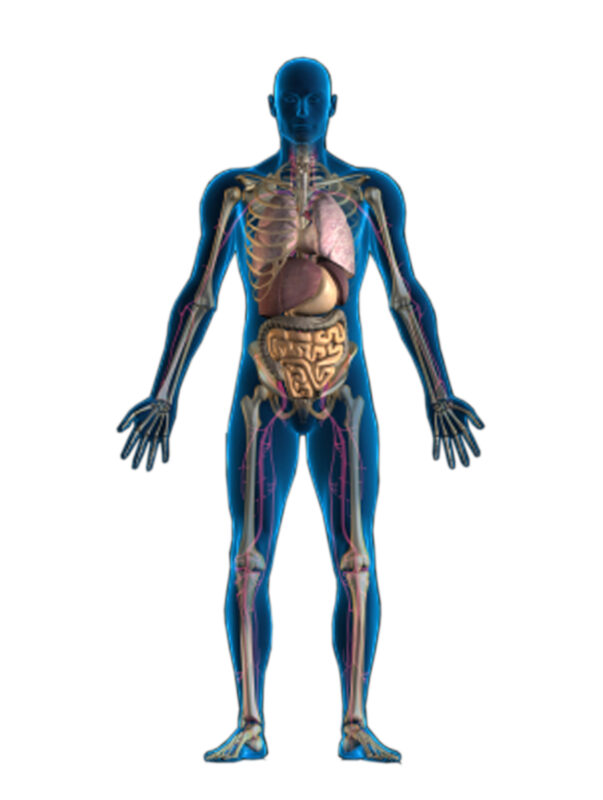
The human body is an extraordinary and intricate machine. From the beating of the heart to the firing of neurons in the brain, it operates with astonishing precision and complexity. Understanding the inner workings of this remarkable machinery is an ongoing quest that continues to unravel the mysteries of life itself. In this article, we will delve into the intricacies of the human body and explore some of its key systems.

  • The nervous system: Command and control

At the heart of the human body’s functioning lies the nervous system. This intricate network of cells, tissues, and organs coordinates and controls the body’s activities. It consists of two primary components: the central nervous system (CNS) and the peripheral nervous system (PNS). The brain and spinal cord make up the CNS, while the PNS comprises nerves that extend throughout the body.

The brain, the most vital organ, acts as the command center, receiving and processing sensory information and initiating appropriate responses. It controls our thoughts, emotions, movements, and bodily functions. The spinal cord serves as a communication highway, relaying messages between the brain and the rest of the body.

  • The circulatory system: The river of life

The circulatory system, often likened to a vast network of rivers, ensures the transportation of oxygen, nutrients, hormones, and other essential substances throughout the body. At its core is the heart, a tireless muscle that pumps blood to every corner of the body.

The blood, carrying oxygen from the lungs and nutrients from the digestive system, flows through a network of blood vessels, including arteries, veins, and capillaries. Arteries carry oxygen-rich blood away from the heart, while veins transport oxygen-depleted blood back to the heart. Capillaries, the tiniest blood vessels, facilitate the exchange of oxygen, nutrients, and waste products with surrounding tissues.

  • The respiratory system: The breath of life

The respiratory system is responsible for the exchange of gases, particularly oxygen and carbon dioxide. It comprises the nose, throat, windpipe, lungs, and a network of airways. The process of respiration involves inhaling oxygen and exhaling carbon dioxide.

When we inhale, air enters the body through the nose or mouth, passes through the throat and windpipe, and finally reaches the lungs. Inside the lungs, oxygen diffuses into the bloodstream, while carbon dioxide, a waste product of cellular respiration, is removed from the blood and expelled during exhalation.

  • The digestive system: Fueling the machine

The digestive system plays a crucial role in breaking down food and absorbing nutrients to provide energy for the body. It encompasses the mouth, esophagus, stomach, small intestine, large intestine, and various accessory organs such as the liver, pancreas, and gallbladder.

The journey of food begins in the mouth, where it is chewed and mixed with saliva. It then travels down the esophagus to the stomach, where it is further broken down by digestive enzymes and acids. From the stomach, partially digested food enters the small intestine, where nutrients are absorbed into the bloodstream. The remaining waste material moves into the large intestine, where water is absorbed, and feces are formed before elimination.

  • The skeletal and muscular systems: The support and movement

The skeletal and muscular systems work in tandem to provide support, protection, and movement. The skeletal system consists of bones, joints, and connective tissues. It not only provides structure to the body but also protects vital organs and produces blood cells.

Muscles, on the other hand, are responsible for movement. They work by contracting and relaxing, allowing us to perform a wide range of actions from walking and running to lifting and grasping objects. The muscular system is comprised of three types of muscles: skeletal muscles (attached to bones), smooth muscles (found in internal organs), and cardiac muscles (found in the heart).

Understanding the intricacies of these systems and their interconnections is key to comprehending the functioning of the human body. It is an ongoing journey of exploration and discovery that has led to remarkable advancements in medical science. By understanding life’s machinery within us, we gain insights that help us prevent, diagnose, and treat diseases, and ultimately, appreciate the marvels of our own existence.
Advances in artificial retina technology: restoring vision for the blind

Imagine a world where the blind can regain their vision, where the darkness is replaced by a newfound perception of light and shapes. Thanks to remarkable advancements in artificial retina technology, this vision is becoming a reality. Artificial retinas, also known as retinal prostheses, are revolutionizing the field of ophthalmology, offering hope to millions of visually impaired individuals. This article explores the latest breakthroughs in artificial retina technology and their profound impact on restoring vision for the blind.

  • Understanding the retina: The retina is a complex layer of tissue at the back of the eye that converts light into electrical signals, which are then transmitted to the brain via the optic nerve. In individuals with retinal degenerative diseases, such as age-related macular degeneration and retinitis pigmentosa, the photoreceptor cells responsible for detecting light gradually deteriorate, leading to vision loss. Artificial retinas aim to restore vision by bypassing the damaged photoreceptors and directly stimulating the remaining retinal cells or the optic nerve.
  • Retinal implants: The First Step: The development of retinal implants marked a significant milestone in artificial retina technology. These implants consist of an array of microelectrodes that are surgically placed on the surface of the retina. When stimulated by external devices, such as cameras or glasses, the microelectrodes send electrical signals to the remaining retinal cells, initiating visual perception. Early retinal implants offered limited visual acuity but laid the foundation for subsequent advancements.
  • Second-generation artificial retinas: The second generation of artificial retinas witnessed remarkable improvements in visual outcomes. Innovations, such as high-density electrode arrays and advanced signal processing algorithms, significantly enhanced visual resolution and the ability to perceive complex shapes and objects. These devices employ sophisticated image processing techniques to convert visual input into electrical signals that closely resemble natural vision. With these advancements, many individuals who were previously blind have regained the ability to recognize faces, read large print, and navigate their surroundings more independently.
  • Optogenetics: Shining Light on Vision Restoration: Optogenetics is an emerging field that combines gene therapy and light-sensitive proteins to restore vision in individuals with retinal degenerative diseases. By introducing light-sensitive proteins into the remaining retinal cells, scientists can render these cells responsive to light stimulation. Optogenetic approaches hold tremendous potential for enhancing the precision and sensitivity of artificial retina technology, enabling more natural and dynamic vision restoration.
  • Future directions and challenges: While artificial retina technology has come a long way, several challenges remain on the path to widespread implementation. One of the key challenges is achieving higher visual resolution and color perception. Additionally, improving the long-term stability and biocompatibility of retinal implants is essential for ensuring their safety and effectiveness over extended periods. Furthermore, reducing the invasiveness of the surgical procedures and enhancing the ease of use and adaptability of the devices are areas of active research.

Advances in artificial retina technology have transformed the lives of individuals living with visual impairments, offering the possibility of restored vision. From the early retinal implants to the current state-of-the-art devices, the field has made tremendous progress in enhancing visual acuity and functional outcomes. With ongoing research and technological advancements, artificial retinas hold the promise to further improve visual restoration, empowering the blind to experience the world in ways previously unimaginable. As the boundaries of artificial retina technology continue to be pushed, a future where blindness is no longer a permanent condition is inching closer, bringing renewed hope to millions.

Advances in gene editing: CRISPR technology and beyond

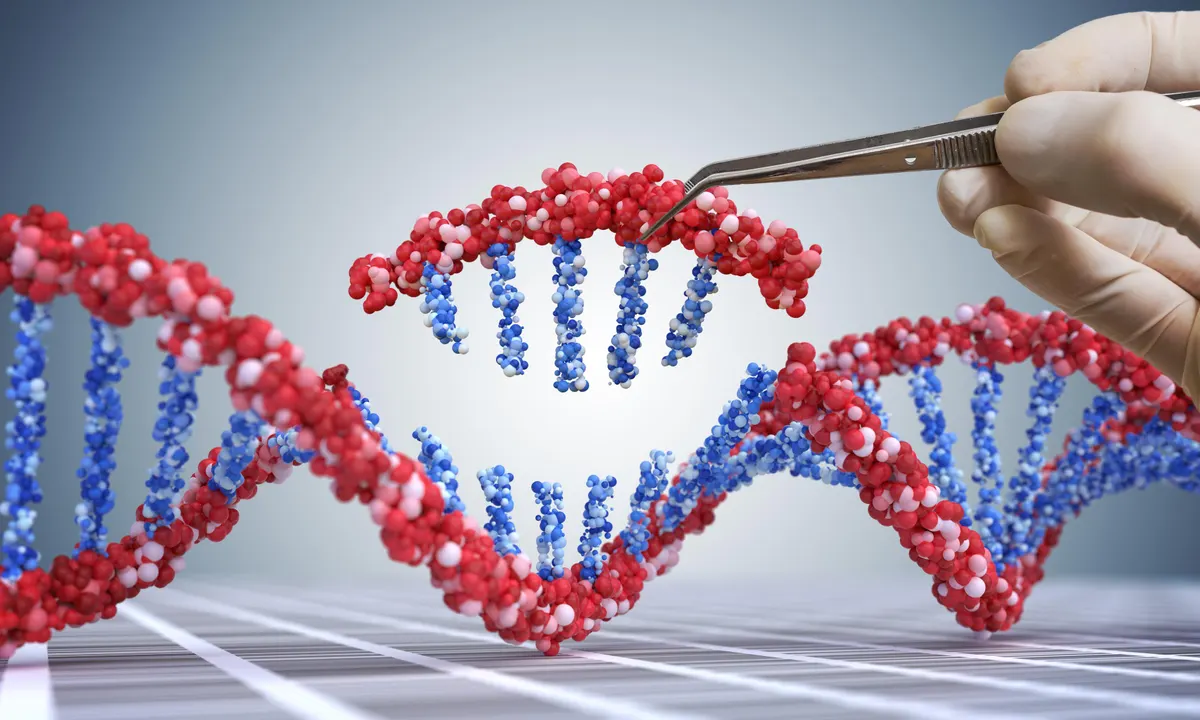
Gene editing has emerged as a revolutionary field in biotechnology, offering unprecedented opportunities to manipulate and modify genetic material with remarkable precision. Among the various gene editing techniques, CRISPR-Cas9 has gained significant attention for its simplicity, efficiency, and versatility. However, the advancements in gene editing technologies extend far beyond CRISPR. This article explores the breakthroughs in gene editing, highlighting the transformative potential of these advancements in various fields, from healthcare to agriculture and beyond.

  • CRISPR-Cas9: a game-changer in gene editing: CRISPR-Cas9 (Clustered Regularly Interspaced Short Palindromic Repeats) is a groundbreaking gene editing technology that allows scientists to make precise changes to DNA sequences. This system consists of two main components: a guide RNA that directs the Cas9 enzyme to the target DNA sequence and the Cas9 enzyme that acts as molecular scissors to cut the DNA. This break in the DNA can then be repaired, enabling modifications, such as gene insertions, deletions, or replacements. CRISPR-Cas9 has revolutionized genetic research and has immense potential for therapeutic applications, including the treatment of genetic disorders and the development of personalized medicine.
  • Advancements in CRISPR-based therapies: Beyond its utility in basic research, CRISPR-Cas9 is paving the way for revolutionary gene-based therapies. Scientists are harnessing this technology to develop potential treatments for previously incurable genetic diseases. For example, CRISPR-Cas9 has shown promising results in correcting mutations that cause disorders like sickle cell anemia and cystic fibrosis. Additionally, the development of CRISPR-based diagnostics enables precise detection of specific DNA sequences, allowing for rapid and accurate diagnosis of various diseases, including infectious diseases and cancer.
  • CRISPR beyond DNA editing: Epigenetic Modifications: While CRISPR-Cas9 is primarily known for its ability to edit DNA, recent advancements have expanded its applications to epigenetic modifications. Epigenetic changes, such as DNA methylation and histone modifications, play a crucial role in gene regulation. Scientists are utilizing CRISPR-based technologies to manipulate these epigenetic marks, offering new avenues for understanding and potentially treating complex diseases influenced by epigenetic dysregulation, including cancer and neurological disorders.
  • Beyond CRISPR: Other Gene Editing Tools: While CRISPR-Cas9 dominates the gene editing landscape, other techniques are also making significant contributions. For instance, zinc finger nucleases (ZFNs) and transcription activator-like effector nucleases (TALENs) are alternative gene editing systems that predated CRISPR and are still being used in certain applications. Moreover, novel gene editing technologies, such as base editing and prime editing, have been developed to achieve more precise modifications with reduced off-target effects. These advancements highlight the continuous evolution of gene editing tools, expanding the possibilities for precise genome engineering.
  • Ethical and regulatory considerations: As gene editing technologies advance, ethical and regulatory discussions become increasingly crucial. Questions surrounding the use of gene editing in germline cells, potential off-target effects, and unintended consequences must be carefully addressed. Striking a balance between the transformative potential of gene editing and the ethical implications is essential to ensure responsible and beneficial use of these technologies.

Advances in gene editing, spearheaded by CRISPR-Cas9 and complemented by other innovative techniques, have revolutionized our ability to manipulate genetic material with unprecedented precision. The potential applications of gene editing span numerous fields, from healthcare and agriculture to environmental conservation. As research continues and the technologies evolve, it is essential to navigate the ethical and regulatory challenges to harness the full potential of gene editing while ensuring its responsible and beneficial use. With ongoing advancements, gene editing holds the promise to address previously untreatable diseases, enhance crop production, and unlock a new era of scientific discovery and innovation.

Advances in artificial organs: bridging the gap to transplantation

The shortage of donor organs for transplantation has been a longstanding challenge in the field of medicine. Thousands of patients worldwide are on waiting lists, hoping for a lifesaving organ transplant. However, recent advancements in artificial organ technology are offering a glimmer of hope, providing a potential solution to bridge the gap between organ demand and supply. These remarkable innovations in artificial organs are transforming the landscape of healthcare, improving patients’ quality of life, and paving the way for a future where transplantation may no longer be the sole option.

  • Artificial heart: One of the most significant breakthroughs in artificial organ development is the creation of an artificial heart. Designed to replace the damaged or failing human heart, these mechanical devices provide a viable solution for patients awaiting heart transplants. Artificial hearts have come a long way, with sophisticated designs that mimic the natural pumping action of the heart, ensuring efficient blood circulation. Furthermore, advancements in materials and miniaturization have made these devices more durable, reducing the risk of complications and increasing their lifespan.
  • Artificial kidney: Kidney failure is a widespread health issue, and the demand for kidney transplants far exceeds the available organs. Artificial kidneys, also known as renal replacement devices, offer an alternative for patients with end-stage renal disease. These devices mimic the essential functions of the kidneys, such as filtering waste products and regulating fluid balance. Emerging technologies, such as bioartificial kidneys, combine the use of living cells and synthetic materials, improving the efficiency and biocompatibility of these artificial organs.
  • Artificial liver: Liver transplantation is a complex procedure with limited organ availability. Artificial livers, also called bioartificial livers, have shown promising results in supporting patients with acute liver failure or those awaiting transplantation. These devices employ various strategies, including the use of liver cells cultured in the laboratory or implanted bioartificial scaffolds. Artificial livers can assist in detoxifying the blood, producing vital proteins, and maintaining metabolic functions until a suitable donor becomes available.
  • Artificial pancreas: Diabetes affects millions worldwide, and the ultimate goal for patients with Type 1 diabetes is to restore insulin production. The development of the artificial pancreas offers hope for those living with this chronic condition. This device combines continuous glucose monitoring and insulin delivery systems, providing an automated approach to regulate blood sugar levels. Artificial pancreases aim to mimic the normal function of the pancreas, improving glycemic control and reducing the risk of diabetes-related complications.
  • Artificial lung: Respiratory failure is a life-threatening condition that often necessitates lung transplantation. Artificial lungs, also known as extracorporeal membrane oxygenation (ECMO) systems, provide temporary support for patients with severe lung dysfunction. These devices oxygenate the blood and remove carbon dioxide, facilitating gas exchange outside the body. Ongoing research is focused on developing fully implantable artificial lungs that can provide long-term respiratory support, eliminating the need for transplantation altogether.

Conclusion: Advances in artificial organ technology are revolutionizing the field of medicine, offering hope for patients in need of organ transplants. These remarkable devices, such as artificial hearts, kidneys, livers, pancreases, and lungs, are not only extending and improving lives but also bridging the gap between organ demand and supply. While challenges remain, such as long-term durability and immunological compatibility, ongoing research and development are addressing these issues. With further advancements and continued innovation, artificial organs may become a mainstream solution, transforming the lives of countless individuals awaiting transplantation and shaping the future of healthcare.

Neuroplasticity: harnessing the brain’s ability to heal

Intelligence concept. 3D render.

The human brain, often described as the most complex organ in the body, possesses an astonishing ability to adapt and heal itself. This remarkable phenomenon is known as neuroplasticity, a term that encompasses the brain’s capacity to reorganize its structure and function in response to experiences, learning, and injuries. Understanding and harnessing the power of neuroplasticity have revolutionized our approach to brain rehabilitation, opening up new possibilities for recovery and unlocking the potential for healing.

In the past, it was commonly believed that the brain’s development was complete by early adulthood, with little room for change thereafter. However, groundbreaking research over the past few decades has revealed that the brain remains highly adaptable throughout our lives. Neuroplasticity, which occurs at various levels, from molecular changes within individual neurons to the reorganization of entire neural networks, allows the brain to modify its connections, strengthen existing pathways, and even generate new ones.

One of the most remarkable aspects of neuroplasticity is its role in rehabilitation following brain injuries or neurological conditions. In the past, such injuries were often seen as irreparable, leading to permanent disabilities. However, we now understand that the brain possesses an innate ability to rewire itself in response to damage. This rewiring can enable the brain to compensate for lost function, rerouting signals and creating new pathways to bypass injured areas.

For example, individuals who have suffered a stroke often experience motor impairments due to damage in the brain’s motor regions. Through targeted rehabilitation exercises and therapies, the brain can form new connections and reorganize its circuits to regain motor control. This process involves intensive practice and repetition, as well as engaging in activities that challenge and stimulate the affected areas. With time and dedication, patients can often experience significant improvements in their motor function, illustrating the incredible power of neuroplasticity.

Moreover, neuroplasticity extends beyond physical rehabilitation. It plays a crucial role in cognitive and emotional recovery as well. Individuals with conditions such as traumatic brain injury, post-traumatic stress disorder (PTSD), or learning disabilities can benefit from targeted interventions that harness the brain’s capacity for change. By engaging in cognitive exercises, therapy, and other interventions, individuals can enhance neural connections, improve memory, attention, and emotional regulation, and regain lost cognitive abilities.

The concept of neuroplasticity has also led to the development of innovative technologies and therapies designed to optimize brain healing. Techniques such as transcranial magnetic stimulation (TMS) and neurofeedback utilize external stimuli to modulate brain activity, facilitating the formation of desired neural connections. These interventions are particularly valuable in cases where traditional rehabilitation methods may be insufficient, offering new avenues for recovery.

Additionally, the understanding of neuroplasticity has transformed our approach to education and learning. It has highlighted the importance of creating enriched environments that stimulate the brain and promote optimal learning conditions. By providing a variety of sensory, cognitive, and social experiences, educators can enhance neural connections, promote information retention, and foster a lifelong love for learning.

Although neuroplasticity offers immense potential for healing and recovery, it is important to note that not all changes in the brain are positive. Neuroplasticity can also contribute to the development of maladaptive behaviors and conditions such as chronic pain or addiction. Nevertheless, by understanding the mechanisms behind neuroplasticity, researchers and clinicians can develop targeted interventions to mitigate these negative changes and promote healthier brain function.

The discovery of neuroplasticity has transformed our understanding of the brain’s capabilities and opened up new frontiers for healing and rehabilitation. By harnessing the brain’s innate ability to rewire itself, we can promote recovery from injuries, enhance cognitive function, and optimize learning. Continued research and innovation in the field of neuroplasticity hold tremendous promise for unlocking the full potential of the human brain and improving the lives of countless individuals affected by neurological conditions and injuries.

Digital therapeutics: empowering patients through mobile health

Advancements in technology have transformed the way we approach healthcare, with digital solutions playing a pivotal role in patient empowerment. One such innovation is digital therapeutics, which utilizes mobile health (mHealth) platforms to deliver evidence-based interventions for the prevention, management, and treatment of various medical conditions. This article explores the concept of digital therapeutics and how it empowers patients through the convenience and accessibility of mobile health.

Understanding digital therapeutics

Digital therapeutics (DTx) refers to software-based interventions designed to prevent, manage, or treat medical conditions independently or in conjunction with traditional medical treatments. These solutions leverage mobile apps, wearable devices, and other digital platforms to deliver personalized interventions, such as cognitive behavioral therapy, medication adherence programs, and remote monitoring of chronic diseases.

Empowering patients through accessibility,

One of the primary advantages of digital therapeutics is the enhanced accessibility it provides to patients. With the widespread use of smartphones and the internet, mHealth platforms enable individuals to access therapeutic interventions from the comfort of their homes, overcoming geographical barriers and reducing the need for in-person appointments. Patients can conveniently engage with their treatment plans, access educational resources, and monitor their progress in real-time, fostering a sense of empowerment and involvement in their healthcare journey.

Customized and personalized interventions,

Digital therapeutics offer tailored interventions that can be personalized to suit the individual needs of patients. By leveraging data collected through mobile apps and wearable devices, these solutions can analyze patient-specific information and provide targeted interventions. This level of customization ensures that patients receive treatments and interventions that are specifically designed for their unique circumstances, leading to improved engagement and outcomes.

Improved patient engagement and adherence,

Traditional healthcare often struggles with patient engagement and adherence to treatment plans. However, digital therapeutics have shown promising results in increasing patient engagement and adherence rates. Through interactive and user-friendly interfaces, these platforms engage patients by providing educational content, reminders, and tracking mechanisms, making them active participants in their own health management. By enhancing patient motivation and accountability, digital therapeutics promote better adherence to treatment regimens, resulting in improved health outcomes.

Real-time monitoring and remote care,

Digital therapeutics enable real-time monitoring of patients, allowing healthcare providers to remotely track their progress and intervene when necessary. Wearable devices and sensors connected to mobile apps can collect vital health data, including heart rate, blood pressure, blood glucose levels, and sleep patterns. This information can be transmitted to healthcare professionals, who can then offer timely interventions and adjustments to the treatment plan. The ability to monitor patients remotely not only improves access to care but also enhances patient safety and facilitates early detection of potential health issues.

Integration with traditional healthcare,

Digital therapeutics are not intended to replace traditional healthcare, but rather to complement and integrate with it. These solutions can be seamlessly integrated into existing healthcare systems, providing a comprehensive approach to patient care. By bridging the gap between in-person visits, digital therapeutics support continuous monitoring and communication between patients and healthcare providers. The data collected through these platforms can also inform healthcare professionals about the effectiveness of treatments, helping them make more informed decisions and adjustments to optimize patient outcomes.

Digital therapeutics have emerged as a powerful tool in empowering patients through mobile health. By leveraging the convenience and accessibility of mHealth platforms, these interventions offer personalized treatments, improve patient engagement and adherence, and enable remote monitoring and care. As technology continues to advance, digital therapeutics hold immense potential to revolutionize healthcare, placing patients at the center of their own well-being and fostering a new era of patient empowerment.

Advancements in dermatology: from skin health to aesthetics

Dermatology, the branch of medicine dedicated to the diagnosis and treatment of skin conditions, has witnessed remarkable advancements in recent years. From breakthroughs in the understanding of skin health to revolutionary procedures in aesthetics, the field of dermatology has made significant strides in improving the lives of millions of individuals worldwide. Let’s delve into some of the key advancements that have transformed the landscape of dermatology.

  • Personalized skin care: One of the most notable advancements in dermatology is the shift towards personalized skin care. Thanks to advancements in genetic testing and molecular biology, dermatologists can now analyze an individual’s DNA to identify specific genetic markers related to skin conditions and overall skin health. This allows for tailored treatment plans and preventive measures based on an individual’s unique genetic makeup, leading to more effective outcomes.
  • Non-invasive and minimally invasive procedures: The advent of non-invasive and minimally invasive procedures has revolutionized the field of aesthetics. These techniques provide patients with alternatives to traditional surgical procedures, reducing risks, downtime, and scarring. Non-invasive procedures like laser therapy, chemical peels, and injectables such as Botox and dermal fillers have become increasingly popular for skin rejuvenation, wrinkle reduction, and volume restoration.
  • Laser technology: Laser technology has had a profound impact on dermatology. Laser treatments have become an integral part of various dermatological procedures, offering precise targeting and minimal damage to surrounding tissues. Lasers are used for hair removal, tattoo removal, scar revision, treatment of vascular lesions, and even skin tightening. Advancements in laser technology have led to the development of more efficient and specialized devices, enabling dermatologists to achieve exceptional results with improved safety profiles.
  • Biologics and immunotherapy: The introduction of biologic agents and immunotherapy has transformed the treatment of many dermatological conditions. Biologics are genetically engineered proteins that target specific components of the immune system, offering highly targeted and effective therapies. These agents have revolutionized the management of conditions such as psoriasis, eczema, and vitiligo, providing long-term remission and improved quality of life for patients.
  • Artificial intelligence and digital imaging: Artificial intelligence (AI) and digital imaging have emerged as powerful tools in dermatology. AI algorithms can analyze large datasets of images and clinical data to aid in the diagnosis of skin conditions, including skin cancers. Dermatologists can leverage AI to enhance their diagnostic accuracy, leading to earlier detection and improved patient outcomes. Digital imaging technologies, such as dermoscopy and reflectance confocal microscopy, enable non-invasive examination of the skin at a cellular level, facilitating precise diagnosis and monitoring of skin lesions.
  • Nanotechnology in skincare: Nanotechnology has opened up new possibilities in skincare. Nano-sized particles can penetrate the skin barrier more effectively, allowing for targeted delivery of active ingredients. This has led to the development of advanced skincare products with enhanced efficacy in addressing specific skin concerns. Nanotechnology-based sunscreens, anti-aging creams, and wound healing treatments are just a few examples of how this technology is transforming the skincare industry.
  • Gene therapy: Gene therapy holds promise for the treatment of genetic skin disorders. By correcting or replacing faulty genes, dermatologists can potentially cure certain inherited skin conditions. Although still in its early stages, gene therapy has shown encouraging results in treating diseases like epidermolysis bullosa and xeroderma pigmentosum, providing hope for patients who previously had limited treatment options.

Advancements in dermatology have not only improved the management of skin diseases but also enhanced the field of aesthetics, offering a wide range of non-invasive and minimally invasive procedures. As technology continues to advance, we can expect even more breakthroughs in dermatology, further revolutionizing the field and benefiting patients worldwide. The future of dermatology is bright, promising healthier and more beautiful skin for all.

Digital health: exploring the potential of wearable devices

In recent years, the field of digital health has witnessed a remarkable transformation, thanks to the rapid advancement of wearable devices. These portable, smart gadgets have the potential to revolutionize healthcare by empowering individuals to monitor and manage their well-being in real-time. From fitness trackers to smartwatches, wearable devices have become an integral part of our lives, offering a multitude of health-related benefits. In this article, we will explore the vast potential of wearable devices in the realm of digital health.

  • Personal health monitoring: Wearable devices provide users with the ability to monitor their health in unprecedented ways. These devices can track vital signs such as heart rate, blood pressure, sleep patterns, and even stress levels. With continuous monitoring, individuals can gain valuable insights into their overall health and make informed decisions about their lifestyle choices. Moreover, this data can be shared with healthcare professionals, allowing for personalized and proactive interventions.
  • Fitness and physical activity: Fitness trackers and smartwatches have revolutionized the way we approach physical fitness. With built-in sensors, they can accurately measure steps taken, distance covered, calories burned, and even provide detailed analysis of workouts. Wearable devices encourage individuals to stay active by setting goals, providing real-time feedback, and offering rewards for achieving milestones. They act as personal trainers on our wrists, motivating us to lead healthier lives.
  • Chronic disease management: Wearable devices have immense potential in managing chronic diseases. Patients suffering from conditions such as diabetes, hypertension, or asthma can benefit from continuous monitoring of their vital signs and symptoms. For example, a smart insulin pump combined with a glucose sensor can help diabetics monitor their blood sugar levels and administer insulin accordingly. These devices enable individuals to take control of their conditions and avoid potential health risks.
  • Early detection and prevention: Early detection of health issues is crucial for effective treatment. Wearable devices equipped with advanced sensors can detect subtle changes in the body and identify potential health problems before they become serious. For instance, an irregular heart rate pattern recorded by a smartwatch can indicate the presence of arrhythmia, prompting the user to seek medical attention. By enabling timely intervention, wearable devices can prevent the progression of diseases and save lives.
  • Remote patient monitoring: With the advent of telemedicine, wearable devices have become indispensable tools for remote patient monitoring. Patients can wear devices that continuously transmit data to healthcare providers, allowing for remote tracking of their health status. This is particularly beneficial for individuals who live in remote areas, have limited mobility, or require long-term care. Wearable devices facilitate proactive care, reduce hospital visits, and improve patient outcomes.
  • Mental health support: Wearable devices are not limited to physical health; they can also contribute to mental well-being. Some devices employ biometric sensors to monitor stress levels and provide real-time feedback on relaxation techniques. Others offer guided meditation sessions, sleep tracking, and mood analysis. By promoting mindfulness and self-awareness, wearable devices can assist in managing stress, anxiety, and other mental health conditions.
  • Health research and data analytics: The widespread adoption of wearable devices generates an enormous amount of health data. This data can be anonymized and aggregated to gain valuable insights into population health trends, disease patterns, and treatment outcomes. Researchers can use this information to develop evidence-based interventions, improve healthcare delivery, and advance medical research. Wearable devices thus have the potential to revolutionize public health and epidemiology.

Despite the numerous advantages, there are challenges to overcome for the widespread adoption and integration of wearable devices in healthcare. Concerns regarding data privacy, data accuracy, regulatory compliance, and the need for seamless interoperability between devices and healthcare systems must be addressed.

Wearable devices have unleashed a new era of digital health, empowering individuals to take charge of their well-being. From personal health monitoring to chronic disease management, early detection, and remote patient monitoring, these smart gadgets offer immense potential for improving healthcare outcomes. As technology continues to evolve, wearable devices will undoubtedly play a central role in shaping the future of healthcare, making it more personalized, proactive, and patient-centric than ever before.

The Gut-Brain connection: how our microbiome affects mental health

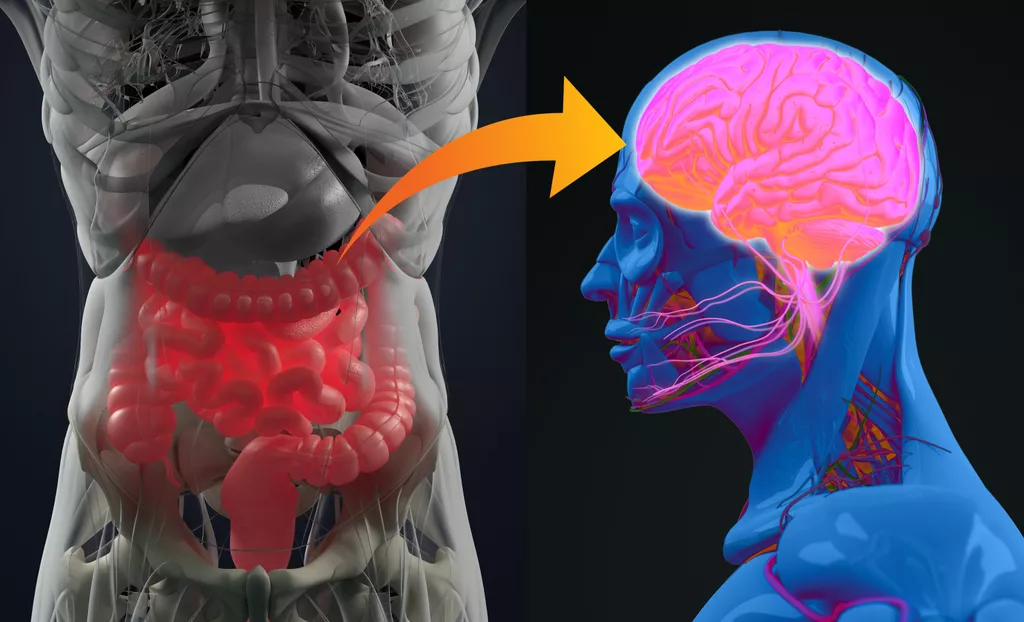
The human body is a complex and interconnected system, with various parts influencing one another in ways we are only beginning to understand. One such fascinating connection is the intricate relationship between our gut and brain. Emerging research highlights the profound impact of our gut microbiome on mental health, suggesting that a healthy gut may contribute to improved emotional well-being. This article explores the gut-brain connection and sheds light on how our microbiome influences our mental health.

The gut microbiome: The gut microbiome refers to the vast collection of microorganisms, including bacteria, viruses, fungi, and other microbes, residing in our gastrointestinal tract. This complex ecosystem plays a vital role in digestion, nutrient absorption, and the regulation of our immune system. Each person’s microbiome is unique, influenced by various factors such as diet, genetics, environment, and lifestyle.

The gut-brain axis: The gut and brain communicate through a bidirectional pathway known as the gut-brain axis. This network involves a constant exchange of signals and information between the central nervous system (CNS) and the gut microbiota. The microbiota produces a wide array of bioactive compounds and neurotransmitters that can directly affect the brain and its functions.

Effects on mental health: Mounting evidence suggests that alterations in the gut microbiome composition and function can impact mental health and contribute to the development of psychiatric disorders. Studies have linked imbalances in gut bacteria to conditions such as anxiety, depression, stress-related disorders, and even neurodevelopmental disorders like autism spectrum disorder.

The role of neurotransmitters: The gut microbiota produces various neurotransmitters, including serotonin, dopamine, and gamma-aminobutyric acid (GABA), which are crucial for regulating mood, emotions, and behavior. Serotonin, often referred to as the “happy hormone,” is particularly noteworthy. Approximately 95% of serotonin is produced in the gut, highlighting the direct influence of the gut microbiome on our emotional well-being.

Inflammation and immune activation: An imbalanced gut microbiome can lead to increased intestinal permeability, allowing harmful substances to enter the bloodstream. This triggers an immune response and systemic inflammation, which has been linked to mood disorders and cognitive impairment. Chronic inflammation can impair brain function and exacerbate mental health conditions.

Probiotics, Prebiotics, and Mental Health: Probiotics, live beneficial bacteria, and prebiotics, the dietary fibers that promote the growth of beneficial gut bacteria, have gained attention as potential interventions for mental health. Research suggests that certain strains of probiotics can alleviate symptoms of depression, anxiety, and stress. Additionally, consuming a diet rich in prebiotic fibers, found in fruits, vegetables, and whole grains, may support a healthy gut microbiome and positively impact mental well-being.

Lifestyle factors for a healthy gut: Maintaining a healthy gut microbiome involves adopting a holistic approach. Alongside incorporating probiotic-rich foods and prebiotic fibers into our diet, other lifestyle factors can support a healthy gut-brain axis. Regular exercise, stress reduction techniques such as mindfulness and meditation, adequate sleep, and avoiding excessive antibiotic use can contribute to a thriving microbiome and promote mental wellness.

The gut-brain connection represents a fascinating area of scientific exploration, highlighting the profound influence of our gut microbiome on our mental health. As researchers delve deeper into understanding this intricate relationship, it opens up new possibilities for therapeutic interventions targeting the gut microbiota. Nurturing a healthy gut through diet, lifestyle choices, and targeted interventions like probiotics may hold great potential in supporting mental well-being and improving overall quality of life.

The healing power of stem cells: unlocking their potential

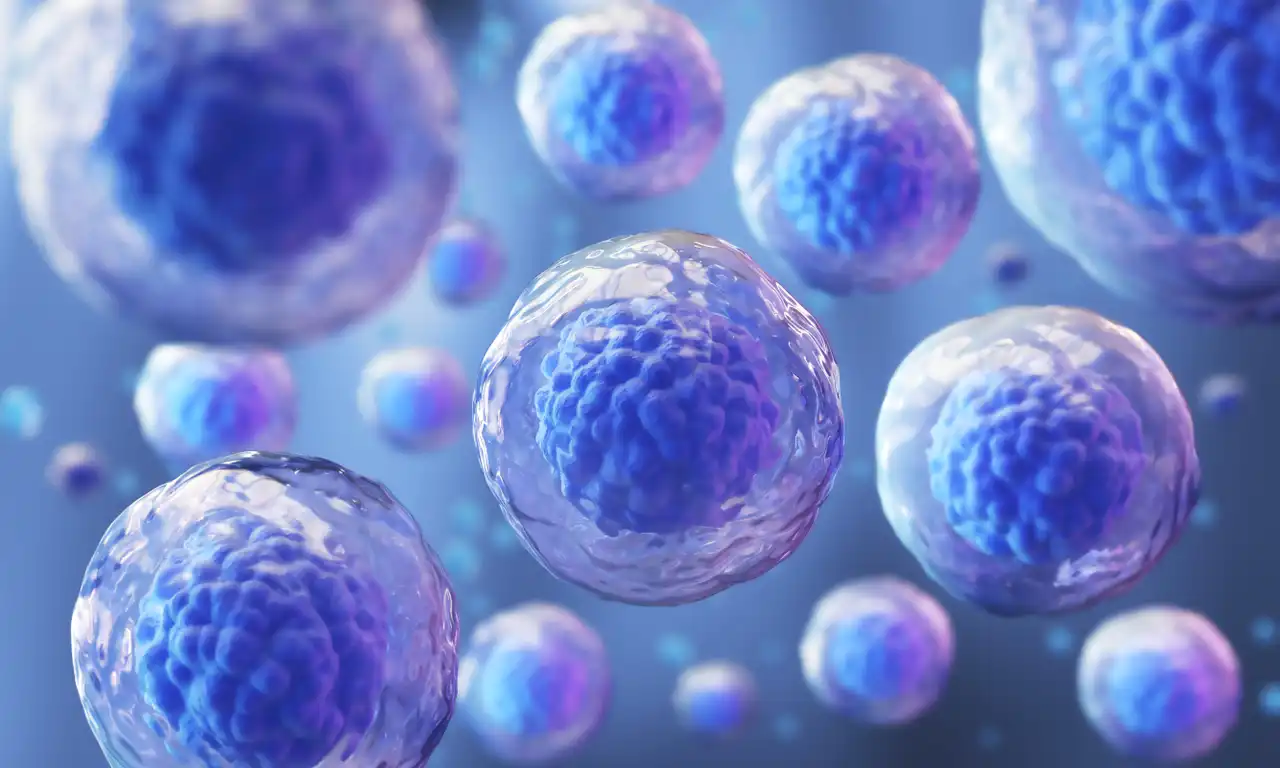
In the realm of medical advancements, few fields have captured the attention and imagination of researchers and scientists quite like the study of stem cells. Stem cells possess an extraordinary ability to transform into different types of cells in the body, offering a promising avenue for regenerative medicine. This article aims to explore the healing power of stem cells and the potential they hold in revolutionizing medical treatments.

Understanding stem cells: Stem cells are unique cells that have the remarkable ability to self-renew and differentiate into various specialized cell types. They can be found in various parts of the human body, including bone marrow, umbilical cord blood, and even certain tissues. These cells play a crucial role in the development, repair, and renewal of tissues and organs throughout our lives.

Unlocking the potential: The potential of stem cells lies in their ability to repair damaged tissues and regenerate organs. When deployed in the right conditions, stem cells can replace or repair dysfunctional or injured cells, promoting healing and restoring normal functionality. This has the potential to revolutionize the treatment of a wide range of diseases, including degenerative disorders, cardiovascular conditions, neurological diseases, and even certain types of cancer.

Regenerative medicine: Regenerative medicine harnesses the power of stem cells to develop innovative therapies. By isolating and culturing stem cells in the laboratory, scientists can manipulate them into specific cell types needed for treatment. These cells can then be transplanted into the patient, replenishing damaged or diseased tissues. Stem cell therapy has shown promising results in treating conditions such as spinal cord injuries, osteoarthritis, and diabetes, among others.

Promising research and clinical applications: Numerous ongoing studies and clinical trials are exploring the potential applications of stem cells. Researchers are investigating their efficacy in treating conditions like heart disease, stroke, Parkinson’s disease, and Alzheimer’s disease. Stem cells are also being used in tissue engineering to create lab-grown organs and tissues for transplantation, reducing the reliance on organ donors and the risk of rejection.

Ethical considerations and regulations: The study of stem cells has not been without controversy. The use of embryonic stem cells, obtained from early-stage embryos, has raised ethical concerns due to the destruction of embryos. However, alternative sources such as adult stem cells and induced pluripotent stem cells (iPSCs) have emerged, minimizing ethical dilemmas. Regulatory frameworks have been established to ensure the responsible and ethical use of stem cells in research and medical applications.

The healing power of stem cells and their potential in regenerative medicine are bringing new hope to patients worldwide. While further research and clinical trials are necessary to unlock their full potential, stem cells have already shown promising results in treating a variety of diseases and conditions. As our understanding of stem cells continues to evolve, it is increasingly evident that these tiny building blocks hold immense potential for transforming the future of medicine and providing new avenues for healing and improving quality of life.