
loader

Month: May 2023

Exploring stem cell therapy for regenerative medicine

In recent years, regenerative medicine has emerged as a groundbreaking field with the potential to revolutionize medical treatments and address various diseases and injuries that were once considered incurable. At the forefront of regenerative medicine is stem cell therapy, a promising approach that utilizes the unique properties of stem cells to repair, replace, or regenerate damaged tissues and organs in the body. In this article, we will delve into the fascinating world of stem cell therapy and its potential applications in regenerative medicine.

Stem cells are undifferentiated cells that have the remarkable ability to develop into different cell types and self-renew, meaning they can divide and produce more stem cells. These cells can be derived from various sources, including embryonic tissue, adult tissues, and induced pluripotent stem cells (iPSCs) created from reprogrammed adult cells. The versatility of stem cells makes them an invaluable tool for regenerative medicine.

One of the key applications of stem cell therapy is the regeneration of damaged or diseased tissues and organs. Stem cells can be directed to differentiate into specific cell types, such as heart cells, nerve cells, or insulin-producing cells, depending on the desired outcome. By transplanting these differentiated cells into the patient, it is possible to replace damaged cells or tissues and restore normal function.

For instance, in the field of cardiology, stem cell therapy has shown promise in treating heart disease. Researchers have explored the use of stem cells to repair damaged heart tissue after a heart attack. By injecting stem cells into the affected area, these cells can differentiate into new heart muscle cells, promoting tissue repair and improving heart function. Similarly, in neurodegenerative disorders such as Parkinson’s disease, stem cells can be guided to develop into dopamine-producing neurons, which are depleted in patients. Transplanting these cells into the brain can potentially alleviate symptoms and slow disease progression.

Stem cell therapy also holds potential for treating orthopedic injuries and conditions. Mesenchymal stem cells, a type of adult stem cell found in bone marrow and adipose tissue, have the ability to differentiate into bone, cartilage, and muscle cells. This property makes them valuable for regenerating damaged cartilage in conditions like osteoarthritis or repairing fractures and bone defects. Moreover, stem cells can secrete growth factors and anti-inflammatory molecules, creating a favorable environment for tissue repair and reducing inflammation.

In addition to tissue regeneration, stem cell therapy is being explored in the field of tissue engineering. Scientists are working on developing artificial organs and tissues using a combination of stem cells, biomaterials, and 3D printing techniques. By seeding stem cells onto scaffolds and providing the appropriate growth factors and conditions, it is possible to create functional tissues that can be transplanted into patients, bypassing the need for organ transplantation.

However, despite the immense potential of stem cell therapy, several challenges and ethical considerations remain. The safety and efficacy of different stem cell types and delivery methods need to be thoroughly studied and optimized. Additionally, issues such as immune rejection, tumorigenicity, and ethical concerns surrounding the use of embryonic stem cells require careful consideration and regulation.

Stem cell therapy represents a groundbreaking approach in the field of regenerative medicine. The ability of stem cells to differentiate into various cell types and their potential for tissue repair and regeneration offer hope for treating a wide range of diseases and injuries. As research progresses and technologies advance, stem cell therapy may become a standard treatment option, revolutionizing medicine and improving the quality of life for countless individuals.

The Impact of Exercise on Cardiovascular Health

Regular exercise has long been recognized as a vital component of a healthy lifestyle. Beyond the well-known benefits of weight management and improved muscle strength, exercise plays a crucial role in promoting cardiovascular health. Engaging in physical activity on a consistent basis can have a profound impact on the well-being of our heart and blood vessels, significantly reducing the risk of cardiovascular diseases and improving overall cardiovascular function. In this article, we will explore the various ways in which exercise positively influences cardiovascular health.

  • Enhances Heart Function: The heart is a muscle, and like any other muscle, it becomes stronger and more efficient with regular exercise. Physical activity increases heart rate, improving blood flow and promoting the delivery of oxygen and nutrients to the body’s tissues. Over time, this leads to a lower resting heart rate and a more robust heart muscle, enabling it to pump blood more effectively and reducing the workload on the heart.
  • Lowers Blood Pressure: High blood pressure, or hypertension, is a major risk factor for cardiovascular diseases such as heart attack and stroke. Exercise helps regulate blood pressure by strengthening the heart and improving the elasticity of blood vessels. Regular physical activity reduces systolic and diastolic blood pressure, leading to a decrease in overall cardiovascular strain.
  • Improves Cholesterol Profile: Exercise has a positive impact on cholesterol levels, particularly in increasing high-density lipoprotein (HDL) cholesterol, often referred to as “good” cholesterol. HDL cholesterol helps remove low-density lipoprotein (LDL) cholesterol, or “bad” cholesterol, from the bloodstream. By increasing the ratio of HDL to LDL cholesterol, exercise reduces the risk of atherosclerosis, the buildup of plaque in the arteries, and promotes better heart health.
  • Aids in Weight Management: Maintaining a healthy weight is crucial for cardiovascular health. Regular exercise, in combination with a balanced diet, helps manage weight by burning calories and increasing lean muscle mass. Shedding excess pounds reduces the strain on the heart and blood vessels, lowering the risk of conditions such as coronary artery disease, heart failure, and diabetes, all of which can have a detrimental effect on cardiovascular health.
  • Reduces Inflammation: Chronic inflammation is a key contributor to the development of cardiovascular diseases. Regular physical activity has been shown to decrease levels of inflammatory markers in the body, such as C-reactive protein and interleukin-6. By reducing inflammation, exercise helps protect against the damage to blood vessels and the development of atherosclerosis, ultimately lowering the risk of heart disease.
  • Enhances Blood Sugar Control: Regular exercise plays a significant role in maintaining healthy blood sugar levels and preventing or managing type 2 diabetes, a condition closely associated with cardiovascular disease. Physical activity improves insulin sensitivity, allowing cells to take up glucose more effectively, thereby reducing the risk of high blood sugar levels and associated complications.
  • Promotes Stress Reduction: Chronic stress can have a detrimental impact on cardiovascular health, contributing to hypertension and other heart-related issues. Engaging in regular exercise is an excellent way to alleviate stress and improve overall mental well-being. Physical activity stimulates the release of endorphins, the body’s natural mood-elevating hormones, helping to combat stress and anxiety, which in turn positively affects cardiovascular health.

Exercise is a powerful tool for maintaining and improving cardiovascular health. Regular physical activity strengthens the heart, lowers blood pressure, improves cholesterol levels, aids in weight management, reduces inflammation, enhances blood sugar control, and promotes stress reduction. Engaging in a combination of aerobic exercises, such as brisk walking, swimming, or cycling, and strength training activities can provide optimal benefits for cardiovascular health. Remember, it’s always important to consult with a healthcare professional before starting any new exercise regimen, especially if you have

The science of aging: implications for longevity and quality of life

Aging is a natural process that affects all living organisms. It involves a gradual decline in cellular and physiological functions, which can lead to a range of age-related diseases and health conditions. In recent years, there has been increasing interest in the science of aging and its implications for longevity and quality of life. In this article, we will explore some of the key insights from the science of aging.

What is the science of aging?

The science of aging is a multidisciplinary field that seeks to understand the biological processes that contribute to aging and age-related diseases. This includes studying the molecular and cellular mechanisms of aging, as well as the environmental and lifestyle factors that can influence the aging process.

What are the key insights from the science of aging?

  1. Aging is a complex process

Aging is a complex process that involves a range of molecular, cellular, and physiological changes. These changes can lead to a decline in cellular functions, such as DNA repair and protein synthesis, which can increase the risk of age-related diseases.

  1. Aging is influenced by genetics and lifestyle factors

While genetics play a role in the aging process, lifestyle factors such as diet, exercise, and stress can also influence how we age. For example, a healthy diet and regular exercise can help maintain cellular functions and reduce the risk of age-related diseases.

  1. Age-related diseases share common mechanisms

Many age-related diseases, such as Alzheimer’s disease, Parkinson’s disease, and cardiovascular disease, share common mechanisms of cellular and physiological dysfunction. This suggests that targeting these common mechanisms could be an effective approach to treating and preventing age-related diseases.

  1. Longevity is influenced by genetics and lifestyle factors

While genetics play a role in longevity, lifestyle factors such as diet, exercise, and social connections can also influence how long we live. For example, individuals who eat a healthy diet, exercise regularly, and maintain social connections have been shown to live longer on average.

  1. Anti-aging interventions are being developed

There is growing interest in developing interventions that can slow down or reverse the aging process. These interventions include dietary interventions, such as caloric restriction and intermittent fasting, as well as pharmacological interventions that target cellular mechanisms of aging.

What are the implications of the science of aging for longevity and quality of life?

The science of aging has important implications for both longevity and quality of life. By understanding the biological mechanisms of aging and the factors that influence how we age, we can develop interventions that can improve health span and lifespan. These interventions may include lifestyle changes, such as healthy eating and exercise, as well as targeted pharmacological interventions that can slow down or reverse the aging process.

In conclusion, the science of aging is a rapidly growing field that has important implications for longevity and quality of life. By understanding the complex biological mechanisms of aging and the factors that influence how we age, we can develop interventions that can improve healthspan and lifespan. As research in this field continues to advance, we may see new breakthroughs in the development of anti-aging interventions and treatments for age-related diseases.

The effects of air pollution on respiratory health


Air pollution is a major public health issue that affects millions of people worldwide. It is a complex mixture of gases, particles, and chemicals that can have harmful effects on human health. In this article, we will explore the effects of air pollution on respiratory health.

What is air pollution?

Air pollution is the presence of substances in the air that are harmful to human health. These substances include gases, particles, and chemicals, which can be released by natural processes or human activities such as transportation, industry, and energy production.

How does air pollution affect respiratory health?

Air pollution can have a range of negative effects on respiratory health. Here are some of the most common effects:

  • Respiratory infections: Exposure to air pollution can increase the risk of respiratory infections, such as bronchitis and pneumonia. This is because air pollution can weaken the immune system and make it easier for infections to take hold.
  • Asthma: Air pollution can trigger asthma symptoms, such as coughing, wheezing, and shortness of breath. This is because air pollution can irritate the airways and cause inflammation, which can make it harder for individuals with asthma to breathe.
  • Chronic obstructive pulmonary disease (COPD): Air pollution is a known risk factor for COPD, which is a progressive lung disease that causes breathing difficulties. This is because air pollution can damage the airways and cause inflammation, which can lead to the development of COPD.
  • Lung cancer: Exposure to certain types of air pollution, such as diesel exhaust and particulate matter, can increase the risk of lung cancer. This is because these pollutants can damage DNA and other cellular processes, which can lead to the development of cancer.
  • Reduced lung function: Exposure to air pollution can also reduce lung function, even in individuals who do not have pre-existing respiratory conditions. This is because air pollution can damage the lungs and cause inflammation, which can make it harder for individuals to breathe.

What can be done to reduce the harmful effects of air pollution on respiratory health?

There are several steps that individuals and governments can take to reduce the harmful effects of air pollution on respiratory health. Here are some of the most effective strategies:

  • Reduce exposure: Individuals can reduce their exposure to air pollution by avoiding outdoor activities during times of high pollution, using air purifiers indoors, and wearing masks when necessary.
  • Support clean energy: Governments can support clean energy sources, such as wind and solar power, which produce fewer pollutants than traditional fossil fuels.
  • Improve transportation: Governments can improve transportation infrastructure, such as public transportation and bike lanes, which can reduce the number of vehicles on the road and the amount of pollution they produce.
  • Enforce regulations: Governments can enforce regulations that limit the amount of pollution that industries and other polluters can produce, which can reduce overall levels of air pollution.

Air pollution is a major public health issue that can have harmful effects on respiratory health. Respiratory infections, asthma, COPD, lung cancer, and reduced lung function are some of the most common effects of air pollution. By taking steps to reduce exposure to air pollution and support clean energy sources, individuals and governments can help reduce the harmful effects of air pollution on respiratory health.

Exploring the link between obesity and cardiovascular disease

Obesity is a major public health issue affecting millions of people worldwide. It is a known risk factor for cardiovascular disease, which is the leading cause of death globally. In this article, we will explore the link between obesity and cardiovascular disease, and the mechanisms by which obesity contributes to cardiovascular disease.

What is obesity?

Obesity is defined as having a body mass index (BMI) of 30 or higher. BMI is a measure of body fat based on height and weight. Obesity is associated with a range of health problems, including diabetes, high blood pressure, and heart disease.

How does obesity contribute to cardiovascular disease?

Obesity can contribute to cardiovascular disease in several ways. Here are some of the most common mechanisms:

  1. Inflammation

Obesity is associated with chronic low-grade inflammation, which can lead to damage to blood vessels and other tissues. This can increase the risk of developing cardiovascular disease.

  1. Insulin resistance

Obesity is also associated with insulin resistance, which occurs when the body’s cells become resistant to the effects of insulin. Insulin is a hormone that helps regulate blood sugar levels. Insulin resistance can lead to high blood sugar levels, which can damage blood vessels and increase the risk of cardiovascular disease.

  1. Dyslipidemia

Obesity is associated with dyslipidemia, which is an abnormal lipid profile characterized by high levels of triglycerides and low levels of high-density lipoprotein (HDL) cholesterol. Dyslipidemia can increase the risk of developing cardiovascular disease.

  1. Hypertension

Obesity is a known risk factor for hypertension, which is high blood pressure. Hypertension can damage blood vessels and increase the risk of cardiovascular disease.

  1. Sleep apnea

Obesity is also associated with sleep apnea, which is a condition in which breathing repeatedly stops and starts during sleep. Sleep apnea can increase the risk of developing cardiovascular disease.

What can be done to reduce the risk of cardiovascular disease in individuals with obesity?

Lifestyle changes are the first line of defense against cardiovascular disease in individuals with obesity. These lifestyle changes include:

  1. Diet modifications

A healthy diet that is low in saturated fat, trans fat, and cholesterol can help reduce the risk of cardiovascular disease in individuals with obesity.

  1. Regular exercise

Regular exercise can help reduce the risk of cardiovascular disease in individuals with obesity. Exercise can also help with weight loss, which can further reduce the risk of cardiovascular disease.

  1. Smoking cessation

Smoking is a known risk factor for cardiovascular disease. Quitting smoking can reduce the risk of developing cardiovascular disease.

  1. Medications

Medications, such as statins and blood pressure-lowering medications, may be prescribed to individuals with obesity who are at high risk of developing cardiovascular disease.

Obesity is a major risk factor for cardiovascular disease. Chronic low-grade inflammation, insulin resistance, dyslipidemia, hypertension, and sleep apnea are some of the mechanisms by which obesity contributes to cardiovascular disease. Lifestyle modifications, such as diet modifications, regular exercise, smoking cessation, and medications, can help reduce the risk of cardiovascular disease in individuals with obesity. By taking steps to address obesity, individuals can reduce their risk of developing cardiovascular disease and improve their overall health and well-being.

The future of diabetes management: emerging technologies and strategies

Diabetes is a chronic disease that affects millions of people worldwide. The management of diabetes requires ongoing monitoring of blood sugar levels, medication adherence, and lifestyle modifications. However, advances in technology and medical research are paving the way for new and innovative strategies for diabetes management. In this article, we will explore the future of diabetes management and the emerging technologies and strategies that may help improve the lives of people with diabetes.

Artificial pancreas,

The artificial pancreas is an emerging technology that combines a continuous glucose monitoring (CGM) system with an insulin pump. The CGM system continuously measures blood glucose levels and sends the data to an algorithm that calculates the appropriate amount of insulin to deliver through the insulin pump. This closed-loop system can help individuals with diabetes achieve better glycemic control and reduce the risk of hypoglycemia.

Smart insulin pens,

Smart insulin pens are a new technology that allows individuals with diabetes to track their insulin doses and monitor their blood glucose levels using a smartphone app. These pens can be pre-filled with insulin and are compatible with various types of insulin. They can also provide reminders for medication adherence and track insulin usage over time.

Continuous glucose monitoring (CGM) systems,

CGM systems have been around for some time, but the technology has been rapidly evolving in recent years. These devices continuously monitor blood glucose levels and can alert the wearer to high or low blood sugar levels. Some newer CGM systems are also capable of predicting future blood sugar levels and providing personalized insulin dosing recommendations.

Telemedicine

Telemedicine is a rapidly growing field that has the potential to revolutionize diabetes management. With telemedicine, individuals with diabetes can receive virtual consultations with healthcare providers and access diabetes education programs from the comfort of their own homes. This can help improve access to care, reduce healthcare costs, and improve patient outcomes.

Artificial intelligence (AI),

AI is being used to develop predictive models that can help identify individuals who are at high risk of developing diabetes or complications associated with diabetes. These models can also be used to personalize treatment plans and predict future outcomes.

The future of diabetes management looks promising, with emerging technologies and innovative strategies offering new options for individuals with diabetes. The artificial pancreas, smart insulin pens, CGM systems, telemedicine, and AI are just a few examples of the exciting new developments in diabetes management. By staying up-to-date on these emerging technologies and working closely with healthcare professionals, individuals with diabetes can achieve better glycemic control, reduce the risk of complications, and improve their overall quality of life.

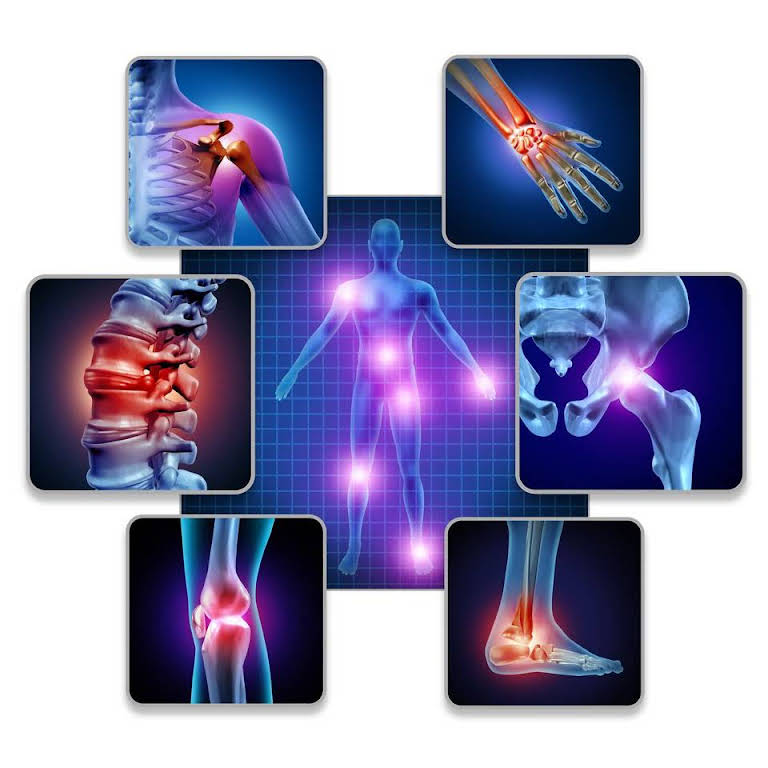
Understanding the mechanisms of pain: implications for pain management

Pain is a complex and subjective experience that affects millions of people worldwide. Pain can be acute or chronic, and it can have a profound impact on a person’s quality of life. Understanding the mechanisms of pain is critical for developing effective pain management strategies. In this article, we will explore the mechanisms of pain and their implications for pain management.

Types of pain

Pain can be classified into two broad categories: nociceptive pain and neuropathic pain. Nociceptive pain results from the activation of pain receptors (nociceptors) in response to tissue damage or inflammation. Neuropathic pain, on the other hand, results from damage or dysfunction in the nervous system itself.

Mechanisms of pain

The experience of pain involves a complex interplay between the peripheral nervous system (PNS) and the central nervous system (CNS). The PNS consists of the nerves that extend from the spinal cord to the rest of the body, while the CNS consists of the brain and spinal cord.

Peripheral mechanisms of pain

When tissue damage or inflammation occurs, nociceptors in the affected area are activated. These nociceptors transmit signals along sensory nerve fibers to the spinal cord. Once in the spinal cord, these signals are transmitted to the brain via a complex network of neurons. Along the way, the signals are modified by various mechanisms, including modulation by other neurons and the release of neurotransmitters.

Central mechanisms of pain

Once the pain signals reach the brain, they are interpreted as pain. The brain then sends signals back down the spinal cord to modulate the pain signals, which can either enhance or suppress the pain. This feedback loop can lead to the perception of pain even in the absence of ongoing tissue damage or inflammation.

Implications for pain management

Understanding the mechanisms of pain is essential for developing effective pain management strategies. Depending on the type and severity of the pain, various treatment options may be considered, including:

  • Medications: Medications such as nonsteroidal anti-inflammatory drugs (NSAIDs), opioids, and antidepressants can be effective in managing pain.
  • Physical therapy: Physical therapy can help alleviate pain by improving mobility, reducing inflammation, and strengthening muscles.
  • Nerve blocks: Nerve blocks involve injecting a local anesthetic into the nerves that transmit pain signals, thereby blocking the pain.
  • Cognitive-behavioral therapy (CBT): CBT can be effective in managing chronic pain by helping patients change their thoughts and behaviors related to pain.
  • Surgery: In some cases, surgery may be necessary to treat the underlying cause of the pain.

Pain is a complex and subjective experience that involves both peripheral and central mechanisms. Understanding the mechanisms of pain is critical for developing effective pain management strategies. Depending on the type and severity of the pain, various treatment options may be considered, including medications, physical therapy, nerve blocks, cognitive-behavioral therapy, and surgery. By working closely with healthcare professionals and adopting a multimodal approach to pain management, individuals can achieve better pain control and improve their quality of life.

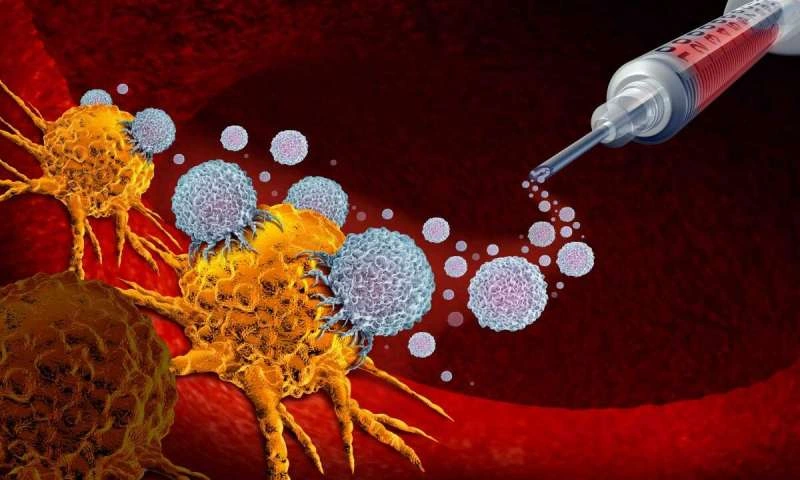
Cancer immunotherapy: from checkpoint inhibitors to CAR-T cell therapy

Cancer immunotherapy has emerged as a promising approach for treating various types of cancer. The idea behind immunotherapy is to use the body’s own immune system to fight cancer. Over the years, there have been several advancements in cancer immunotherapy, from checkpoint inhibitors to CAR-T cell therapy. In this article, we will explore these advancements and how they are changing the landscape of cancer treatment.

Checkpoint inhibitors,

Checkpoint inhibitors are a type of immunotherapy that work by targeting the checkpoints that prevent the immune system from attacking cancer cells. Checkpoints are proteins on the surface of immune cells that regulate their activity. Cancer cells often exploit these checkpoints to evade the immune system. Checkpoint inhibitors block these checkpoints, allowing the immune system to attack cancer cells.

The first checkpoint inhibitor, ipilimumab, was approved by the FDA in 2011 for the treatment of metastatic melanoma. Since then, several other checkpoint inhibitors have been developed, including pembrolizumab and nivolumab, which have shown promising results in the treatment of various types of cancer, including lung cancer, bladder cancer, and kidney cancer.

CAR-T cell therapy,

CAR-T cell therapy is a type of immunotherapy that involves genetically modifying a patient’s own immune cells to attack cancer cells. CAR-T cell therapy involves collecting T cells from the patient’s blood and modifying them in a laboratory to express chimeric antigen receptors (CARs) on their surface. These CARs allow the T cells to recognize and attack cancer cells.

CAR-T cell therapy has shown remarkable results in the treatment of certain types of cancer, such as leukemia and lymphoma. In 2017, the FDA approved the first CAR-T cell therapy, tisagenlecleucel, for the treatment of acute lymphoblastic leukemia (ALL) and diffuse large B-cell lymphoma (DLBCL).

Other advancements in cancer immunotherapy,

In addition to checkpoint inhibitors and CAR-T cell therapy, there have been other advancements in cancer immunotherapy, including:

  • Cancer vaccines: Cancer vaccines work by stimulating the immune system to recognize and attack cancer cells. There are currently several cancer vaccines in development, including vaccines for lung cancer, breast cancer, and melanoma.
  • Adoptive cell transfer: Adoptive cell transfer involves collecting immune cells from a patient and modifying them in a laboratory to enhance their ability to attack cancer cells. These modified cells are then infused back into the patient.
  • Oncolytic viruses: Oncolytic viruses are viruses that are designed to infect and kill cancer cells. These viruses are typically engineered to be safe for normal cells, but deadly to cancer cells.

Cancer immunotherapy has come a long way in the last decade, with advancements in checkpoint inhibitors, CAR-T cell therapy, cancer vaccines, adoptive cell transfer, and oncolytic viruses. These advancements offer new hope for patients with cancer and have the potential to revolutionize cancer treatment. While there are still many challenges to overcome, the future of cancer immunotherapy looks bright.