
loader

Month: May 2023

Emerging therapies: revolutionary breakthroughs in medical science
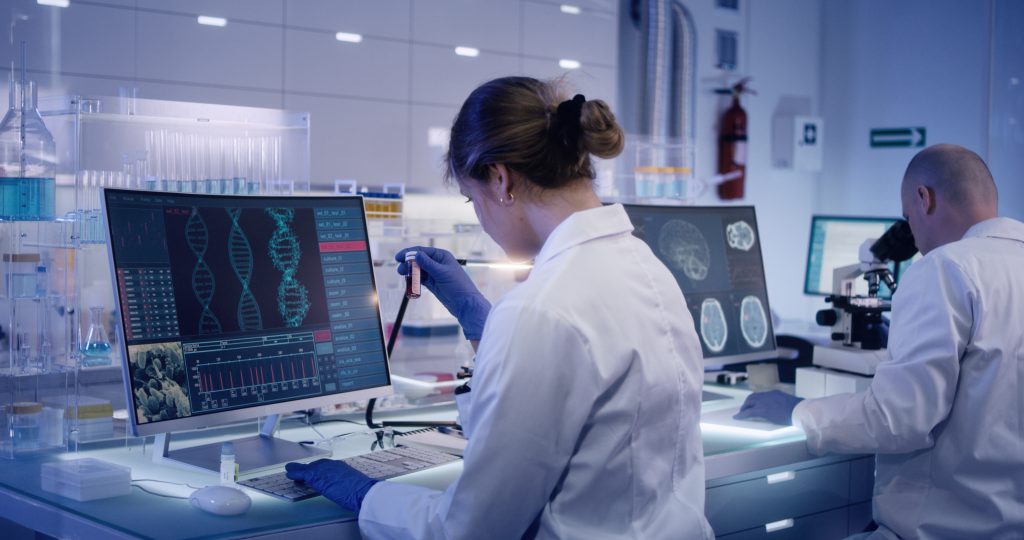
Medical science has witnessed remarkable progress over the years, leading to significant advancements in the diagnosis, treatment, and prevention of various diseases. From the discovery of antibiotics to the development of vaccines, these milestones have revolutionized healthcare. In recent times, the field of medicine has experienced a surge in emerging therapies that are pushing the boundaries of traditional treatment approaches. These revolutionary breakthroughs offer new hope for patients and hold the potential to transform the landscape of healthcare. In this article, we will explore some of the most promising emerging therapies that are making waves in the medical world.

  • Gene Editing: CRISPR-Cas9

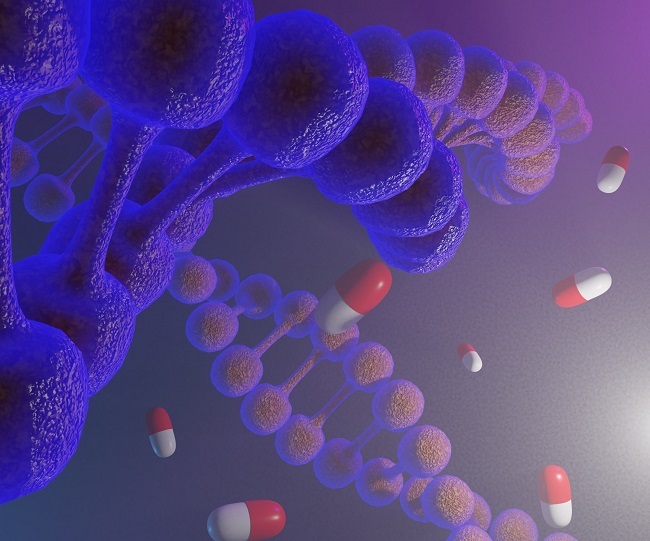
Gene editing technology, particularly CRISPR-Cas9, has emerged as a groundbreaking tool that allows scientists to precisely modify genes. CRISPR-Cas9 acts as molecular scissors, enabling the removal, addition, or alteration of DNA sequences within the genome. This technology holds immense potential in treating genetic disorders by correcting defective genes responsible for diseases. It has already shown promise in laboratory experiments and animal studies for conditions such as sickle cell anemia and muscular dystrophy. While challenges remain, including ethical considerations and potential off-target effects, gene editing holds great promise for personalized medicine and revolutionizing the treatment of genetic diseases.

  • Immunotherapy: Harnessing the Power of the Immune System

Immunotherapy is an innovative approach that harnesses the body’s immune system to fight diseases such as cancer. It includes techniques like immune checkpoint inhibitors, chimeric antigen receptor (CAR) T-cell therapy, and cancer vaccines. Immune checkpoint inhibitors work by blocking the proteins that prevent immune cells from attacking cancer cells. CAR T-cell therapy involves modifying a patient’s own immune cells to recognize and destroy cancer cells. These therapies have shown remarkable success in treating various cancers, such as melanoma, lung cancer, and leukemia. They have the potential to improve long-term survival rates and provide hope for patients with previously untreatable cancers.

  • Stem Cell Therapy: Regenerative Medicine

Stem cell therapy is a revolutionary field that focuses on using stem cells to repair or replace damaged tissues and organs. Stem cells possess the unique ability to differentiate into different cell types, making them ideal for regenerative medicine. Researchers are exploring their potential for treating conditions like Parkinson’s disease, spinal cord injuries, and heart disease. The use of induced pluripotent stem cells (iPSCs) allows for the creation of patient-specific cells, reducing the risk of immune rejection. While challenges such as cell rejection and ethical considerations persist, stem cell therapy holds tremendous promise for addressing diseases with limited treatment options.

  • Precision Medicine: Tailoring Treatment to Individuals

Precision medicine aims to provide customized healthcare by considering individual variability in genes, environment, and lifestyle. With the advent of advanced technologies such as genomic sequencing and molecular profiling, doctors can gain a deeper understanding of a patient’s unique characteristics and develop personalized treatment plans. This approach has been particularly successful in cancer treatment, where identifying specific genetic mutations helps in selecting targeted therapies. Precision medicine holds the potential to improve treatment outcomes, minimize adverse effects, and enhance patient quality of life across various medical conditions.

The emergence of revolutionary therapies in medical science has opened up new frontiers in healthcare, offering hope to patients who previously had limited treatment options. Gene editing, immunotherapy, stem cell therapy, and precision medicine are just a few examples of the remarkable breakthroughs that are transforming the medical landscape. While challenges and ethical considerations remain, these emerging therapies hold immense promise for addressing complex diseases and improving patient outcomes. As research continues and technology advances, we can look forward to a future where personalized, innovative therapies become commonplace, ensuring a brighter and healthier world for all.
Unraveling the mysteries of genetic disorders: A comprehensive exploration

Genetic disorders have long been a subject of fascination and intrigue. The complexities of our genetic makeup and the profound impact it has on our health have captivated scientists and researchers for decades. While great strides have been made in understanding genetic disorders, there is still much to learn. In this article, we will embark on a comprehensive exploration of genetic disorders, delving into their causes, manifestations, and the ongoing efforts to unravel their mysteries.

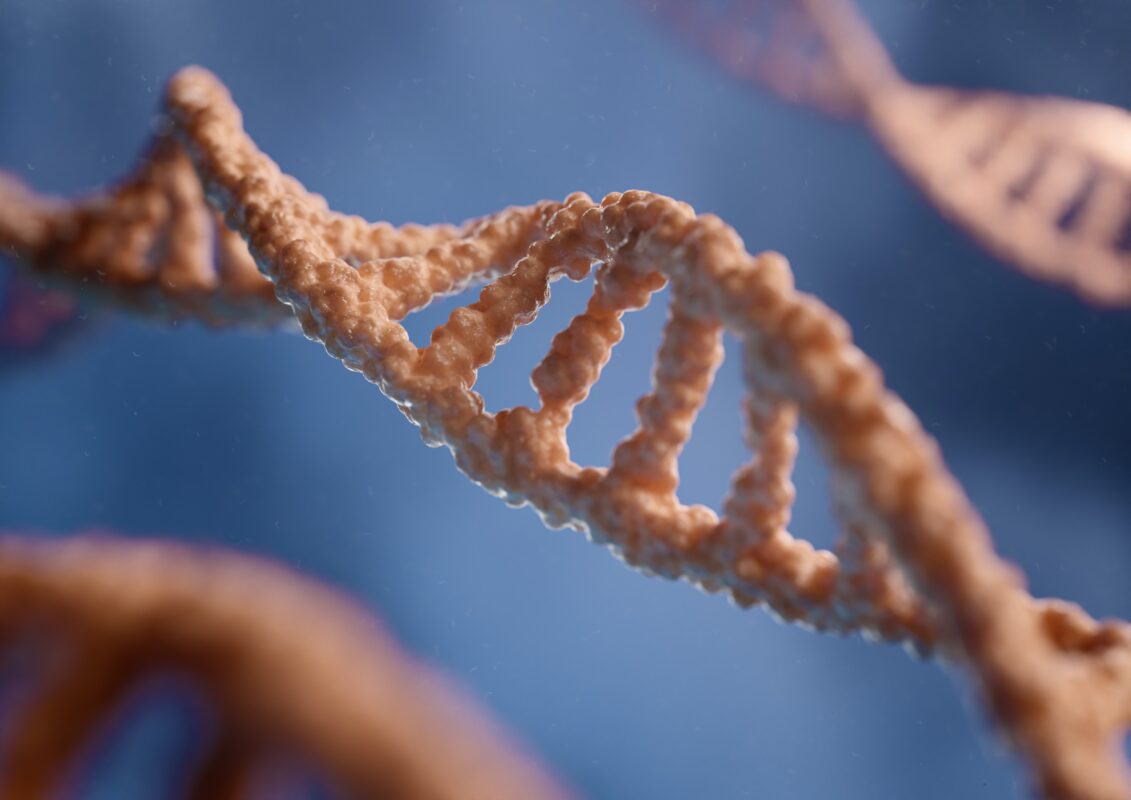
To understand genetic disorders, we must first grasp the basics of genetics. Our genetic information is encoded in the DNA molecules that make up our chromosomes. DNA, or deoxyribonucleic acid, contains the instructions necessary for the development and functioning of all living organisms. It is organized into genes, which are the specific segments of DNA responsible for producing proteins. These proteins play vital roles in the body, regulating various processes and ensuring proper functioning.

Genetic disorders occur when there are abnormalities or mutations in the DNA sequence. These mutations can arise spontaneously during development or be inherited from one or both parents. Some genetic disorders are caused by mutations in a single gene, while others involve complex interactions between multiple genes or a combination of genetic and environmental factors.

The manifestations of genetic disorders vary widely. Some genetic disorders are evident at birth or during early childhood, while others may not become apparent until later in life. The symptoms can range from mild to severe, affecting various body systems such as the cardiovascular, neurological, musculoskeletal, and immune systems. Some common genetic disorders include Down syndrome, cystic fibrosis, sickle cell anemia, Huntington’s disease, and muscular dystrophy, among many others.

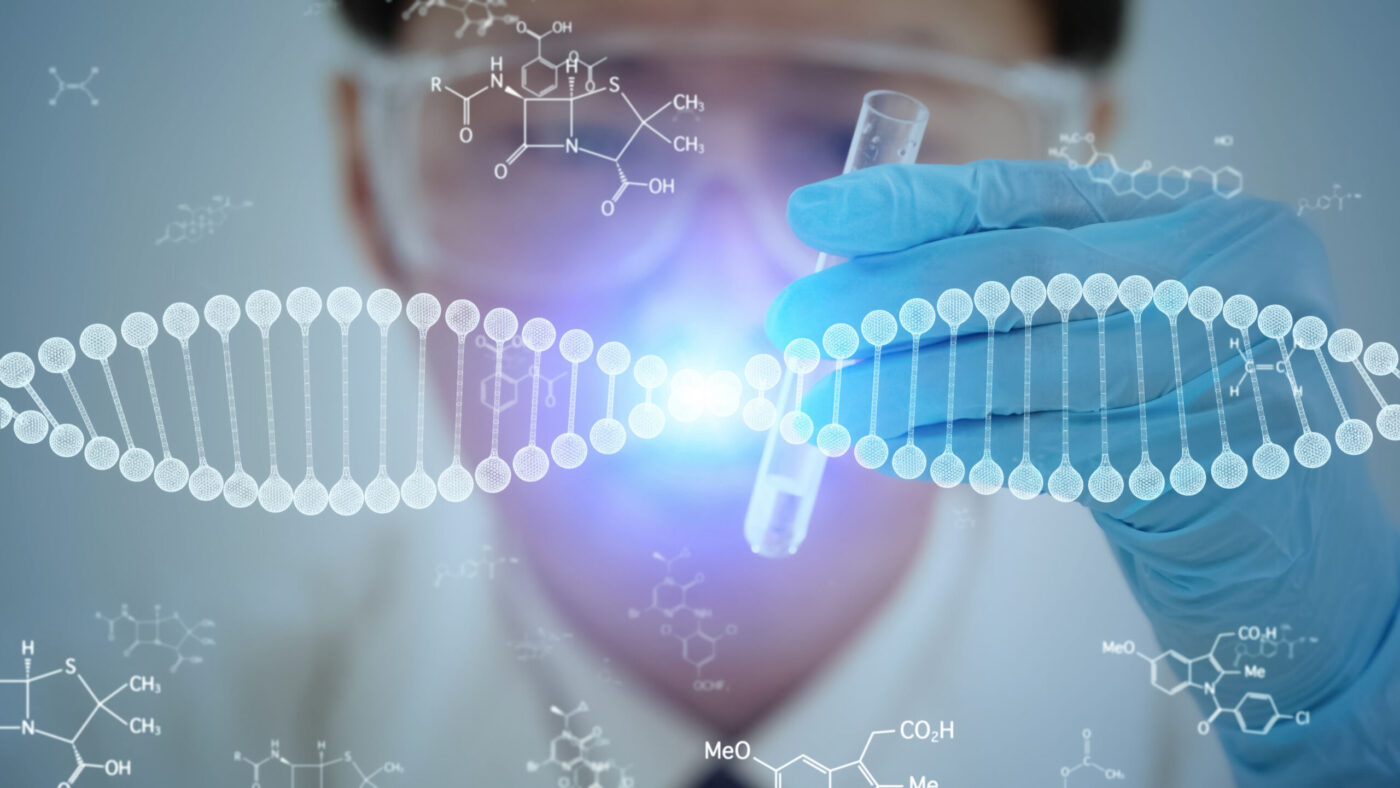
Advancements in genetic research have provided valuable insights into the underlying causes of genetic disorders. Scientists have developed powerful techniques for analyzing DNA, such as DNA sequencing, which allows for the identification of specific genetic mutations. This has enabled the discovery of numerous genes associated with various genetic disorders, paving the way for improved diagnostic methods and potential therapeutic interventions.

One of the most significant breakthroughs in recent years has been the advent of gene editing technologies, such as CRISPR-Cas9. This revolutionary tool enables scientists to precisely modify genes, offering the potential for correcting disease-causing mutations. While still in its early stages, gene editing holds immense promise for the treatment and prevention of genetic disorders. However, ethical considerations and careful regulation are crucial to ensure its responsible and equitable use.

The study of genetic disorders is a multidisciplinary endeavor. Geneticists, molecular biologists, clinicians, and other researchers collaborate to investigate the underlying mechanisms, develop diagnostic tools, and explore potential treatments. Furthermore, genetic counseling plays a vital role in supporting individuals and families affected by genetic disorders, providing them with information, guidance, and emotional support.

Research efforts are also focused on unraveling the complex interactions between genes and the environment. Environmental factors can influence gene expression and contribute to the development or exacerbation of genetic disorders. Understanding these interactions is essential for developing effective preventive strategies and personalized treatments tailored to individual genetic profiles.

Moreover, genetic research has broader implications beyond understanding genetic disorders. It has shed light on the fundamental workings of life itself, revealing the interconnectedness of all living organisms. By studying genetic variations among populations, scientists can trace human migration patterns, understand evolutionary processes, and gain insights into the origins of diseases.

The exploration of genetic disorders is an ongoing endeavor that combines scientific curiosity, technological advancements, and a commitment to improving human health. Although much progress has been made, there is still much to unravel. With each new discovery, we come closer to understanding the mysteries of our genetic makeup and the intricate web of factors that shape our health and well-being. As we continue to delve into the depths of our genetic code, the hope for improved

Advances in tissue engineering for organ replacement

Organ failure is a major cause of morbidity and mortality worldwide. The demand for donor organs far outweighs the supply, leading to long wait times for transplant patients. Advances in tissue engineering have shown promise in developing replacement organs using patient-derived cells and biomaterials. In this article, we will explore the current state of tissue engineering for organ replacement and the advances that have been made in this field.

Tissue engineering for organ replacement,

Tissue engineering is a multidisciplinary field that combines principles from engineering, biology, and medicine to develop biological substitutes for damaged or diseased tissues. This approach involves using patient-derived cells and biomaterials to create functional tissue constructs that can be used for organ replacement.

The process of tissue engineering for organ replacement involves several steps:

  1. Cell sourcing: Cells are sourced from the patient’s own body or from a donor. The cells are then expanded and prepared for use in the tissue engineering process.
  2. Scaffold fabrication: A scaffold is created using biomaterials that can support the growth and development of the tissue construct.
  3. Tissue engineering: The cells are seeded onto the scaffold and cultured in a controlled environment, allowing them to develop into functional tissue constructs.
  4. Transplantation: The tissue construct is transplanted into the patient, where it can integrate with the surrounding tissues and function as a replacement organ.

Advances in tissue engineering for organ replacement,

  1. 3D Printing: 3D printing technology has revolutionized the field of tissue engineering by allowing the creation of complex structures with precise dimensions. Researchers have used 3D printing to create scaffolds that mimic the structure and function of native tissues, such as the liver, heart, and lung.
  2. Biomaterials: The development of new biomaterials has also contributed to the advancement of tissue engineering. Researchers have developed biomaterials that can mimic the extracellular matrix of native tissues, providing a supportive environment for cell growth and tissue development.
  3. Stem cell technology: Stem cell technology has shown promise in tissue engineering for organ replacement. Researchers have used stem cells to create functional tissue constructs, such as heart muscle and liver tissue.
  4. Organ-on-a-chip technology: Organ-on-a-chip technology involves the use of microfluidic devices to create functional models of organs. These models can be used to study disease progression and drug toxicity, and can also be used to develop replacement organs.

Challenges and future directions,

Despite the advances made in tissue engineering for organ replacement, there are still several challenges that must be addressed. One of the biggest challenges is the lack of vascularization in the tissue constructs, which can limit their growth and function. Researchers are working on developing new strategies to promote vascularization in tissue constructs.

Another challenge is the immune response to the transplanted tissue construct. Researchers are exploring the use of immunomodulatory agents to prevent rejection and promote integration of the tissue construct with the surrounding tissues.

In the future, tissue engineering for organ replacement has the potential to transform the field of transplantation by providing patients with replacement organs that are tailored to their unique needs. The use of patient-derived cells and biomaterials can reduce the risk of rejection and improve patient outcomes. Advances in technology and biomaterials will continue to drive innovation in tissue engineering for organ replacement, paving the way for a new era of personalized medicine.

Integrative medicine: combining conventional and alternative therapies for holistic health

Integrative medicine is a holistic approach to healthcare that combines conventional medicine with complementary and alternative therapies. This approach focuses on treating the whole person, not just the disease or symptoms, and seeks to promote optimal health and wellness. Integrative medicine can be used to treat a wide range of conditions, from chronic pain and mental health disorders to cancer and cardiovascular disease. In this article, we will explore the benefits and principles of integrative medicine and how it can enhance conventional medical treatments.

Principles of integrative medicine

Integrative medicine is based on several principles that guide its approach to healthcare. These principles include:

  • Patient-centered care: Integrative medicine places the patient at the center of the healthcare experience. Practitioners take the time to listen to patients, understand their unique needs and concerns, and develop personalized treatment plans that address the root cause of their health issues.
  • Whole-person approach: Integrative medicine recognizes that health and wellness are not just physical but also emotional, social, and spiritual. Treatment plans take into account all aspects of a patient’s life and seek to support their overall well-being.
  • Evidence-informed: Integrative medicine integrates conventional medical treatments that have been proven effective with complementary and alternative therapies that have a growing body of scientific evidence supporting their use.
  • Collaborative care: Integrative medicine practitioners work collaboratively with other healthcare professionals to provide coordinated care that addresses all aspects of a patient’s health.

Benefits of integrative medicine

  • Enhances conventional medical treatments: Integrative medicine can enhance the effectiveness of conventional medical treatments by addressing the root causes of illness, reducing side effects, and improving patient outcomes.
  • Focuses on prevention: Integrative medicine focuses on prevention by promoting healthy lifestyle choices, such as proper nutrition, regular exercise, stress management, and avoiding harmful substances.
  • Reduces reliance on medication: Integrative medicine uses complementary and alternative therapies that can reduce the need for prescription medication, which can have harmful side effects.
  • Improves patient satisfaction: Integrative medicine takes a patient-centered approach that values the patient’s input and seeks to address their unique needs and concerns. This approach can improve patient satisfaction and engagement in their healthcare.

Examples of integrative therapies,

  • Acupuncture: Acupuncture is a traditional Chinese medicine practice that involves the insertion of thin needles into specific points on the body to promote healing and reduce pain.
  • Mind-body therapies: Mind-body therapies, such as meditation, yoga, and tai chi, focus on the connection between the mind, body, and spirit. These practices can reduce stress, improve sleep, and promote overall well-being.
  • Nutritional counseling: Nutritional counseling involves working with a healthcare professional to develop a healthy eating plan that supports optimal health and wellness.
  • Herbal medicine: Herbal medicine uses plant-based remedies, such as teas, supplements, and tinctures, to support healing and reduce symptoms.

Integrative medicine offers a holistic approach to healthcare that combines conventional medical treatments with complementary and alternative therapies. This approach can enhance the effectiveness of conventional treatments, promote prevention, reduce reliance on medication, and improve patient satisfaction. Integrative medicine is based on patient-centered care, a whole-person approach, evidence-informed practices, and collaborative care. By incorporating integrative therapies into conventional medical treatments, patients can benefit from a personalized approach to healthcare that supports optimal health and well-being.

Emerging strategies for HIV prevention and treatment: A promising future

Over the past few decades, tremendous progress has been made in the prevention and treatment of HIV (Human Immunodeficiency Virus), the virus that causes AIDS. However, the fight against HIV/AIDS is far from over. As researchers and healthcare professionals continue their efforts, new and innovative strategies are emerging that hold great promise in preventing the transmission and improving the treatment outcomes of HIV. In this article, we will explore some of these cutting-edge strategies that are reshaping the landscape of HIV prevention and treatment.

  1. Pre-exposure prophylaxis (PrEP)

Pre-Exposure Prophylaxis (PrEP) is a groundbreaking approach to HIV prevention that involves the use of antiretroviral drugs by individuals who are at high risk of contracting the virus. When taken consistently, PrEP significantly reduces the risk of HIV transmission. Traditionally, PrEP has been administered in the form of a daily pill. However, emerging strategies include long-acting injectable PrEP, which only needs to be administered every few months, providing convenience and potentially improving adherence rates.

  1. Treatment as prevention (TasP)

Treatment as Prevention (TasP), also known as “Undetectable = Untransmittable” (U=U), is an approach that highlights the fact that individuals living with HIV who are on effective antiretroviral therapy (ART) and have achieved and maintained an undetectable viral load cannot transmit the virus to others sexually. This realization has not only transformed the lives of people living with HIV, but it has also contributed to reducing the stigma surrounding the virus and promoting HIV testing and treatment uptake.

  1. Post-exposure prophylaxis (PEP)

Post-Exposure Prophylaxis (PEP) involves the administration of antiretroviral drugs to individuals shortly after potential exposure to HIV, such as through unprotected sex or needle-sharing. PEP is typically taken for 28 days and can significantly reduce the risk of HIV transmission if initiated promptly. Emerging strategies in PEP include the use of newer, more potent antiretroviral regimens and the exploration of alternative delivery methods, such as long-acting injectables, to improve accessibility and adherence.

  1. Treatment optimization

While antiretroviral therapy (ART) has transformed HIV from a life-threatening disease to a manageable chronic condition, ongoing research aims to optimize treatment outcomes further. This includes the development of novel drug combinations with improved efficacy, safety, and tolerability profiles. Additionally, efforts are being made to develop long-acting formulations, such as injectables or implants, which would eliminate the need for daily pill regimens and improve treatment adherence.

  1. HIV vaccines

The development of an effective HIV vaccine has been a long-standing goal in the field of HIV research. While the road to an HIV vaccine has been challenging, recent advancements have reignited optimism. Novel vaccine strategies, including mRNA-based vaccines and viral vector-based vaccines, are showing promising results in early-stage clinical trials. These emerging vaccine candidates aim to stimulate the immune system to produce a robust and long-lasting response against HIV, potentially providing both preventive and therapeutic benefits.

  1. Combination prevention approaches

Emerging strategies recognize the power of combining multiple prevention methods to maximize impact. This includes integrating biomedical interventions like PrEP, TasP, and PEP with behavioral interventions, such as promoting condom use, regular HIV testing, and education. Combination prevention approaches tailor interventions to the specific needs of individuals and populations, addressing both biological and behavioral factors that contribute to HIV transmission.

The ongoing progress in HIV prevention and treatment is inspiring, offering hope for a future where new HIV infections are rare, and those living with the virus can lead

Breaking the stigma: mental health awareness and education

Mental health is an essential component of overall well-being, yet it has long been plagued by stigma and misunderstanding. The negative perceptions surrounding mental health conditions often prevent individuals from seeking help and hinder open discussions about the topic. However, with increased awareness and education, we have the power to break the stigma associated with mental health. In this article, we will explore the importance of mental health awareness and education, its impact on individuals and communities, and the steps we can take to foster a more supportive and understanding society.

Understanding the stigma,

Stigma surrounding mental health stems from misconceptions, fear, and lack of knowledge. People with mental health conditions are often subjected to discrimination, isolation, and prejudice, leading to feelings of shame and discouragement. This stigma not only affects individuals directly experiencing mental health challenges but also creates barriers to treatment, support, and acceptance.

The importance of mental health awareness,

  • Encouraging help-seeking behavior: Mental health awareness campaigns play a vital role in encouraging individuals to seek help and support. By raising awareness about the signs and symptoms of mental health conditions, we can empower individuals to recognize when they or someone they know may need assistance. Early intervention and treatment significantly improve outcomes and promote recovery.
  • Reducing misunderstandings and stereotypes: Education helps dispel myths and misconceptions surrounding mental health conditions. By providing accurate information about the causes, prevalence, and treatments of mental health issues, we can challenge stigmatizing beliefs and stereotypes. This leads to greater empathy and understanding within society.
  • Promoting self-care and mental well-being: Mental health awareness emphasizes the importance of self-care and maintaining mental well-being. It encourages individuals to prioritize their mental health through practices like stress management, healthy coping strategies, and seeking support when needed. By promoting mental well-being as a fundamental aspect of overall health, we can foster a culture that values and supports mental health.

The impact of mental health education,

  • Empowering individuals: Education empowers individuals to recognize their own mental health needs and seek appropriate care. It equips them with the knowledge to identify warning signs, manage stress, and engage in self-care practices. With increased awareness, individuals can make informed decisions regarding their mental health and advocate for themselves.
  • Creating supportive environments: Mental health education helps create supportive environments within families, workplaces, schools, and communities. When people understand mental health conditions and their impact, they are more likely to offer empathy, provide support, and foster inclusive spaces for individuals with mental health challenges.
  • Breaking down barriers: Education breaks down the barriers that prevent individuals from seeking help. It normalizes conversations about mental health, making it easier for people to reach out for support without fear of judgment or discrimination. When more individuals understand mental health, it creates a ripple effect, reducing the overall stigma in society.

Steps to foster mental health awareness and education,

  • Promote open discussions: Encourage open conversations about mental health at home, schools, and workplaces. Create safe spaces where individuals feel comfortable sharing their experiences and concerns without fear of judgment.
  • Education in schools: Integrate mental health education into school curricula, teaching students about mental health, coping strategies, and the importance of seeking help. Training teachers and staff in recognizing signs of mental distress can also be beneficial.
  • Community programs and workshops: Organize community-based programs and workshops that focus on mental health awareness, providing accurate information, and addressing common misconceptions. These programs can empower individuals to support themselves and others.
  • Media representation: Encourage responsible and accurate representation of mental health in the media. Media platforms can play a crucial role in shaping public perceptions by showcasing diverse stories and experiences of individuals

Transforming drug discovery: the role of artificial intelligence

The process of discovering new drugs has traditionally been a complex and time-consuming endeavor, often taking years and costing billions of dollars. However, with the advent of artificial intelligence (AI), there is a tremendous opportunity to revolutionize the field of drug discovery. AI techniques, such as machine learning and data analytics, can significantly accelerate the identification of potential drug candidates, optimize their properties, and streamline the entire drug development process. In this article, we will explore the role of AI in drug discovery and discuss its impact on the future of pharmaceutical research.

Enhanced target identification and validation,

Identifying suitable drug targets is a critical step in the drug discovery process. AI algorithms can analyze vast amounts of biomedical data, including genetic information, protein structures, and disease pathways, to identify potential targets and assess their therapeutic relevance. By integrating data from various sources, AI models can uncover hidden patterns and relationships, providing researchers with valuable insights into the underlying mechanisms of diseases.

Efficient drug design and optimization

AI-driven approaches are transforming the way drugs are designed and optimized. Machine learning algorithms can analyze large datasets of chemical compounds, biological assays, and clinical data to predict the effectiveness and safety of potential drug candidates. These algorithms learn from historical data and can identify patterns that are often challenging to detect manually. As a result, AI can significantly expedite the process of identifying lead compounds with the highest likelihood of success, minimizing the need for costly and time-consuming experimental iterations.

Virtual screening and drug repurposing,

AI can facilitate virtual screening, a process that involves computationally analyzing large databases of molecules to identify those with the potential to interact with a specific target. By employing AI algorithms, researchers can rapidly screen millions of compounds, allowing them to prioritize the most promising candidates for further investigation. Furthermore, AI can also aid in drug repurposing, where existing drugs are evaluated for their potential to treat different diseases. By analyzing drug databases, genetic information, and clinical data, AI can identify novel therapeutic uses for approved drugs, accelerating the discovery of new treatment options.

Accelerating clinical trials,

Clinical trials are a crucial phase in drug development, but they often encounter challenges, such as recruitment delays and high costs. AI can address these issues by leveraging data analytics to identify suitable patient populations and optimize trial design. By analyzing electronic health records, genomics, and real-world data, AI algorithms can help identify patients who are more likely to respond positively to specific treatments, leading to more efficient and targeted clinical trials. Additionally, AI can support the monitoring of patient safety and enable early detection of adverse events, ensuring the overall success and safety of clinical trials.

Challenges and considerations,

While AI offers tremendous potential in drug discovery, several challenges and considerations need to be addressed:

  • Data quality and availability: AI algorithms heavily rely on high-quality, diverse, and well-curated data. Access to comprehensive and properly labeled datasets is crucial for training accurate models. Collaborations between researchers, healthcare providers, and pharmaceutical companies are necessary to ensure the availability of relevant data for AI applications.
  • Regulatory and ethical considerations: As AI becomes more integrated into drug discovery, regulatory frameworks must keep pace with technological advancements. Addressing issues related to data privacy, patient consent, and intellectual property will be crucial to build trust and ensure ethical practices in the field.
  • Human expertise and collaboration: AI is a powerful tool, but it should not replace human expertise. Close collaboration between AI experts, chemists, biologists, and clinicians is essential to validate AI-generated insights and make informed decisions throughout the drug discovery process.

Artificial intelligence has the potential to revolutionize drug discovery by accelerating target identification, facilitating drug design, enabling virtual screening, and optimizing clinical trials. By harnessing the power of

Enhancing elderly care through technology integration

As our society continues to age, the demand for quality elderly care is on the rise. With advancements in technology, there is an incredible opportunity to integrate these innovations into elderly care, enhancing the well-being and quality of life for older adults. From smart home devices to remote health monitoring systems, technology has the potential to revolutionize how we provide care and support to our elderly population. In this article, we will explore the benefits and challenges of integrating technology in elderly care and discuss some notable examples of technological advancements in this field.

Benefits of technology integration,

  • Promoting independence: Many older adults strive to maintain their independence and stay in their own homes as they age. Technology can play a crucial role in supporting their autonomy by providing tools and devices that assist with daily activities. Smart home devices, such as voice-activated assistants, automated lighting, and remote control systems, allow seniors to manage their environment easily. These technologies can enhance their mobility, safety, and convenience while ensuring a sense of control and independence.
  • Remote health monitoring: Technology enables real-time monitoring of vital signs, medication adherence, and overall health conditions remotely. Wearable devices, such as smartwatches and fitness trackers, can collect valuable health data and alert healthcare professionals or family members of any concerning changes. This proactive approach helps detect health issues earlier, reducing hospitalizations and enabling timely interventions.
  • Social connection and mental stimulation: Loneliness and social isolation are common challenges faced by many older adults. Technology offers various ways to bridge this gap by providing opportunities for social connection and mental stimulation. Video calling platforms, social media, and online communities enable seniors to connect with family and friends, engage in virtual activities, and participate in educational programs. Additionally, brain-training apps and digital games can help seniors maintain cognitive abilities and promote mental well-being.
  • Medication Management: The integration of technology simplifies medication management for elderly individuals who often take multiple prescriptions. Smart pill dispensers can be programmed to provide reminders, dispense medications at the right time, and send alerts to caregivers or healthcare providers if doses are missed. This technology reduces the risk of medication errors, enhances adherence, and ensures proper treatment.

Challenges and considerations,

While the benefits of technology integration in elderly care are significant, there are challenges that must be addressed:

  • Technological literacy: Many older adults may be unfamiliar with or hesitant to adopt new technologies. It is essential to provide user-friendly devices and comprehensive training programs to bridge the digital divide and empower seniors to use technology effectively.
  • Privacy and security: Protecting the privacy and security of personal health information is crucial when integrating technology in elderly care. Robust data encryption, secure communication channels, and strict privacy policies must be in place to safeguard sensitive information.
  • Accessibility and design: User interfaces should be intuitive and designed with seniors’ unique needs in mind. Considerations like larger font sizes, high contrast displays, and voice-controlled interfaces ensure technology is accessible and easy to use for older adults with visual or motor impairments.

Notable technological advancements,

  • Telehealth: Telehealth services enable seniors to receive medical consultations and advice remotely, reducing the need for in-person visits. Video conferencing platforms facilitate virtual appointments, allowing healthcare providers to assess patients, discuss symptoms, and prescribe medications when appropriate.
  • Fall detection systems: Fall detection devices equipped with motion sensors and algorithms can detect falls and automatically send alerts to caregivers or emergency services. These systems provide timely assistance and help minimize the risk of serious injuries for elderly individuals living alone.
  • Robotics and assistive devices: Robots and assistive devices are being developed to assist older adults with tasks such as lifting, mobility support, and household chores. These technologies aim to enhance independence, reduce

The Potential of nanomedicine in disease treatment

Nanomedicine, the application of nanotechnology in medicine, holds tremendous promise for revolutionizing disease treatment. By manipulating materials and devices at the nanoscale, researchers and scientists are developing innovative approaches to diagnose, treat, and prevent various diseases. This emerging field has the potential to overcome limitations in traditional therapies, enhance drug delivery systems, and improve patient outcomes. In this article, we will explore the potential of nanomedicine and its impact on disease treatment.

  • Targeted drug delivery: One of the key advantages of nanomedicine lies in its ability to precisely target specific cells, tissues, or organs. Nanoparticles can be engineered to carry therapeutic agents, such as drugs or genes, and deliver them directly to the site of disease. By selectively targeting diseased cells while sparing healthy ones, nanomedicine minimizes side effects and enhances the effectiveness of treatment. This targeted drug delivery approach has shown promise in cancer treatment, where nanoparticles can accumulate in tumors and deliver anticancer drugs directly to cancer cells.
  • Enhanced drug solubility and stability: Many drugs face challenges in solubility and stability, which can limit their efficacy. Nanoparticles can encapsulate hydrophobic drugs, improving their solubility and bioavailability. Furthermore, nanoparticles can protect drugs from degradation, extending their stability and allowing for controlled release. These advancements enable the delivery of drugs that were previously difficult to administer effectively, expanding the therapeutic options for various diseases.
  • Imaging and diagnostics: Nanomedicine offers significant advancements in imaging and diagnostics. Nanoparticles can be engineered with unique properties that enable precise imaging of tissues and organs. For example, quantum dots, which are semiconductor nanoparticles, emit bright and stable signals that can be detected using imaging techniques, providing high-resolution images for early disease detection. Additionally, nanosensors can be developed to detect specific biomarkers associated with diseases, enabling early diagnosis and personalized medicine.
  • Theranostics: The emerging field of theranostics combines therapy and diagnostics into a single approach. Nanoparticles can be designed to simultaneously deliver therapeutic agents and serve as imaging agents, allowing for real-time monitoring of treatment efficacy. This integration of therapy and diagnostics facilitates personalized medicine, where treatments can be tailored to individual patients based on their specific needs and responses to therapy.
  • Regenerative medicine: Nanotechnology plays a vital role in regenerative medicine, a field focused on repairing and regenerating damaged tissues and organs. Scaffold materials at the nanoscale can mimic the extracellular matrix, providing a three-dimensional structure that promotes cell growth and tissue regeneration. Nanoparticles can also be used to deliver growth factors, cytokines, and stem cells to enhance tissue repair and regeneration. These advancements hold promise in the treatment of conditions such as bone defects, spinal cord injuries, and cardiovascular diseases.
  • Antibacterial applications: With the rise of antibiotic-resistant bacteria, nanomedicine offers new approaches to combat infections. Nanoparticles can be functionalized with antimicrobial agents, such as silver or gold nanoparticles, to inhibit bacterial growth and destroy biofilms. Moreover, nanoparticles can be engineered to selectively target bacteria while sparing healthy cells, reducing the risk of collateral damage to the body’s microbiome.

While nanomedicine shows immense potential, several challenges remain to be addressed. These include ensuring the safety and biocompatibility of nanomaterials, understanding their long-term effects in the body, and optimizing large-scale production methods. Additionally, regulatory frameworks need to keep pace with the rapidly advancing field of nanomedicine to ensure the safe and effective translation of nanotechnologies into clinical practice.

Nanomedicine represents a frontier in disease treatment, offering new possibilities for targeted drug delivery, enhanced diagnostics, regenerative medicine, and antibacterial applications

Mental health in the digital age: challenges and opportunities

The advent of the digital age has brought about remarkable advancements in technology, transforming the way we live, work, and communicate. While these advancements have undoubtedly improved many aspects of our lives, they have also presented new challenges for mental health. The constant connectivity, information overload, and increased reliance on digital platforms have given rise to unique mental health concerns. However, the digital age also offers a range of opportunities for promoting mental well-being and providing support. In this article, we will explore the challenges and opportunities that arise in the intersection of mental health and the digital age.

Challenges:

  • Information overload: With an abundance of information available at our fingertips, individuals may feel overwhelmed and find it challenging to filter through the vast amount of content. This can lead to increased stress, anxiety, and difficulty focusing, impacting mental well-being.
  • Social media and comparison: Social media platforms have become a prominent part of daily life, allowing people to connect and share experiences. However, constant exposure to carefully curated posts and images may contribute to feelings of inadequacy and self-comparison, potentially leading to low self-esteem and depressive symptoms.
  • Cyberbullying and online harassment: The anonymity and distance provided by digital platforms can facilitate cyberbullying and online harassment. These negative experiences can have a significant impact on mental health, leading to increased stress, anxiety, and even depression.
  • Sedentary lifestyle: The digital age has also led to a more sedentary lifestyle, with increased screen time and decreased physical activity. This lack of exercise and outdoor time can have adverse effects on mental health, as physical activity is known to be beneficial for managing stress and improving mood.

Opportunities:

  • Increased access to information and resources: The digital age has made information and resources on mental health more accessible than ever before. Websites, online communities, and mobile applications provide individuals with a wealth of knowledge, self-help tools, and resources for seeking professional help.
  • Teletherapy and digital mental health services: Digital platforms have revolutionized mental health care by enabling remote therapy sessions, known as teletherapy. This technology allows individuals to access therapy from the comfort of their own homes, reducing barriers such as distance, transportation, and stigma. Additionally, various digital mental health services and applications offer support, mindfulness exercises, and cognitive-behavioral therapy tools to manage stress and improve well-being.
  • Online support communities: The digital age has facilitated the creation of online communities and support networks where individuals can connect with others who share similar experiences. These communities provide a sense of belonging, understanding, and peer support, helping to reduce feelings of isolation and providing avenues for emotional expression.
  • Mental health awareness and education: Social media and online platforms have become powerful tools for raising awareness and educating the public about mental health. Influencers, organizations, and individuals share personal stories, information, and resources, reducing the stigma surrounding mental health and encouraging open conversations.
  • Digital tracking and monitoring: Wearable devices and mobile applications now offer tools for tracking and monitoring mental health indicators such as sleep patterns, mood fluctuations, and stress levels. These digital tools can provide individuals with insights into their well-being, empowering them to make informed decisions and seek appropriate support when needed.

The digital age presents both challenges and opportunities for mental health. While the constant connectivity and information overload can impact mental well-being, digital platforms also offer avenues for access to information, support communities, teletherapy, and mental health tools. By harnessing the power of the digital age mindfully, we can maximize its potential to support mental health, raise awareness, and create a more compassionate and inclusive society.