
loader

Month: June 2023

The consequences of substance abuse on brain structure and function

Substance abuse is a significant public health concern, with far-reaching consequences that extend beyond physical and mental health. One of the most profound effects of substance abuse is its impact on the structure and function of the human brain. Whether it is alcohol, nicotine, opioids, stimulants, or other illicit substances, the misuse of these substances can lead to detrimental changes in the brain that can have lasting consequences. Understanding these effects is crucial in developing effective prevention and treatment strategies. In this article, we delve into the consequences of substance abuse on brain structure and function.

  • Neurotransmitter imbalance: Substances of abuse can disrupt the delicate balance of neurotransmitters in the brain. For instance, alcohol and certain drugs increase the release of dopamine, a neurotransmitter associated with pleasure and reward. This flood of dopamine can lead to the reinforcement of substance abuse behavior. Over time, the brain may become less responsive to natural rewards, leading to an increased craving for the substance.
  • Structural changes: Substance abuse can cause structural changes in the brain, particularly in areas associated with reward, learning, and memory. Chronic alcohol use, for example, can result in the shrinking of the prefrontal cortex, a region responsible for decision-making and impulse control. Long-term drug use can also impact the hippocampus, impairing memory and learning abilities. These structural changes can persist even after a person achieves sobriety, making relapse more likely.
  • Disrupted brain circuits: The brain operates through intricate circuits that allow for smooth communication between different regions. Substance abuse can disrupt these circuits, hindering proper brain functioning. Drug abuse, such as that seen with methamphetamine or cocaine, can overstimulate the brain’s reward system, leading to abnormal patterns of communication between the limbic system and the prefrontal cortex. This disruption can contribute to impaired judgment, impulsivity, and emotional instability.
  • Impaired cognitive abilities: Substance abuse can have detrimental effects on cognitive abilities. Chronic drug use can impair attention, decision-making, and problem-solving skills. These cognitive deficits can have a profound impact on daily life, including academic or occupational performance. Additionally, substance abuse during critical periods of brain development, such as adolescence, can result in long-lasting cognitive impairments that persist into adulthood.
  • Increased risk of mental health disorders: Substance abuse and mental health disorders often coexist and can exacerbate one another. Prolonged substance abuse can increase the risk of developing mental health conditions such as anxiety, depression, and psychosis. These conditions can further complicate the brain’s functioning and worsen the overall well-being of individuals struggling with substance abuse.

The consequences of substance abuse on brain structure and function are profound and wide-ranging. The misuse of substances can disrupt neurotransmitter balance, cause structural changes, disrupt brain circuits, impair cognitive abilities, and increase the risk of mental health disorders. Understanding these consequences is crucial for developing effective prevention and treatment strategies that address both the physiological and psychological aspects of substance abuse. By prioritizing education, early intervention, and comprehensive support systems, we can mitigate the damaging effects of substance abuse on the brain and improve the prospects for individuals seeking recovery and a healthier future.


Tackling childhood obesity: strategies for prevention and intervention

Childhood obesity has reached epidemic proportions in many parts of the world, posing a significant threat to the health and well-being of children. The consequences of obesity during childhood can extend into adulthood, increasing the risk of chronic diseases and reducing the quality of life. Addressing this global issue requires a comprehensive approach that focuses on prevention and intervention strategies. In this article, we explore the importance of tackling childhood obesity, examine its causes, and discuss effective strategies for prevention and intervention.

  • Understanding the causes of childhood obesity:
  1. Poor diet: Consumption of energy-dense, nutrient-poor foods high in sugar, saturated fats, and salt contribute to weight gain and obesity. Increased access to unhealthy processed foods and sugary beverages, coupled with a decline in the consumption of fruits, vegetables, and whole grains, has played a significant role in the obesity epidemic.
  2. Sedentary lifestyle: The prevalence of sedentary behaviors, such as excessive screen time and a decrease in physical activity, has contributed to the rise in childhood obesity. Factors such as reduced opportunities for active play, increased reliance on technology, and limited access to safe outdoor spaces have led to a decline in physical activity levels.
  3. Environmental factors: The physical and social environment plays a role in shaping children’s eating and activity behaviors. Factors such as the availability of healthy food options in schools and communities, marketing of unhealthy foods targeted at children, and socioeconomic disparities influence the development of obesity.
  • Prevention strategies:
  1. Health education and awareness: Promoting health education programs that focus on nutrition, healthy eating habits, portion control, and the importance of physical activity can help children and their families make informed choices and adopt healthier lifestyles.
  2. School-based interventions: Schools play a crucial role in promoting healthy behaviors. Implementing comprehensive nutrition education, providing nutritious school meals, offering physical education classes, and creating supportive environments that discourage the consumption of unhealthy foods can positively impact children’s health.
  3. Community engagement: Engaging communities in efforts to combat childhood obesity is essential. Initiatives such as community gardens, farmer’s markets, and active transportation programs can increase access to fresh and healthy foods, encourage physical activity, and foster a sense of community ownership in addressing the issue.
  • Intervention strategies:
  1. Family-based approaches: Involving parents and caregivers in interventions is crucial for success. Providing education on healthy eating, promoting family meals, encouraging regular physical activity, and fostering a supportive home environment can significantly impact a child’s weight and overall health.
  2. Healthcare provider involvement: Healthcare providers have a unique opportunity to identify and address childhood obesity. Regular screenings, counseling on healthy lifestyle behaviors, and referrals to nutritionists or dietitians can support children and families in making positive changes.
  3. Policy changes: Implementing policies at the local, national, and international levels can have a broad impact on childhood obesity. Measures such as restrictions on marketing unhealthy foods to children, taxation on sugary beverages, and improved nutrition labeling can create an environment that promotes healthier choices.
  • Multi-sectoral collaboration:

Addressing childhood obesity requires collaboration among various sectors, including healthcare, education, government, community organizations, and the food industry. By working together, stakeholders can share resources, expertise, and experiences to develop holistic approaches that effectively prevent and treat childhood obesity.

Tackling childhood obesity is a complex issue that demands a comprehensive and multi-faceted approach. By focusing on prevention strategies, such as health education, school-based interventions, and community engagement, we can lay the foundation for healthier lifestyles. Additionally, effective intervention strategies involving families, healthcare providers, and policy changes can help children already affected by obesity. With collaborative efforts across sectors, we can empower children and families to make healthier choices, creating a future where childhood obesity is no longer a widespread public health concern.

The growing threat of antibiotic-resistant superbugs

Antibiotics have long been hailed as miracle drugs, saving countless lives by combating bacterial infections. However, the emergence and spread of antibiotic-resistant superbugs pose a significant threat to global health. These resilient bacteria, no longer responsive to the drugs that once effectively treated them, present a formidable challenge for healthcare systems worldwide. In this article, we delve into the alarming rise of antibiotic resistance, explore its causes, and emphasize the urgent need for collaborative action to combat this growing menace.

  • The Rise of antibiotic resistance:

Antibiotic resistance occurs when bacteria adapt and develop mechanisms to withstand the effects of antibiotics. Over time, the misuse and overuse of antibiotics have contributed to the selection of resistant strains, allowing them to survive and multiply. This has led to a rise in infections caused by superbugs such as methicillin-resistant Staphylococcus aureus (MRSA), vancomycin-resistant Enterococcus (VRE), and extended-spectrum beta-lactamase (ESBL)-producing bacteria.

  • Causes of antibiotic resistance:
  1. Misuse and overuse: Inappropriate use of antibiotics, including unnecessary prescriptions, inadequate dosing, and failure to complete prescribed courses, contribute to the development of resistance. This misuse occurs in healthcare settings, agriculture, and even through self-medication.
  2. Agricultural practices: The use of antibiotics in animal agriculture for growth promotion and disease prevention has been a significant contributor to antibiotic resistance. The transfer of resistant bacteria from animals to humans through food consumption or direct contact poses a serious public health risk.
  3. Global Travel and Medical Tourism: The ease of global travel and medical tourism has facilitated the spread of antibiotic-resistant bacteria across borders. Resistant strains can be carried by individuals unknowingly, leading to the introduction of superbugs in new regions.
  • Implications and consequences:

The consequences of antibiotic resistance are profound and far-reaching. The effectiveness of antibiotics, a cornerstone of modern medicine, is increasingly compromised, leading to prolonged illnesses, increased mortality rates, and higher healthcare costs. Routine surgeries, cancer treatments, and childbirth become riskier as infections become harder to treat. In a post-antibiotic era, common infections could become life-threatening once again.

  • Addressing the Crisis:
  1. Responsible antibiotic use: Promoting appropriate and responsible antibiotic use is essential in reducing the emergence and spread of resistant bacteria. This involves education campaigns for both healthcare providers and the general public, emphasizing the importance of using antibiotics only when necessary, adhering to prescribed regimens, and avoiding self-medication.
  2. Infection prevention and control: Strengthening infection prevention and control measures within healthcare settings is crucial in curbing the spread of antibiotic-resistant bacteria. This includes strict adherence to hand hygiene protocols, effective sterilization techniques, and appropriate isolation procedures for infected patients.
  3. Surveillance and monitoring: Enhanced surveillance systems are vital for tracking the prevalence and patterns of antibiotic resistance. By closely monitoring resistant strains, healthcare providers can tailor treatment protocols and identify emerging resistance trends promptly.
  4. Research and development: Investment in research and development for new antibiotics and alternative treatment strategies is imperative. The development of novel antimicrobial agents, vaccines, and innovative therapies can help overcome resistance mechanisms and provide effective solutions for the future.
  • International collaboration and policy changes:

Addressing antibiotic resistance requires a global response, with collaboration between governments, healthcare systems, researchers, and international organizations. Concerted efforts are needed to establish and enforce policies that regulate antibiotic use in healthcare, agriculture, and veterinary practices. International agreements and guidelines must be implemented to promote responsible antibiotic stewardship and foster innovation in the field.

The rise of antibiotic-resistant superbugs poses a grave threat to public health and calls for urgent and collective action. Combating antibiotic resistance requires a multifaceted approach, encompassing responsible antibiotic use, infection prevention and control measures, surveillance, research, and international collaboration. It is crucial that healthcare providers, policymakers, and the general public work together to preserve the efficacy of antibiotics and ensure a sustainable future where effective treatments against bacterial infections remain available to all. Failure to address this crisis could usher in an era where common infections become untreatable, leading to dire consequences for global health and well-being.

Addressing the global burden of HIV/AIDS: advances in prevention and treatment

For decades, the human immunodeficiency virus (HIV) and acquired immunodeficiency syndrome (AIDS) have posed a significant global health challenge. The impact of this epidemic has been far-reaching, affecting millions of people and communities worldwide. However, remarkable progress has been made in the prevention and treatment of HIV/AIDS, offering hope for a future free from this devastating disease. This article explores the advances made in addressing the global burden of HIV/AIDS, focusing on both prevention strategies and breakthroughs in treatment options.

  • Prevention: empowering communities and individuals:

Preventing new HIV infections is essential to curbing the epidemic. To achieve this, comprehensive prevention strategies have been developed, emphasizing education, community engagement, and access to essential resources. Awareness campaigns and educational programs have played a crucial role in disseminating information about HIV transmission, risk reduction, and the importance of regular testing. Additionally, the availability and widespread distribution of condoms, pre-exposure prophylaxis (PrEP), and needle exchange programs have helped reduce the risk of HIV transmission among high-risk populations.

  • Treatment as prevention:

The concept of “treatment as prevention” has revolutionized the fight against HIV/AIDS. Antiretroviral therapy (ART) has proven to be a highly effective treatment, not only improving the health and quality of life for those living with HIV but also reducing the risk of transmission to others. By suppressing the virus to undetectable levels in the bloodstream, individuals on ART are significantly less likely to transmit HIV to their sexual partners. This breakthrough has the potential to play a vital role in reducing new HIV infections globally.

  • Innovations in treatment:

Advances in medical research and drug development have led to the emergence of new and more effective antiretroviral medications. These medications not only offer improved treatment outcomes but also provide more convenient dosing regimens, reduced side effects, and increased treatment adherence. Novel drug classes, such as integrase inhibitors and long-acting injectables, are transforming the landscape of HIV treatment, offering options that cater to diverse patient needs. Furthermore, ongoing research into HIV vaccines holds promise for preventing new infections altogether.

  • Combating stigma and discrimination:

Addressing the global burden of HIV/AIDS requires addressing the social and structural barriers that perpetuate stigma and discrimination against those living with the virus. Discrimination can hinder access to testing, treatment, and support services, further exacerbating the epidemic. Efforts to combat stigma involve promoting understanding and empathy, challenging misconceptions, and advocating for the rights and dignity of individuals affected by HIV/AIDS. By fostering an inclusive and supportive environment, communities can play a vital role in reducing the impact of HIV/AIDS.

  • Global collaboration and funding:

The fight against HIV/AIDS demands continued global collaboration and sustained financial investment. International partnerships, governmental commitments, and funding initiatives have played a pivotal role in expanding access to prevention and treatment services. Organizations such as the Joint United Nations Programme on HIV/AIDS (UNAIDS) and the Global Fund to Fight AIDS, Tuberculosis, and Malaria have been instrumental in mobilizing resources and supporting countries in their efforts to combat the epidemic. Continued commitment from governments, philanthropic organizations, and the private sector is crucial to maintain and expand the progress achieved thus far.

While the global burden of HIV/AIDS remains a significant challenge, significant progress has been made in prevention and treatment strategies. The advances in prevention, including comprehensive education, access to resources, and innovative prevention tools, have helped reduce new infections. Meanwhile, breakthroughs in treatment options, along with the concept of treatment as prevention, have transformed the lives of individuals living with HIV and contributed to a decline in transmission rates. However, addressing the remaining challenges of stigma, discrimination, and access to care requires ongoing commitment and collaboration at all levels. With continued global efforts, it is within our reach to achieve an AIDS-free future, where individuals can live healthy, fulfilling lives, free from the burden of HIV/AIDS.

Palliative care and end-of-life decision making: enhancing quality of life

The journey towards the end of life can be a challenging and emotionally charged time for individuals and their loved ones. In these circumstances, palliative care plays a crucial role in providing comprehensive support and enhancing the quality of life for those facing life-limiting illnesses. By addressing physical, emotional, and spiritual needs, and facilitating end-of-life decision making, palliative care offers comfort, dignity, and a sense of control during this sensitive period.

Understanding palliative care:

Palliative care is a specialized approach to healthcare that focuses on improving the quality of life for individuals with serious illnesses. It is not limited to end-of-life care but can be initiated at any stage of a life-limiting illness. The goal of palliative care is to manage pain and other distressing symptoms, provide emotional and psychosocial support, and address spiritual needs. Palliative care teams typically consist of healthcare professionals, such as doctors, nurses, social workers, and chaplains, who work collaboratively to meet the holistic needs of patients and their families.

Enhancing quality of life:

  • Pain and symptom management: Palliative care places a strong emphasis on pain and symptom management. The interdisciplinary team works closely with patients to assess and address physical symptoms, such as pain, nausea, and shortness of breath. Through the use of medications, therapeutic interventions, and other supportive measures, palliative care aims to alleviate suffering and improve overall comfort.
  • Emotional and psychosocial support: Dealing with a life-limiting illness can evoke a range of emotions, including fear, anxiety, sadness, and grief. Palliative care provides emotional and psychosocial support to patients and their families, offering counseling, therapy, and support groups. These interventions help individuals navigate their emotional journey, process difficult emotions, and find a sense of peace and acceptance.
  • Communication and decision making: End-of-life decision making is a sensitive and complex process. Palliative care teams facilitate open and honest conversations about prognosis, treatment options, and goals of care. They provide individuals with the information needed to make informed decisions based on their values, preferences, and personal goals. These discussions often involve exploring advance care planning, such as living wills and healthcare proxies, to ensure that the individual’s wishes are respected.
  • Spiritual and existential support: Palliative care acknowledges the importance of addressing spiritual and existential concerns. Chaplains or spiritual counselors are available to provide guidance, comfort, and support, respecting the diverse beliefs and values of individuals. This dimension of care helps patients find meaning, cope with existential questions, and achieve a sense of peace and closure.

Promoting dignity and autonomy:

Palliative care prioritizes the principles of dignity and autonomy, empowering individuals to make decisions that align with their values and goals. It recognizes that every person’s experience is unique, and tailors care to meet their specific needs and preferences. By providing a supportive and compassionate environment, palliative care allows individuals to maintain control over their lives, express their desires, and participate in decisions that impact their care.

Supporting loved ones:

Palliative care extends support to the family members and loved ones of patients as well. Recognizing the emotional toll of caregiving, palliative care teams offer counseling, respite care, and bereavement support. These services help families navigate the challenges of caring for a loved one with a life-limiting illness and provide ongoing support during the grieving process.

Palliative care plays a vital role in enhancing the quality of life for individuals with life-limiting illnesses. By addressing physical, emotional, and spiritual needs, palliative care teams provide comprehensive support and comfort, ensuring that individuals and their loved ones can make informed decisions and find solace during this vulnerable time. By embracing the principles of dignity, autonomy, and compassionate care, palliative care promotes a sense of peace, respect, and enhanced quality of life for all involved.

The rising prevalence of autoimmune disorders: understanding the immune system

In recent years, there has been a significant increase in the prevalence of autoimmune disorders. These conditions, characterized by an overactive immune system that mistakenly attacks the body’s own cells and tissues, can lead to chronic inflammation and a range of debilitating symptoms. As researchers delve deeper into understanding the immune system, they are uncovering the complexities behind the rise in autoimmune disorders and the potential factors contributing to this alarming trend.

The immune system is a complex network of cells, tissues, and organs that work together to defend the body against harmful substances and pathogens. Its primary function is to distinguish between self and non-self, identifying and eliminating any foreign invaders that pose a threat to the body. Normally, the immune system functions smoothly, effectively eradicating infections and promoting overall health. However, in the case of autoimmune disorders, this delicate balance is disrupted, leading to the immune system mistakenly targeting healthy cells and tissues.

The causes of autoimmune disorders are multifactorial and not yet fully understood. Genetic factors play a significant role, as certain genes are associated with an increased risk of developing these conditions. However, it is important to note that genetics alone do not determine the onset of autoimmune disorders. Environmental triggers, such as infections, exposure to certain chemicals or toxins, hormonal imbalances, and even dietary factors, may also contribute to the development of these disorders.

One theory behind the rising prevalence of autoimmune disorders is the hygiene hypothesis. This hypothesis suggests that improvements in sanitation and hygiene practices in modern societies have led to a decrease in exposure to infectious agents during early childhood. As a result, the immune system may not be sufficiently stimulated and trained to differentiate between harmless substances and genuine threats. Consequently, it becomes more prone to mounting inappropriate immune responses, increasing the risk of autoimmune disorders.

Another factor that has gained attention in recent years is the impact of the gut microbiome on immune function. The gut microbiome consists of trillions of bacteria and other microorganisms that reside in the digestive tract. Emerging research suggests that disruptions in the balance of these microorganisms, often caused by factors like a poor diet, overuse of antibiotics, and chronic stress, can contribute to immune dysregulation and the development of autoimmune disorders. Understanding the intricate relationship between the gut microbiome and the immune system could provide valuable insights into preventing and treating these conditions.

Furthermore, the role of chronic inflammation in autoimmune disorders cannot be overlooked. While inflammation is a normal immune response, chronic and sustained inflammation can lead to tissue damage and contribute to the development of autoimmune conditions. Unhealthy lifestyle choices, including a sedentary lifestyle, poor diet, and chronic stress, can promote inflammation in the body. Consequently, adopting a healthy lifestyle that includes regular exercise, a balanced diet, and stress management techniques can help reduce inflammation and potentially lower the risk of autoimmune disorders.

Addressing the rising prevalence of autoimmune disorders requires a comprehensive approach. Advancements in research are crucial for a better understanding of the underlying mechanisms and risk factors involved. Moreover, efforts to promote public awareness and education about autoimmune disorders can lead to early detection and intervention, improving patient outcomes. Additionally, adopting a holistic approach to healthcare that focuses on the interplay between genetics, environment, lifestyle, and the immune system may help mitigate the risk and impact of autoimmune disorders.

In conclusion, the increasing prevalence of autoimmune disorders is a concerning trend that necessitates further investigation and action. Understanding the intricacies of the immune system, including genetic factors, environmental triggers, the gut microbiome, and chronic inflammation, can provide valuable insights into the development and management of these conditions. By promoting research, raising awareness, and adopting a holistic approach to healthcare, we can strive towards better prevention, diagnosis, and treatment of autoimmune disorders, ultimately improving the quality of life for those affected by these complex conditions.

Breaking the silence: addressing mental health in the workplace

In recent years, there has been a growing recognition of the importance of mental health and its impact on overall well-being. The workplace, where individuals spend a significant portion of their time, plays a crucial role in shaping mental health. However, for far too long, mental health has been a silent struggle, with many employees suffering in silence due to fear, stigma, and a lack of support. It is high time that we break this silence and address mental health in the workplace head-on.

Mental health issues affect individuals from all walks of life, regardless of their profession or status. The workplace can be a breeding ground for stress, burnout, anxiety, and depression. Long working hours, heavy workloads, interpersonal conflicts, and a lack of work-life balance can all contribute to the deterioration of mental health. Ignoring these issues not only affects individuals but also hampers productivity, creativity, and the overall success of organizations.

One of the biggest barriers to addressing mental health in the workplace is the stigma associated with it. Mental health problems are often misunderstood or dismissed as a sign of weakness. This misconception prevents employees from seeking help and discussing their challenges openly. To combat this, organizations must foster a culture of empathy, understanding, and acceptance. This can be achieved through awareness campaigns, training programs, and creating safe spaces for open conversations about mental health.

Another crucial aspect of addressing mental health in the workplace is providing adequate support and resources. Employers should invest in mental health initiatives, such as employee assistance programs, counseling services, and access to mental health professionals. Additionally, flexible work arrangements, reasonable workloads, and opportunities for self-care can significantly contribute to maintaining good mental well-being. By prioritizing mental health, organizations not only show their commitment to the well-being of their employees but also create a positive and supportive work environment.

Leadership also plays a pivotal role in addressing mental health in the workplace. Managers and supervisors should be trained to recognize the signs of mental distress and equipped with the skills to offer support and resources. They should encourage open communication, actively listen to their employees’ concerns, and promote a healthy work-life balance. By leading by example, managers can break down the barriers and normalize discussions around mental health.

Furthermore, organizations must strive to reduce the sources of stress and promote a healthy work environment. This can involve implementing policies that address work-related stressors, fostering a positive organizational culture, and promoting work-life balance. Encouraging regular breaks, physical exercise, and promoting a healthy lifestyle can also have a significant impact on overall mental well-being.

Breaking the silence on mental health in the workplace requires a collective effort from employers, employees, and society as a whole. Governments can play a crucial role by enacting legislation that protects employees’ mental health rights and ensures that workplaces prioritize mental well-being. Additionally, society must challenge the stigma surrounding mental health and support initiatives that promote mental health awareness and education.

Addressing mental health in the workplace is not just a moral imperative; it is also a strategic investment. When employees feel supported, valued, and mentally well, they are more likely to be engaged, productive, and loyal to their organizations. Prioritizing mental health can lead to reduced absenteeism, higher job satisfaction, and improved overall performance.

It is time to break the silence and confront the mental health challenges that exist within our workplaces. By creating a culture of empathy, providing support and resources, training leaders, and promoting a healthy work environment, we can ensure that mental health becomes a priority in every organization. Together, let us build workplaces that nurture and support the well-being of every individual, breaking the silence and paving the way for a mentally healthy future.

The global impact of pandemics: lessons from COVID-19

The COVID-19 pandemic, which originated in late 2019 and quickly spread across the globe, has left an indelible mark on humanity. It has not only claimed millions of lives but has also disrupted economies, strained healthcare systems, and tested the resilience of societies worldwide. As we grapple with the ongoing challenges posed by the virus, it is crucial to reflect on the lessons learned from this unprecedented global crisis.

One of the most significant lessons from COVID-19 is the interconnectedness of our world. The virus knows no borders and can easily travel from one country to another. The rapid transmission of COVID-19 showcased the vulnerability of global systems and the need for international collaboration in addressing pandemics. Governments, organizations, and individuals were forced to come together to share information, resources, and expertise to combat the common enemy.

Another crucial lesson is the importance of robust healthcare systems. The pandemic exposed the vulnerabilities of healthcare infrastructure in many countries, including shortages of medical supplies, overwhelmed hospitals, and strained healthcare workers. The need for adequate funding, preparedness, and capacity building in healthcare systems became evident. Governments and policymakers around the world now recognize the urgency of investing in healthcare infrastructure to be better prepared for future health crises.

Moreover, COVID-19 highlighted the significance of science and research. The development of effective vaccines in record time demonstrated the power of scientific advancements and collaboration. The pandemic accelerated global efforts to develop vaccines, with researchers and pharmaceutical companies working tirelessly to find solutions. The world witnessed the importance of investing in scientific research, innovation, and the need for timely and accurate dissemination of information.

Furthermore, the pandemic underscored the importance of public health measures and individual responsibility. Measures such as social distancing, wearing masks, and practicing good hygiene became critical tools in controlling the spread of the virus. The collective action of individuals, communities, and governments played a crucial role in mitigating the impact of the pandemic. COVID-19 taught us that personal choices and adherence to public health guidelines can save lives and protect vulnerable populations.

Economically, the pandemic had far-reaching consequences. Many businesses struggled to survive, leading to widespread job losses and economic downturns. The global supply chains were disrupted, impacting various industries and highlighting the need for resilience and diversification. Governments introduced unprecedented stimulus packages and economic support measures to mitigate the adverse effects. The experience of COVID-19 emphasized the necessity of building economic systems that can withstand shocks and support those most affected during times of crisis.

Additionally, the pandemic revealed pre-existing inequalities and social disparities. Vulnerable populations, including the elderly, low-income communities, and marginalized groups, were disproportionately affected by the virus. Access to healthcare, education, and essential services became more challenging for these communities. COVID-19 reminded us of the need to address social inequalities and ensure equitable access to healthcare, education, and other basic necessities.

Lastly, the pandemic highlighted the power of technology and digital connectivity. As lockdowns and travel restrictions became widespread, remote work, telehealth, and online learning became essential tools in maintaining essential services. Technology enabled communication, collaboration, and the continuity of various sectors amidst the crisis. The digital divide, however, became more apparent, with unequal access to technology posing challenges for marginalized communities. Bridging the digital gap became a critical priority for governments and organizations.

As we navigate the ongoing battle against COVID-19 and prepare for future pandemics, the lessons learned from this global crisis must guide our actions. Strengthening healthcare systems, investing in scientific research, promoting global collaboration, and addressing social inequalities are vital steps towards building a more resilient world. The COVID-19 pandemic has shown us the power of unity, adaptability, and the indomitable human spirit in overcoming challenges, reminding us that together, we can prevail over any adversity.

The rise of non-communicable diseases: a call for prevention

In recent decades, non-communicable diseases (NCDs) have emerged as a significant global health challenge, representing a growing burden on individuals, communities, and healthcare systems worldwide. Unlike infectious diseases, which are primarily transmitted from person to person, NCDs are typically caused by a combination of genetic, environmental, and behavioral factors. As NCDs continue to escalate, it becomes increasingly crucial to prioritize prevention strategies that target the root causes of these conditions.

Understanding non-communicable diseases,

Non-communicable diseases encompass a range of chronic health conditions, including cardiovascular diseases, cancer, chronic respiratory diseases, and diabetes. These diseases are often long-lasting and progress slowly, leading to severe complications and a reduced quality of life. NCDs are responsible for approximately 71% of global deaths each year, with low- and middle-income countries bearing the heaviest burden.

The risk factors,

Several key risk factors contribute to the rise of NCDs. Unhealthy lifestyle choices, such as tobacco and alcohol use, poor diet, and physical inactivity, significantly increase the chances of developing these diseases. Moreover, other factors like air pollution, occupational hazards, and socioeconomic disparities can further exacerbate the risk. Additionally, population aging and urbanization trends also play a role in the increasing prevalence of NCDs.

The importance of prevention,

Prevention is undoubtedly the most effective and cost-efficient approach to tackle NCDs. By focusing on prevention, we can reduce the incidence and impact of these diseases, ultimately saving lives and reducing the economic burden on healthcare systems. While treatment and management of NCDs are essential, their costs can be immense, straining both individuals and societies. By investing in prevention strategies, we can achieve better health outcomes and allocate resources more efficiently.

Promoting healthy lifestyles,

Encouraging individuals to adopt healthy lifestyle choices is a fundamental aspect of NCD prevention. Governments, healthcare providers, and communities must collaborate to promote awareness about the importance of physical activity, a balanced diet, and tobacco and alcohol control. This can be achieved through public health campaigns, educational initiatives, and legislation that supports healthier environments, such as smoke-free public spaces and taxation on sugary beverages.

Building supportive environments,

Creating supportive environments that facilitate healthy behaviors is crucial for long-term prevention efforts. Urban planning that prioritizes walkability, cycling infrastructure, and access to parks and recreational facilities can encourage physical activity. Workplace wellness programs can promote healthy eating options and physical fitness opportunities. Additionally, policies that regulate the marketing of unhealthy foods and beverages to children can play a significant role in shaping healthier consumption patterns.

Empowering individuals,

Empowering individuals to take control of their health is another vital aspect of NCD prevention. Health education should focus on enhancing health literacy, enabling individuals to make informed decisions regarding their lifestyle choices. Moreover, ensuring access to affordable and essential healthcare services, including regular screenings and preventive interventions, is crucial for early detection and timely management of risk factors.

Collaboration and multisectoral approach,

Addressing the rise of NCDs requires a coordinated effort from various sectors, including healthcare, education, agriculture, urban planning, and policy-making. Governments should prioritize the integration of NCD prevention into national health policies and work towards strengthening health systems to ensure effective implementation. Additionally, partnerships between public and private sectors, civil society organizations, and academia can drive innovation, research, and resource mobilization for prevention initiatives.

The rise of non-communicable diseases poses a significant threat to global health and well-being. However, by prioritizing prevention strategies that target the root causes of NCDs, we have an opportunity to mitigate this growing burden. Promoting healthy lifestyles, building supportive environments, empowering individuals, and fostering multisectoral collaboration are crucial steps toward reducing the incidence of NCDs. By taking proactive measures, we can pave the way for a healthier future, ensuring that individuals and communities thrive with improved well-being and reduced disease burden.

Overcoming barriers to accessible healthcare in underserved communities

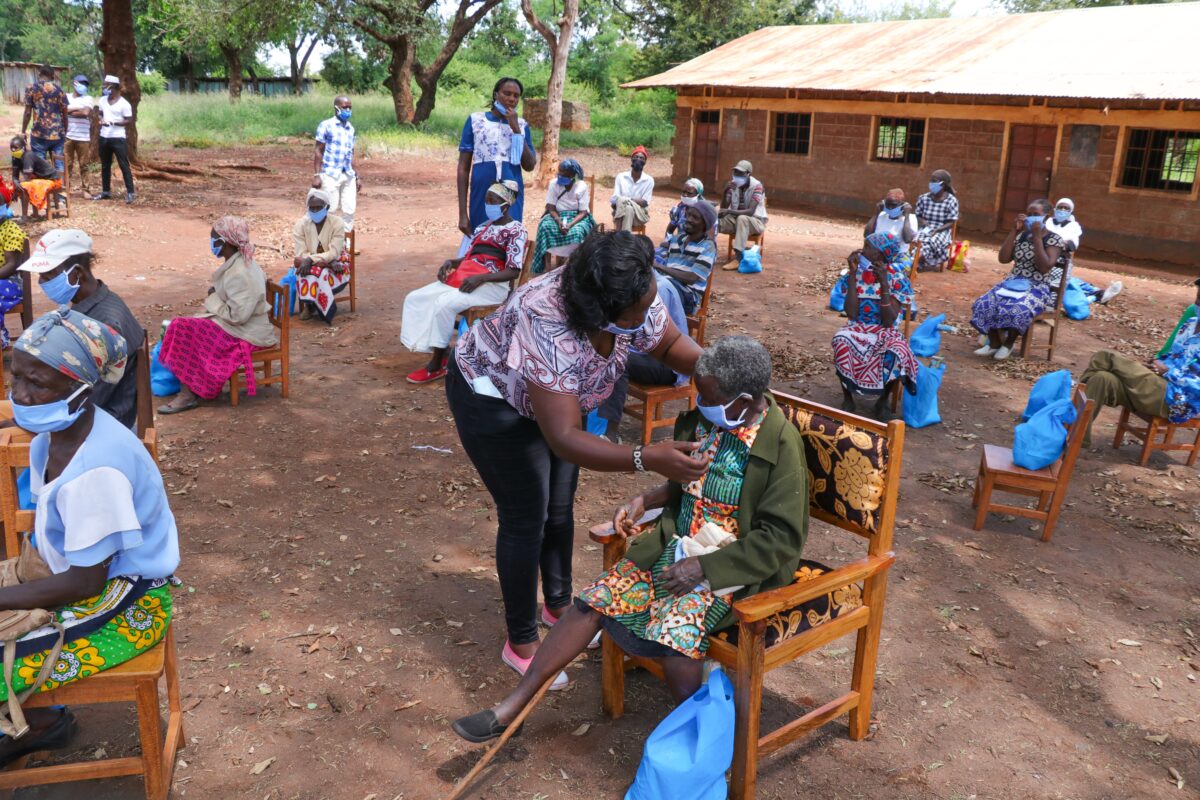
Access to healthcare is a fundamental human right, yet many underserved communities around the world continue to face significant barriers in obtaining quality and affordable healthcare services. These communities, often marginalized due to factors such as poverty, geographical location, or cultural disparities, experience a disproportionate burden of health inequities. Overcoming barriers to accessible healthcare in underserved communities requires a comprehensive approach that addresses systemic challenges, promotes community engagement, and ensures equitable distribution of resources.

Barriers to accessible healthcare:

  • Geographical barriers: Underserved communities in remote or rural areas often face challenges related to geographical distance and limited transportation infrastructure. The lack of healthcare facilities and specialized medical professionals nearby makes accessing healthcare services difficult. This can result in delayed or inadequate care for residents, particularly during emergencies or for those with chronic conditions.
  • Financial barriers: Economic constraints play a significant role in limiting healthcare access for underserved communities. Many individuals and families lack health insurance or have limited financial resources to cover the cost of medical care, including preventive services, medications, and hospital visits. High out-of-pocket expenses can deter individuals from seeking necessary healthcare, leading to untreated conditions and worsening health outcomes.
  • Language and cultural barriers: Language and cultural disparities can hinder effective communication between healthcare providers and patients in underserved communities. Language barriers may limit access to health information, understanding of medical instructions, and the ability to navigate the healthcare system. Additionally, cultural differences and beliefs may affect healthcare-seeking behavior, leading to distrust and reduced engagement with healthcare services.
  • Limited healthcare infrastructure: Underserved communities often lack adequate healthcare infrastructure, including primary care clinics, hospitals, and specialized healthcare centers. The scarcity of healthcare facilities and medical professionals within these communities can result in long wait times, overcrowded clinics, and insufficient availability of essential medical services and treatments.
  • Health literacy and education: Limited health literacy and education can pose significant barriers to healthcare access. Many underserved communities may lack awareness and understanding of preventive measures, health promotion, and disease management. This can lead to delayed diagnosis, ineffective self-care, and higher rates of preventable illnesses.

Overcoming barriers:

  • Strengthening healthcare infrastructure: Governments and organizations should prioritize building and expanding healthcare facilities in underserved communities. This includes establishing primary care clinics, community health centers, and mobile healthcare units to improve access to essential healthcare services.
  • Affordable healthcare options: Initiatives should be implemented to increase affordability of healthcare services, such as expanding health insurance coverage and implementing sliding-scale fee structures based on income. This would help reduce financial barriers and ensure that underserved populations can access necessary medical care without experiencing financial hardship.
  • Culturally competent care: Healthcare providers should receive cultural competency training to better understand and address the unique needs and beliefs of underserved communities. Language interpretation services should be readily available to ensure effective communication between patients and providers.
  • Community engagement and outreach: Engaging the community in healthcare initiatives can help build trust, improve health literacy, and promote proactive healthcare-seeking behavior. Community health workers, outreach programs, and health education campaigns can play a vital role in empowering individuals to take charge of their health and access appropriate healthcare services.
  • Telemedicine and technology: Leveraging telemedicine and digital health solutions can help overcome geographical barriers by providing remote access to healthcare services. This includes virtual consultations, remote monitoring, and health information platforms that can bridge the gap in healthcare access for underserved communities.

Ensuring accessible healthcare in underserved communities requires concerted efforts to address the barriers that hinder equitable access to quality healthcare services. By strengthening healthcare infrastructure, improving affordability, promoting cultural competency, engaging communities, and leveraging technology, we can make significant progress in narrowing the healthcare gap and achieving health equity. It is essential for governments, healthcare providers, and communities to work collaboratively to overcome these barriers and ensure that every individual, regardless of their socio-economic status or geographical location, has the opportunity to receive the healthcare they deserve.