
loader

Month: June 2023

Breaking down the science of blood disorders: diagnosis and treatment
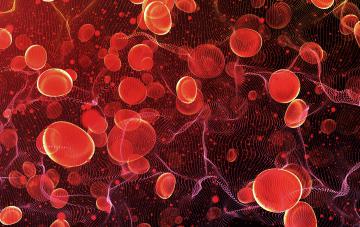
Blood disorders encompass a wide range of conditions that affect the components of our blood, including red blood cells, white blood cells, platelets, and plasma. These disorders can significantly impact our health and well-being, necessitating accurate diagnosis and effective treatment. Over the years, advances in medical science have shed light on the underlying mechanisms of various blood disorders, enabling healthcare professionals to make precise diagnoses and develop targeted therapies. In this article, we will delve into the science behind blood disorders, exploring the process of diagnosis and the latest treatment approaches.

Diagnosing blood disorders:

Accurate diagnosis is the foundation for effective treatment of blood disorders. Medical professionals employ various diagnostic techniques and tests to identify the specific type and severity of a blood disorder. Here are some common diagnostic methods:

  1. Blood tests: Blood samples are analyzed to measure the levels of different blood components, such as red and white blood cells, platelets, and hemoglobin. Abnormalities in these levels can indicate the presence of a blood disorder.
  2. Bone marrow aspiration and biopsy: These procedures involve the collection and examination of bone marrow samples, which can reveal abnormalities in cell production or maturation. They are particularly useful in diagnosing disorders like leukemia or myelodysplastic syndromes.
  3. Genetic testing: Some blood disorders have a genetic basis. Genetic testing can identify specific gene mutations or abnormalities that contribute to the development of these disorders. This information can aid in diagnosis, prognosis, and even potential treatment options.
  4. Imaging studies: Imaging techniques like ultrasound, MRI, or CT scans can be utilized to evaluate the structure and function of organs involved in blood production and circulation. These tests can help identify any abnormalities that may contribute to blood disorders.

Understanding blood disorder treatment:

Once a blood disorder has been diagnosed, appropriate treatment strategies can be devised to manage the condition and improve the patient’s quality of life. Treatment plans are tailored to the specific disorder, its severity, and individual patient factors. Here are some common treatment approaches for blood disorders:

  1. Medications: Pharmacological interventions are often prescribed to manage blood disorders. For instance, patients with anemia may require iron supplements or erythropoietin-stimulating agents to increase red blood cell production. Anticoagulant medications may be administered to prevent blood clot formation in individuals with clotting disorders.
  2. Blood transfusions: In certain cases, blood transfusions may be necessary to replenish deficient blood components or improve their function. Transfusions of red blood cells, platelets, or clotting factors can be life-saving for patients with severe blood disorders.
  3. Stem cell transplantation: Stem cell transplantation, also known as bone marrow transplantation, is a potential treatment option for individuals with certain types of blood cancers or genetic blood disorders. Healthy stem cells are introduced into the patient’s body, replacing damaged or malfunctioning cells and restoring normal blood cell production.
  4. Gene therapy: With advancements in gene editing technologies, gene therapy is emerging as a promising approach for treating certain genetic blood disorders. This experimental technique aims to correct or modify faulty genes responsible for the disorder, offering the potential for long-term therapeutic benefits.
  5. Supportive care: Blood disorder treatments often require comprehensive supportive care measures. These may include dietary changes, lifestyle modifications, physical therapy, or psychological support to manage the symptoms and improve overall well-being.

The future of blood disorder management:

In recent years, scientific research has significantly contributed to our understanding of blood disorders and paved the way for innovative treatment approaches. Here are a few exciting developments on the horizon:

  1. Precision medicine: Advances in genomic analysis and personalized medicine hold tremendous promise for blood disorder management. Tailoring treatment plans based on an individual’s genetic profile can enhance efficacy and reduce adverse effects.
  2. Immunotherapies: Immunotherapies, such as monoclonal antibodies and chimeric antigen receptor (CAR) T-cell therapy, have shown remarkable success in treating certain types of blood cancers. These therapies harness the power of the immune system to target and destroy cancer cells specifically.
  3. Gene editing techniques: The development of precise gene editing tools like CRISPR-Cas9 has opened up new avenues for correcting genetic defects responsible for blood disorders. Ongoing research in this field holds the potential for curative treatments.
  4. Stem cell research: Scientists continue to explore the therapeutic potential of stem cells for blood disorder treatment. Understanding the mechanisms governing stem cell behavior and differentiation can lead to innovative therapies and regenerative medicine approaches.

The science behind blood disorders has come a long way, empowering healthcare professionals to diagnose these conditions accurately and devise effective treatment plans. With ongoing advancements in diagnostics, pharmacology, genetic research, and innovative therapies, the future looks promising for individuals with blood disorders. Collaborative efforts between researchers, clinicians, and patients are vital to further unravel the complexities of these disorders and develop improved strategies for diagnosis and treatment, ultimately improving outcomes and enhancing the quality of life for those affected by blood disorders.
Understanding the microbiome: key to unlocking health mysteries

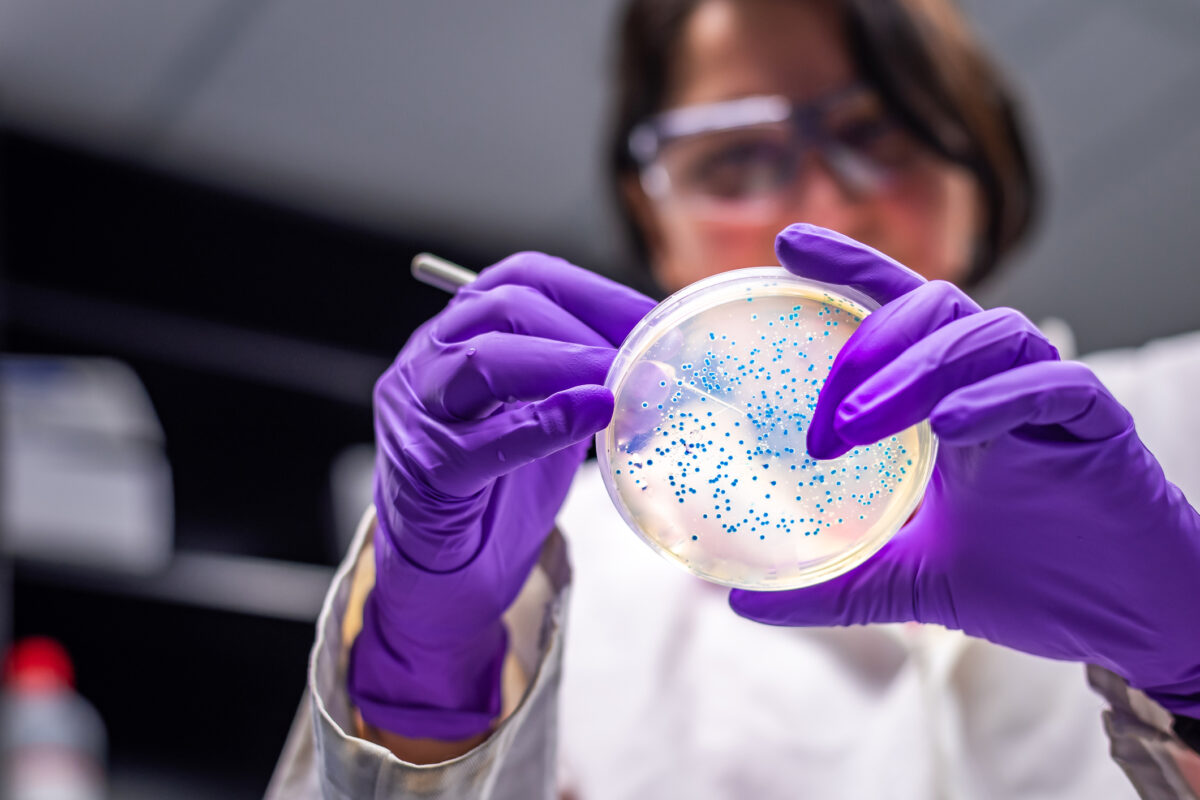
The human body is a complex ecosystem that is home to trillions of microorganisms, collectively known as the microbiome. These microscopic organisms, including bacteria, viruses, fungi, and other microbes, reside in various parts of our body, such as the skin, mouth, gut, and reproductive organs. While we have long viewed bacteria and other microbes as harmful invaders, research in recent years has shed light on the crucial role the microbiome plays in our overall health and well-being.

  • What is the microbiome? The microbiome refers to the diverse collection of microorganisms that live within and on our bodies. These organisms outnumber our own cells by ten to one, and their genetic material surpasses our own human DNA by a factor of 100 to 1. The microbiome is unique to each individual, influenced by genetics, environmental factors, diet, lifestyle, and medical interventions. It is a dynamic ecosystem that evolves throughout our lives.
  • The gut-brain axis: The gut-brain axis is a bidirectional communication pathway between the gut and the brain. Emerging evidence suggests that the composition of the microbiome can influence brain function and behavior. Studies have linked an imbalance in the gut microbiome to conditions such as depression, anxiety, autism spectrum disorders, and neurodegenerative diseases like Alzheimer’s and Parkinson’s. By understanding the microbiome, we can explore potential avenues for treating and preventing these conditions.
  • Impact on digestion and metabolism: The gut microbiome plays a vital role in our digestive process and overall metabolism. It helps break down complex carbohydrates, synthesizes vitamins and other essential nutrients, and modulates our immune system. Imbalances in the gut microbiome have been associated with conditions such as inflammatory bowel disease, obesity, and metabolic disorders like diabetes. Understanding how the microbiome influences these processes could open doors to new therapeutic approaches.
  • Immune system modulation: The microbiome interacts closely with our immune system, shaping its development and function. A diverse and balanced microbiome is crucial for maintaining a healthy immune response. Disruptions in the microbiome composition have been implicated in the development of allergies, autoimmune diseases, and chronic inflammatory conditions. By unraveling the intricacies of this interaction, we can potentially devise strategies to prevent and manage these disorders.
  • Personalized medicine and treatments: As we delve deeper into understanding the microbiome, it becomes increasingly clear that a one-size-fits-all approach to healthcare may not be effective. The unique composition of an individual’s microbiome can influence their response to medications, their susceptibility to certain diseases, and their overall health outcomes. By considering the microbiome as a factor in treatment plans, healthcare providers can tailor interventions to maximize their effectiveness.
  • Therapeutic potential: The microbiome holds promise as a therapeutic target. Researchers are exploring the use of probiotics, prebiotics, and fecal microbiota transplantation (FMT) to restore a healthy balance in the microbiome and treat various diseases. FMT, in particular, has shown remarkable success in treating recurrent Clostridium difficile infections and holds potential for conditions like inflammatory bowel disease and irritable bowel syndrome. By manipulating the microbiome, we may unlock new avenues for treatment and prevention.
  • Lifestyle and the microbiome: Various lifestyle factors influence the composition and diversity of the microbiome. Diet, exercise, stress levels, sleep patterns, and exposure to antibiotics and environmental toxins can all impact the delicate balance of microorganisms within us. By adopting healthy lifestyle practices, we can positively influence our microbiome, promoting better overall health and well-being.

Understanding the microbiome is crucial for unraveling the mysteries of human health. The intricate relationship between our bodies and the microorganisms within us has the potential to revolutionize healthcare. By harnessing this knowledge, we can develop personalized treatments, optimize health outcomes, and potentially prevent a wide range of diseases. As research in this field continues to advance, the future holds exciting possibilities for microbiome-based therapies and interventions that can transform the way we approach healthcare.

The role of artificial intelligence in early disease detection

In the realm of healthcare, early detection of diseases plays a crucial role in improving patient outcomes and reducing healthcare costs. Timely identification of illnesses allows for prompt treatment, increasing the chances of successful intervention and recovery. With the advent of artificial intelligence (AI), there has been a significant advancement in the field of early disease detection. AI algorithms, powered by vast amounts of data and computational capabilities, have the potential to revolutionize healthcare by assisting in the early identification and diagnosis of various diseases.

AI excels at analyzing large datasets, identifying patterns, and making predictions based on these patterns. When applied to healthcare, AI algorithms can sift through enormous amounts of medical data, including electronic health records, medical images, genomic data, and patient-reported information. By analyzing this data, AI systems can identify subtle patterns and markers that might indicate the presence of a disease at its early stages when symptoms may not be readily apparent.

One area where AI has shown great promise is in the early detection of cancer. For instance, AI algorithms have been developed to analyze medical imaging data, such as mammograms or CT scans, to identify potential signs of breast cancer or lung cancer. By comparing a patient’s images to vast databases of previous cases, AI can highlight suspicious areas that may require further examination. This can help radiologists and other healthcare professionals prioritize patients and reduce the chances of false negatives or missed diagnoses.

In addition to medical imaging, AI can also leverage other sources of data for early disease detection. Electronic health records contain a wealth of information about patients, including their medical history, symptoms, and laboratory test results. AI algorithms can analyze these records to identify patterns that might indicate the presence of certain diseases. For example, AI has been used to identify early signs of sepsis by monitoring vital signs, laboratory values, and other clinical data. By alerting healthcare providers to the possibility of sepsis before it becomes severe, AI systems can potentially save lives.

Genomic data is another valuable resource that can be harnessed by AI for early disease detection. By analyzing an individual’s genetic makeup, AI algorithms can identify genetic variations associated with specific diseases. This information can then be used to assess an individual’s risk of developing certain conditions and recommend appropriate preventive measures or screening tests. For example, AI can analyze a person’s genetic data to identify their predisposition to hereditary diseases like breast cancer or Alzheimer’s disease, allowing for early interventions and personalized treatment plans.

Moreover, AI can leverage patient-reported data to improve early disease detection. With the widespread use of mobile devices and health tracking applications, individuals can now record and share data about their daily activities, symptoms, and overall well-being. AI algorithms can analyze this data in real-time, identifying patterns or changes that may indicate the onset of a disease. For instance, AI-powered applications can detect early signs of mental health conditions, such as depression or anxiety, by analyzing patterns in sleep, exercise, and social interactions.

However, it’s important to note that while AI holds great potential in early disease detection, it is not meant to replace healthcare professionals. Instead, AI systems should be seen as valuable tools that augment and support human decision-making. The combination of AI algorithms and human expertise can lead to more accurate and timely diagnoses, improving patient outcomes and reducing healthcare costs.

In conclusion, the role of artificial intelligence in early disease detection is rapidly expanding, offering new possibilities for improving healthcare. By analyzing vast amounts of medical data, AI algorithms can identify patterns and markers that may indicate the presence of diseases at their early stages. From medical imaging analysis to genomic data interpretation and patient-reported information, AI has the potential to revolutionize early disease detection and enable proactive interventions. While challenges and ethical considerations remain, the integration of AI into healthcare holds great promise for the future of medicine.

Tackling opioid addiction: innovative approaches to treatment

The opioid addiction crisis continues to pose a significant challenge worldwide, with devastating consequences for individuals, families, and communities. Traditional approaches to treating opioid addiction have primarily focused on medication-assisted treatment and counseling. However, innovative approaches have emerged in recent years, offering promising alternatives to combat this complex and multifaceted problem. This article explores some of the groundbreaking strategies and technologies that are being employed to tackle opioid addiction head-on.

  • Virtual Reality Therapy

Virtual reality (VR) therapy has gained attention as a transformative tool in treating opioid addiction. By immersing individuals in virtual environments, VR therapy can simulate scenarios that trigger cravings and provide a safe and controlled setting for relapse prevention training. Therapists can guide patients through exposure therapy exercises, helping them develop coping strategies to manage cravings and high-risk situations.

Research has shown promising results, with individuals undergoing VR therapy reporting reduced cravings, improved self-control, and increased confidence in their ability to resist opioids. By utilizing virtual reality, healthcare professionals can create tailored and immersive experiences that empower patients in their recovery journey.

  • Mobile applications for addiction support,

The ubiquity of smartphones has opened up new avenues for addiction support and treatment. Mobile applications designed specifically for individuals recovering from opioid addiction can offer valuable tools and resources at their fingertips. These apps can provide medication reminders, track mood and cravings, connect users to support networks, and deliver educational content about addiction and recovery.

Furthermore, mobile apps can incorporate cognitive-behavioral therapy (CBT) techniques, allowing users to access evidence-based interventions independently. Features like virtual support groups, 24/7 helplines, and progress tracking can enhance accountability and motivation throughout the recovery process.

  • Mindfulness-based interventions,

Mindfulness-based interventions have gained recognition for their effectiveness in reducing stress, managing cravings, and improving overall well-being. These interventions, such as mindfulness meditation and yoga, promote non-judgmental awareness of present experiences, allowing individuals to develop healthier coping mechanisms.

When integrated into opioid addiction treatment programs, mindfulness practices can enhance resilience, emotional regulation, and self-awareness. By incorporating mindfulness techniques, individuals can better recognize and respond to triggers, reducing the likelihood of relapse and promoting long-term recovery.

  • Neurofeedback therapy,

Neurofeedback therapy, also known as EEG biofeedback, utilizes real-time displays of brain activity to teach individuals to self-regulate their brain function. By providing immediate feedback on brainwave patterns, neurofeedback can help individuals gain control over their physiological responses, such as stress and cravings.

In the context of opioid addiction, neurofeedback therapy has shown promise in reducing cravings and improving cognitive function. By rewiring neural pathways associated with addiction, individuals can achieve better emotional regulation and make more informed choices regarding their recovery.

  • Peer recovery support programs,

Peer recovery support programs are an innovative approach that harnesses the power of lived experiences in addiction recovery. These programs connect individuals seeking recovery with peers who have successfully navigated their own journey of opioid addiction. Peer mentors can provide empathetic support, guidance, and practical insights based on personal experiences.

By fostering a sense of community and support, peer recovery programs can help individuals develop a strong network of like-minded individuals. Peer mentors offer invaluable emotional support, serve as role models, and provide practical assistance during challenging moments, reinforcing the belief in long-term recovery.

Tackling the opioid addiction crisis requires a multi-faceted and innovative approach that goes beyond traditional treatment methods. Virtual reality therapy, mobile applications, mindfulness-based interventions, neurofeedback therapy, and peer recovery support programs offer novel and promising avenues for combating opioid addiction.

As these innovative approaches continue to evolve and gain recognition, it is crucial to integrate them into comprehensive treatment plans alongside existing evidence-based practices. By leveraging technology, harnessing the power of the mind, and fostering community support, we can make significant strides in addressing the opioid addiction crisis and helping individuals on their path to lasting recovery.

Breaking down the blood-brain barrier: implications for drug delivery

The blood-brain barrier (BBB) is a highly selective and tightly regulated barrier that separates the bloodstream from the brain. While it serves a crucial protective function by preventing the entry of harmful substances into the brain, it also poses a significant challenge for delivering therapeutic drugs to treat various neurological disorders. However, recent advancements in medical research have shed light on strategies to overcome this formidable barrier. In this article, we delve into the intricacies of the blood-brain barrier and explore the implications of breakthroughs in drug delivery techniques that aim to bypass or temporarily disrupt this barrier for improved treatment of brain-related conditions.

Understanding the Blood-Brain Barrier: The blood-brain barrier is composed of specialized endothelial cells lining the blood vessels in the brain, which are tightly connected by junctions that restrict the passage of molecules. This barrier acts as a shield, preventing the entry of toxins, pathogens, and most drugs into the brain. While this function is vital for maintaining brain health, it poses a significant challenge when attempting to deliver therapeutic agents to the site of action.

Implications for drug delivery:

  • Nanoparticles and drug conjugates: Nanoparticles, due to their small size and unique properties, have emerged as promising carriers for drug delivery across the blood-brain barrier. These nanoparticles can be engineered to encapsulate drugs and selectively transport them to the brain. Surface modifications of nanoparticles can also enhance their ability to penetrate the barrier or utilize receptor-mediated transcytosis to enter brain cells. Additionally, drug conjugates that combine therapeutic agents with molecules that can traverse the blood-brain barrier have shown promise in targeted drug delivery for neurological disorders.
  • Focused ultrasound: Focused ultrasound, when combined with the administration of microbubbles, has shown potential in temporarily disrupting the blood-brain barrier. This non-invasive technique uses ultrasound waves to induce oscillations and create small openings in the endothelial cells, allowing drugs to enter the brain. This approach has demonstrated success in facilitating the delivery of therapeutic agents for conditions like brain tumors and neurodegenerative diseases.
  • Trojan horse approaches: Researchers are exploring the concept of using endogenous transport systems within the blood-brain barrier to ferry therapeutic agents across. This “Trojan horse” approach involves attaching drugs to molecules that are recognized and transported across the barrier, such as nutrients or peptides. By hijacking these existing transport mechanisms, researchers aim to enhance drug delivery efficiency and overcome the limitations imposed by the blood-brain barrier.
  • Optogenetics and magnetic targeting: Emerging techniques such as optogenetics and magnetic targeting offer precise and localized drug delivery to specific brain regions. Optogenetics involves using light-sensitive proteins to control specific neuronal activity, enabling targeted drug release. Magnetic targeting, on the other hand, utilizes magnetic nanoparticles to direct drugs to desired brain areas by applying an external magnetic field. These approaches provide opportunities for site-specific drug delivery while minimizing off-target effects.

Conclusion: The blood-brain barrier has long been a challenge in developing effective treatments for brain-related disorders. However, breakthroughs in drug delivery techniques are offering new possibilities to overcome this barrier. Nanoparticles, focused ultrasound, Trojan horse approaches, optogenetics, and magnetic targeting are just a few examples of the innovative strategies being explored. As research continues to advance in this field, we can expect significant progress in delivering therapeutic agents to the brain, ultimately revolutionizing the treatment landscape for neurological disorders and offering renewed hope to patients and their families.

Promising therapies for neurodegenerative diseases: current research and prospects

Neurodegenerative diseases, such as Alzheimer’s disease, Parkinson’s disease, Huntington’s disease, and amyotrophic lateral sclerosis (ALS), pose significant challenges to the aging population worldwide. These conditions result in the progressive degeneration and loss of function of neurons, leading to cognitive decline, motor impairments, and a diminished quality of life. Despite extensive research efforts, finding effective treatments for neurodegenerative diseases has proven to be a complex task. However, recent advancements in medical science have brought forth promising therapies that offer hope for patients and their families. In this article, we explore some of the cutting-edge therapies currently being investigated and their potential to revolutionize the field of neurodegenerative disease treatment.

  • Gene therapies: Gene therapy holds great potential in the treatment of neurodegenerative diseases. Recent breakthroughs in genome editing technologies, such as CRISPR-Cas9, have enabled scientists to precisely modify genetic material, opening doors to targeted therapies. For example, in Huntington’s disease, researchers are exploring gene silencing techniques to inhibit the production of the mutant huntingtin protein responsible for the disease’s progression. Similarly, gene therapies are being developed to address specific genetic mutations implicated in other neurodegenerative disorders.
  • Stem cell-based therapies: Stem cell-based therapies offer a promising avenue for neurodegenerative disease treatment. Stem cells possess the remarkable ability to differentiate into various cell types, including neurons, making them a valuable resource for regenerating damaged or lost neural tissue. Scientists are investigating the potential of induced pluripotent stem cells (iPSCs) derived from patients’ own cells to generate personalized neurons for transplantation. This approach aims to replace diseased cells and restore lost functionality, potentially halting or reversing disease progression.
  • Immunotherapies: Immunotherapies, which harness the power of the immune system to target specific disease-causing agents, have shown promise in neurodegenerative diseases. In Alzheimer’s disease, researchers are developing vaccines and monoclonal antibodies to clear the amyloid-beta plaques that accumulate in the brain. Similarly, in Parkinson’s disease, immunotherapies are being explored to target abnormal protein aggregates called alpha-synuclein. These approaches aim to slow down or halt disease progression by stimulating the immune system’s clearance mechanisms.
  • RNA-based therapies: RNA-based therapies have gained significant attention as a potential treatment for neurodegenerative diseases. Techniques such as antisense oligonucleotides (ASOs) and RNA interference (RNAi) offer the ability to modulate gene expression and suppress the production of disease-causing proteins. ASOs are being investigated in amyotrophic lateral sclerosis (ALS) to reduce the levels of the toxic SOD1 protein, while RNAi-based therapies are being explored for the treatment of Huntington’s disease.
  • Small molecule therapies: Small molecule therapies have long been used in various fields of medicine, and their potential in neurodegenerative disease treatment is no exception. Researchers are actively searching for small molecules that can target specific molecular pathways involved in disease progression. These molecules aim to prevent the accumulation of toxic proteins, reduce inflammation, and promote neuroprotection. Small molecule inhibitors are being developed for various neurodegenerative diseases, including Parkinson’s and Alzheimer’s, with the goal of slowing down disease progression and improving patient outcomes.

Conclusion: While the journey to finding effective treatments for neurodegenerative diseases is still ongoing, the recent advancements in medical science provide a glimmer of hope. Gene therapies, stem cell-based therapies, immunotherapies, RNA-based therapies, and small molecule therapies are all showing promising results in preclinical and clinical studies. These innovative approaches have the potential to revolutionize the field and bring about significant improvements in the lives of patients suffering from neurodegenerative diseases. As research continues to unravel the intricacies of these diseases, we can look forward to a future where effective treatments and, possibly, even cures are within reach.

The future of organ transplants: challenges and innovations

Organ transplantation has revolutionized modern medicine, enabling countless individuals to lead healthier and longer lives. However, the field faces several challenges that hinder its full potential. As medical science progresses, researchers and experts are actively exploring innovative solutions to address these obstacles and shape the future of organ transplants. This article will delve into the challenges faced by organ transplantation and highlight the promising innovations that offer hope for a brighter future.

  • Organ shortage: a global crisis,

The scarcity of available organs for transplantation remains a significant challenge worldwide. The demand for organs far surpasses the supply, leading to lengthy waiting lists and unfortunate outcomes for many patients. Various factors contribute to this shortage, including a limited number of deceased donors, difficulties in matching organs with recipients, and ethical considerations surrounding living donors.

  • Innovative solutions: expanding the donor pool,

In recent years, medical professionals and researchers have been actively exploring innovative approaches to overcome the organ shortage crisis. Here are some promising developments:

a) Organ Bioengineering: Scientists are making remarkable progress in the field of tissue engineering and regenerative medicine. By utilizing stem cells and scaffolds, they aim to grow functional organs in laboratories. Although still in its early stages, organ bioengineering holds immense potential to address the organ shortage crisis in the long term.

b) Xenotransplantation: Xenotransplantation involves transplanting organs or cells from animals into humans. Researchers are investigating ways to genetically modify animal organs to be compatible with the human immune system. Advancements in gene-editing techniques, such as CRISPR, have accelerated progress in this field. While challenges remain, xenotransplantation could offer a viable solution to the organ shortage problem.

c) Artificial and Mechanical Alternatives: Another avenue being explored is the development of artificial and mechanical alternatives to human organs. Devices such as artificial hearts and wearable kidney dialysis machines are being developed to bridge the gap until suitable organs become available. Although these technologies are not a permanent solution, they can significantly improve patients’ quality of life while they wait for a suitable transplant.

  • Organ preservation and transport,

Preserving organs for transplantation is a critical aspect of the transplantation process. However, the current methods for organ preservation have limitations. The available time window for transportation limits the geographical reach of organ transplantation, leaving many patients without viable options.

To address this challenge, researchers are focusing on improving organ preservation techniques. One promising innovation is the development of perfusion systems that mimic the human body’s conditions, allowing organs to remain functional for an extended period. These advancements in organ preservation and transportation could expand the reach of transplantation, enabling organs to be transported over longer distances and reaching patients in remote locations.

  • Immune system rejection,

Despite advancements in immunosuppressive drugs, the human immune system still poses a challenge to successful organ transplantation. Immunosuppressants can cause severe side effects, leave patients susceptible to infections, and may not prevent long-term rejection.

To mitigate these challenges, researchers are investigating personalized immunosuppression approaches. These methods aim to tailor treatment based on an individual’s immune profile, minimizing rejection risk while reducing the need for high doses of medication. Genetic engineering techniques, such as CRISPR, are also being explored to modify donor organs to be less recognizable to the recipient’s immune system.

The future of organ transplants holds great promise, as researchers and medical professionals strive to overcome the challenges currently faced by the field. Innovative solutions such as organ bioengineering, xenotransplantation, artificial alternatives, improved organ preservation techniques, and personalized immunosuppression offer hope for expanding the availability of organs, reducing rejection rates, and improving patient outcomes.

However, it is important to note that these advancements require continued research, funding, and ethical considerations. Collaboration between medical professionals, scientists, policymakers, and the public is essential to ensure the responsible and ethical progress of organ transplantation. With concerted efforts and advancements in medical science, the future of organ transplants can become a reality, transforming countless lives and offering hope to patients in need.

Precision medicine: personalized treatment approaches in healthcare

Advancements in medical research and technology have led to a paradigm shift in healthcare, moving towards personalized treatment approaches known as precision medicine. Rather than employing a one-size-fits-all approach, precision medicine tailors medical interventions to individual patients, taking into account their unique genetic, environmental, and lifestyle factors. This article explores the concept of precision medicine and its potential to revolutionize healthcare by enhancing treatment outcomes, reducing adverse effects, and improving patient well-being.

  • Understanding precision medicine,

Precision medicine aims to deliver the right treatment to the right patient at the right time. It recognizes that individuals differ in their genetic makeup, disease progression, and response to therapies. By integrating vast amounts of data, including genomic information, clinical data, and environmental factors, healthcare providers can develop individualized treatment plans that are more targeted and effective.

  • Genomics and molecular characterization.

Genomics plays a central role in precision medicine. The sequencing of the human genome has provided valuable insights into the genetic basis of diseases and their variability among individuals. Through genomic testing, healthcare professionals can identify genetic variations associated with certain diseases and predict an individual’s risk of developing specific conditions. This information allows for early detection, personalized prevention strategies, and targeted interventions.

  • Tailoring treatment approaches,

Precision medicine enables the customization of treatment approaches based on an individual’s specific characteristics. With the help of genomic profiling, clinicians can identify genetic markers that influence drug metabolism and treatment response. This knowledge allows for the selection of medications that are most likely to be effective and safe for a particular patient. Additionally, biomarker-driven therapies can be used to target specific molecular abnormalities in diseases such as cancer, maximizing therapeutic benefits while minimizing adverse effects.

  • Predictive and proactive medicine,

One of the key advantages of precision medicine is its ability to predict disease susceptibility and progression. By analyzing an individual’s genetic predispositions and environmental factors, healthcare providers can identify those at higher risk for developing certain conditions. This knowledge facilitates early intervention, preventive measures, and lifestyle modifications, reducing the burden of disease and improving overall health outcomes.

  • Real-time monitoring and data analysis,

Precision medicine leverages real-time monitoring and data analysis to assess treatment response and adjust interventions accordingly. Wearable devices, remote sensors, and digital health platforms allow for continuous monitoring of patient health parameters. This data can be analyzed in conjunction with genetic and clinical information to optimize treatment plans, detect treatment resistance, and identify potential adverse reactions.

  • Challenges and future directions,

While precision medicine holds immense promise, several challenges need to be addressed for its wider implementation. These include privacy concerns regarding the use and storage of genetic and personal health data, the need for robust data analysis tools and infrastructure, and the accessibility and affordability of genomic testing and targeted therapies.

Looking ahead, advancements in artificial intelligence, machine learning, and big data analytics will further enhance the precision medicine landscape. Integrating multi-omics data (such as genomics, proteomics, and metabolomics) and expanding the understanding of gene-environment interactions will deepen our insights into disease mechanisms and treatment responses. Additionally, collaboration between researchers, healthcare providers, and technology developers is crucial to ensure the seamless integration of precision medicine into routine clinical practice.

Precision medicine represents a transformative approach to healthcare, shifting the focus from a generalized treatment model to individualized care. By harnessing the power of genomics, advanced technologies, and comprehensive data analysis, precision medicine has the potential to revolutionize disease prevention, diagnosis, and treatment. As precision medicine continues to evolve, it offers hope for improved patient outcomes, reduced healthcare costs, and a new era of personalized healthcare that truly meets the unique needs of each individual.

Mental health in the workplace: strategies for employee well-being

In today’s fast-paced and demanding work environments, prioritizing mental health in the workplace is crucial for fostering a positive and productive work culture. The well-being of employees directly impacts their performance, engagement, and overall satisfaction. This article explores strategies that organizations can implement to promote mental health and support employee well-being in the workplace.

  • Foster a supportive work environment

Creating a supportive work environment is the foundation for promoting mental health. This involves cultivating a culture of respect, empathy, and open communication. Encouraging managers and colleagues to listen actively, show understanding, and provide support to one another can help reduce stigma and create a safe space for employees to discuss their mental health concerns.

  • Increase awareness and education

Raising awareness about mental health issues and providing education is essential to foster understanding and empathy. Conducting workshops, training programs, and seminars on mental health topics can help employees recognize the signs and symptoms of common mental health conditions, reduce stigma, and promote early intervention. Providing resources such as informative materials, online resources, and access to mental health professionals can further support employees in seeking help when needed.

  • Implement work-life balance initiatives

Promoting work-life balance is crucial in preventing burnout and maintaining good mental health. Encouraging employees to take regular breaks, use their vacation time, and disconnect from work after business hours helps reduce stress and create a healthier work-life balance. Flexibility in work schedules, including remote work options or flexible hours, can also contribute to improved well-being and increased job satisfaction.

  • Promote physical health and wellness

Physical and mental health are interconnected, and organizations can play a role in supporting both. Providing access to wellness programs, fitness facilities, and activities like yoga or mindfulness training can promote physical health and stress reduction. Encouraging regular exercise, healthy eating, and promoting a positive work environment that prioritizes self-care can significantly contribute to overall employee well-being.

  • Develop supportive policies and procedures

Establishing supportive policies and procedures is crucial for creating a mentally healthy workplace. This can include implementing clear guidelines for reporting and addressing mental health concerns, ensuring confidentiality, and providing reasonable accommodations for employees with mental health conditions. Encouraging regular check-ins and performance evaluations that focus on well-being can also demonstrate an organization’s commitment to supporting its employees’ mental health.

  • Provide access to mental health resources

Organizations should strive to provide easy access to mental health resources and support services. This can include offering an employee assistance program (EAP) that provides confidential counseling and referrals to mental health professionals. Collaborating with healthcare providers and insurance companies to ensure comprehensive mental health coverage is also important. Creating partnerships with mental health organizations can further enhance the availability of resources and support networks for employees.

  • Lead by example

Leadership plays a vital role in setting the tone for a mentally healthy workplace. Managers and supervisors should lead by example, prioritizing their own mental health and well-being and demonstrating understanding and support for their team members. By promoting open dialogue, encouraging work-life balance, and fostering a positive and inclusive work culture, leaders can positively influence employee well-being throughout the organization.

Prioritizing mental health in the workplace is not only a moral imperative but also a strategic investment in the success of organizations. By implementing strategies that foster a supportive work environment, increase awareness, promote work-life balance, prioritize physical health and wellness, develop supportive policies, provide access to resources, and lead by example, organizations can create an environment that supports employee well-being. Ultimately, such initiatives contribute to improved productivity, engagement, and overall satisfaction, creating a positive workplace culture that benefits both employees and the organization as a whole.

The role of genetics in cardiovascular diseases

Cardiovascular diseases (CVDs) remain one of the leading causes of mortality worldwide. While lifestyle factors such as poor diet, sedentary behavior, and smoking contribute significantly to the development of these diseases, emerging research suggests that genetics also plays a crucial role. This article explores the impact of genetics on cardiovascular diseases, highlighting the various genetic factors and their influence on disease development and progression.

Genetic variants and risk factors

Several genetic variants have been identified that contribute to an individual’s risk of developing cardiovascular diseases. One of the most well-known genetic risk factors is the apolipoprotein E (APOE) gene, which is involved in lipid metabolism. Certain variants of the APOE gene, such as APOE4, have been associated with an increased risk of developing atherosclerosis and cardiovascular events, including heart attacks and strokes.

Additionally, variations in genes involved in lipid regulation, such as PCSK9, LDLR, and APOB, can influence cholesterol levels and the accumulation of plaque in arteries. Genetic mutations in these genes can lead to familial hypercholesterolemia, a condition characterized by high levels of low-density lipoprotein cholesterol (LDL-C) and an increased risk of premature cardiovascular events.

Another genetic risk factor is the presence of certain gene variants associated with hypertension. Variations in genes such as ACE, AGT, and NOS3 can affect blood pressure regulation and increase the risk of developing hypertension, a significant risk factor for cardiovascular diseases like heart failure, stroke, and coronary artery disease.

Genetic determinants of heart rhythm disorders

Arrhythmias, or abnormalities in heart rhythm, are another group of cardiovascular diseases with a genetic component. Specific gene mutations have been linked to arrhythmias, including long QT syndrome, Brugada syndrome, and hypertrophic cardiomyopathy. Mutations in genes encoding ion channels or proteins involved in cardiac electrical signaling can disrupt the normal functioning of the heart, leading to irregular heartbeats and potentially life-threatening arrhythmias.

Genetic predisposition and response to medicationsm

Genetics can also influence an individual’s response to certain medications used to treat cardiovascular diseases. Variations in genes encoding drug-metabolizing enzymes, such as CYP2C19 and CYP2C9, can impact the effectiveness and safety of medications like antiplatelet agents and anticoagulants. Knowledge of a patient’s genetic profile can help tailor medication choices and dosages, leading to improved treatment outcomes and reduced risk of adverse events.

Polygenic risk scores and personalized medicine,

Advancements in genomics and computational biology have facilitated the development of polygenic risk scores (PRS), which are calculated based on multiple genetic variants associated with a particular disease. PRS can help estimate an individual’s genetic susceptibility to cardiovascular diseases, enabling early intervention and preventive measures. By combining genetic information with other risk factors such as lifestyle and clinical data, personalized medicine approaches can be employed to optimize disease prevention and management strategies.

Genetics plays a significant role in the development and progression of cardiovascular diseases. Understanding the genetic factors associated with these diseases offers valuable insights into their underlying mechanisms and helps identify individuals at higher risk. Genetic testing and the use of polygenic risk scores hold promise for predicting disease susceptibility, facilitating early intervention, and tailoring treatment strategies. However, it is important to remember that genetics is just one piece of the puzzle, and lifestyle modifications remain crucial in reducing the overall burden of cardiovascular diseases in the population.