
loader

Month: June 2023

Aging population and the challenges of elderly care

As societies around the world experience demographic shifts, the aging population has become a significant concern. Advancements in healthcare, improved living conditions, and declining birth rates have contributed to a substantial increase in the number of older adults. While this demographic trend represents progress in terms of longer life expectancy, it also brings forth a unique set of challenges, particularly in the realm of elderly care. Meeting the needs of the aging population requires a comprehensive approach that addresses healthcare, social support, and the overall well-being of older adults.

The Aging Population Challenge:

  • Healthcare services: With age, individuals are more likely to develop chronic conditions such as cardiovascular disease, diabetes, and dementia. Providing adequate healthcare services to address these complex needs poses a significant challenge. The healthcare system must be equipped to handle the increased demand for geriatric care, including specialized medical professionals, accessible healthcare facilities, and tailored treatment plans.
  • Long-term care: As older adults face declining physical and cognitive abilities, many require long-term care services. This includes assistance with daily activities, such as bathing, dressing, and eating. However, the availability and affordability of long-term care options vary greatly across different regions. Nursing homes, assisted living facilities, and home healthcare services need to be expanded and made more accessible to support aging individuals and their families.
  • Social isolation and mental health: Social isolation is a prevalent issue among the elderly, especially those living alone or in institutional settings. Loneliness and lack of social interaction can lead to mental health problems like depression and anxiety. Creating community-based programs, promoting intergenerational activities, and providing mental health support services can help combat social isolation and improve the overall well-being of older adults.
  • Financial security: Many older adults face financial challenges during their retirement years. Inadequate pensions, rising healthcare costs, and limited employment opportunities for older individuals contribute to financial insecurity. Governments and policymakers need to develop comprehensive retirement plans, promote financial literacy among older adults, and ensure access to affordable healthcare and social safety nets.
  • Caregiver support: Caring for elderly individuals often falls on family members, placing a significant burden on their shoulders. Caregivers face emotional, physical, and financial challenges as they provide assistance to aging loved ones. Offering support to caregivers through respite care, counseling services, and financial assistance can help alleviate the stress associated with caregiving responsibilities.

Addressing the challenges:

  • Healthcare system adaptation: Healthcare systems must prioritize geriatric care by increasing the number of geriatric specialists, implementing preventive measures, and integrating comprehensive geriatric assessments into primary care. This includes addressing polypharmacy, promoting healthy aging, and facilitating early detection and management of chronic conditions.
  • Long-term care options: Governments should invest in expanding long-term care services, both in institutional settings and through community-based programs. This involves ensuring the availability of trained professionals, establishing quality standards, and exploring innovative solutions such as technology-assisted care and home-based services.
  • Social engagement: Creating opportunities for social interaction and community engagement is crucial for the well-being of older adults. Intergenerational programs, senior centers, and volunteer initiatives can foster meaningful connections and combat social isolation.
  • Financial security measures: Policymakers should implement measures to ensure financial security for older adults, including strengthening pension systems, promoting employment opportunities for older individuals, and improving access to affordable healthcare and social assistance programs.
  • Caregiver support and respite care: Recognizing the essential role of caregivers, providing support through respite care services, counseling, and training programs can help alleviate the challenges they face and ensure the well-being of both caregivers and older adults.

The aging population presents unique challenges that require a multifaceted approach to elderly care. By addressing healthcare needs, expanding long-term care options, promoting social engagement, ensuring financial security, and supporting caregivers, societies can effectively navigate the challenges associated with an aging population. It is crucial for governments, communities, and healthcare systems to work together to create age-friendly environments that enable older adults to live with dignity, maintain their well-being, and actively participate in society. Embracing the opportunities and addressing the challenges of an aging population can lead to a more inclusive and compassionate society for people of all ages.


Maternal mortality: tackling the challenges of pregnancy and childbirth

Pregnancy and childbirth are significant events in a woman’s life, often filled with joy and anticipation. However, for many women around the world, this journey can be fraught with numerous challenges that threaten their health and well-being. Maternal mortality remains a global concern, with thousands of women losing their lives each year due to complications related to pregnancy and childbirth. Tackling this issue requires a comprehensive approach that addresses both medical and social factors, ensuring access to quality healthcare and empowering women to make informed decisions about their reproductive health.

Understanding maternal mortality:

Maternal mortality refers to the death of a woman during pregnancy, childbirth, or within 42 days after delivery. While significant progress has been made in reducing global maternal mortality rates, particularly in developed countries, it remains a persistent problem in many regions, especially in low-income and marginalized communities. According to the World Health Organization (WHO), approximately 295,000 women died due to pregnancy-related causes in 2017 alone.

Challenges and risk factors:

  • Limited access to quality healthcare: In many developing countries, women lack access to essential prenatal care, skilled birth attendants, and emergency obstetric services. This lack of access significantly increases the risk of complications during pregnancy and childbirth.
  • Socioeconomic factors: Poverty, low education levels, and limited resources contribute to the high maternal mortality rates. Women living in poverty often face inadequate nutrition, limited sanitation facilities, and precarious living conditions, all of which contribute to poor maternal health outcomes.
  • Cultural and societal norms: Deep-rooted cultural beliefs and gender inequalities can prevent women from seeking healthcare services or delay their access to necessary medical interventions. Limited decision-making power and early marriage can also exacerbate the risks associated with pregnancy and childbirth.
  • Medical conditions and complications: Certain medical conditions, such as high blood pressure, gestational diabetes, and hemorrhage, can pose significant risks during pregnancy. Lack of early detection and proper management of these conditions can lead to severe complications and maternal mortality.

Tackling the challenges:

  • Improving access to quality healthcare: Governments and international organizations must prioritize improving access to essential healthcare services, including prenatal care, skilled birth attendants, and emergency obstetric care. Investments in healthcare infrastructure, training healthcare professionals, and expanding coverage can make a substantial difference in reducing maternal mortality rates.
  • Enhancing education and awareness: Educating women and communities about reproductive health, family planning, and the importance of prenatal care is crucial. Providing accurate information empowers women to make informed decisions, seek appropriate care, and recognize danger signs during pregnancy.
  • Addressing socio-economic factors: Poverty and inequality play a significant role in maternal mortality rates. Efforts to alleviate poverty, improve nutrition, and provide economic opportunities for women can positively impact maternal health outcomes. Social safety nets, targeted interventions, and empowerment programs can help break the cycle of poverty and improve access to healthcare services.
  • Empowering women: Gender equality and women’s empowerment are critical in reducing maternal mortality. Women must have the ability to make decisions about their reproductive health, access education, and participate in the workforce. Empowering women also involves challenging harmful cultural practices and norms that put their health at risk.
  • Strengthening health systems: Building robust and resilient healthcare systems is essential to tackle maternal mortality effectively. This includes training healthcare professionals, ensuring the availability of essential medical supplies and equipment, and improving data collection and analysis to monitor progress and identify areas for improvement.

Reducing maternal mortality requires a multi-faceted approach that addresses the complex challenges women face during pregnancy and childbirth. By improving access to quality healthcare, addressing socio-economic factors, empowering women, and strengthening health systems, we can make significant strides in preventing unnecessary maternal deaths. Governments, international organizations, healthcare providers, and communities must work together to ensure that every woman, regardless of her socio-economic background or geographic location, has the opportunity to experience a safe and healthy pregnancy and childbirth. Only through collective efforts can we achieve the goal of eliminating preventable maternal mortality worldwide.

The hidden dangers of sedentary lifestyles: implications for health

In today’s modern and fast-paced world, sedentary lifestyles have become increasingly common. Many individuals spend long hours sitting at desks, in front of screens, or commuting, leading to a significant decrease in physical activity. Unfortunately, this sedentary behavior poses serious risks to our health. The implications of leading a predominantly inactive lifestyle are far-reaching and demand our attention. In this article, we will explore the hidden dangers of sedentary lifestyles and shed light on the implications they have on our overall health and well-being.

  • Obesity and weight gain: One of the most evident consequences of a sedentary lifestyle is the increased risk of obesity and weight gain. When we lead a predominantly inactive life, we burn fewer calories, leading to an energy imbalance. Prolonged periods of sitting can result in metabolic changes that make it easier for our bodies to store excess fat. Furthermore, lack of physical activity reduces muscle mass, which further slows down the metabolism. Over time, this can lead to substantial weight gain, increasing the risk of various health conditions, including cardiovascular disease, diabetes, and certain types of cancer.
  • Cardiovascular health: Regular physical activity is crucial for maintaining a healthy cardiovascular system. Sitting for extended periods without movement can contribute to poor blood circulation, increased blood pressure, and elevated levels of bad cholesterol. This combination significantly raises the risk of heart disease, heart attacks, and stroke. Studies have shown that individuals with sedentary lifestyles have a higher likelihood of developing these cardiovascular conditions, emphasizing the importance of incorporating regular exercise and movement into our daily routines.
  • Musculoskeletal problems: Sitting for prolonged periods can also have detrimental effects on our musculoskeletal health. Maintaining the same position for hours at a time can lead to poor posture, back pain, and spinal alignment issues. The lack of movement weakens the muscles supporting the spine, which can exacerbate these problems. Additionally, a sedentary lifestyle contributes to weakened bones, increasing the risk of osteoporosis and fractures.
  • Mental health: The impact of sedentary behavior extends beyond physical health; it can also take a toll on our mental well-being. Studies have shown a strong link between sedentary lifestyles and increased rates of depression and anxiety. Regular exercise releases endorphins, the “feel-good” hormones that improve mood and reduce stress. Conversely, the absence of physical activity can lead to feelings of lethargy, low self-esteem, and a decline in mental health.
  • Chronic diseases: Living a sedentary lifestyle is a significant risk factor for the development of chronic diseases. Aside from obesity and cardiovascular conditions, prolonged sitting has been associated with an increased risk of type 2 diabetes, certain types of cancer (such as colon and breast cancer), and metabolic syndrome. These diseases can significantly impact our quality of life, result in long-term health complications, and shorten our lifespan.

The hidden dangers of sedentary lifestyles are numerous and should not be underestimated. From the increased risk of obesity and weight gain to the negative impact on cardiovascular health, musculoskeletal problems, mental health, and the development of chronic diseases, the implications for our well-being are profound. It is crucial to break the cycle of inactivity and incorporate regular physical activity into our daily routines. Even small changes, such as taking short breaks to stretch and move, using standing desks, or engaging in regular exercise, can make a significant difference in improving our health and overall quality of life. Let us make a conscious effort to prioritize movement and embrace an active lifestyle for the sake of our well-being.

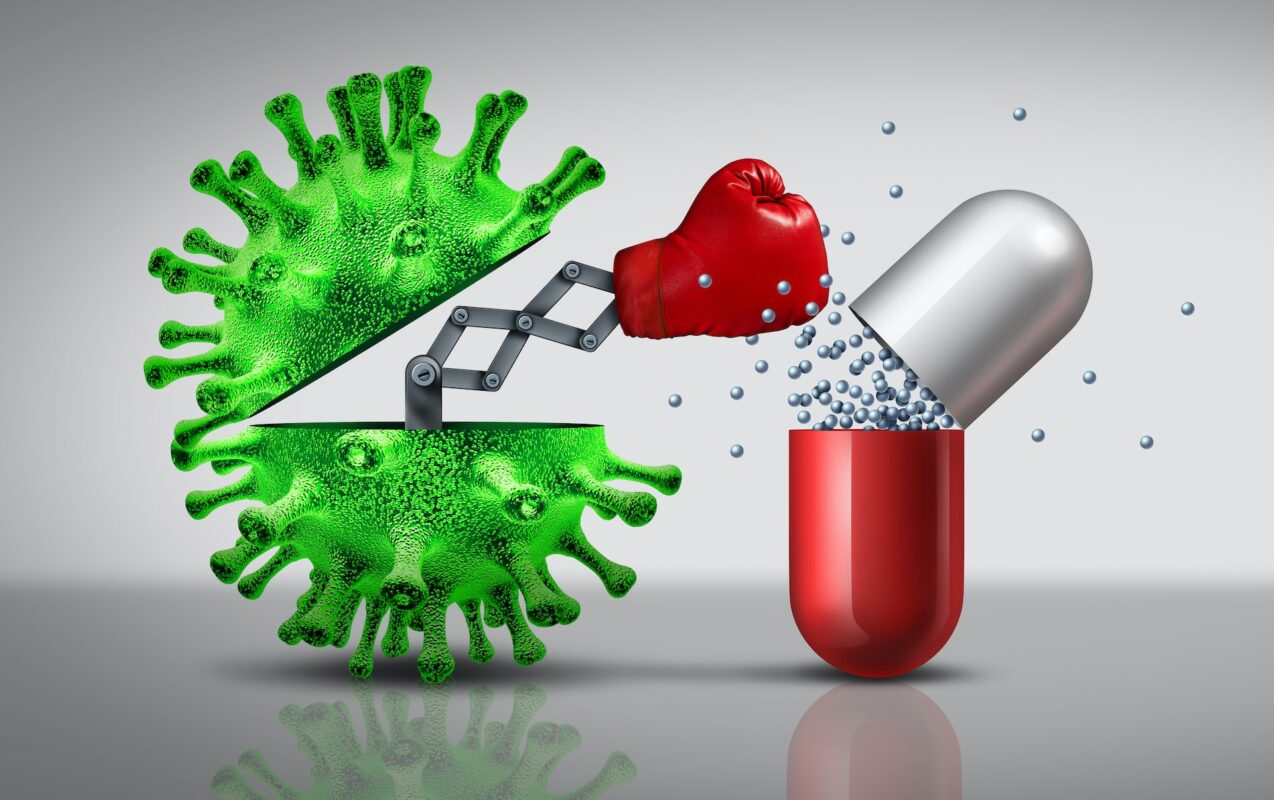
Combating antibiotic resistance: a looming public health threat

Antibiotics have revolutionized modern medicine, saving countless lives by effectively treating bacterial infections. However, the widespread and often inappropriate use of antibiotics has led to a pressing global health concern: antibiotic resistance. This phenomenon occurs when bacteria evolve and become resistant to the drugs designed to kill them. The rise of antibiotic resistance poses a significant threat to public health, highlighting the urgent need for comprehensive strategies to combat this growing problem.

Causes of antibiotic resistance:

  • Overuse and misuse of antibiotics: One of the primary factors contributing to antibiotic resistance is the overuse and misuse of these drugs. Antibiotics are often prescribed for viral infections, which they cannot treat since they are only effective against bacteria. Furthermore, patients sometimes fail to complete their prescribed antibiotic courses, allowing bacteria to survive and develop resistance.
  • Agricultural and livestock practices: The use of antibiotics in agriculture and livestock production is another major contributor to antibiotic resistance. Antibiotics are frequently administered to promote growth and prevent disease in animals, leading to the emergence of antibiotic-resistant bacteria. These resistant strains can then spread to humans through contaminated food, direct contact, or environmental exposure.
  • Lack of new antibiotics: The development of new antibiotics has significantly declined in recent decades. Pharmaceutical companies face numerous challenges in bringing new antibiotics to market, including high costs, low profitability, and regulatory barriers. This limited pipeline of new drugs makes it difficult to combat emerging antibiotic-resistant infections effectively.

Strategies to combat antibiotic resistance:

  • Antibiotic stewardship: Implementing antibiotic stewardship programs is crucial to promoting responsible antibiotic use. These programs focus on optimizing the use of antibiotics by healthcare providers, educating both clinicians and patients about appropriate antibiotic use, and monitoring antibiotic prescribing practices to reduce unnecessary prescriptions.
  • Public awareness and education: Raising awareness among the general public about the risks and consequences of antibiotic resistance is essential. Education campaigns can emphasize the importance of completing prescribed antibiotic courses, the ineffectiveness of antibiotics against viral infections, and the need to consult healthcare professionals before taking antibiotics.
  • Enhanced infection prevention and control: Strengthening infection prevention and control measures can help reduce the need for antibiotics. This includes implementing stringent hygiene practices in healthcare settings, promoting vaccination to prevent infections, and adopting measures to prevent the transmission of resistant bacteria between humans and animals.
  • Research and development: Encouraging research and development efforts to discover new antibiotics is vital. Governments, academic institutions, and pharmaceutical companies should collaborate to incentivize the development of novel antimicrobial drugs. Additionally, investment in alternative therapies, such as phage therapy and immunotherapies, can provide alternative solutions to combat bacterial infections.
  • International collaboration: Antibiotic resistance is a global issue that requires international collaboration. Governments, healthcare organizations, and regulatory bodies must work together to establish and enforce appropriate regulations and guidelines for antibiotic use. Sharing surveillance data and coordinating efforts to combat antibiotic resistance can help prevent the spread of resistant strains across borders.

Antibiotic resistance poses a significant threat to public health, jeopardizing our ability to treat common bacterial infections effectively. To combat this growing problem, it is essential to address the causes of antibiotic resistance through antibiotic stewardship, public awareness campaigns, enhanced infection prevention and control measures, increased research and development efforts, and international collaboration. By implementing these strategies, we can protect the efficacy of antibiotics, preserve their life-saving potential, and safeguard public health for generations to come.

Understanding the opioid epidemic: causes and solutions

The opioid epidemic has become a major public health crisis, impacting individuals, families, and communities across the globe. This alarming rise in opioid misuse and addiction has led to devastating consequences, including a significant increase in overdose deaths. To effectively address this epidemic, it is crucial to understand its causes and explore potential solutions.

Causes of the opioid epidemic:

  • Prescription practices: One of the leading causes of the opioid epidemic is the over-prescription and misuse of prescription painkillers. In the late 1990s, pharmaceutical companies reassured the medical community that prescription opioids had minimal addictive potential. This led to a surge in opioid prescriptions, creating a widespread reliance on these drugs.
  • Lack of public awareness: Many individuals were unaware of the addictive nature of opioids, leading to the underestimation of their risks. Patients and healthcare professionals were often unaware of the potential for dependency and the proper management of opioid use. This lack of awareness contributed to the widespread misuse and addiction.
  • Economic factors: Economic disparities and limited access to healthcare also play a role in the opioid epidemic. Individuals facing chronic pain or inadequate access to healthcare may turn to opioids as a more affordable or accessible option. Additionally, economic factors can contribute to stress, which is often a precursor to substance abuse.
  • Pharmaceutical marketing: Aggressive marketing strategies employed by pharmaceutical companies further fueled the opioid epidemic. The promotion of opioids for chronic pain management without sufficient evidence of long-term efficacy contributed to their widespread use and subsequent addiction.

Solutions to address the epidemic:

  • Improved prescription practices: Enhancing prescription guidelines and promoting responsible prescribing practices is crucial to combating the opioid crisis. Healthcare professionals should be educated on the risks of opioids and alternative pain management strategies. Implementing prescription monitoring programs can help identify and prevent excessive prescribing.
  • Public education: Raising awareness among the general public about the dangers of opioid misuse is essential. Educational campaigns can focus on proper medication use, storage, and disposal methods. Additionally, promoting alternative pain management techniques, such as physical therapy and non-opioid medications, can help reduce reliance on opioids.
  • Access to treatment and recovery services: Expanding access to evidence-based addiction treatment and recovery services is vital for individuals struggling with opioid addiction. This includes increasing the availability of medication-assisted treatment (MAT) programs that combine behavioral therapies with medications like methadone or buprenorphine to manage cravings and withdrawal symptoms.
  • Harm reduction strategies: Implementing harm reduction strategies can save lives and reduce the negative consequences of opioid misuse. These strategies include the widespread distribution of naloxone, an opioid overdose reversal medication, and establishing safe injection sites where individuals can use drugs under medical supervision.
  • Collaboration and regulation: Collaboration among healthcare providers, law enforcement agencies, policymakers, and community organizations is essential to effectively combat the opioid epidemic. Implementing stricter regulations on pharmaceutical marketing practices and improving access to addiction treatment can be achieved through collective efforts and policy changes.

Addressing the opioid epidemic requires a multifaceted approach that involves improving prescription practices, raising public awareness, expanding access to treatment and recovery services, implementing harm reduction strategies, and fostering collaboration among various stakeholders. By understanding the underlying causes and implementing comprehensive solutions, it is possible to mitigate the devastating impact of the opioid epidemic and promote healthier communities.

The rising burden of mental health disorders: a global crisis

In recent years, mental health has emerged as one of the most pressing issues facing societies worldwide. The burden of mental health disorders has been steadily increasing, transforming into a global crisis that demands urgent attention. The World Health Organization (WHO) estimates that approximately 1 in 4 people will experience a mental health disorder at some point in their lives, making it a widespread and pervasive problem affecting individuals, families, and communities.

The alarming rise in mental health disorders can be attributed to various factors. Firstly, rapid societal changes, such as urbanization, technological advancements, and globalization, have brought about new stressors and challenges. The demands of modern life, coupled with increased social isolation and reduced support networks, have taken a toll on individuals’ mental well-being. Moreover, economic uncertainties, job insecurity, and financial pressures have added to the strain, creating a breeding ground for mental health disorders to flourish.

Another contributing factor is the persisting stigma and discrimination surrounding mental health. Many societies still perceive mental illnesses as a sign of weakness or personal failure, leading to reluctance in seeking help and support. This stigma further exacerbates the burden of mental health disorders, as individuals suffer silently, without accessing the necessary treatment and care.

The consequences of this global crisis are far-reaching. Mental health disorders not only affect individuals’ quality of life but also have significant social and economic implications. Productivity losses, increased healthcare costs, and the impact on families and communities all contribute to a heavy burden on societies. The WHO estimates that mental health disorders cost the global economy over $1 trillion per year, a staggering figure that highlights the urgent need for intervention and investment.

Furthermore, the burden of mental health disorders is not evenly distributed. Low- and middle-income countries bear a disproportionate share of the crisis, with limited resources and inadequate mental health services. The treatment gap in these countries is alarmingly wide, leaving millions without access to essential care. Even in high-income countries with robust healthcare systems, mental health services are often under-resourced and struggle to meet the growing demand.

Addressing the rising burden of mental health disorders requires a comprehensive and multi-faceted approach. Governments, international organizations, healthcare providers, and communities must work together to prioritize mental health as a fundamental component of public health. This involves destigmatizing mental illnesses, raising awareness, and promoting early intervention and prevention.

Investment in mental health services and infrastructure is crucial. This includes increasing the availability of mental health professionals, ensuring affordable and accessible treatment options, and integrating mental health into primary healthcare systems. Telemedicine and digital health platforms have also emerged as valuable tools to extend mental health services to remote or underserved populations.

Education plays a vital role in combating the global crisis of mental health disorders. By integrating mental health literacy into school curricula and workplace training, we can promote understanding, empathy, and early identification of mental health issues. Encouraging open conversations about mental health and providing support systems in educational and work settings can create a supportive environment that nurtures mental well-being.

International collaboration is paramount in tackling this global crisis. Sharing best practices, research findings, and resources can help countries develop effective strategies for mental health promotion, prevention, and treatment. By working together, we can overcome barriers, break down stigma, and build a healthier, more compassionate world.

In conclusion, the rising burden of mental health disorders is a global crisis that demands immediate attention. It affects individuals, families, communities, and economies, with far-reaching consequences. Addressing this crisis requires collective action, including destigmatization, increased investment in mental health services, education, and international collaboration. By prioritizing mental health as a fundamental aspect of overall well-being, we can strive towards a world where everyone has access to the support and care they need to lead fulfilling lives.

Smart implants: monitoring and regulating health in real-time

Advancements in medical technology have led to groundbreaking innovations in the field of healthcare. One such remarkable development is the emergence of smart implants, which have revolutionized the way we monitor and regulate our health. These cutting-edge devices are designed to be implanted inside the human body, enabling real-time monitoring and regulation of various health parameters. This article explores the incredible potential of smart implants and their implications for the future of healthcare.

Real-time health monitoring,

Smart implants provide continuous and real-time monitoring of vital health parameters. By incorporating sensors, these implants can collect data such as heart rate, blood pressure, body temperature, oxygen levels, and even specific biomarkers. This wealth of information enables healthcare professionals to gain comprehensive insights into a patient’s condition, allowing for prompt and accurate diagnosis, intervention, and personalized treatment plans.

The data collected by smart implants can be wirelessly transmitted to external devices such as smartphones or dedicated medical monitoring systems. This allows doctors and patients to access the information remotely, enhancing convenience and improving patient outcomes. Real-time monitoring not only improves the accuracy of diagnosis but also enables early detection of potential health issues, facilitating proactive interventions and preventive measures.

Regulating health parameters,

Beyond monitoring, smart implants are capable of actively regulating various health parameters. By integrating actuators or drug delivery systems, these implants can administer medications, adjust dosages, and provide targeted therapy directly to affected areas. For instance, in the case of chronic conditions such as diabetes, smart implants can regulate insulin levels automatically, alleviating the need for constant monitoring and manual injections.

Additionally, smart implants can help regulate neural activity, providing relief for patients with conditions like Parkinson’s disease or epilepsy. By delivering electrical impulses or medication precisely to affected areas, these implants can effectively manage symptoms and improve the quality of life for patients.

Enhancing prosthetics and restoring functionality,

Smart implants also play a crucial role in the realm of prosthetics. Traditionally, prosthetic limbs have relied on mechanical functionality, limiting their range of motion and versatility. However, with the integration of smart implants, prosthetics can now interface directly with the nervous system, allowing for more natural movement and sensory feedback.

By connecting sensors and actuators to the remaining nerves and muscles, smart implants can enable amputees to control their prosthetic limbs with their thoughts, enhancing their mobility and independence. Moreover, sensory feedback systems can simulate the sense of touch, allowing users to perceive pressure, temperature, and texture through their artificial limbs.

Challenges and ethical considerations,

While smart implants hold tremendous promise, several challenges and ethical considerations need to be addressed. The security and privacy of patient data transmitted wirelessly is of paramount importance, as any vulnerability could lead to unauthorized access or manipulation of sensitive medical information. Robust encryption and data protection measures must be implemented to safeguard patient privacy.

Another concern revolves around the potential for device malfunction or failure. As smart implants are embedded within the body, any technical issues could have severe consequences for patient health. Rigorous testing, regulatory oversight, and regular maintenance are essential to minimize the risk of such failures and ensure the safety and reliability of these devices.

Smart implants have opened up new frontiers in healthcare, enabling real-time monitoring and regulation of vital health parameters. With their ability to collect and transmit data, regulate bodily functions, and enhance prosthetics, these implants have the potential to significantly improve patient outcomes and quality of life. As technology continues to advance, further research, development, and collaboration among medical professionals, engineers, and regulatory bodies will be crucial in realizing the full potential of smart implants and shaping the future of healthcare.

The future of medical education: incorporating virtual and augmented reality

Advancements in technology have revolutionized various industries, and the field of medical education is no exception. Virtual reality (VR) and augmented reality (AR) are transforming the way medical students learn, practice, and engage with complex medical concepts. These immersive technologies offer unparalleled opportunities to enhance medical education and prepare future healthcare professionals for the challenges of an ever-evolving healthcare landscape. In this article, we will explore the potential of virtual and augmented reality in medical education and discuss how they are shaping the future of healthcare training.

Enhanced visualization and immersive learning,

One of the significant advantages of virtual and augmented reality in medical education is the ability to provide enhanced visualization. VR and AR technologies enable medical students to immerse themselves in realistic, three-dimensional environments, allowing them to explore intricate anatomical structures and physiological processes in ways that traditional textbooks or two-dimensional illustrations cannot replicate.

With VR headsets, medical students can enter virtual operating rooms, view medical procedures from the surgeon’s perspective, and practice surgical techniques in a simulated environment. This hands-on experience fosters a deeper understanding of the complexities of surgical interventions, promotes spatial awareness, and helps students develop the necessary motor skills and muscle memory required for delicate procedures.

AR complements VR by overlaying digital information onto the real-world environment. Medical students can use AR-enabled devices, such as smart glasses or tablets, to superimpose anatomical models or patient data onto the patient’s body during examinations. This technology provides real-time guidance, allowing students to visualize internal structures without invasive procedures, aiding in accurate diagnosis and treatment planning.

Simulation-based training and risk-free practice,

Virtual and augmented reality technologies offer a safe and controlled environment for medical students to engage in simulation-based training. Simulations allow learners to practice medical procedures, make critical decisions, and experience realistic patient scenarios without the risk of harming real patients.

Through VR simulations, students can encounter various clinical situations, including medical emergencies, rare diseases, and challenging diagnostic cases. They can analyze symptoms, order diagnostic tests, interpret results, and make informed treatment decisions in a virtual setting. This iterative and immersive learning experience helps students develop their clinical reasoning skills, improve decision-making abilities, and gain confidence before working with real patients.

AR enhances the traditional clinical skills training by overlaying instructional information and guidance onto real-world scenarios. For example, medical students can practice performing ultrasound-guided procedures on mannequins while simultaneously receiving real-time feedback and visualizations through AR glasses. This combination of real-time guidance and hands-on practice accelerates the learning process and enhances skill acquisition.

Collaborative learning and remote education,

Virtual and augmented reality technologies also bridge the gap between distant learners and educational resources. Medical students can participate in collaborative learning experiences, regardless of their physical location. Through VR or AR, students can connect with their peers, instructors, and healthcare professionals from around the world, sharing knowledge, discussing cases, and collaborating on research projects.

Remote education becomes more accessible through virtual and augmented reality, especially in underserved areas with limited access to medical training facilities. Students can access high-quality educational content, attend virtual lectures, and engage in interactive sessions with experts. This democratization of medical education empowers aspiring healthcare professionals globally and helps address the shortage of skilled healthcare workers in various regions.

Ethical and social impact,

As medical education incorporates virtual and augmented reality, it is crucial to address the ethical considerations and potential social impact of these technologies. Safeguarding patient privacy, ensuring data security, and maintaining ethical standards are paramount when integrating VR and AR into medical education.

Additionally, it is important to ensure that virtual and augmented reality technologies do not replace real patient interactions and the development of crucial interpersonal skills in future healthcare professionals. While these technologies offer invaluable learning experiences, they should be seen as complementary tools to traditional medical education rather than complete substitutes.

The future of medical education lies in the seamless integration of virtual and augmented reality technologies. By providing enhanced visualization, immersive learning experiences, simulation-based training, collaborative learning, and remote education, VR and AR offer unparalleled opportunities to train the next generation of healthcare professionals. However, it is essential to strike a balance between technological advancements and preserving the fundamental aspects of patient-centered care. With proper implementation and ethical considerations, virtual and augmented reality have the potential to revolutionize medical education, preparing healthcare professionals to meet the ever-evolving challenges of the healthcare industry.

Bioengineering Solutions for Tissue Regeneration: From Skin to Organs

In the field of medicine, tissue regeneration plays a crucial role in addressing the growing need for viable solutions to treat various diseases and injuries. Traditional treatment approaches often fall short in fully restoring the structure and function of damaged tissues and organs. However, advancements in bioengineering have paved the way for innovative solutions that hold great promise for tissue regeneration. From the regeneration of skin to the complex challenge of organ regeneration, bioengineering techniques offer tremendous potential to revolutionize healthcare. In this article, we will explore some of the remarkable bioengineering solutions that are transforming the landscape of tissue regeneration.

Skin regeneration,

Skin, the largest organ of the human body, acts as a protective barrier against external threats. Severe burns, chronic wounds, or skin diseases can result in substantial tissue loss and impair its essential functions. Bioengineered skin substitutes have emerged as a groundbreaking solution to promote effective skin regeneration. These substitutes often consist of a combination of cells, scaffolds, and growth factors that mimic the structure and function of native skin.

One such approach involves the use of tissue-engineered skin grafts. Scientists culture skin cells in the laboratory and seed them onto a biocompatible scaffold. The resulting bioengineered skin grafts can be transplanted onto the patient’s wound, promoting cell proliferation and tissue regeneration. Additionally, 3D bioprinting techniques offer the potential to precisely construct complex skin structures with a high degree of customization, further enhancing the regeneration process.

Bone and cartilage regeneration,

The repair and regeneration of damaged bones and cartilage present significant challenges due to their complex structure and limited regenerative capacity. Bioengineering strategies offer promising solutions to overcome these hurdles. One such approach involves the use of biomaterials, such as hydrogels or bioceramics, combined with stem cells or growth factors to stimulate tissue regeneration.

In the case of bone regeneration, bioactive scaffolds can be implanted into the damaged area, providing a supportive environment for bone-forming cells to proliferate and differentiate. Similarly, bioengineered cartilage substitutes aim to mimic the native tissue’s mechanical properties and cellular composition. Advances in 3D printing technology enable the fabrication of patient-specific cartilage implants, enhancing the regeneration process further.

Organ regeneration,

Organ transplantation has been a life-saving procedure for patients with end-stage organ failure. However, the demand for donor organs far exceeds the supply, leading to lengthy waiting lists and significant health implications. Bioengineering offers a potential solution by enabling the regeneration of functional organs.

Scientists are exploring various strategies for organ regeneration, including the use of decellularized scaffolds and stem cell-based approaches. Decellularization involves removing cells from donor organs, leaving behind a scaffold composed of extracellular matrix proteins. This scaffold can then be repopulated with patient-derived stem cells, promoting the regeneration of functional tissue.

Moreover, the emerging field of organoid technology allows scientists to create miniature organ-like structures in the laboratory. Organoids are self-organizing three-dimensional cell cultures that recapitulate certain aspects of organ development and function. Although still in its early stages, organoids hold immense potential for studying disease mechanisms and screening potential drug candidates.

Challenges and future perspectives,

While bioengineering solutions for tissue regeneration offer remarkable potential, several challenges need to be addressed to realize their full clinical impact. Achieving long-term functionality, vascularization, immune system integration, and ethical considerations are among the key areas that require further research and development.

The future of tissue regeneration lies in the interdisciplinary collaboration between biologists, engineers, and medical professionals. By combining their expertise, innovative approaches and technologies can be developed to overcome current limitations and accelerate the translation of bioengineering solutions into clinical practice.

Bioengineering solutions for tissue regeneration have opened up new possibilities in the field of medicine. From the regeneration of skin to the complex challenge of organ regeneration, innovative techniques and technologies are reshaping the future of healthcare. As research continues to advance, we can expect bioengineered solutions to play an increasingly significant role in restoring the structure and function of damaged tissues and organs, ultimately improving the quality of life for countless patients worldwide.

The promise of organ-on-a-chip technology: revolutionizing drug testing and research

In the realm of pharmaceutical development, the race to create safe and effective drugs is a never-ending challenge. However, traditional methods of drug testing, such as animal models and cell cultures, often fall short in accurately predicting human responses to potential treatments. Enter organ-on-a-chip technology, a groundbreaking innovation that holds the promise of revolutionizing drug testing and research.

  • Mimicking uman physiology: Organ-on-a-chip technology involves the creation of miniature 3D models that simulate the structure and function of human organs, such as the heart, lung, liver, kidney, and even more complex systems like the gastrointestinal tract. These tiny, self-contained systems replicate the microenvironment of the organs, including the interactions between different cell types, fluid flow, and mechanical forces. By recreating the physiological conditions experienced by human organs, organ-on-a-chip platforms provide a more accurate representation of human biology than traditional methods.
  • Predicting human responses: One of the primary advantages of organ-on-a-chip technology is its ability to predict human responses to drugs with higher accuracy than animal models or static cell cultures. These chips incorporate human cells or tissue samples, allowing researchers to observe the effects of drugs and test their efficacy and toxicity on human cells directly. This technology enables a more personalized approach to drug testing, as it can account for individual variations in response, reducing the risk of adverse reactions and increasing the likelihood of successful treatments.
  • Accelerating drug development: Traditional drug development processes are time-consuming and costly, often requiring several years and substantial investments. Organ-on-a-chip technology has the potential to expedite this process by enabling more efficient screening of potential drug candidates. With the ability to recreate multiple organs on a single chip, researchers can evaluate the systemic effects of a drug, observing how it interacts with different organs simultaneously. This accelerates the identification of promising drug candidates and allows for quicker decision-making in the drug development pipeline.
  • Reducing animal testing: Ethical concerns surrounding animal testing have been a topic of debate for years. Organ-on-a-chip technology offers a viable alternative by significantly reducing the reliance on animal models. While animal testing may still be necessary in certain cases, organ-on-a-chip platforms allow researchers to obtain more relevant and reliable data directly from human cells, minimizing the need for animal studies. This advancement in technology not only addresses ethical concerns but also contributes to reducing the cost and time associated with animal testing.
  • Advancing personalized medicine: The concept of personalized medicine, tailoring treatments to an individual’s specific needs, is gaining momentum in the medical field. Organ-on-a-chip technology plays a pivotal role in advancing this paradigm. By incorporating patient-specific cells into these chips, researchers can mimic the unique characteristics of an individual’s organs, allowing for personalized drug testing and treatment optimization. This approach has the potential to revolutionize the way we develop and administer medicines, leading to more effective therapies and improved patient outcomes.
  • Studying disease mechanisms: Organ-on-a-chip technology not only enables drug testing but also facilitates the study of disease mechanisms. These chips can be engineered to replicate disease conditions, providing researchers with valuable insights into the underlying causes and progression of various diseases. By simulating disease environments, organ-on-a-chip models enable the testing of potential treatments and the exploration of disease pathways, offering a deeper understanding of complex diseases and opening new avenues for therapeutic interventions.

In conclusion, organ-on-a-chip technology represents a significant leap forward in drug testing and research. By accurately mimicking human physiology, predicting human responses, expediting drug development, reducing animal testing, advancing personalized medicine, and facilitating disease studies, these innovative platforms hold the promise of transforming the pharmaceutical industry. As this technology continues to evolve and become more sophisticated, we can anticipate a future where safer, more effective drugs are developed faster, leading to improved patient care and outcomes.