
loader

Month: June 2023

Genital cancer: types, detection, and treatment options

Cancer can affect various parts of the body, including the genital region. Genital cancer refers to the development of malignant tumors in the reproductive organs, such as the cervix, uterus, ovaries, vagina, vulva, penis, and testicles. Understanding the different types of genital cancer, methods of detection, and available treatment options is crucial for early diagnosis and effective management. In this article, we will explore the various aspects of genital cancer.

Types of genital cancer:

  • Cervical cancer: This type of cancer starts in the cells lining the cervix, the lower part of the uterus that connects to the vagina. Cervical cancer is often caused by persistent infection with certain types of human papillomavirus (HPV).
  • Uterine (Endometrial) cancer: Uterine cancer originates in the lining of the uterus, known as the endometrium. It is the most common type of genital cancer in women and is often detected early due to noticeable symptoms such as abnormal vaginal bleeding.
  • Ovarian cancer: Ovarian cancer begins in the ovaries, the reproductive organs that produce eggs. It is known as the “silent killer” because it is often diagnosed at an advanced stage when symptoms appear. Common symptoms include bloating, pelvic pain, changes in bowel habits, and a feeling of fullness.
  • Vaginal cancer: Vaginal cancer develops in the cells lining the vagina, the muscular canal connecting the uterus to the external genitalia. It is a rare type of cancer and may cause symptoms like abnormal vaginal bleeding, pain during intercourse, and vaginal discharge.
  • Vulvar cancer: Vulvar cancer forms in the external genital area of women, known as the vulva. It can cause itching, pain, tenderness, and changes in the skin color or thickness of the vulva.
  • Penile cancer: Penile cancer affects the penis and usually starts on the skin cells of the glans or foreskin. Symptoms may include lumps, sores, or ulcers on the penis, and changes in its color or thickness.
  • Testicular cancer: Testicular cancer develops in the testicles, the male reproductive organs responsible for sperm production. It is relatively rare but more common in younger men. Symptoms may include a lump or swelling in the testicle, pain or discomfort, and a feeling of heaviness.

Detection of genital cancer:

Early detection plays a critical role in successfully treating genital cancer. Regular check-ups and screenings can help identify potential abnormalities. The following methods are commonly used for detection:

  • Pap smear: A pap smear is a screening test used primarily to detect cervical cancer. It involves collecting cells from the cervix and examining them for abnormalities. This test can also identify precancerous conditions, enabling early intervention.
  • Pelvic examination: A pelvic examination allows healthcare professionals to evaluate the reproductive organs in women. It can help detect abnormalities in the cervix, uterus, ovaries, and vagina. Any suspicious findings may lead to further diagnostic tests.
  • Transvaginal ultrasound: This imaging technique uses sound waves to create images of the reproductive organs. It is particularly useful in detecting abnormalities in the uterus and ovaries.
  • Biopsy: A biopsy involves the removal of a small sample of tissue for laboratory analysis. It is often performed when an abnormality is found during a pelvic examination or imaging tests. A biopsy confirms the presence of cancer cells and determines the cancer type.
  • Blood tests: Certain blood tests, such as the CA-125 test, can be helpful in detecting ovarian cancer. Elevated levels of specific markers may indicate the presence of cancer or other related conditions.

Treatment options for genital cancer:

The treatment for genital cancer depends on various factors, including the type and stage of cancer, as well as the individual’s overall health. The primary treatment options include:

  • Surgery: Surgery is a common treatment approach for genital cancer. It involves removing the tumor and surrounding tissues. The extent of the surgery depends on the type and stage of cancer. In some cases, lymph nodes in the surrounding area may also be removed.
  • Radiation therapy: Radiation therapy uses high-energy rays to kill cancer cells or prevent their growth. It can be administered externally or internally, depending on the location and stage of the cancer. Radiation therapy is often used as a primary treatment or in combination with surgery or chemotherapy.
  • Chemotherapy: Chemotherapy involves using drugs to kill cancer cells throughout the body. It is often used when cancer has spread beyond the primary site or as an adjuvant therapy to surgery or radiation. Chemotherapy can be administered orally or intravenously.
  • Targeted therapy: Targeted therapy focuses on specific abnormalities within cancer cells that promote their growth. These drugs interfere with the cancer cells’ ability to grow and divide, minimizing damage to healthy cells.
  • Hormone therapy: Hormone therapy is primarily used in the treatment of certain genital cancers, such as uterine and ovarian cancer. It works by altering hormone levels or blocking their effects on cancer cells, thereby inhibiting their growth.
  • Immunotherapy: Immunotherapy helps stimulate the body’s immune system to recognize and attack cancer cells. It is a promising treatment option that has shown effectiveness in various cancers, including some genital cancers.

In addition to these treatment options, clinical trials may be available for individuals with genital cancer. Clinical trials test new approaches and therapies, offering alternative treatment possibilities and advancing medical knowledge.

Genital cancer encompasses a range of malignancies affecting the reproductive organs. Early detection through regular screenings and prompt treatment significantly improves the chances of successful outcomes. If you experience any concerning symptoms or are due for a routine check-up, it is essential to consult a healthcare professional. By raising awareness, promoting early detection, and advancing treatment options, we can strive to combat genital cancer and improve the quality of life for those affected.


Pawsitive prescriptions: exploring the role of medical animals in healthcare

In recent years, the field of healthcare has expanded to embrace a new form of therapy that incorporates the healing power of animals. From dogs and cats to horses and even dolphins, medical animals have made their way into hospitals, clinics, and rehabilitation centers around the world. These furry and feathered companions are not just pets; they are trained professionals who play a vital role in improving the physical, mental, and emotional well-being of patients. This article delves into the remarkable world of medical animals and explores their growing importance in modern healthcare.

The science behind animal-assisted therapy,

Animal-assisted therapy (AAT) is a therapeutic approach that involves interactions between patients and specially trained animals under the guidance of healthcare professionals. AAT has been shown to provide numerous benefits, including reduced anxiety, improved mood, increased socialization, and enhanced overall quality of life. The presence of animals has a remarkable effect on human physiology, leading to the release of endorphins, oxytocin, and other “feel-good” hormones that promote healing and well-being.

Types of medical animals,

Various types of animals can be employed in medical settings depending on the needs of patients and the nature of the therapy. Dogs, known for their unwavering loyalty and companionship, are the most common medical animals. They can provide emotional support, assist individuals with physical disabilities, and even detect medical conditions such as seizures or low blood sugar levels.

Cats, with their calming presence and soothing purrs, are often used in therapeutic settings to help reduce stress and anxiety. Their gentle interactions with patients can provide solace during challenging times.

Equine therapy, involving interactions with horses, has proven to be immensely beneficial for individuals with physical, emotional, or cognitive conditions. The rhythmic motion of horseback riding can improve balance, coordination, and muscle strength, while the bond formed between the patient and the horse fosters trust and self-confidence.

Dolphins are another remarkable example of medical animals. Their playful nature and ability to connect with humans have been utilized in aquatic therapy for individuals with disabilities or injuries. The buoyancy of water and the gentle touch of dolphins provide a unique healing experience.

Applications of medical animals,

Medical animals are being employed in a wide range of healthcare settings. In hospitals, they visit patients’ rooms, offering comfort and companionship to individuals going through challenging treatments or recovering from surgeries. They bring joy and distraction, making the hospital environment more bearable for patients, especially children.

In mental health facilities, medical animals assist therapists in providing emotional support to individuals with psychiatric disorders, such as depression, anxiety, and post-traumatic stress disorder. The non-judgmental nature of animals creates a safe space for patients to express their emotions and facilitates the development of trust and rapport.

Additionally, medical animals are used in rehabilitation centers to aid patients in their recovery process. For example, a stroke patient may benefit from equine therapy to improve motor skills and regain balance and coordination. Similarly, individuals with autism spectrum disorders may find comfort and improve social skills through interactions with therapy dogs.

Ethical considerations and training,

While the benefits of medical animals are evident, it is crucial to prioritize the welfare and safety of both the animals and the patients. Organizations involved in animal-assisted therapy follow strict guidelines to ensure proper animal welfare, hygiene, and infection control measures. These animals undergo rigorous training and evaluations to ensure they are suitable for therapeutic work and can handle different situations with calmness and patience.

Medical animals have emerged as invaluable additions to modern healthcare, providing a holistic and pawsitive approach to healing. Their presence and interactions with patients have a profound impact on physical, mental, and emotional well-being, offering a complementary therapy alongside conventional treatments. As the field of animal-assisted therapy continues to evolve, it is essential to recognize and appreciate the significant contributions these furry companions make in the lives of patients, bringing hope, comfort, and healing, one paw at a time.

The science behind the fur: understanding the psychological and physiological effects of medical animals

Medical animals, such as therapy dogs, cats, and other trained animals, have become increasingly prevalent in healthcare settings, offering support and comfort to individuals undergoing medical treatments or facing emotional challenges. These remarkable animals possess a unique ability to provide emotional support and offer numerous psychological and physiological benefits to those in need. In this article, we delve into the science behind the fur, exploring the profound effects that medical animals can have on individuals’ well-being.

Psychological Benefits

  • Reducing stress and anxiety: Interacting with medical animals has been shown to lower stress levels and reduce anxiety. Spending time with these animals can release endorphins and oxytocin, which are neurotransmitters associated with pleasure and social bonding, leading to a sense of calm and relaxation.
  • Enhancing mood and alleviating depression: Medical animals can provide a source of companionship and unconditional love, significantly boosting the mood of individuals experiencing depression or feelings of loneliness. The presence of these animals promotes the release of serotonin and dopamine, neurotransmitters associated with happiness and well-being.
  • Easing emotional distress: Medical animals offer a safe and non-judgmental space for individuals to express their emotions. They provide a comforting presence and can help individuals cope with grief, trauma, or other emotional distress. The act of petting an animal can provide a soothing effect, reducing feelings of sadness and promoting emotional healing.

Physiological Benefits

  • Lowering blood pressure and heart rate: Studies have indicated that interacting with medical animals can lead to a decrease in blood pressure and heart rate, even in stressful situations. This effect is attributed to the animals’ calming presence, which helps individuals relax and promotes cardiovascular health.
  • Boosting the immune system: It has been observed that the presence of medical animals can positively impact the immune system. Petting and cuddling animals have been linked to increased production of antibodies and enhanced immune function. This can potentially lead to a stronger defense against illnesses and a faster recovery process.
  • Pain reduction and improved healing: Engaging with medical animals has been associated with reduced pain perception and increased pain tolerance. The release of endorphins and other feel-good hormones during interactions with these animals can act as natural pain relievers. Additionally, pet therapy has been found to facilitate physical healing by promoting relaxation and reducing stress, which can enhance the body’s ability to recover.

The science behind the fur reveals the profound impact that medical animals can have on individuals’ psychological and physiological well-being. Their presence in healthcare settings offers a unique form of support, helping to alleviate stress, anxiety, depression, and emotional distress. Furthermore, interactions with these animals contribute to lowered blood pressure, reduced heart rate, boosted immune system function, and even pain reduction.

As medical professionals recognize the significant benefits that medical animals provide, the integration of animal-assisted therapy continues to grow. However, it is important to note that not all animals are suitable for medical therapy, as proper training and certification are essential to ensure the well-being and safety of both the animals and the individuals they interact with.

In summary, the presence of medical animals offers a powerful and scientifically supported approach to enhance the overall well-being of individuals in need. By understanding and embracing the science behind the fur, we can continue to harness the positive effects of these remarkable animals and provide a holistic approach to healing and emotional support in various healthcare settings.

Workings of the human ear: how we hear and interpret sound

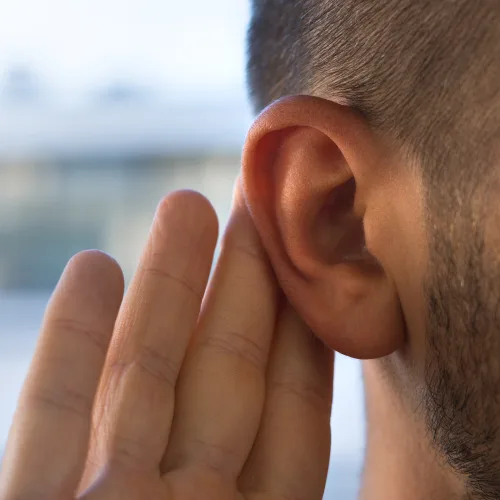
The human ear is an extraordinary organ that enables us to experience the rich tapestry of sounds that surround us every day. From the beautiful melodies of music to the subtle whispers of conversation, our ears play a crucial role in our ability to communicate and navigate the world. But have you ever wondered how the intricate mechanisms within our ears allow us to hear and interpret sound? Let’s take a closer look at the inner workings of the human ear.

The ear can be divided into three main sections: the outer ear, the middle ear, and the inner ear. Each section plays a unique role in the process of hearing, working together seamlessly to convert sound waves into meaningful information that our brains can comprehend.

We begin our exploration with the outer ear, which consists of the pinna and the ear canal. The pinna, the visible part of the ear, helps to collect sound waves and direct them into the ear canal. As sound waves travel through the ear canal, they eventually reach the eardrum, a thin membrane that separates the outer ear from the middle ear.

When sound waves strike the eardrum, they cause it to vibrate. These vibrations are then transmitted to the middle ear, where three tiny bones, known as the ossicles, come into play. The ossicles, named the malleus (hammer), incus (anvil), and stapes (stirrup), amplify the vibrations received from the eardrum and transmit them to the inner ear.

Now we enter the inner ear, a complex structure filled with fluid. At the heart of the inner ear lies the cochlea, a spiral-shaped organ that plays a pivotal role in converting sound vibrations into electrical signals that our brain can interpret. As the vibrations from the ossicles reach the cochlea, they cause the fluid within it to ripple, stimulating thousands of microscopic hair cells.

These hair cells are the sensory receptors of the ear, and their movement triggers electrical impulses. The impulses generated by the hair cells travel along the auditory nerve, a bundle of nerve fibers, to the brain. Here, the brain interprets these electrical signals as sound, allowing us to perceive and make sense of the world of auditory information around us.

It’s important to note that the cochlea is not the only structure in the inner ear involved in our hearing process. The inner ear also houses the semicircular canals, which are responsible for our sense of balance and spatial orientation. These canals detect the movement and rotation of our heads, providing crucial input to help us maintain stability and coordination.

Furthermore, the inner ear also contains the vestibular system, which is closely connected to our sense of balance. The vestibular system detects changes in head position and movement, sending signals to the brain that allow us to stay upright and navigate our surroundings effectively.

The intricate workings of the human ear are a testament to the complexity and precision of our biological systems. From the outer ear’s ability to capture sound waves to the inner ear’s transformation of vibrations into electrical signals, every component plays a crucial role in our ability to hear and interpret sound.

Understanding the inner workings of the human ear not only deepens our appreciation for this remarkable organ but also highlights the importance of protecting our hearing health. Exposure to loud noises, age-related changes, and certain medical conditions can all impact our ability to hear. By taking steps to safeguard our hearing and seeking professional care when needed, we can ensure that the symphony of sound continues to enrich our lives for years to come.

The human ear is a marvel of biology, enabling us to hear and interpret the world of sound. Through the collaboration of the outer ear, middle ear, and inner ear, we are able to perceive and appreciate the intricacies of music, language, and the environment around us. As we continue to unlock the mysteries of this extraordinary organ, we gain a deeper understanding of our human experience and the importance of preserving our hearing abilities.

Pregnancy and high blood pressure: risks, complications, and management

Pregnancy is a transformative and exciting time in a woman’s life. However, it can also bring about various health challenges, and one of them is high blood pressure. High blood pressure, also known as hypertension, is a condition characterized by elevated levels of pressure in the blood vessels. When it occurs during pregnancy, it can lead to serious risks and complications for both the mother and the unborn baby. In this article, we will explore the risks associated with pregnancy-induced hypertension, the potential complications that can arise, and the management strategies to ensure a healthy pregnancy.

Risks of High Blood Pressure During Pregnancy:

  • Preeclampsia: Preeclampsia is a potentially life-threatening condition characterized by high blood pressure and damage to organs such as the liver and kidneys. It typically occurs after the 20th week of pregnancy and can lead to complications such as premature birth, low birth weight, and placental abruption.
  • Gestational hypertension: Gestational hypertension refers to high blood pressure that develops after 20 weeks of pregnancy in women who previously had normal blood pressure. Although it does not involve the presence of protein in the urine (a key characteristic of preeclampsia), it still requires careful monitoring as it can progress to preeclampsia.
  • Preterm birth: High blood pressure during pregnancy increases the risk of preterm birth, which is when a baby is born before completing 37 weeks of gestation. Preterm babies may face health issues due to their underdeveloped organs and may require specialized care in a neonatal intensive care unit (NICU).
  • Intrauterine growth restriction (IUGR): Hypertensive disorders can affect the placenta’s ability to deliver oxygen and nutrients to the developing baby, leading to restricted growth. This condition, known as intrauterine growth restriction (IUGR), can result in a low birth weight and developmental challenges for the baby.

Complications Associated with High Blood Pressure During Pregnancy:

  • Eclampsia: Eclampsia is a severe complication of preeclampsia characterized by seizures. It poses a significant risk to both the mother and the baby and requires immediate medical attention.
  • Placental abruption: High blood pressure can increase the likelihood of placental abruption, where the placenta separates from the uterine wall before delivery. This condition can cause heavy bleeding, endangering the lives of both the mother and the baby.
  • Organ damage: Prolonged hypertension during pregnancy can result in damage to vital organs such as the kidneys, liver, and brain. This can have long-term consequences for the mother’s health.

Management Strategies for Pregnancy-Induced Hypertension:

  • Regular prenatal care: Early and consistent prenatal care is essential for identifying and managing high blood pressure during pregnancy. Regular check-ups allow healthcare providers to monitor blood pressure, detect any abnormalities, and provide appropriate interventions.
  • Blood pressure monitoring: Pregnant women with hypertension should monitor their blood pressure regularly at home. This can help detect any sudden spikes or changes and allow for timely medical intervention.
  • Medications: In some cases, healthcare providers may prescribe medications to manage high blood pressure during pregnancy. However, not all blood pressure medications are safe for pregnant women, so it is crucial to work closely with a healthcare professional to find the most suitable and safe options.
  • Lifestyle modifications: Making certain lifestyle changes can help manage high blood pressure during pregnancy. These may include maintaining a healthy diet rich in fruits, vegetables, and whole grains, engaging in regular physical activity as approved by a healthcare provider, and avoiding smoking, alcohol, and excessive caffeine intake.
  • Fetal monitoring: Regular monitoring of the baby’s growth and well-being through ultrasounds, non-stress tests, and other diagnostic procedures is crucial in managing hypertension during pregnancy. This allows healthcare providers to intervene if any complications arise.
  • Hospitalization and early delivery: In severe cases of preeclampsia or when the health of the mother or the baby is at risk, hospitalization and early delivery may be necessary. This decision is made by healthcare professionals based on the specific circumstances and the gestational age of the baby.

Pregnancy-induced hypertension can pose significant risks and complications for both the mother and the baby. However, with proper management, close monitoring, and timely medical intervention, the risks can be minimized. Regular prenatal care, blood pressure monitoring, lifestyle modifications, and appropriate medical treatments are crucial for ensuring a healthy pregnancy and a positive outcome for both mother and baby. If you are pregnant and have high blood pressure or concerns about it, it is important to consult with a healthcare professional who can provide personalized guidance and support throughout your pregnancy journey.

The role of exercise in controlling blood pressure: finding the right workout routine

High blood pressure, also known as hypertension, is a widespread health concern affecting millions of people worldwide. It is often referred to as the “silent killer” because it typically presents no symptoms but can lead to severe health complications such as heart disease, stroke, and kidney problems. While medication and lifestyle modifications play a crucial role in managing hypertension, exercise has emerged as a powerful tool in controlling blood pressure levels. In this article, we will explore the role of exercise in controlling blood pressure and guide you in finding the right workout routine.

Understanding Blood Pressure: Blood pressure is a measure of the force exerted by blood against the walls of arteries as the heart pumps it throughout the body. It is expressed as two numbers: systolic pressure (the higher number) and diastolic pressure (the lower number). The normal range for blood pressure is generally considered to be around 120/80 mmHg.

Hypertension occurs when blood pressure consistently exceeds the normal range. Regularly elevated blood pressure puts strain on the arterial walls and can lead to the development of cardiovascular diseases. Lifestyle factors such as poor diet, sedentary behavior, stress, and obesity can contribute to the development of hypertension.

Exercise and Blood Pressure: Engaging in regular physical activity has been shown to have significant benefits for blood pressure management. Exercise helps lower blood pressure in several ways:

  • Weight management: Regular exercise aids in weight loss or weight maintenance, which is crucial for blood pressure control. Excess weight puts additional strain on the heart and blood vessels, increasing the risk of hypertension. Exercise helps burn calories, reduce body fat, and improve overall body composition.
  • Strengthening the heart: Exercise strengthens the heart muscle, enabling it to pump blood more efficiently. This reduces the force exerted on the arterial walls and subsequently lowers blood pressure.
  • Dilating blood vessels: Physical activity promotes the production of nitric oxide, a compound that helps dilate blood vessels. This dilation improves blood flow and reduces resistance, leading to lower blood pressure levels.
  • Stress reduction: Exercise is a natural stress reliever, helping to reduce the production of stress hormones such as cortisol. Lower stress levels contribute to improved cardiovascular health and blood pressure control.

Finding the Right Workout Routine: When it comes to exercising for blood pressure control, it is important to find a routine that suits your individual needs and preferences. Here are some guidelines to consider:

  • Aerobic exercise: Engage in moderate-intensity aerobic activities such as brisk walking, jogging, cycling, swimming, or dancing. Aim for at least 150 minutes of aerobic exercise per week, spread out over several days.
  • Strength training: Incorporate strength training exercises into your routine. Resistance training, using weights or resistance bands, helps build muscle mass and supports overall cardiovascular health. Aim for two or more sessions per week, targeting major muscle groups.
  • Interval training: Consider adding interval training to your routine. Alternate between periods of high-intensity exercise and recovery periods. Interval training has been shown to be particularly effective in improving cardiovascular fitness and lowering blood pressure.
  • Consistency and progression: Consistency is key. Start slowly and gradually increase the intensity and duration of your workouts. Strive for regular exercise, ideally on most days of the week, to maximize the benefits for blood pressure control.
  • Consult with a healthcare professional: If you have underlying health conditions or concerns, it is important to consult with a healthcare professional before starting an exercise program. They can provide personalized guidance and ensure your exercise routine is safe and suitable for your specific needs.

Incorporating regular exercise into your lifestyle can be a powerful ally in controlling blood pressure. Remember to combine exercise with other healthy lifestyle habits, such as maintaining a balanced diet, managing stress, and avoiding tobacco and excessive alcohol consumption.

In conclusion, exercise plays a vital role in managing blood pressure levels and promoting overall cardiovascular health. By finding the right workout routine, you can harness the benefits of exercise and take control of your blood pressure. Make exercise a priority in your life, and you will reap the rewards of better health and well-being.

The science of sleep: unraveling the mysteries of restful nights

Sleep is a fundamental aspect of human life, occupying approximately one-third of our existence. Despite its ubiquity, sleep remains a mysterious and intriguing phenomenon. Scientists have long been captivated by the intricacies of sleep, delving deep into its mechanisms to understand why it is essential for our physical and mental well-being. In this article, we will explore the science of sleep, unraveling the mysteries behind restful nights.

The Sleep Stages: Sleep is not a monolithic state; rather, it is a complex process composed of different stages. These stages can be broadly categorized into two main types: rapid eye movement (REM) sleep and non-rapid eye movement (NREM) sleep. NREM sleep can be further divided into three stages: N1, N2, and N3.

N1, also known as the transition stage, marks the onset of sleep. During this phase, we may experience a sense of drifting in and out of wakefulness. N2, the most prominent phase of NREM sleep, is characterized by a reduction in heart rate and body temperature. It is during N2 sleep that our brain waves become slower and occasional bursts of rapid brain activity, known as sleep spindles, occur. N3, also referred to as slow-wave sleep (SWS), is the deepest and most restorative stage. It is during this phase that our body repairs tissues, stimulates growth, and strengthens the immune system.

REM sleep, which typically occurs about 90 minutes after falling asleep, is characterized by rapid eye movements and heightened brain activity. It is during REM sleep that vivid dreams commonly occur. This stage is crucial for cognitive function, learning, and memory consolidation.

The Functions of Sleep: Sleep serves numerous vital functions that are essential for our physical and mental health. One primary purpose of sleep is restoration. During deep NREM sleep, the body repairs damaged tissues, synthesizes essential proteins, and replenishes energy stores. Additionally, SWS helps regulate hormones, such as growth hormone, that are critical for growth and development.

Sleep also plays a pivotal role in memory consolidation. During REM sleep, the brain processes and integrates information gathered throughout the day, strengthening neural connections and solidifying memories. This process aids in learning, problem-solving, and creativity.

Moreover, sleep is closely linked to our emotional well-being. Sufficient sleep fosters emotional resilience, while sleep deprivation can lead to increased irritability, mood swings, and a heightened risk of mental health disorders like anxiety and depression. During REM sleep, the brain selectively processes emotional experiences, helping us regulate emotions and maintain psychological equilibrium.

The Circadian Rhythm: Our sleep-wake cycle is regulated by an internal biological clock known as the circadian rhythm. This 24-hour cycle is primarily influenced by external cues, such as sunlight, and is intricately tied to various physiological and behavioral processes. The suprachiasmatic nucleus (SCN) in the brain’s hypothalamus serves as the master pacemaker, synchronizing the circadian rhythm with the environmental cues.

Disruptions to the circadian rhythm, such as jet lag or shift work, can have profound effects on our sleep patterns and overall well-being. Irregular sleep-wake cycles can lead to sleep disorders, impaired cognitive function, and increased susceptibility to various health conditions.

Promoting Restful Sleep: Understanding the science of sleep enables us to adopt practices that promote restful nights. Here are a few key tips:

  1. Stick to a consistent sleep schedule: Going to bed and waking up at the same time each day helps regulate your circadian rhythm and enhances sleep quality.
  2. Create a sleep-friendly environment: Ensure your bedroom is cool, dark, and quiet, providing an ideal setting for restful sleep. Consider using earplugs, eye masks, or white noise machines if needed.
  3. Establish a bedtime routine: Engaging in relaxing activities before bed, such as reading or taking a warm bath, signals to your body that it’s time to wind down and prepare for sleep.
  4. Limit exposure to electronic devices: The blue light emitted by smartphones, tablets, and computers can interfere with the production of melatonin, a hormone that regulates sleep. Avoid using electronic devices for at least an hour before bedtime.
  5. Maintain a healthy lifestyle: Regular exercise, a balanced diet, and managing stress are crucial for promoting quality sleep. Avoid stimulants like caffeine and nicotine, especially close to bedtime.
  6. Seek professional help if needed: If you consistently struggle with sleep difficulties, consulting a healthcare professional or sleep specialist can provide valuable insights and guidance.

Sleep is a fascinating and indispensable aspect of our lives. Through scientific exploration, we continue to unravel the mysteries of sleep, shedding light on its functions and mechanisms. By understanding the science of sleep and adopting healthy sleep habits, we can unlock the secrets to restful nights and wake up refreshed, ready to embrace the day ahead.

The hydration paradox: uncovering the hidden dangers of dehydration

Water is often hailed as the elixir of life, and with good reason. Our bodies are composed of about 60% water, and it plays a crucial role in maintaining our overall health and well-being. We’re constantly reminded to stay hydrated, especially during hot weather or when engaging in physical activity. However, what if I told you that there is a hidden danger lurking within the concept of hydration? Welcome to the hydration paradox, where dehydration can be more dangerous than we think.

Dehydration occurs when the body loses more fluids than it takes in. It’s commonly associated with symptoms such as dry mouth, dark urine, fatigue, and dizziness. While mild dehydration can usually be resolved by drinking fluids, severe or prolonged dehydration can have serious consequences for our health.

One of the key dangers of dehydration lies in its impact on cognitive function. Studies have shown that even mild dehydration can impair cognitive performance, including memory, attention, and decision-making. Researchers at the Georgia Institute of Technology conducted a study where participants engaged in a series of cognitive tests while dehydrated. The results revealed that even at just 2% dehydration, participants experienced significant difficulty in tasks that required attention, motor coordination, and mental flexibility.

Furthermore, dehydration can affect our mood and emotional well-being. A study published in the Journal of Nutrition found that young women who were mildly dehydrated reported more fatigue, confusion, and tension compared to when they were properly hydrated. These findings highlight the importance of water not only for our physical health but also for our mental and emotional well-being.

Dehydration also poses a significant risk to our cardiovascular system. When we are dehydrated, the volume of blood circulating through our body decreases, causing our heart to work harder to pump blood. This increased strain on the cardiovascular system can lead to elevated heart rate, decreased blood pressure, and reduced blood flow to vital organs. In individuals with pre-existing heart conditions, dehydration can exacerbate symptoms and potentially trigger cardiac events such as heart attacks or strokes.

Another hidden danger of dehydration lies in its impact on our kidneys. The kidneys play a crucial role in filtering waste products and maintaining the balance of electrolytes in our bodies. When we are dehydrated, the kidneys struggle to perform their functions efficiently, leading to a buildup of toxins and electrolyte imbalances. This can result in kidney stones, urinary tract infections, and even kidney failure in severe cases.

Additionally, dehydration can have detrimental effects on our physical performance and exercise capacity. As our bodies lose water through sweat during physical activity, dehydration sets in, impairing our ability to cool down and regulate body temperature. This can lead to heat exhaustion and, in extreme cases, heatstroke. Dehydration also hampers muscle function, coordination, and endurance, making it harder to perform at our best during sports or workouts.

So, how can we avoid falling into the hydration paradox? The key lies in maintaining a consistent and adequate intake of fluids throughout the day. While the commonly recommended guideline of eight glasses (about 64 ounces) of water per day is a good starting point, individual fluid needs can vary depending on factors such as age, activity level, and climate. Paying attention to our body’s signals, such as thirst or the color of urine, can also help us gauge our hydration status.

In addition to water, we can obtain fluids from various sources such as fruits, vegetables, and herbal teas. Consuming foods with high water content, such as cucumbers, watermelons, and soups, can also contribute to our overall hydration. However, it’s important to limit the consumption of sugary and caffeinated beverages, as they can have a diuretic effect and contribute to dehydration.

In conclusion, the hydration paradox reminds us that dehydration is not a trivial matter. Beyond the initial discomfort of thirst, the hidden dangers of dehydration can have far-reaching consequences for our physical and mental well-being. From impaired cognitive function and mood disturbances to cardiovascular strain and kidney complications, dehydration poses risks that should not be taken lightly. By prioritizing our hydration and making conscious efforts to maintain proper fluid balance, we can ensure that we stay healthy, alert, and functioning optimally in our daily lives. So, let’s raise a glass of water to good health and hydration!

The benefits of herbal first aid supplements: traditional remedies for modern times

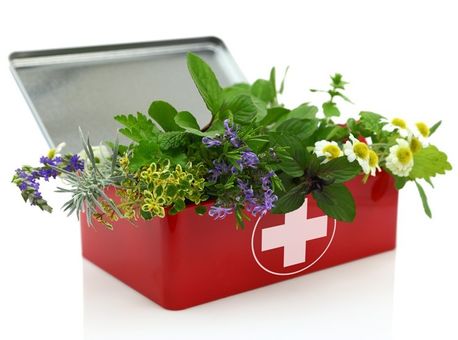
In our fast-paced modern world, the demand for quick and effective remedies for common health issues is higher than ever. While conventional medicine plays a vital role in treating ailments, there is a growing interest in natural alternatives that have stood the test of time. Herbal first aid supplements, derived from traditional remedies, offer a wealth of benefits in addressing various health concerns. In this article, we explore the advantages of incorporating herbal first aid supplements into our modern lives.

  • Natural and safe

One of the primary advantages of herbal first aid supplements is their natural origin. These remedies are typically derived from plants and herbs that have been used for centuries to treat various ailments. Compared to synthetic medications, herbal supplements often have fewer side effects and are generally considered safe for consumption. Natural remedies provide an alternative for individuals who prefer a more holistic approach to their health.

  • Versatility and efficacy

Herbal first aid supplements are renowned for their versatility. They can address a wide range of health conditions, ranging from minor discomforts to more complex issues. Whether it’s soothing a headache, alleviating indigestion, or boosting the immune system, there is likely an herbal supplement available to help. These remedies work synergistically with the body, promoting natural healing processes and supporting overall well-being.

  • Enhanced nutritional value

In addition to their medicinal properties, many herbal supplements also offer nutritional benefits. They contain a rich array of vitamins, minerals, and antioxidants that contribute to overall health and vitality. For example, turmeric is well-known for its anti-inflammatory properties and is often consumed as a supplement for joint health. Similarly, garlic supplements can boost the immune system and promote cardiovascular health. Incorporating herbal first aid supplements into our daily routines can be a proactive step towards improving our nutritional intake.

  • Holistic approach to healing

Herbal first aid supplements embody a holistic approach to healing, focusing not only on alleviating symptoms but also on addressing the underlying causes of illness. Traditional remedies often consider the interconnectedness of the body, mind, and spirit, aiming to restore balance and promote overall wellness. By embracing these supplements, individuals can embrace a more comprehensive and integrated approach to their health, complementing conventional medicine.

  • Cost-effective option

Another advantage of herbal first aid supplements is their affordability. Traditional remedies are often more cost-effective compared to their synthetic counterparts. This accessibility makes herbal supplements a viable option for individuals seeking affordable healthcare solutions. Moreover, by utilizing these supplements, individuals may reduce their reliance on costly prescription medications and their potential side effects.

  • Sustainable and environmentally friendly

Herbal first aid supplements offer an environmentally friendly alternative to conventional medicine. The production of synthetic medications often involves complex chemical processes that can have adverse effects on the environment. In contrast, herbal supplements are derived from renewable sources and promote sustainable practices. By choosing herbal remedies, we contribute to a more eco-conscious approach to healthcare.

As we navigate the challenges of modern times, the benefits of herbal first aid supplements become increasingly apparent. These natural remedies, rooted in traditional practices, offer a holistic and versatile approach to addressing various health concerns. With their natural origins, enhanced nutritional value, and affordability, herbal supplements provide a compelling alternative to conventional medications. By incorporating herbal first aid supplements into our lives, we can embrace the wisdom of traditional remedies while benefiting from the advancements of modern times.

A comprehensive guide to first aid supplements: what you need to know

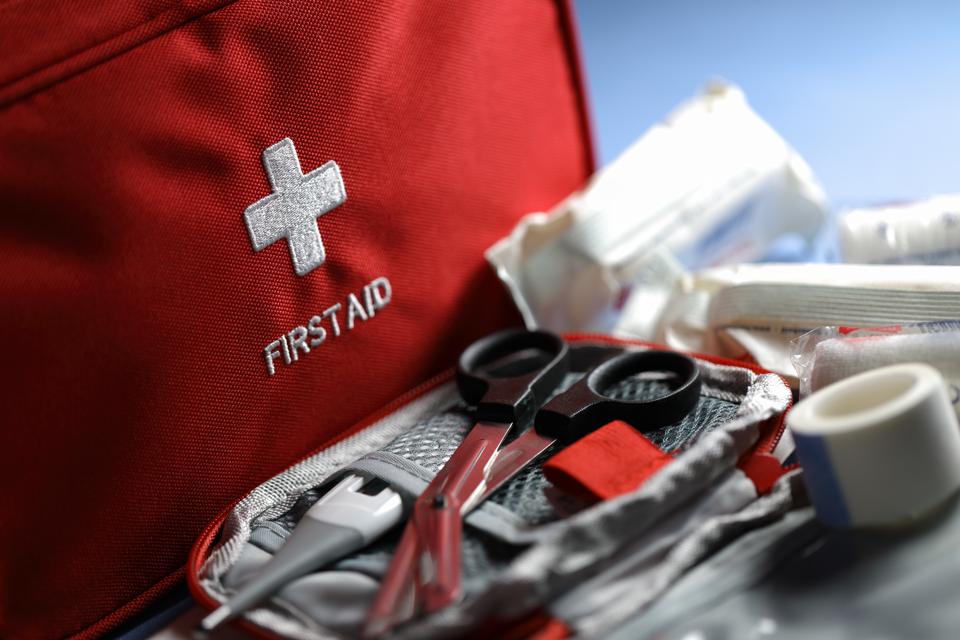
When it comes to first aid, we often think of bandages, antiseptics, and other medical supplies. However, in addition to these essentials, there is a wide range of first aid supplements available that can play a crucial role in supporting the body’s natural healing processes. These supplements can help alleviate pain, reduce inflammation, and promote faster recovery. In this comprehensive guide, we will explore the most commonly used first aid supplements and what you need to know about them.

  • Arnica Montana: Arnica is a popular supplement known for its anti-inflammatory and pain-relieving properties. It is commonly used to treat bruises, sprains, and muscle strains. Arnica can be taken orally or applied topically as a cream or gel.
  • Bromelain: Derived from pineapples, bromelain is a natural enzyme that aids in reducing swelling and inflammation. It is often used to treat sports injuries, muscle strains, and joint pain. Bromelain is available in capsule form and can be taken with meals.
  • Turmeric: Turmeric contains an active compound called curcumin, which has powerful anti-inflammatory properties. It is commonly used to alleviate pain and swelling associated with injuries. Turmeric supplements are available in capsule form, and it is often recommended to take them with black pepper to enhance absorption.
  • Omega-3 Fatty Acids: Omega-3 fatty acids, such as those found in fish oil, have been shown to have anti-inflammatory effects and promote healing. They are beneficial for reducing inflammation associated with injuries, including sprains, strains, and fractures. Omega-3 supplements are available as capsules or liquid forms.
  • Vitamin C: Vitamin C is an essential nutrient that plays a vital role in the body’s healing process. It helps in collagen production, which is essential for wound healing and tissue repair. Vitamin C supplements are widely available and can be taken orally.
  • Zinc: Zinc is a mineral that supports the immune system and aids in wound healing. It also helps with cell growth and tissue repair. Zinc supplements are available in various forms, including tablets, capsules, and lozenges.
  • Bromelain: Derived from pineapples, bromelain is a natural enzyme that aids in reducing swelling and inflammation. It is often used to treat sports injuries, muscle strains, and joint pain. Bromelain is available in capsule form and can be taken with meals.
  • Quercetin: Quercetin is a plant-based flavonoid with antioxidant and anti-inflammatory properties. It can help reduce allergic reactions, such as hives and itching, and is often used for insect bites and stings. Quercetin supplements are available in capsule or tablet form.
  • Probiotics: Probiotics are beneficial bacteria that support the gut microbiome and boost the immune system. They can help prevent infections and support overall health. Probiotic supplements come in various forms, including capsules, tablets, and powders.
  • Echinacea: Echinacea is a herb known for its immune-boosting properties. It is often used to prevent or treat respiratory infections, such as colds and flu. Echinacea supplements are available in capsule or liquid form.

While first aid supplements can be helpful in managing minor injuries and promoting healing, it is important to note that they should not replace professional medical advice or treatment. If you have a serious injury or medical condition, it is always best to consult with a healthcare professional.

When considering first aid supplements, it is essential to follow the recommended dosage instructions and be aware of any potential side effects or interactions with other medications you may be taking. If you are pregnant, nursing, or have any underlying health conditions, it is especially important to consult your healthcare provider before starting any new supplements.

First aid supplements can be valuable additions to your first aid kit, providing support for the body’s healing processes. From arnica and turmeric to omega-3 fatty acids and probiotics, there is a wide range of options available. However, it is crucial to use them responsibly, in conjunction with appropriate medical care, and under the guidance of a healthcare professional when necessary.