
loader

Month: July 2023

Beyond pills: unconventional therapies that defy expectations

In the pursuit of better health and well-being, conventional medicine has been the go-to approach for centuries. From pills and injections to surgeries and therapies, medical advancements have undeniably transformed healthcare. However, in recent times, there has been a growing interest in exploring alternative and unconventional therapies that challenge traditional expectations. These novel approaches, often rooted in ancient practices or innovative ideas, have captured the attention of both patients and healthcare professionals alike. In this article, we delve into the world of unconventional therapies that defy expectations, offering unique perspectives on healing and wellness.

  1. Mind-body interventions,

Mind-body interventions focus on the intricate connection between our mental and physical well-being. Techniques like meditation, mindfulness, yoga, and tai chi have gained widespread popularity in the West due to their potential to alleviate stress, reduce anxiety, and improve overall health. Research has shown that these practices can have profound effects on the body, ranging from boosting the immune system to lowering blood pressure. By harnessing the power of the mind, these therapies go beyond pills, offering a holistic approach to healing.

  1. Music therapy,

Music has a unique ability to touch our emotions and evoke memories. Music therapy taps into this phenomenon, employing various musical elements to address physical, emotional, cognitive, and social needs. For instance, music has been used to reduce pain and anxiety in medical settings, aid in rehabilitation, and improve cognitive function in patients with neurological disorders. Incorporating music as a therapeutic tool opens up a world of possibilities beyond traditional medical treatments, enhancing the quality of life for many individuals.

  1. Animal-assisted therapy

The healing power of animals has long been recognized, and animal-assisted therapy (AAT) takes this concept a step further. AAT involves trained animals, such as dogs, cats, horses, or even dolphins, engaging with individuals to promote physical and emotional healing. Interactions with animals have been found to lower stress, reduce feelings of loneliness, and improve mood. This unconventional approach can be especially beneficial for patients with mental health issues, autism, and various physical disabilities, providing a unique form of support and comfort.

  1. Art and expressive therapies

Art therapy and expressive therapies offer an alternative channel for individuals to express themselves and explore their emotions. Through various art forms like painting, drawing, writing, and dance, individuals can communicate thoughts and feelings that may be difficult to articulate verbally. These therapies have shown promising results in helping people cope with trauma, manage chronic pain, and boost self-esteem. By engaging the creative side of the brain, art and expressive therapies provide a novel way of healing and self-discovery.

  1. Acupuncture and traditional chinese medicine

While acupuncture and traditional Chinese medicine (TCM) have been around for thousands of years, they continue to defy expectations in modern healthcare. Acupuncture involves the insertion of thin needles into specific points on the body to restore the flow of energy, or Qi. Studies have shown that acupuncture can effectively treat various conditions, including chronic pain, migraines, and even some mental health disorders. TCM, with its focus on herbal remedies, dietary adjustments, and other holistic practices, offers a different perspective on healing that complements conventional medicine.

In conclusion, as the healthcare landscape evolves, the exploration of unconventional therapies continues to challenge traditional expectations. From mind-body interventions that harness the power of the mind to animal-assisted therapy that leverages the healing potential of animals, these alternative approaches offer unique pathways to wellness. Music therapy, art and expressive therapies, along with ancient practices like acupuncture and TCM, have demonstrated their efficacy in healing the mind, body, and soul.

While unconventional therapies cannot replace conventional medicine entirely, their integration into healthcare practices opens up new possibilities for patients seeking diverse ways to improve their well-being. As research advances, it is crucial to approach these therapies with an open mind, combining the strengths of both conventional and unconventional approaches to provide more comprehensive and effective healthcare for all.

The science of happiness: strategies for psychological well-being

Happiness is a fundamental aspect of human well-being and has been the subject of extensive research in the field of positive psychology. Contrary to popular belief, happiness is not solely dependent on external circumstances but can be cultivated through intentional practices and strategies. In this article, we will explore the science of happiness and discuss effective strategies that can promote psychological well-being.

  • Cultivating gratitude: Practicing gratitude involves intentionally recognizing and appreciating the positive aspects of one’s life. Research has shown that regularly expressing gratitude can enhance happiness and overall well-being. To cultivate gratitude, one can keep a gratitude journal, reflecting on things they are grateful for each day. Additionally, expressing gratitude to others through acts of kindness or by writing thank-you notes can foster positive emotions.
  • Engaging in meaningful relationships: Strong and meaningful relationships contribute significantly to happiness and overall life satisfaction. Building and nurturing connections with family, friends, and the community is vital. Engage in activities that promote social interaction, such as joining clubs or volunteering. Actively listen, empathize, and show support to others, as this strengthens relationships and fosters a sense of belonging.
  • Practicing mindfulness: Mindfulness involves being fully present in the current moment, without judgment or attachment to the past or future. It has been shown to reduce stress, enhance self-awareness, and increase happiness. Regular mindfulness practice, such as meditation or deep breathing exercises, can help individuals cultivate a sense of calm, focus, and inner peace.
  • Pursuing personal growth and flow: Engaging in activities that challenge and stretch one’s abilities can lead to a state of “flow” – a state of complete absorption and enjoyment in the present moment. Flow experiences can be found in various activities, such as playing a musical instrument, participating in sports, or engaging in creative endeavors. By pursuing personal growth and engaging in activities that provide a sense of flow, individuals can experience increased happiness and a sense of fulfillment.
  • Taking care of physical health: Physical health and mental well-being are interconnected. Engaging in regular exercise, eating a balanced diet, and getting sufficient sleep are essential for promoting happiness. Exercise releases endorphins, which are natural mood boosters, and improves overall cognitive function. Prioritizing self-care by engaging in healthy habits supports psychological well-being.
  • Cultivating optimism: Maintaining a positive outlook on life can contribute to happiness. While challenges and setbacks are inevitable, cultivating optimism involves reframing negative experiences and focusing on the positive aspects. Practicing positive self-talk, setting realistic goals, and maintaining a sense of hope and resilience can help individuals navigate difficult times with a positive mindset.
  • Giving back to others: Acts of kindness and altruism have been shown to increase happiness and well-being. Engaging in acts of service or volunteering for causes that align with personal values not only benefits others but also provides a sense of purpose and fulfillment. Small acts of kindness, such as helping a neighbor or supporting a friend, can have a significant positive impact on both the giver and the recipient.

Happiness is not a fleeting emotion but a state of being that can be cultivated through intentional practices and strategies. By incorporating these science-backed strategies into our daily lives, we can enhance our psychological well-being and lead happier, more fulfilling lives. Embracing gratitude, fostering meaningful relationships, practicing mindfulness, pursuing personal growth, taking care of physical health, cultivating optimism, and giving back to others are all powerful tools in the pursuit of happiness. Let us embrace these strategies and embark on a journey of well-being and contentment.

Managing multiple sclerosis: treatment options and support

Multiple Sclerosis (MS) is a chronic autoimmune disease that affects the central nervous system, causing a wide range of physical and neurological symptoms. While there is no cure for MS, there are various treatment options and support services available to help individuals manage the condition effectively. In this article, we will explore the treatment options and support systems that can enhance the quality of life for people living with multiple sclerosis.

Treatment Options:

  • Disease-modifying therapies (DMTs): DMTs are a class of medications used to slow down the progression of MS and reduce the frequency and severity of relapses. These drugs work by modulating the immune system and decreasing inflammation in the central nervous system. There are several different types of DMTs available, and the choice of treatment depends on factors such as the subtype of MS, disease activity, and individual patient characteristics.
  • Symptom management: MS symptoms can vary widely from person to person, and managing these symptoms is an essential part of treatment. Some common symptoms include fatigue, muscle weakness, spasticity, cognitive difficulties, and bladder or bowel dysfunction. Medications, physical therapy, occupational therapy, and assistive devices can be utilized to manage specific symptoms and improve functional abilities.
  • Rehabilitation therapies: Rehabilitation therapies, such as physical therapy, occupational therapy, and speech therapy, play a crucial role in managing MS. Physical therapy can help improve strength, balance, and mobility, while occupational therapy focuses on adapting daily activities to maintain independence. Speech therapy can assist with speech and swallowing difficulties. These therapies aim to optimize functioning and enhance overall quality of life.
  • Supportive medications: In addition to disease-modifying therapies, supportive medications can be prescribed to manage specific symptoms. For example, medications to alleviate neuropathic pain, muscle spasms, depression, or bladder dysfunction may be prescribed to enhance comfort and well-being.

Support Systems:

  • Healthcare team: Building a strong healthcare team is essential for managing MS. This team may include neurologists, nurses, physical therapists, occupational therapists, psychologists, and other specialists as needed. Regular communication with healthcare providers ensures optimal management of the condition and enables timely adjustments to treatment plans.
  • Psychological and emotional support: Living with MS can be emotionally challenging. It is important to seek psychological and emotional support to cope with the impact of the condition. Support groups, individual counseling, and psychotherapy can provide a safe space to discuss concerns, manage stress, and develop coping strategies. These resources also facilitate connections with others who understand the challenges of living with MS.
  • Education and self-management: Education plays a vital role in managing MS effectively. Learning about the condition, treatment options, and self-care strategies empowers individuals to actively participate in their own care. Self-management techniques, such as managing fatigue, practicing stress reduction techniques, and maintaining a healthy lifestyle, can help individuals better manage their symptoms and overall well-being.
  • Adaptive equipment and assistive devices: Assistive devices and adaptive equipment can enhance independence and improve daily functioning for individuals with MS. This may include mobility aids like canes, walkers, or wheelchairs, as well as tools to aid with activities of daily living, such as adaptive utensils or devices for dressing and grooming.

While living with multiple sclerosis presents unique challenges, a combination of treatment options and support systems can significantly improve the quality of life for individuals with the condition. Disease-modifying therapies, symptom management strategies, rehabilitation therapies, and supportive medications form the foundation of treatment. Equally important are the support systems that provide emotional support, education, and self-management techniques. By accessing appropriate treatment options and building a strong support network, individuals with MS can effectively manage the condition, maximize their abilities, and live fulfilling lives.

Understanding the effects of traumatic brain injury (TBI)

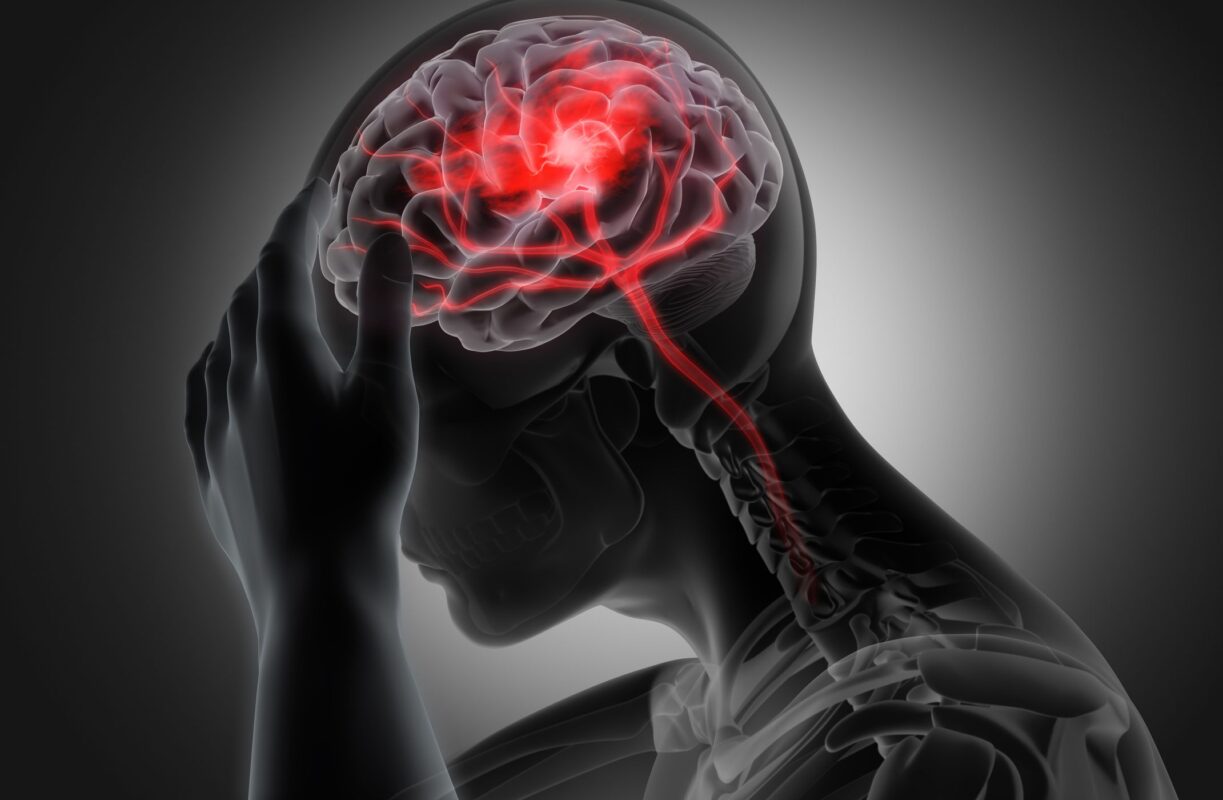
Traumatic Brain Injury (TBI) is a serious medical condition that can have profound and long-lasting effects on individuals. Whether caused by a sudden blow, jolt, or penetrating injury to the head, TBIs disrupt normal brain functioning and can result in a range of physical, cognitive, and emotional impairments. In this article, we will explore the effects of traumatic brain injury and shed light on the challenges faced by those living with this condition.

Physical Effects: TBIs can lead to various physical impairments, depending on the severity and location of the injury. Some common physical effects include:

  • Headaches: Headaches are a frequent complaint among individuals with TBI. They can range from mild to severe and may be accompanied by other symptoms such as nausea, dizziness, or sensitivity to light and noise.
  • Motor impairments: TBI can affect a person’s coordination, balance, and muscle control. It may result in difficulties with walking, fine motor skills, or performing everyday tasks.
  • Fatigue and sleep disturbances: Individuals with TBI often experience significant fatigue, even with minimal exertion. Sleep disturbances, such as insomnia or excessive daytime sleepiness, are also common.
  • Sensory impairments: TBI can affect the sensory systems, leading to changes in vision, hearing, or taste. Some individuals may experience blurred or double vision, tinnitus (ringing in the ears), or altered perception of touch and temperature.

Cognitive Effects: TBI can cause a range of cognitive impairments that impact thinking, memory, and overall mental functioning. These effects can include:

  • Memory problems: Individuals with TBI often experience difficulties with both short-term and long-term memory. They may struggle to remember recent events, learn new information, or recall previously learned knowledge.
  • Attention and concentration issues: TBI can affect an individual’s ability to sustain attention, switch between tasks, or filter out distractions. This can impact academic or work performance and may require strategies to manage attention deficits.
  • Executive function deficits: Executive functions refer to a set of mental skills that help individuals plan, organize, problem-solve, and regulate their behavior. TBI can impair these functions, leading to difficulties with decision-making, time management, and impulse control.

Emotional and Behavioral Effects: TBI often has a significant impact on emotional and behavioral well-being, leading to:

  • Mood disturbances: Depression and anxiety are common after a TBI. Individuals may experience persistent feelings of sadness, hopelessness, or worry. Changes in mood can also include irritability, emotional instability, or a heightened sensitivity to stress.
  • Personality changes: TBI can alter an individual’s personality traits. They may exhibit increased impulsivity, aggression, or disinhibition. In some cases, individuals may struggle with self-awareness and have difficulty recognizing or understanding their own emotional and behavioral changes.
  • Social and interpersonal challenges: TBI can disrupt social skills and interpersonal relationships. Individuals may experience difficulties with empathy, communication, or maintaining appropriate social boundaries. This can lead to isolation and strained relationships with family, friends, or colleagues.

Understanding the effects of traumatic brain injury is crucial for both individuals directly affected and their support networks. The physical, cognitive, and emotional challenges associated with TBI require comprehensive care and support. Rehabilitation programs, cognitive therapies, and emotional support can significantly improve outcomes and help individuals with TBI regain independence and quality of life. Additionally, increasing awareness about TBI can help reduce stigma and promote understanding and empathy towards those living with this complex condition. By recognizing the unique challenges faced by individuals with TBI, we can work towards providing appropriate resources and fostering a more inclusive and supportive society.

Promoting mental health in schools: strategies for students and educators

The mental health of students is a critical aspect of their overall well-being and academic success. As educational institutions play a crucial role in the lives of young individuals, it is essential to prioritize and promote mental health within school settings. This article aims to explore effective strategies for both students and educators to foster a supportive and mentally healthy environment in schools.

Strategies for Students:

  • Encourage open dialogue: Students should be encouraged to openly discuss their emotions, thoughts, and concerns. Schools can provide safe spaces, such as counseling offices or support groups, where students can express themselves without fear of judgment. Promoting a culture of open communication helps students develop emotional intelligence and seek help when needed.
  • Teach coping skills: Schools should integrate mental health education into their curriculum, teaching students essential coping skills. This includes strategies for stress management, problem-solving, relaxation techniques, and self-care practices. By equipping students with these skills, they can better navigate challenges and build resilience.
  • Foster positive relationships: Positive relationships are crucial for mental well-being. Encourage students to build healthy friendships and maintain connections with their peers. Implement peer support programs or mentorship initiatives where older students can support younger ones. Additionally, promoting positive teacher-student relationships can create a supportive and caring environment.
  • Reduce stigma: Schools should actively work to reduce the stigma surrounding mental health. Organize awareness campaigns, assemblies, or workshops to educate students about mental health conditions and promote empathy and understanding. By normalizing conversations around mental health, students will feel more comfortable seeking help and supporting their peers.

Strategies for Educators:

  • Training and professional development: Educators should receive training and professional development opportunities on mental health literacy. This includes recognizing signs of mental health concerns, understanding common disorders, and learning effective strategies to support students. When educators are equipped with this knowledge, they can better identify and address the needs of their students.
  • Implement mental health policies: Schools should have clear policies in place to address mental health issues. This includes protocols for identifying students at risk, procedures for referral and intervention, and guidelines for providing necessary accommodations. Having well-defined policies ensures consistency and accountability in supporting students’ mental health needs.
  • Promote self-care: Educators play a demanding role, and it is essential that they prioritize their own mental health. Schools can encourage self-care practices among staff members, such as regular breaks, access to counseling services, and fostering a supportive work environment. When educators take care of their well-being, they are better equipped to support their students.
  • Collaborate with mental health professionals: Establish partnerships with mental health professionals and organizations in the community. These collaborations can provide resources, workshops, and counseling services to students and educators. By working together, schools and mental health professionals can create a comprehensive support network for students in need.

Promoting mental health in schools is vital for the overall well-being and success of students. By implementing strategies for students and educators, schools can foster a supportive environment that nurtures mental health. It is crucial to create spaces where students feel safe, heard, and supported, and where educators are equipped with the knowledge and tools to address mental health concerns effectively. By prioritizing mental health in schools, we can help students thrive academically, emotionally, and socially, setting them on a path towards a healthy and fulfilling future.

Recognizing and addressing elder abuse

Elder abuse is a distressing and pervasive issue that affects a vulnerable population—the elderly. It is a deeply concerning problem that can occur in various forms, including physical, emotional, financial, and sexual abuse, as well as neglect. Recognizing and addressing elder abuse is crucial to protect the rights and well-being of our senior citizens. In this article, we will explore the importance of identifying elder abuse and discuss strategies for addressing and preventing it.

Recognizing Elder Abuse: Elder abuse often occurs behind closed doors, making it challenging to identify. However, there are certain signs and indicators that can help in recognizing potential abuse:

  • Physical indicators: Unexplained bruises, fractures, burns, or injuries, especially when they appear in patterns or occur frequently, may be signs of physical abuse. Other signs include unexplained weight loss, malnutrition, or poor hygiene.
  • Emotional and behavioral indicators: Elderly individuals who experience abuse may display sudden changes in behavior, such as becoming withdrawn, anxious, or depressed. They may exhibit fear or anxiety around specific individuals and may hesitate to speak openly about their experiences.
  • Financial indicators: Financial abuse involves unauthorized use or control of an elderly person’s finances. Signs include unusual or unexplained bank withdrawals, sudden changes in financial documents, or a caregiver’s refusal to provide financial information.
  • Neglect indicators: Neglect occurs when caregivers fail to provide adequate care, leading to harm or endangerment. Signs of neglect may include bedsores, untreated medical conditions, poor hygiene, or inadequate living conditions.

Addressing Elder Abuse: Taking action to address elder abuse is essential to protect vulnerable seniors. Here are some strategies that can be implemented:

  • Create awareness: Raising public awareness about elder abuse is crucial. Governments, organizations, and communities should conduct campaigns to educate the public, healthcare professionals, caregivers, and seniors themselves about the signs, risks, and available resources for addressing elder abuse.
  • Strengthen legal protections: Governments should enact and enforce laws that specifically address elder abuse. These laws should outline the responsibilities of caregivers, establish reporting mechanisms, and ensure appropriate punishment for abusers. Legal protections should also include provisions for financial exploitation and neglect.
  • Encourage reporting: Encouraging individuals to report suspected cases of elder abuse is essential. Healthcare professionals, social workers, and community members who come into contact with seniors should be trained to identify and report signs of abuse. Anonymous reporting hotlines and online reporting systems can also be established to make reporting more accessible.
  • Provide support services: Comprehensive support services should be available for both victims and their families. This includes access to counseling, legal aid, financial assistance, and safe housing options. Communities can establish elder abuse prevention and intervention programs to provide a holistic support network for seniors in need.
  • Empower the elderly: Empowering seniors to protect themselves is crucial in preventing elder abuse. Education and training programs can teach them about their rights, how to recognize abusive situations, and how to seek help. Encouraging seniors to maintain social connections and participate in community activities can also reduce their vulnerability to abuse.

Elder abuse is a serious problem that demands our attention and action. By recognizing the signs of elder abuse and implementing strategies to address and prevent it, we can safeguard the well-being and dignity of our elderly population. Everyone has a role to play in this effort, from individuals and families to communities and governments. Together, we can create a society that respects and protects our senior citizens, ensuring that their later years are lived with safety, security, and the respect they deserve.

The power of mindfulness: promoting mental well-being

In today’s fast-paced and highly demanding world, the importance of mental well-being cannot be overstated. The constant juggling of responsibilities, technological distractions, and societal pressures can leave individuals feeling overwhelmed, stressed, and disconnected. However, there is a powerful tool that can help counteract these negative effects and promote mental well-being: mindfulness.

Mindfulness is the practice of paying attention to the present moment with openness, curiosity, and without judgment. It involves bringing one’s attention to the sensations of the body, the breath, thoughts, and emotions, without getting caught up in them. By cultivating this quality of awareness, individuals can develop a greater sense of clarity, peace, and resilience.

One of the significant benefits of mindfulness is its ability to reduce stress. Research has shown that mindfulness-based interventions can lower levels of the stress hormone cortisol, reducing the physiological and psychological effects of chronic stress. By practicing mindfulness, individuals can learn to recognize and step back from stressful thoughts and emotions, allowing them to respond to challenging situations with greater calm and clarity.

Moreover, mindfulness has been found to improve mental health conditions such as anxiety and depression. By focusing attention on the present moment, individuals can break free from rumination and worrying about the past or future, which are common features of these conditions. Studies have demonstrated that mindfulness-based therapies can be as effective as traditional forms of treatment in alleviating symptoms and preventing relapse.

In addition to reducing stress and improving mental health, mindfulness also enhances overall well-being. Regular practice can enhance self-awareness, enabling individuals to become more attuned to their emotions, thoughts, and physical sensations. This heightened self-awareness allows for greater self-regulation, helping individuals make healthier choices and engage in more positive behaviors.

Furthermore, mindfulness promotes resilience in the face of adversity. By cultivating an attitude of acceptance and non-judgment, individuals develop the ability to meet challenges with equanimity. Rather than getting overwhelmed or reactive, they can respond skillfully, drawing upon their inner resources and problem-solving abilities. This resilience not only benefits individuals in their personal lives but also extends to their professional lives, improving their ability to handle stress and make sound decisions.

It is worth noting that mindfulness is not a quick fix or a panacea for all of life’s challenges. It requires consistent practice and patience to fully experience its benefits. However, incorporating mindfulness into daily life can lead to profound positive changes over time.

There are various ways to cultivate mindfulness. Formal practices such as seated meditation, body scans, and mindful movement (e.g., yoga, tai chi) provide dedicated time to develop and deepen mindfulness skills. Informal practices involve bringing mindful awareness to everyday activities, such as eating, walking, or even washing dishes.

In recent years, mindfulness-based programs have gained popularity and recognition in healthcare, education, and corporate settings. Companies are incorporating mindfulness into their employee wellness programs, schools are introducing mindfulness in the curriculum, and mental health professionals are integrating mindfulness into their therapeutic approaches. This growing acceptance and adoption of mindfulness highlight its effectiveness in promoting mental well-being.

Mindfulness is a powerful practice that can have transformative effects on mental well-being. By cultivating present-moment awareness and developing an attitude of acceptance and non-judgment, individuals can reduce stress, improve mental health, and enhance overall well-being. As we navigate the complexities of modern life, incorporating mindfulness into our daily routines can be a game-changer, empowering us to live more balanced, fulfilling, and mentally healthy lives.

The role of exercise in maintaining bone health

Strong and healthy bones are crucial for overall well-being and quality of life. Bones provide structural support, protect vital organs, and enable mobility. As we age, however, our bones naturally lose density and become more prone to fractures and osteoporosis. Thankfully, engaging in regular exercise plays a vital role in maintaining and improving bone health throughout our lives. In this article, we will explore the importance of exercise for bone health and discuss various types of exercises that are beneficial.

Exercise stimulates bone growth and strengthens the skeletal system by subjecting the bones to mechanical stress. When we engage in weight-bearing activities such as walking, running, and dancing, our bones respond by becoming denser and stronger. Weight-bearing exercises are particularly effective in building bone density because they force the body to work against gravity, stimulating bone-forming cells known as osteoblasts.

Resistance training exercises, such as lifting weights or using resistance bands, also play a crucial role in maintaining bone health. These exercises create resistance against the muscles, which in turn applies stress to the bones, stimulating them to become stronger. Resistance training not only helps preserve bone density but also increases muscle strength and improves balance, reducing the risk of falls and fractures.

In addition to weight-bearing and resistance exercises, activities that involve impact and jumping can also contribute significantly to bone health. High-impact exercises like jumping jacks, skipping rope, and certain sports like basketball or tennis help improve bone density and strength. These activities generate forces that put stress on the bones, stimulating them to adapt and become more resistant to fractures.

Flexibility and balance exercises are also essential for maintaining bone health, especially in older adults. Exercises like yoga and tai chi improve flexibility, posture, and balance, reducing the risk of falls and fractures. While these exercises may not directly increase bone density, they play a crucial role in preventing injuries by enhancing stability and coordination.

It is important to note that the benefits of exercise on bone health are not limited to a specific age group. Engaging in regular physical activity from childhood through adulthood can help maximize peak bone mass and ensure optimal bone health later in life. However, it is never too late to start exercising. Even in older individuals, exercise can help slow down bone loss, improve bone density, and reduce the risk of fractures.

When considering an exercise routine for bone health, it is crucial to seek a balanced approach. Combining weight-bearing, resistance, impact, flexibility, and balance exercises can provide the most comprehensive benefits. It is also important to gradually increase the intensity and duration of exercise to avoid overexertion or injuries.

Before starting any exercise program, it is advisable to consult with a healthcare professional, especially for individuals with pre-existing conditions or concerns. They can provide guidance on the most appropriate exercises and help tailor a routine to suit individual needs.

In conclusion, exercise plays a vital role in maintaining bone health at every stage of life. Weight-bearing exercises, resistance training, impact activities, flexibility exercises, and balance exercises all contribute to preserving bone density, improving bone strength, and reducing the risk of fractures. By incorporating regular physical activity into our lives, we can ensure that our bones remain strong, resilient, and capable of supporting an active and healthy lifestyle.

Exploring the causes of insomnia: A comprehensive guide

Insomnia is a sleep disorder that affects millions of people worldwide, impacting their ability to fall asleep, stay asleep, or obtain restful sleep. It can lead to daytime fatigue, decreased concentration, mood disturbances, and impaired overall functioning. While occasional sleepless nights are normal, chronic insomnia can significantly impact an individual’s quality of life. In this comprehensive guide, we will delve into the various causes of insomnia, shedding light on the factors that can disrupt the delicate balance of sleep.

  • Stress and anxiety: Stress and anxiety are among the leading causes of insomnia. Worries, racing thoughts, and excessive rumination can make it difficult to relax and fall asleep. The demanding pace of modern life, work-related pressures, relationship issues, or traumatic events can all contribute to heightened stress levels, leading to chronic insomnia.
  • Disruptions in sleep environment: An uncomfortable sleep environment can hinder the onset and maintenance of sleep. Factors such as excessive noise, uncomfortable bedding, an unsupportive mattress, improper room temperature, or intrusive light can disrupt the sleep-wake cycle, leading to insomnia.
  • Poor sleep hygiene: Sleep hygiene refers to the practices and habits that promote healthy sleep. Poor sleep hygiene can contribute to insomnia. Irregular sleep schedules, consuming caffeine or stimulants close to bedtime, engaging in stimulating activities before sleep, and excessive napping can all disrupt the natural sleep rhythm and make it difficult to fall asleep.
  • Medical conditions: Several medical conditions can contribute to insomnia, including chronic pain conditions (e.g., arthritis, fibromyalgia), respiratory disorders (e.g., sleep apnea), neurological disorders (e.g., Parkinson’s disease, Alzheimer’s disease), hormonal imbalances (e.g., thyroid disorders, menopause), and gastrointestinal problems (e.g., acid reflux). These conditions can cause discomfort, pain, or disruptions in sleep architecture, leading to insomnia.
  • Medications and substances: Certain medications and substances can interfere with sleep and lead to insomnia. Stimulant medications, antidepressants, corticosteroids, and medications for high blood pressure can disrupt sleep patterns. Additionally, the consumption of caffeine, nicotine, alcohol, and illicit drugs close to bedtime can adversely affect sleep quality and contribute to insomnia.
  • Mental health disorders: Insomnia is often comorbid with mental health disorders such as depression, anxiety disorders, bipolar disorder, and post-traumatic stress disorder (PTSD). These conditions can cause persistent sleep difficulties due to heightened emotional arousal, intrusive thoughts, or imbalances in neurotransmitters that regulate sleep.
  • Age-related factors: Insomnia becomes more prevalent with age. Older adults may experience changes in sleep architecture, reduced melatonin production, increased medical conditions, medication use, and changes in circadian rhythm, all of which can contribute to insomnia.

Insomnia is a complex sleep disorder with various underlying causes. From stress and anxiety to disruptions in the sleep environment, medical conditions, medications, mental health disorders, and age-related factors, a multitude of factors can contribute to sleep disturbances. It is crucial to address the root causes of insomnia and adopt strategies to promote healthy sleep hygiene. Seeking professional help from healthcare providers, sleep specialists, or therapists can aid in identifying the specific causes of insomnia and developing personalized treatment plans. By understanding the multifaceted nature of insomnia and implementing appropriate interventions, individuals can improve their sleep quality, overall well-being, and regain control over their sleep patterns.

Unlocking relief: effective treatments for chronic migraines

Chronic migraines can significantly impact the quality of life for those affected, often leading to severe pain, sensitivity to light and sound, nausea, and cognitive difficulties. These recurring headaches can be debilitating, making it essential for individuals to seek effective treatment options. While migraines vary in their causes and symptoms from person to person, there are several proven treatments available to manage and alleviate chronic migraines. In this article, we will explore some of the most effective treatments for chronic migraines that have shown promising results in providing relief to sufferers.

  1. Medications: Medications are commonly prescribed to manage chronic migraines. Here are a few examples:
  • Preventive medications: These medications are taken regularly to reduce the frequency and severity of migraines. They include beta-blockers, anticonvulsants, antidepressants, and CGRP inhibitors. Each medication works differently and may be prescribed based on an individual’s specific needs.
  • Abortive medications: Also known as acute or rescue medications, these are taken at the onset of a migraine attack to stop or lessen its intensity. Triptans, ergotamine derivatives, and over-the-counter pain relievers are commonly used abortive medications.
  1. Botox injections: Botox injections have gained recognition as an effective treatment for chronic migraines. Approved by the FDA, Botox injections are administered every 12 weeks to specific areas of the head and neck. Botox helps relax muscles and prevent migraines by blocking the release of pain neurotransmitters.
  2. Transcranial magnetic stimulation (TMS): Transcranial Magnetic Stimulation is a non-invasive procedure that uses magnetic fields to stimulate specific regions of the brain associated with migraines. TMS has shown promise in reducing the frequency and intensity of migraines. Regular TMS sessions over several weeks may be required to achieve optimal results.
  3. Biofeedback: Biofeedback therapy teaches individuals to control certain bodily functions, such as muscle tension and heart rate, through monitoring devices. By providing real-time feedback, patients learn to recognize and modify physical responses associated with migraines. This technique has been found to be effective in reducing the frequency and severity of migraines.
  4. Lifestyle modifications: Certain lifestyle modifications can help manage chronic migraines. These include:
  • Regular sleep oatterns: Maintaining a consistent sleep schedule can minimize migraines triggered by sleep disturbances.
  • Stress management: Learning and practicing stress management techniques, such as meditation, deep breathing exercises, and yoga, can help reduce migraine triggers.
  • Trigger identification and avoidance: Identifying personal triggers, such as certain foods, alcohol, or environmental factors, and avoiding them can prevent migraines.
  • Regular exercise: Engaging in regular physical activity, such as walking, swimming, or cycling, can reduce the frequency and severity of migraines.

Living with chronic migraines can be challenging, but there are several effective treatments available to alleviate the pain and improve the quality of life for sufferers. Medications, including preventive and abortive options, have proven to be beneficial. In addition, procedures like Botox injections and transcranial magnetic stimulation offer promising results. Biofeedback therapy and lifestyle modifications also play a crucial role in managing chronic migraines. It is important for individuals experiencing chronic migraines to work closely with healthcare professionals to identify the most suitable treatment approach for their specific condition. By exploring these various treatment options, chronic migraine sufferers can find relief and regain control over their lives.