
loader

Month: June 2023

Precision nutrition: tailoring diets for optimal health and disease prevention

In recent years, the field of nutrition has undergone a significant transformation. While the one-size-fits-all approach to dieting was once popular, there is now a growing recognition that personalized nutrition is the key to optimal health and disease prevention. This approach, known as precision nutrition, takes into account individual factors such as genetics, lifestyle, and metabolic profile to tailor diets specifically to each person’s unique needs. By doing so, precision nutrition aims to maximize the benefits of food and minimize the risk of chronic diseases, ultimately paving the way for a healthier future.

One of the fundamental principles of precision nutrition is the understanding that no two individuals are alike. Each person’s genetic makeup, lifestyle choices, and health status play a crucial role in determining how their body responds to different nutrients. For instance, while a certain dietary pattern might be beneficial for one person, it may have little to no effect or even be harmful for another. By considering these individual factors, precision nutrition allows for a more targeted and effective approach to improving health outcomes.

Genetic testing has become an integral part of precision nutrition. Advances in technology have made it easier and more affordable to analyze an individual’s genetic profile, uncovering specific genetic variations that can impact nutrient metabolism, food preferences, and disease risk. This information can be used to develop personalized dietary recommendations, highlighting the types of foods that are best suited to an individual’s genetic profile. For example, someone with a genetic predisposition to lactose intolerance might be advised to limit or avoid dairy products, while another individual with a different genetic profile might be able to tolerate them without any issues.

Precision nutrition also takes into account lifestyle factors that can influence dietary needs. Physical activity levels, stress levels, sleep patterns, and occupation can all impact the body’s nutrient requirements. Athletes, for instance, require different nutrient ratios to support their training and recovery compared to sedentary individuals. Precision nutrition recognizes these variations and tailors dietary recommendations accordingly, ensuring that individuals have the necessary nutrients to support their specific lifestyle demands.

Metabolic profiling is another essential component of precision nutrition. By analyzing an individual’s metabolism through techniques such as blood tests or continuous glucose monitoring, it is possible to gain insights into how their body responds to different foods. This information can help identify personalized dietary strategies to optimize blood sugar control, manage weight, and prevent chronic conditions such as diabetes or heart disease. For instance, someone with impaired glucose tolerance might benefit from a lower carbohydrate diet, while another individual with different metabolic characteristics might thrive on a more balanced macronutrient distribution.

The potential benefits of precision nutrition extend beyond individual health. By tailoring diets to meet individual needs, it is possible to reduce the risk of chronic diseases on a population level. Precision nutrition can play a vital role in disease prevention by targeting specific risk factors or genetic variations associated with certain conditions. For example, individuals with a family history of cardiovascular disease could be advised on dietary modifications to lower their risk, such as reducing saturated fat intake and increasing consumption of heart-healthy foods like fruits, vegetables, and whole grains.

While precision nutrition holds tremendous promise, it is important to acknowledge that it is still an emerging field. More research is needed to fully understand the complex interactions between genetics, lifestyle, and nutrition. The availability and accessibility of genetic testing and metabolic profiling also need to be improved for widespread adoption of precision nutrition practices. Nonetheless, the potential to revolutionize the way we approach diet and health is undeniable.

In conclusion, precision nutrition represents a paradigm shift in the field of nutrition, moving away from a generalized approach and towards personalized dietary recommendations. By considering individual factors such as genetics, lifestyle, and metabolic profile, precision nutrition aims to optimize health outcomes and prevent chronic diseases. While there is still much to learn and refine in this field, precision nutrition holds the promise of a future where diet is tailored to meet each person’s unique needs, ultimately leading to better health for al

The potential of immunotherapy in autoimmune diseases: restoring balance to the immune system

Autoimmune diseases occur when the immune system mistakenly attacks healthy cells and tissues within the body. These conditions can lead to chronic inflammation, tissue damage, and a range of debilitating symptoms. Traditional treatment approaches for autoimmune diseases have primarily focused on suppressing the immune response. However, emerging research and advancements in immunotherapy have paved the way for new therapeutic approaches that aim to restore balance to the immune system. This article explores the potential of immunotherapy in the treatment of autoimmune diseases and how it offers hope for millions of individuals worldwide.

Understanding autoimmune diseases: Autoimmune diseases encompass a wide range of conditions, including rheumatoid arthritis, lupus, multiple sclerosis, type 1 diabetes, and many others. These diseases occur when the immune system mistakenly identifies the body’s cells as foreign and launches an attack against them. As a result, various organs and systems can be affected, leading to chronic inflammation and tissue damage.

Challenges with traditional treatment approaches: Traditional treatments for autoimmune diseases often involve the use of immunosuppressive drugs, such as corticosteroids or disease-modifying antirheumatic drugs (DMARDs). While these medications can help alleviate symptoms and slow disease progression, they come with a range of side effects and are not always effective for all patients. Furthermore, these treatments primarily focus on reducing inflammation without addressing the underlying immune dysregulation.

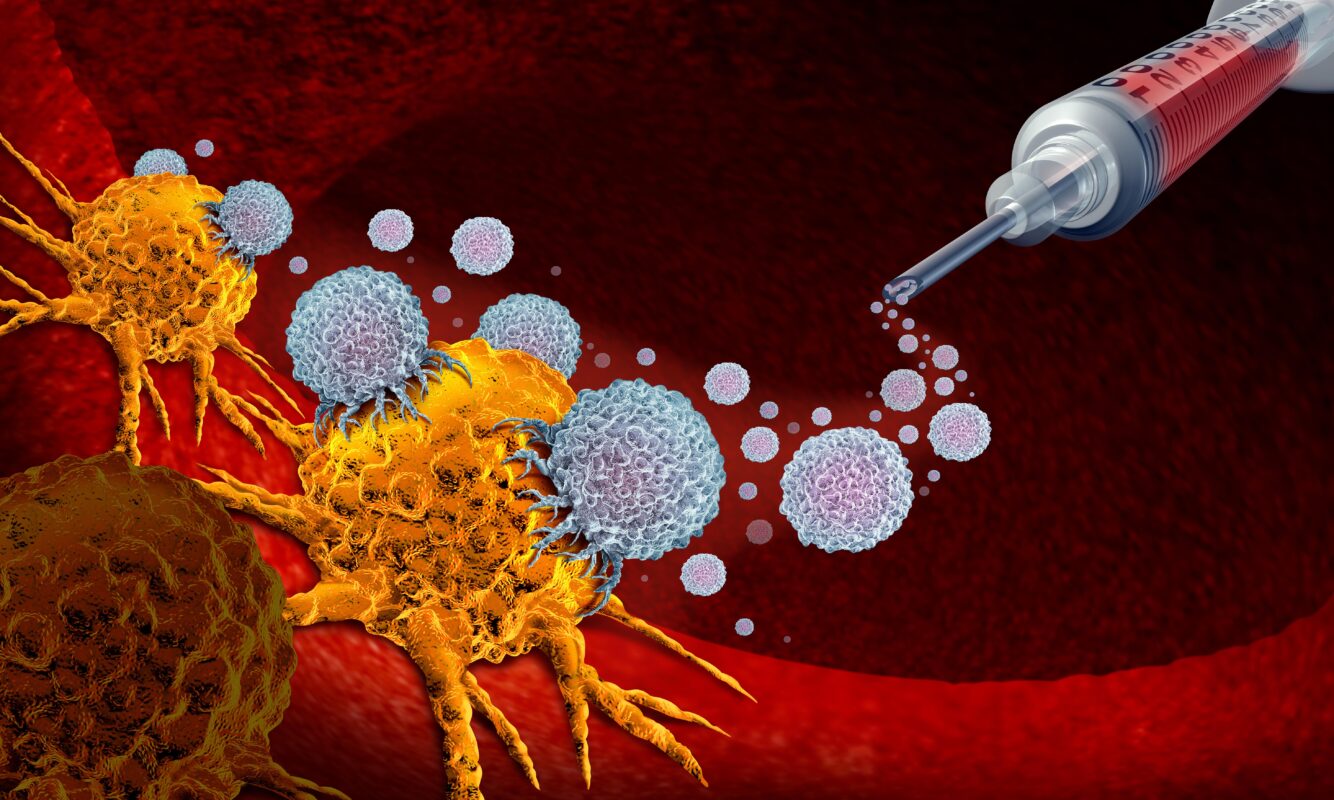
The promise of immunotherapy: Immunotherapy offers a novel approach to treating autoimmune diseases by targeting the underlying immune dysfunction rather than simply suppressing the immune system. This emerging field of medicine aims to modulate or rebalance the immune response, thereby restoring normal immune function. By doing so, immunotherapy holds the potential to provide long-term remission and improved quality of life for patients.

Types of immunotherapy: Several types of immunotherapy are being explored for autoimmune diseases, each with its unique mechanisms and targets. Some of the most promising approaches include:

  • Monoclonal Antibodies: Monoclonal antibodies are engineered in the laboratory to target specific components of the immune system involved in autoimmune reactions. These antibodies can neutralize harmful immune cells or disrupt the signaling pathways responsible for inflammation.
  • Immune Checkpoint Inhibitors: Immune checkpoint inhibitors, primarily used in cancer treatment, are being investigated for their potential in autoimmune diseases. By blocking inhibitory checkpoints on immune cells, these inhibitors enhance the immune response against self-antigens while maintaining self-tolerance.
  • Regulatory T Cell Therapy: Regulatory T cells (Tregs) play a crucial role in suppressing excessive immune responses and maintaining immune homeostasis. Researchers are exploring methods to expand and harness the therapeutic potential of Tregs to restore immune balance in autoimmune diseases.
  • Cytokine Modulation: Cytokines are small proteins involved in cell signaling and immune regulation. Alterations in cytokine levels are often observed in autoimmune diseases. Immunotherapy aims to modulate cytokine imbalances to promote an anti-inflammatory environment and prevent immune-mediated damage.

Current research and clinical trials: Numerous clinical trials are underway to evaluate the safety and efficacy of immunotherapy in various autoimmune diseases. Early results are promising, with several immunotherapeutic approaches demonstrating positive outcomes in terms of symptom improvement, reduced disease activity, and improved patient outcomes. However, more extensive research is still needed to optimize treatment protocols, identify appropriate patient populations, and assess long-term safety and effectiveness.

Immunotherapy represents a paradigm shift in the treatment of autoimmune diseases. By targeting the underlying immune dysregulation, these innovative therapies hold the potential to restore balance to the immune system, providing a more targeted and personalized approach for patients. While challenges remain, ongoing research and clinical trials offer hope for individuals living with autoimmune diseases, paving the way for a future where these conditions can be managed effectively, leading to improved quality of life and better patient outcomes.

The power of big data in healthcare: revolutionizing research and patient care

In the digital age, information is everywhere, and its potential impact on various industries, including healthcare, is immense. Big data, a term used to describe vast amounts of information, has become a game-changer in the field of medicine. The ability to collect, store, and analyze massive datasets has opened up new possibilities for revolutionizing research and patient care. From improving diagnoses to enhancing treatment outcomes, big data has emerged as a powerful tool in transforming healthcare as we know it.

One of the most significant contributions of big data in healthcare is its impact on medical research. Traditionally, research studies relied on small sample sizes, making it challenging to draw accurate conclusions. With big data, researchers now have access to enormous datasets, comprising patient records, genetic information, clinical trials, and even real-time data from wearable devices. This wealth of information allows researchers to identify patterns, trends, and correlations that were previously unseen. By analyzing these vast datasets, scientists can uncover new insights, develop more effective treatments, and advance medical knowledge.

The utilization of big data in genomics is a prime example of its power in healthcare. Sequencing the human genome generates an enormous amount of data, and analyzing this information is crucial for understanding genetic predispositions, identifying potential risks, and designing personalized treatments. Big data analytics can process this vast genetic information to identify specific genetic markers associated with diseases, allowing for early detection and targeted interventions. Consequently, this approach holds immense potential for preventive medicine and individualized patient care.

Moreover, big data has the ability to improve healthcare outcomes through predictive analytics. By analyzing large amounts of patient data, including medical history, treatments, and outcomes, machine learning algorithms can predict disease progression, treatment response, and potential complications. This proactive approach enables healthcare professionals to intervene early, implement personalized treatment plans, and minimize adverse events. For example, in the case of chronic conditions like diabetes, analyzing big data can identify patterns that help predict and prevent diabetic complications, thus improving the patient’s quality of life.

The integration of big data into healthcare systems also enhances patient care by improving decision-making and clinical workflows. Real-time data collection from various sources, such as electronic health records, wearable devices, and remote monitoring tools, enables healthcare providers to access up-to-date information about their patients. This wealth of data supports informed decision-making, streamlines diagnosis, and facilitates efficient treatment planning. Additionally, big data analytics can assist in resource allocation, optimizing healthcare operations, and reducing costs.

Furthermore, big data plays a vital role in public health initiatives and disease surveillance. By analyzing vast amounts of data from different sources, such as social media, online search trends, and disease registries, public health authorities can identify potential outbreaks, track the spread of infectious diseases, and develop targeted interventions. This timely information enables rapid response, resource allocation, and effective public health campaigns, ultimately safeguarding the population’s well-being.

While the power of big data in healthcare is undeniable, it also raises important ethical considerations. Ensuring patient privacy and data security is of paramount importance. Healthcare organizations must adhere to strict data protection regulations and implement robust security measures to safeguard patient information. Furthermore, the responsible and transparent use of big data requires informed consent from patients and the implementation of strict governance frameworks to address potential biases and ensure fairness.

In conclusion, big data has the potential to revolutionize healthcare by transforming research and patient care. By harnessing the power of vast datasets, healthcare professionals can gain valuable insights, develop personalized treatments, and improve clinical outcomes. From early disease detection to predicting treatment responses, big data analytics empowers healthcare providers to make more informed decisions and deliver tailored care. However, it is essential to address the ethical challenges associated with big data to maintain patient privacy and promote responsible use. With continued advancements in technology and data analysis, big data will continue to reshape healthcare, ushering in a new era of precision medicine and improved patient outcomes.

Genomic medicine: unlocking the secrets of DNA for personalized healthcare

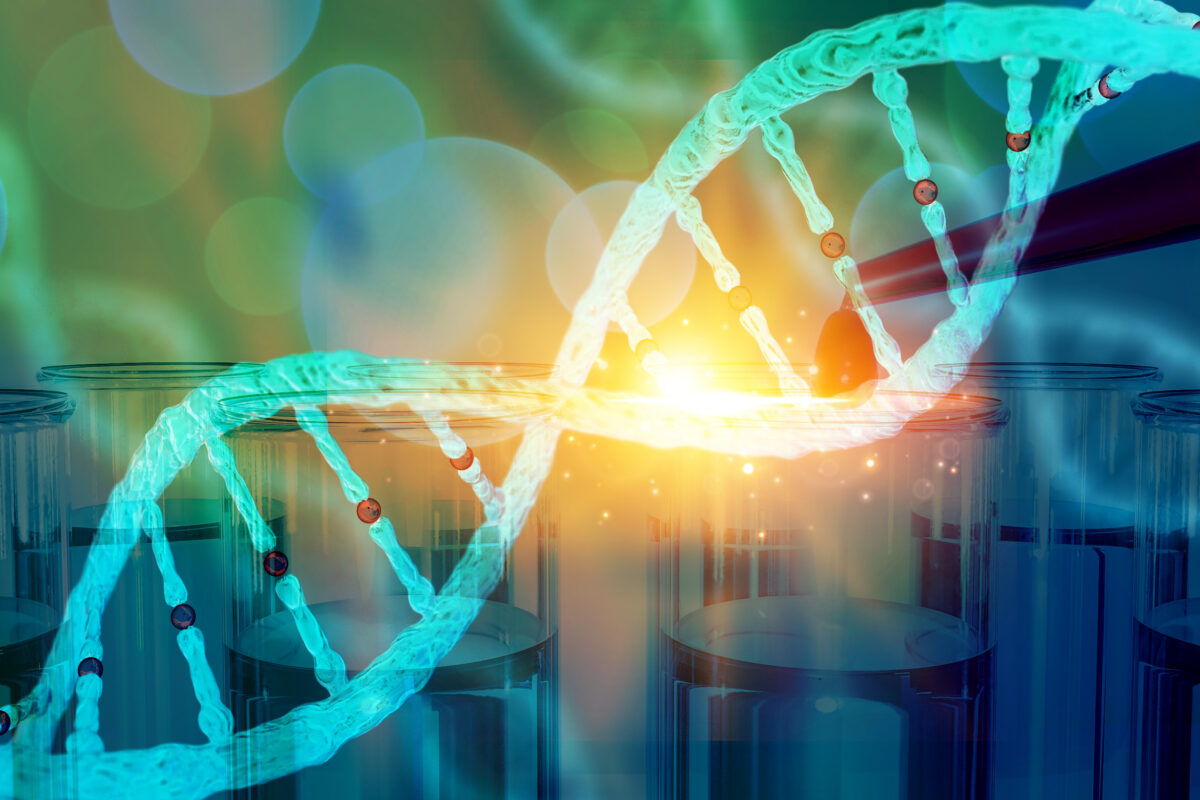
In recent years, there has been a significant breakthrough in medical research that holds immense promise for revolutionizing healthcare—genomic medicine. By unraveling the secrets encoded in our DNA, scientists and healthcare professionals are discovering new ways to understand diseases, develop targeted therapies, and provide personalized healthcare solutions. Genomic medicine has the potential to transform the medical landscape, enabling precision diagnostics, individualized treatment plans, and improved patient outcomes. Let us delve into the exciting world of genomic medicine and explore how it is unlocking the secrets of DNA for personalized healthcare.

Decoding the human genome: The human genome is a vast and intricate blueprint containing all the genetic instructions that make us who we are. The Human Genome Project, completed in 2003, marked a milestone in genomics by deciphering the sequence of the entire human genome. This breakthrough allowed scientists to study genetic variations and understand their impact on human health and disease.

Personalized medicine: Traditionally, medical treatments have followed a one-size-fits-all approach, assuming that each patient with a particular condition will respond similarly to a given treatment. However, we now know that individual genetic differences play a crucial role in determining an individual’s response to medications and susceptibility to certain diseases. Genomic medicine seeks to leverage this knowledge to tailor medical interventions to each person’s unique genetic makeup, ushering in an era of personalized medicine.

Disease risk assessment: One of the significant advantages of genomic medicine is the ability to identify an individual’s predisposition to certain diseases. By analyzing an individual’s DNA, researchers can detect genetic variations that increase the risk of developing specific conditions, such as heart disease, cancer, or neurological disorders. Armed with this knowledge, healthcare professionals can develop targeted screening programs and preventive strategies to detect diseases early or even mitigate the risk altogether.

Precision Diagnostics: Genomic medicine has revolutionized diagnostic techniques. Instead of relying solely on symptoms and general tests, physicians can now examine a patient’s genetic profile to pinpoint the root causes of a disease. Genetic testing enables early and accurate diagnoses, allowing for timely interventions and personalized treatment plans. This approach is particularly valuable in complex and rare genetic disorders, where identifying the underlying genetic mutation is crucial for effective management.

Targeted Therapies: Another remarkable aspect of genomic medicine is the development of targeted therapies. By understanding the genetic drivers of a disease, researchers can design treatments that specifically target these genetic abnormalities. This approach minimizes the chances of adverse effects and increases treatment efficacy. Furthermore, the identification of genetic biomarkers allows physicians to predict how patients will respond to specific drugs, facilitating the selection of the most appropriate treatment option for each individual.

Pharmacogenomics: Pharmacogenomics is an essential branch of genomic medicine that focuses on how an individual’s genetic makeup influences their response to medications. By analyzing genetic variants related to drug metabolism, efficacy, and adverse effects, healthcare professionals can optimize drug selection and dosage for each patient. This personalized approach reduces the risk of adverse reactions and improves treatment outcomes.

Ethical considerations and challenges: While genomic medicine holds tremendous potential, it also presents ethical challenges. Concerns regarding patient privacy, data security, and the potential misuse of genetic information must be addressed to ensure responsible implementation. Additionally, the accessibility and affordability of genomic technologies need to be considered to ensure equitable distribution of benefits across diverse populations.

Genomic medicine represents a groundbreaking shift in healthcare, unlocking the secrets of DNA to provide personalized solutions for individuals. By decoding our genetic information, researchers and healthcare professionals can gain deeper insights into disease mechanisms, enable early detection, and develop targeted therapies. As the field continues to evolve, it is crucial to address ethical concerns and ensure equitable access to genomic medicine. With further advancements, genomic medicine has the potential to transform healthcare, offering tailored treatments, improving patient outcomes, and paving the way for a healthier future.

Exploring the microbiome-brain axis: implications for mental health disorders

In recent years, researchers have begun to unravel the intricate connection between the gut microbiome and the brain, giving rise to a new field of study known as the microbiome-brain axis. The microbiome refers to the trillions of microorganisms that reside in our gastrointestinal tract, while the brain, of course, serves as the command center for our thoughts, emotions, and behaviors. The emerging body of research suggests that the composition and activity of these gut microbes may play a crucial role in the development and management of mental health disorders.

The human gut is home to a diverse ecosystem of bacteria, viruses, fungi, and other microorganisms. This vast microbial community, collectively known as the gut microbiota, influences numerous aspects of our health, including digestion, metabolism, and immune function. Recent studies have shown that it also communicates bidirectionally with the brain through various pathways, such as the vagus nerve, immune system signaling, and production of neurotransmitters.

One of the key mechanisms by which the gut microbiota influences mental health is through the production of neurotransmitters. These chemical messengers play a vital role in regulating mood, behavior, and cognition. For example, the gut bacteria produce serotonin, a neurotransmitter commonly associated with feelings of well-being and happiness. Alterations in the gut microbiota composition can disrupt serotonin production, potentially contributing to the development of depression or anxiety disorders.

Moreover, the gut microbiota has been found to modulate the body’s stress response. Stress, both acute and chronic, can have detrimental effects on mental health. Studies have shown that certain beneficial bacteria in the gut can help regulate the stress response by influencing the production of stress hormones like cortisol. In contrast, an imbalanced or disturbed microbiota may exacerbate stress and increase the risk of mental health disorders.

The immune system also plays a critical role in the gut-brain axis. The gut microbiota helps train and regulate the immune system, ensuring its proper functioning. Dysbiosis, an imbalance in the gut microbial community, can trigger chronic low-grade inflammation, which has been associated with various mental health conditions, including depression and schizophrenia. The inflammation can disrupt the delicate balance of neurotransmitters and impair neuroplasticity, the brain’s ability to adapt and change in response to experiences.

Emerging evidence suggests that specific probiotics, which are beneficial live bacteria or yeasts, may have a positive impact on mental health. Several studies have demonstrated that certain strains of probiotics can reduce symptoms of depression, anxiety, and stress. These probiotics work by restoring a healthy microbial balance in the gut, enhancing the production of neurotransmitters, and reducing inflammation.

While the research on the microbiome-brain axis is still in its early stages, the implications for mental health disorders are profound. Understanding the interplay between the gut microbiota and the brain could potentially open up new avenues for diagnosing and treating mental illnesses. Personalized interventions targeting the gut microbiome, such as probiotics, prebiotics, and dietary modifications, may complement traditional therapies for mental health disorders and improve treatment outcomes.

However, it is important to note that the microbiome is highly complex, and more research is needed to fully comprehend its intricate relationship with mental health. Factors such as genetics, diet, lifestyle, and environmental influences can all impact the gut microbiota and its effects on the brain. Longitudinal studies and larger clinical trials are necessary to determine the efficacy and safety of microbiome-based interventions for mental health disorders.

In conclusion, the microbiome-brain axis represents a fascinating area of research with promising implications for mental health. The gut microbiota has the potential to influence mood, behavior, and cognitive function through various mechanisms. Further understanding of this intricate relationship may pave the way for innovative therapies and interventions to alleviate the burden of mental health disorders, ultimately improving the well-being of individuals worldwide.

Targeted therapies in cancer treatment: precision approaches for improved survival

Cancer continues to be one of the most challenging diseases affecting millions of people worldwide. While traditional treatments such as surgery, chemotherapy, and radiation therapy have been the mainstay of cancer management, targeted therapies have emerged as a promising avenue for improved outcomes. These precision approaches are designed to specifically target the unique characteristics of cancer cells, leading to more effective and less toxic treatments. In this article, we will explore the concept of targeted therapies in cancer treatment and how they are revolutionizing the field by offering new hope for patients.

Understanding targeted therapies,

Targeted therapies are a class of cancer treatments that aim to interfere with specific molecules or pathways involved in tumor growth and survival. Unlike conventional therapies, which often attack both cancerous and healthy cells, targeted therapies work by honing in on the distinct features of cancer cells. These features can include genetic mutations, abnormal signaling pathways, or the presence of specific proteins on the cell surface.

Personalized medicine: Tailoring treatment to the individual,

One of the key advantages of targeted therapies is their ability to deliver personalized medicine. By identifying specific genetic alterations or biomarkers present in a patient’s tumor, clinicians can choose therapies that are more likely to be effective for that individual. This approach helps to maximize the benefits of treatment while minimizing potential side effects.

Precision approaches and improved outcomes,

Targeted therapies have demonstrated impressive results across various cancer types. For instance, in the case of chronic myeloid leukemia (CML), the introduction of tyrosine kinase inhibitors (TKIs) such as imatinib has transformed the treatment landscape. These drugs specifically target the abnormal protein produced by the BCR-ABL gene fusion, leading to remission and improved survival rates for many patients.

Similarly, targeted therapies have shown remarkable success in treating certain types of lung cancer. For patients with non-small cell lung cancer (NSCLC) harboring specific mutations in the epidermal growth factor receptor (EGFR) gene, EGFR inhibitors like erlotinib and osimertinib have significantly improved response rates and overall survival.

Beyond genetic alterations, targeted therapies also extend to other tumor characteristics. Immunotherapies, for example, use antibodies to target and block immune checkpoint proteins like PD-1 or CTLA-4, enabling the immune system to recognize and eliminate cancer cells more effectively. These immune checkpoint inhibitors have demonstrated impressive outcomes in various malignancies, including melanoma, lung cancer, and bladder cancer.

Combination therapies: Enhancing efficacy and overcoming resistance,

To further improve outcomes, researchers are exploring the potential of combining targeted therapies with other treatment modalities. Combinations of targeted therapies with immunotherapies, chemotherapy, or radiation therapy are being investigated to achieve synergistic effects and overcome treatment resistance.

Overcoming challenges: Resistance and accessibility,

Despite the significant advances in targeted therapies, challenges still exist. Resistance to targeted treatments can develop over time as cancer cells acquire new mutations or bypass the targeted pathway. Researchers are actively studying mechanisms of resistance and developing strategies to overcome it, such as combination therapies and novel drug delivery systems.

Furthermore, the accessibility of targeted therapies remains a concern. Some therapies may be expensive, limiting their availability to certain populations. Efforts are being made to address this issue through research, policy changes, and collaborations to ensure equitable access to these transformative treatments.

Targeted therapies have ushered in a new era of precision medicine in cancer treatment. By focusing on specific molecular targets, these therapies offer improved survival rates, reduced toxicity, and increased hope for patients. As research continues to uncover novel targets and therapeutic strategies, the future of targeted therapies in oncology appears promising. With ongoing advancements, we can expect further refinement and wider accessibility, ultimately transforming cancer treatment and enhancing patient outcomes.

Next-generation vaccines: harnessing cutting-edge technologies for disease prevention

Vaccines have been instrumental in controlling and eradicating numerous infectious diseases throughout history. The ongoing battle against the COVID-19 pandemic has underscored the importance of vaccines in protecting public health. As science and technology continue to advance, a new era of vaccines is emerging, known as next-generation vaccines. These vaccines harness cutting-edge technologies to enhance their efficacy, safety, and scalability, opening up new avenues for disease prevention and control.

Harnessing mRNA technology,

One of the most significant breakthroughs in next-generation vaccines is the use of messenger RNA (mRNA) technology. This approach, which has gained prominence with the development of COVID-19 vaccines, involves delivering synthetic mRNA molecules into cells to produce viral antigens. These antigens trigger an immune response, leading to the production of antibodies and T-cells.

mRNA vaccines offer several advantages over traditional vaccine platforms. They can be developed rapidly, as the manufacturing process does not require growing live viruses or viral proteins. This flexibility enables swift response to emerging pathogens or variants, potentially revolutionizing our ability to tackle new infectious diseases. Moreover, mRNA vaccines are highly scalable, allowing for mass production in a shorter time frame, as demonstrated by the successful global deployment of COVID-19 mRNA vaccines.

Viral vector vaccines,

Another innovative approach in next-generation vaccines involves the use of viral vectors. These vaccines employ harmless viruses, such as adenoviruses, to deliver genetic material encoding specific antigens into cells. Once inside the body, the viral vector prompts the production of the antigen, triggering an immune response.

Viral vector vaccines have shown promise in combating diseases like Ebola, Zika, and COVID-19. They offer several advantages, including strong and long-lasting immune responses, which can be essential in preventing infections. Furthermore, viral vector vaccines can be engineered to carry multiple antigens, making them particularly useful in targeting diseases with complex immune responses, such as malaria and tuberculosis.

Nanoparticle vaccines,

Nanotechnology has also made significant contributions to the development of next-generation vaccines. Nanoparticle vaccines utilize nanoscale particles, often made of lipids or proteins, to deliver antigens to the immune system. These particles mimic the size and structure of viruses, enhancing their interaction with immune cells and facilitating a robust immune response.

The design flexibility of nanoparticle vaccines allows for the incorporation of multiple antigens, adjuvants, or immune-stimulating molecules into a single formulation. This versatility enables the development of vaccines that can target multiple strains or variants of a pathogen, providing broad protection against evolving infectious agents. Furthermore, nanoparticle vaccines have the potential to induce mucosal immunity, a crucial defense mechanism against respiratory and gastrointestinal pathogens.

DNA vaccines,

DNA vaccines represent another innovative approach in next-generation vaccine development. These vaccines introduce a small, circular piece of DNA encoding viral antigens into cells. Once inside, the DNA is transcribed and translated, leading to the production of the antigen and the subsequent initiation of an immune response.

DNA vaccines offer several advantages, including their stability and ease of manufacturing. They can be produced rapidly, with scalable processes, and do not require cold storage, simplifying distribution and administration. Furthermore, DNA vaccines have the potential to stimulate both antibody and cellular immune responses, providing comprehensive protection against infectious agents.

Next-generation vaccines are poised to revolutionize disease prevention by harnessing cutting-edge technologies. The emergence of mRNA vaccines has demonstrated the tremendous potential of this platform in rapidly developing and deploying effective vaccines against new pathogens. Viral vector vaccines, nanoparticle vaccines, and DNA vaccines also offer exciting possibilities, allowing for enhanced immune responses, broad protection, and simplified manufacturing and distribution.

As we continue to confront global health challenges, investing in the development and deployment of next-generation vaccines is crucial. These advanced technologies hold the key to more effective prevention and control of infectious diseases, reducing their impact on individuals, communities, and global health systems. By leveraging the power of innovation, science, and collaboration, we can usher in a new era of disease prevention and safeguard the well-being of future generations.

Harnessing the power of machine learning for early disease detection

The field of healthcare is experiencing a transformative revolution, thanks to the integration of machine learning (ML) techniques. With the ability to analyze vast amounts of data, ML algorithms have the potential to revolutionize early disease detection. By leveraging this technology, healthcare professionals can identify patterns and subtle indicators of diseases at their earliest stages, enabling timely interventions and improved patient outcomes. In this article, we explore the remarkable potential of ML in early disease detection and its impact on the future of healthcare.

Unleashing the potential of big data,

One of the key advantages of ML in early disease detection is its ability to process and analyze large volumes of data. Electronic health records, medical imaging, genomic data, and wearable sensor data generate massive amounts of information. ML algorithms can uncover hidden patterns, correlations, and trends within this data that may indicate the presence of diseases, even before clinical symptoms manifest. By integrating and analyzing diverse datasets, ML algorithms can learn to recognize complex patterns that are difficult for human observers to identify, leading to more accurate and timely diagnoses.

Early detection for improved outcomes,

Early disease detection is crucial for successful treatment and improved patient outcomes. Many diseases, such as cancer, cardiovascular conditions, and neurodegenerative disorders, are most treatable in their early stages. ML algorithms can assist in identifying subtle deviations from normal patterns that indicate the presence of disease. By analyzing patient data over time, ML algorithms can learn to recognize early warning signs and flag individuals who may be at risk. This enables healthcare providers to intervene promptly, providing personalized treatment plans and reducing the progression of the disease.

Predictive analytics for risk assessment,

Machine learning excels in predictive analytics, providing valuable insights into an individual’s risk of developing certain diseases. By training on large datasets of patient records, ML algorithms can identify risk factors and predict the likelihood of disease occurrence. These algorithms consider a variety of factors, such as demographics, genetic markers, lifestyle choices, and medical history, to generate risk scores for individuals. This information can help healthcare providers implement preventive measures, such as lifestyle interventions, targeted screenings, and early interventions, reducing the burden of disease and improving population health.

Improving medical imaging and diagnostics,

Medical imaging plays a critical role in disease detection, and ML algorithms have shown tremendous promise in improving accuracy and efficiency in this domain. By analyzing large datasets of medical images, ML algorithms can learn to detect subtle patterns and anomalies that may indicate the presence of diseases, such as tumors or abnormalities in organ structures. These algorithms can aid radiologists in their assessments, providing a second set of “virtual eyes” and reducing the chances of human error. ML-powered diagnostic systems have the potential to speed up diagnoses, streamline workflows, and improve the accuracy of interpretations, ultimately benefiting patients and healthcare providers alike.

Challenges and ethical considerations,

While ML holds immense potential, there are challenges and ethical considerations that must be addressed. ML algorithms heavily rely on high-quality and diverse datasets for training. Ensuring data privacy, maintaining data integrity, and addressing biases in the data are critical concerns. Additionally, the interpretability and transparency of ML algorithms are essential to gain the trust of healthcare professionals and patients. A balance between innovation and accountability must be struck to ensure that ML algorithms are reliable, safe, and equitable in their application.

The future of early disease detection,

The future of early disease detection is incredibly promising with the integration of ML technologies. As ML algorithms continue to evolve, they will become more accurate, efficient, and accessible. Combining ML with emerging technologies like wearable devices and real-time monitoring systems can create a continuous feedback loop, providing early detection and personalized interventions in real-time. Additionally, collaborations between researchers, clinicians, and data scientists are essential to drive innovation and overcome challenges in implementing ML-based early disease detection systems.

Machine learning is transforming healthcare by revolutionizing early disease detection. By leveraging the power of ML algorithms to analyze vast amounts of data, healthcare professionals can identify patterns, predict risks, and detect diseases at their earliest stages. This technology has the potential to improve patient outcomes, reduce healthcare costs, and enhance population health. While challenges exist, continued research, innovation, and ethical considerations will pave the way for a future where early disease detection becomes a routine part of healthcare, benefiting individuals and societies worldwide.

Robotics in surgery: innovations and advancements

In recent years, the field of robotics has made remarkable strides in various industries, and one area that has witnessed significant progress is surgery. Robotic surgical systems have revolutionized the way complex procedures are performed, enhancing precision, minimizing invasiveness, and improving patient outcomes. This article explores the innovations and advancements in robotics that have transformed the landscape of surgical practices.

Enhanced precision and accuracy,

One of the primary advantages of robotics in surgery is the enhanced precision and accuracy it offers. Robotic surgical systems provide surgeons with an exceptional level of control and dexterity, surpassing the limitations of traditional surgical techniques. These systems employ robotic arms equipped with specialized instruments and high-definition cameras, allowing surgeons to perform intricate movements with greater accuracy. The robotic arms filter and stabilize the surgeon’s hand movements, eliminating tremors and enabling precise maneuvers, even in confined spaces.

Minimally invasive procedures,

Robotics has paved the way for minimally invasive procedures, which have become increasingly common in modern surgical practice. Traditional open surgeries often require large incisions, resulting in prolonged recovery times, increased pain, and a higher risk of complications. In contrast, robotic-assisted surgeries utilize smaller incisions, reducing trauma to the patient’s body. The robotic arms, controlled by the surgeon, access the surgical site through these small incisions, enabling the precise manipulation of instruments with minimal disruption to surrounding tissues. Minimally invasive procedures often result in shorter hospital stays, faster recovery, and reduced scarring.

Improved visualization,

Visualization plays a crucial role in surgical procedures, and robotics has greatly enhanced this aspect. Robotic surgical systems incorporate high-definition cameras that provide surgeons with a three-dimensional, magnified view of the surgical site. This improved visualization allows for better identification of anatomical structures, enhanced depth perception, and a more comprehensive understanding of the surgical field. Surgeons can navigate complex structures with greater ease, reducing the risk of inadvertent damage and improving the overall surgical precision.

Remote surgery and telemedicine,

One of the most groundbreaking applications of robotic surgery is the potential for remote surgery and telemedicine. With advancements in network connectivity and latency reduction, it is now possible for surgeons to perform procedures on patients located in remote areas or even in different countries. In such cases, the surgeon controls the robotic system from a remote console, which replicates their hand movements with extreme precision. This technology has the potential to bring specialized surgical expertise to underserved areas, facilitate collaboration between surgeons across the globe, and increase access to quality healthcare.

Challenges and future directions,

While the adoption of robotic surgery has grown rapidly, there are still challenges to overcome. Cost remains a significant barrier, as robotic systems are expensive to acquire and maintain. Surgeons also need specialized training to operate these systems effectively. Additionally, concerns regarding patient safety, data security, and liability in remote surgery must be carefully addressed.

Looking ahead, the future of robotics in surgery is promising. Further advancements in artificial intelligence (AI) and machine learning algorithms will improve the capabilities of robotic systems, enabling autonomous or semi-autonomous procedures. Integrating advanced imaging techniques, such as real-time MRI or ultrasound, with robotic systems could enhance surgical planning and decision-making. Moreover, the miniaturization of robotic instruments could expand the scope of robotic surgery to more delicate and hard-to-reach areas of the body.

Robotics has revolutionized the field of surgery, providing surgeons with enhanced precision, improved visualization, and the ability to perform minimally invasive procedures. These advancements have translated into better patient outcomes, reduced pain and recovery time, and expanded access to specialized surgical expertise. While challenges remain, the future of robotics in surgery holds immense potential for further innovation and continued improvement in patient care. With ongoing research and development, robotics will continue to shape the future of surgical practice, making procedures safer, more efficient, and more accessible than ever before.

Psychological impact of genital conditions: addressing mental health in patients

When we think about health, we often focus on physical well-being, neglecting the profound impact that certain conditions can have on an individual’s mental health. This oversight is particularly apparent when considering genital conditions. Genital conditions, such as erectile dysfunction, genital herpes, vaginal atrophy, or gender dysphoria, can significantly affect an individual’s self-esteem, body image, sexual identity, and overall psychological well-being. In this article, we delve into the psychological impact of genital conditions and highlight the importance of addressing mental health alongside physical health in patients.

  1. The emotional toll of genital conditions:

Genital conditions can evoke a range of emotional responses, including shame, embarrassment, guilt, anxiety, and depression. Individuals with genital conditions often face social stigma, leading to feelings of isolation and reduced self-esteem. These emotional burdens can further contribute to relationship difficulties, sexual dysfunction, and decreased quality of life.

  1. Body image and self-esteem:

Genital conditions can significantly impact body image and self-esteem. For instance, individuals with conditions like genital warts, scarring from surgery, or genital disfigurements may feel self-conscious about their appearance and worry about being judged by others. These negative emotions can erode self-confidence, hinder social interactions, and impair intimate relationships.

  1. Sexual identity and intimacy:

Genital conditions can influence an individual’s sexual identity and their ability to engage in intimate relationships. Conditions such as gender dysphoria can cause distress and confusion about one’s sexual identity, leading to significant psychological distress. Additionally, sexual dysfunctions resulting from genital conditions, such as erectile dysfunction or painful intercourse, can negatively impact sexual satisfaction and intimate relationships.

  1. Psychological implications for individuals and relationships:

The psychological implications of genital conditions extend beyond the individual, affecting their relationships and overall quality of life. Partners may struggle to understand and support their loved ones, leading to strain and emotional distance in relationships. The fear of rejection or being unable to satisfy a partner sexually can lead to avoidance of intimate encounters and increased relationship conflicts.

  1. The importance of addressing mental health:

Recognizing and addressing the psychological impact of genital conditions is crucial for comprehensive patient care. Healthcare professionals should adopt a holistic approach that integrates mental health support alongside physical treatments. Here are some key strategies:

  • Patient education and empowerment: Providing accurate and accessible information about the condition, treatment options, and available support resources can help patients feel more informed and empowered to manage their condition effectively.
  • Counseling and therapy: Mental health professionals can play a pivotal role in supporting patients by providing counseling and therapy. This can help individuals navigate emotional challenges, develop coping strategies, and improve their overall psychological well-being.
  • Support groups: Encouraging patients to join support groups or online communities can help foster a sense of belonging and provide a safe space for sharing experiences, concerns, and advice. Connecting with others who have similar conditions can alleviate feelings of isolation and provide emotional support.
  • Partner involvement: Engaging partners in the treatment process can help improve communication, understanding, and empathy. Couples therapy or sexual counseling can assist partners in navigating the emotional and sexual challenges that arise due to genital conditions.
  • Multidisciplinary approach: Collaborating with healthcare professionals from different disciplines, such as urologists, gynecologists, psychologists, and sex therapists, can ensure a comprehensive and well-rounded approach to addressing both physical and psychological aspects of genital conditions.

Genital conditions have a profound impact on individuals’ psychological well-being, affecting their self-esteem, body image, sexual identity, and relationships. It is imperative to recognize and address the mental health needs of patients alongside their physical conditions. By adopting a holistic approach that integrates mental health support, healthcare professionals can help patients navigate the emotional challenges, foster resilience, and improve their overall quality of life. Through education, counseling, support groups, and a multidisciplinary approach, we can create a more inclusive and compassionate healthcare system that prioritizes the mental well-being of individuals with genital conditions.